
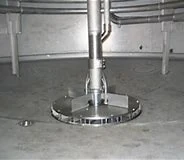
Vinegar Acetators
Vinegar Acetator
VB series fermenter aerator for acetic fermentation.
View specifications →Product Lines
Centrifugal PumpsSanitary PumpsMicro Gear And Magnetic Drive PumpsPeristaltic And Dosing PumpsRubber Lobe PumpsProgressing Cavity PumpsGear PumpsHigh Temperature PumpsSubmersible Aerators And MixersStainless Steel Tanks And VesselsHigh Shear EmulsifiersMagnetic MixersDefoaming MachinesVinegar AcetatorsSanitary Valves And FittingsSanitary Manhole CoversStainless Steel Pipe FittingsIndustries
Water Supply And DrainageWastewater And SewageWater TreatmentChemical And PetrochemicalFood And BeveragePharmaceutical And BiotechPulp And PaperMining And MarineSolutions
Sanitary Process Line PackagesWastewater Aeration And MixingThermal Oil And Hot Water CircuitsChemical Dosing And TransferKnowledge CenterDocumentationAboutContact
1 model fermenter aerator oxygen transfer and mixing
Fermenter aerators that carry air into the mash so acetic bacteria have the oxygen they need to turn alcohol into acetic acid, while keeping the vessel mixed.
The Range
A fermenter aerator applied to vinegar production, to oxygen supply in bio-pharmaceutical fermentation and to vinegar drinks production.
Vinegar Acetators
VB series fermenter aerator for acetic fermentation.
View specifications →Acetic bacteria need oxygen to metabolise and convert alcohol into acetic acid. An acetator brings fresh air into the liquid where the bacteria are.
Surface aeration leaves the bulk of the vessel under supplied. The acetator mixes air into the liquid so transfer happens throughout the volume.
The acetator transports and mixes oxygen in the same unit, which keeps the vessel uniform without a separate agitator.
Why This Line
Air is brought into the liquid rather than blown across it, which is what keeps the conversion running.
The same unit achieves transporting and mixing of oxygen, holding the vessel uniform during fermentation.
The same aerator is used for oxygen supply in bio-pharmaceutical fermentation and for vinegar drink production.
Application Scenarios
Submerged acetic fermentation where oxygen supply decides the conversion rate from alcohol to acetic acid.
Oxygen supply for fermentation in bio-pharmaceutical production.
Beverage production based on acetic fermentation.
Selection Guide
Working volume and vessel geometry set the aerator size and its position in the tank.
The conversion rate you are aiming at determines how much air has to be transferred per hour.
How the unit enters the vessel, and what headroom and access the fermenter has.
Aerated fermentation foams. Consider a mechanical foam breaker with the acetator rather than after the first batch.
Answers
It brings fresh air into the fermenting liquid and mixes it, so acetic bacteria have the oxygen they need to turn alcohol into acetic acid and to support their metabolism.
No. The same fermenter aerator is applied to oxygen supply in bio-pharmaceutical fermentation and in vinegar drink production.
The acetator achieves transporting and mixing of oxygen in one unit, which is normally enough for the fermentation vessel.
Aerated fermentation foams by nature. Many plants fit a mechanical foam breaker with the acetator to keep liquid in the tank.
Yes. Fermentation tanks are built in the same works, with jackets, insulation, manholes, spray balls and sampling valves.
Engineering Notes
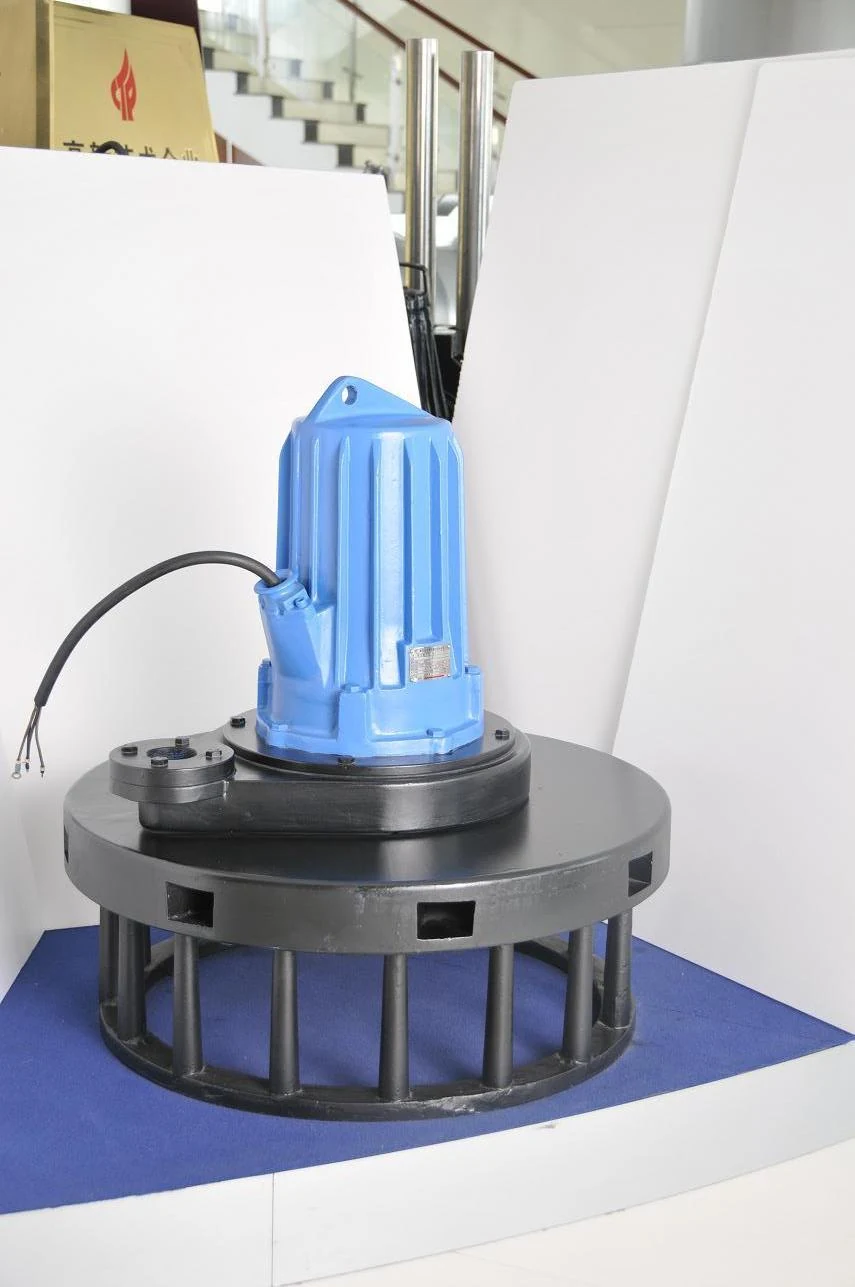
Design Guide
Oxygen demand sets the capacity, basin geometry sets the number of units, and the lifting arrangement decides whether maintenance needs a shutdown.
Read the guide →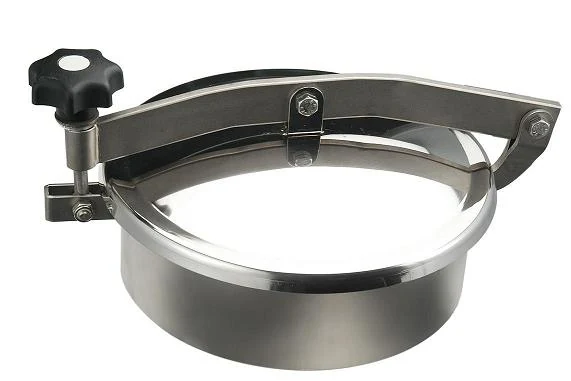
Installation Guide
A vessel is judged by how easily it opens, how completely it cleans and how well the seal survives. All three are decided by parts that cost a fraction of the tank.
Read the guide →Vessel volume and the conversion you need decide the aerator. We can quote the vessel and foam breaker with it.