
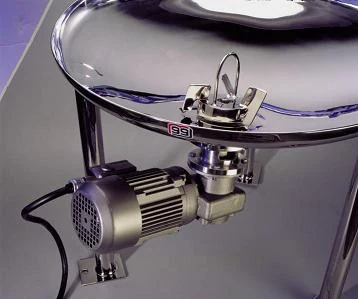
Bottom magnetic mxier
Tank Magnetic Mixer
Bottom entry magnetic agitator with a welded isolation sleeve.
View specifications →Product Lines
Centrifugal PumpsSanitary PumpsMicro Gear And Magnetic Drive PumpsPeristaltic And Dosing PumpsRubber Lobe PumpsProgressing Cavity PumpsGear PumpsHigh Temperature PumpsSubmersible Aerators And MixersStainless Steel Tanks And VesselsHigh Shear EmulsifiersMagnetic MixersDefoaming MachinesVinegar AcetatorsSanitary Valves And FittingsSanitary Manhole CoversStainless Steel Pipe FittingsIndustries
Water Supply And DrainageWastewater And SewageWater TreatmentChemical And PetrochemicalFood And BeveragePharmaceutical And BiotechPulp And PaperMining And MarineSolutions
Sanitary Process Line PackagesWastewater Aeration And MixingThermal Oil And Hot Water CircuitsChemical Dosing And TransferKnowledge CenterDocumentationAboutContact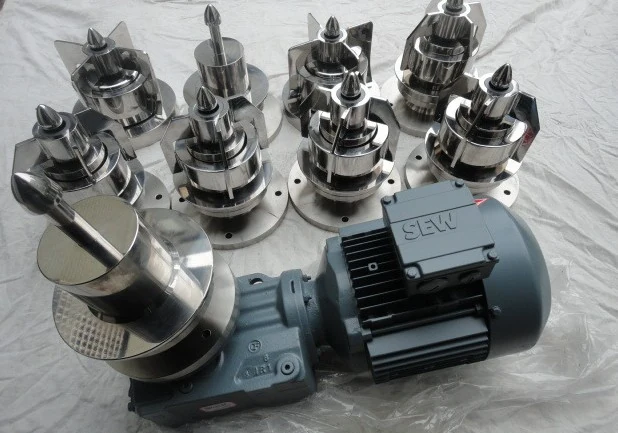
1 model bottom entry no dynamic seal
Bottom entry agitators coupled through a welded isolation sleeve, so the vessel has no rotating seal and nothing can leak or migrate into the product.
The Range
Mounted in the dished bottom of a reaction or compounding vessel, with vertical and horizontal drive arrangements and a speed reducer where slow mixing is required.
Bottom magnetic mxier
Bottom entry magnetic agitator with a welded isolation sleeve.
View specifications →A static seal formed by a welded isolation sleeve replaces the dynamic mechanical seal, which removes the leak path completely.
The mixing unit sits in the bottom of the vessel with no shaft through the head, so there is no dead space around a seal housing to clean.
Because the impeller is at the bottom, mixing still works when the vessel holds only a small amount of liquid.
Why This Line
Static dead sealing through a welded isolative sleeve solves the leaking problem that mechanical seals bring to sterile vessels.
Simple construction, easy to dismantle, easy to clean and no dead space, which is what a cleaning validation needs.
Working pressure from 0.09 to 0.8 MPa, with the impeller style chosen for the medium.
Application Scenarios
Mixing devices in stainless steel reaction and liquid compounding tanks where the product must stay sterile.
Places that need high standard sealing because the liquid is inflammable, explosible or prone to leak.
Pharmaceutical, biological engineering and food vessels designed around GMP requirements.
Selection Guide
Working volume and the lowest liquid level that still has to be mixed. Bottom entry earns its place at low levels.
Viscosity and solids decide impeller style and whether a speed reducer is needed.
Working pressure between 0.09 and 0.8 MPa is the published range. Vacuum and sterilisation temperatures must be stated.
Vertical or horizontal drive arrangement to suit the vessel and the space under it.
Answers
The drive magnet turns outside a welded isolation sleeve and the impeller magnet turns inside it. The sleeve is a static welded seal, so there is no rotating seal to leak.
The published range is 0.09 to 0.8 MPa, selected per vessel. A speed reducer and vertical or horizontal arrangements are available.
Yes, that is one reason for bottom mounting. The mixing unit is installed at the bottom so it can mix small quantities of liquid.
The mixer is designed for pharmaceutical, biological engineering and food vessels in line with GMP practice, with no dead space and easy dismantling for cleaning.
Wetted parts in 304 or 316 stainless steel with mirror or matt polish to Ra below 0.8 um.
Engineering Notes
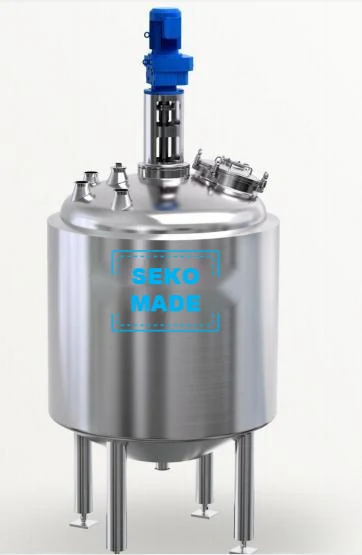
Material Guide
The difference is molybdenum and carbon content. What that means on your plant is chloride resistance and how the material behaves after welding.
Read the guide →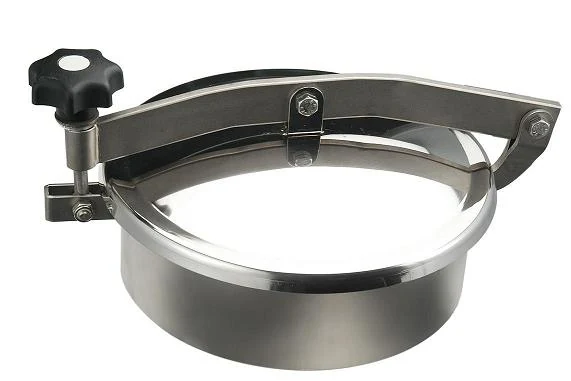
Installation Guide
A vessel is judged by how easily it opens, how completely it cleans and how well the seal survives. All three are decided by parts that cost a fraction of the tank.
Read the guide →Volume, lowest working level, pressure and medium decide the head and the drive. A tank GA drawing answers most of it.