What Each Arrangement Does
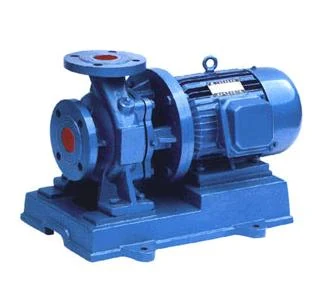
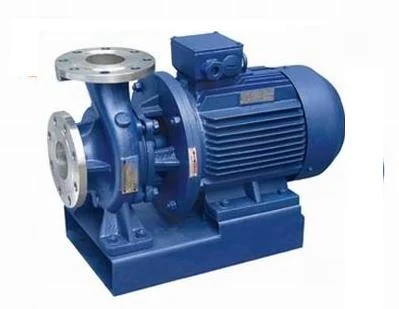
A mechanical seal presses two flat faces together, one rotating with the shaft and one fixed in the housing. Our centrifugal pumps use hard alloy rotating and stationary rings, which resist wear and give long service without leaking.
A packing gland is rings of braided packing compressed around the shaft. It is designed to weep slightly: that leakage lubricates and cools the packing. A gland that does not drip is a gland about to burn.
When A Mechanical Seal Is Right
Choose a mechanical seal where leakage is unacceptable, where the liquid is expensive, hazardous or hot, and where the plant prefers longer intervals between interventions.
Hard alloy faces handle abrasive traces better than soft faces, but no seal likes grit. On genuinely abrasive duty, a flush arrangement or a different pump family is the honest answer.
See the SKWH Horizontal Chemical Pump specification →
When A Packing Gland Still Wins
Packing suits sites that would rather adjust a gland nut than order a cartridge, duties with grit where a seal face would be scored, and installations where a small leak to drain is acceptable.
It is also forgiving of slight shaft movement, which matters on older installations.
What Destroys Seals And Packing
Most failures are not the seal, they are the conditions it was asked to work in.
- Running dry, even briefly, which overheats the faces in seconds
- Cavitation, which hammers the faces and the bearings
- Solids in the liquid scoring the seal faces
- Over tightened packing, which burns the rings and scores the shaft sleeve
- Wrong elastomer for the chemistry or the cleaning temperature
A Practical Maintenance Routine
Check the gland drip rate weekly on packed pumps and adjust a quarter turn at a time, never more. Replace the whole packing set rather than adding a ring.
On mechanical seals, watch for a change in noise or a trace of liquid at the drain. Replace the seal as a set, inspect the shaft sleeve, and find out why it failed before fitting the new one.