
Submersible Aerators And Mixers
Immersible Aerator
Self priming aerator for oxygen transfer and mixing in basins.
View specifications →Product Lines
Centrifugal PumpsSanitary PumpsMicro Gear And Magnetic Drive PumpsPeristaltic And Dosing PumpsRubber Lobe PumpsProgressing Cavity PumpsGear PumpsHigh Temperature PumpsSubmersible Aerators And MixersStainless Steel Tanks And VesselsHigh Shear EmulsifiersMagnetic MixersDefoaming MachinesVinegar AcetatorsSanitary Valves And FittingsSanitary Manhole CoversStainless Steel Pipe FittingsIndustries
Water Supply And DrainageWastewater And SewageWater TreatmentChemical And PetrochemicalFood And BeveragePharmaceutical And BiotechPulp And PaperMining And MarineSolutions
Sanitary Process Line PackagesWastewater Aeration And MixingThermal Oil And Hot Water CircuitsChemical Dosing And TransferKnowledge CenterDocumentationAboutContact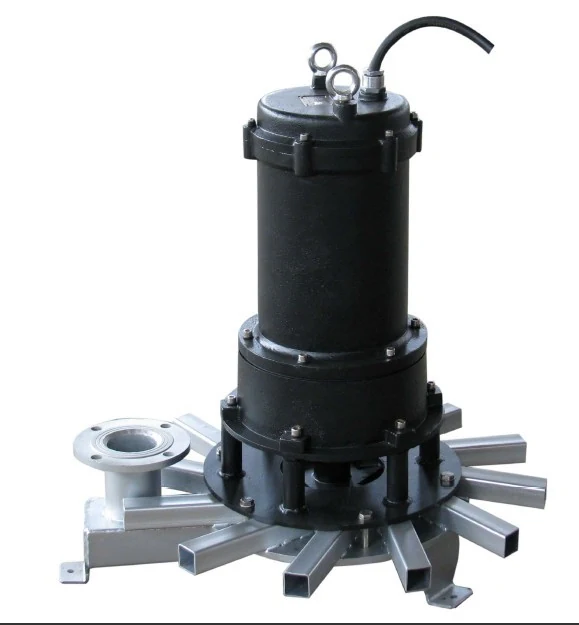
5 models aeration and mixing installed in the basin
Machines that put oxygen into a basin and keep the contents moving, combining pump, blower and gas liquid mixer in one unit that works under water.
The Range
Submersible and immersible aerators draw their own air, the jet aerator pushes a mixed stream across the basin, and the submersible mixers keep solids in suspension without adding air.
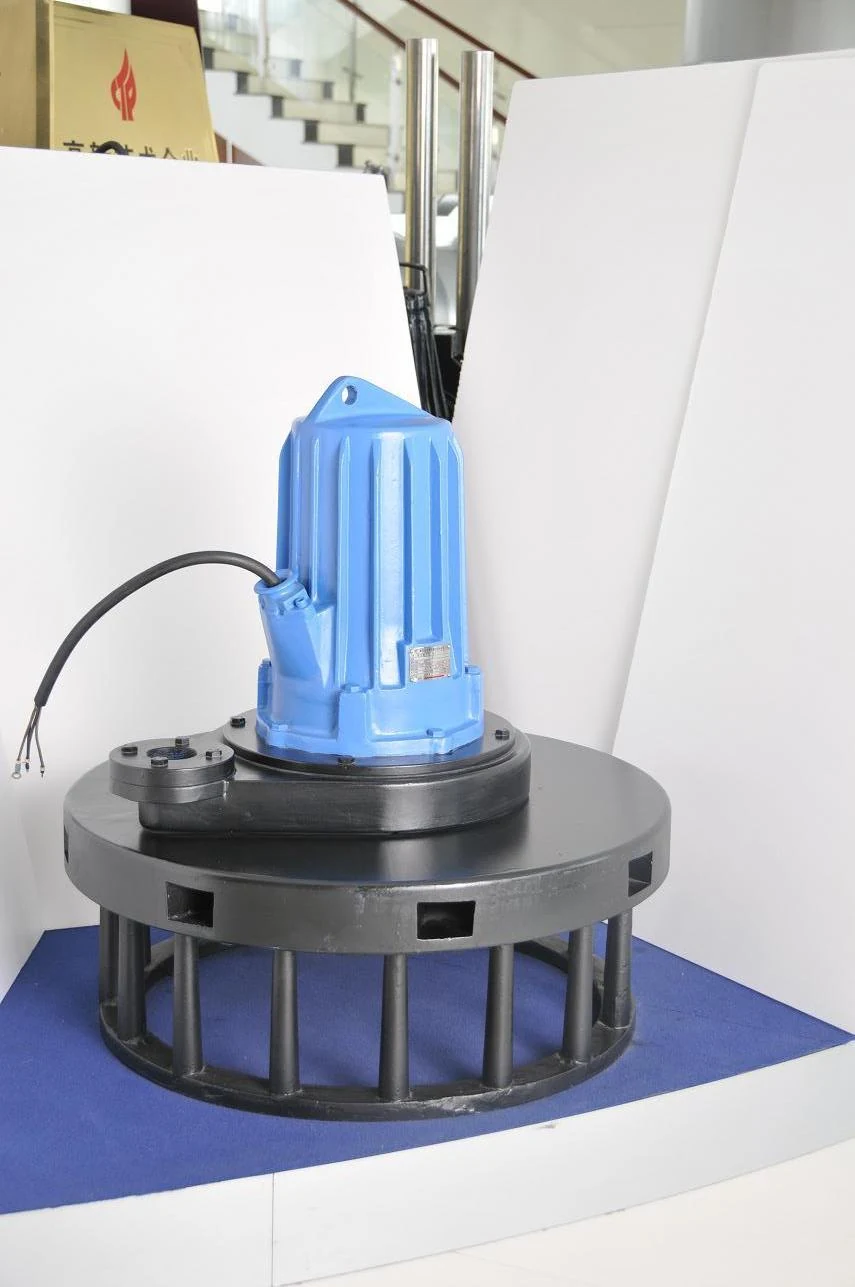
Submersible Aerators And Mixers
Self priming aerator for oxygen transfer and mixing in basins.
View specifications →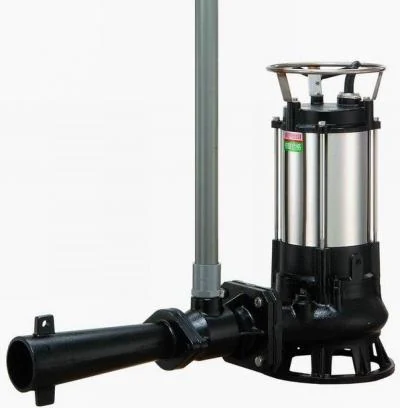
Submersible Aerators And Mixers
Jet type aerator driving a mixed air and water stream through the basin.
View specifications →
Submersible Aerators And Mixers
Self priming aerator combining pump blower and gas liquid mixer.
View specifications →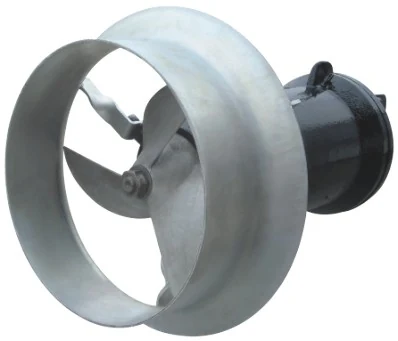
Submersible Aerators And Mixers
Mechanical mixer for sludge tanks and other liquid volumes.
View specifications →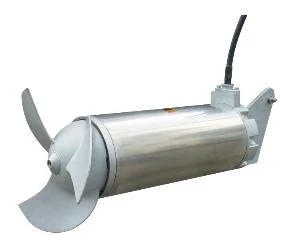
Submersible Aerators And Mixers
Second submersible mixer build for larger or deeper tanks.
View specifications →A self priming aerator integrates pump, blower and mixer in one submerged unit, so there is no separate blower, no air main and no diffuser grid to maintain.
Submersible mixers move the whole basin volume so sludge stays in suspension instead of forming a deposit that reduces capacity.
The star type impeller and stator disperse air into bubbles of around 100 microns, which increases the surface area available for transfer.
Why This Line
Pump, air blower and gas liquid mixer in a single machine that sits on the basin floor or hangs from a float.
Impeller rotation creates a vacuum in the stator that draws air down the pipe, so no compressor is required.
The same unit that aerates also circulates the basin contents, which matters in activated sludge and stabilisation duty.
Application Scenarios
Supplying oxygen and mixing in the aeration tank, including pre-aeration and sludge stabilisation stages.
Floating or floor mounted units that keep a large shallow volume aerobic.
Gas floats, neutralisation and ozone treatment stages where the mixture must be kept in motion.
Selection Guide
Volume, depth and shape decide how many units are needed and where they sit. Depth matters as much as volume.
Load in kilograms of BOD per day, or the process stage, tells us how much oxygen has to be transferred.
Floor mounted on a base for fixed basins, float mounted where level varies or the basin cannot be drained.
Guide rails and a lifting arrangement let the unit come out for service without draining the tank.
Answers
Water and air mix inside the impeller and the gas is dispersed into small bubbles of about 100 microns in diameter, which is what drives oxygen transfer.
No. The aerator is self priming for air: impeller rotation creates the vacuum that draws air down the pipe, so pump, blower and mixer are one machine.
Yes. It can sit on the bottom of the aeration pool or be fixed to a floating body, depending on basin depth and level variation.
The aerator adds air and mixes. The mixer only moves the contents, which is what you want in anoxic zones and in balancing tanks where air is not wanted.
Pre-aeration, activated sludge treatment, sludge stabilisation, gas flotation, neutralisation, ozone treatment, oxidation ponds and general liquid mixing.
Engineering Notes
Design Guide
Oxygen demand sets the capacity, basin geometry sets the number of units, and the lifting arrangement decides whether maintenance needs a shutdown.
Read the guide →
Material Guide
The difference is molybdenum and carbon content. What that means on your plant is chloride resistance and how the material behaves after welding.
Read the guide →Volume, depth and organic load are enough for us to propose the number of units and where to place them.