
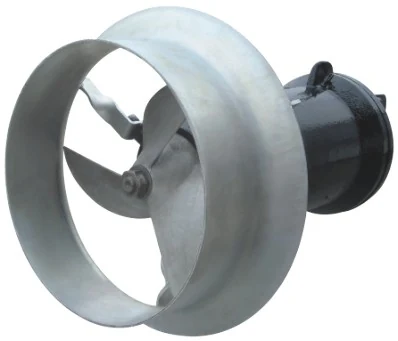
Submersible Aerators And Mixers
Submersible Mixer
Mechanical mixer for sludge tanks and other liquid volumes.
View specifications →Product Lines
Centrifugal PumpsSanitary PumpsMicro Gear And Magnetic Drive PumpsPeristaltic And Dosing PumpsRubber Lobe PumpsProgressing Cavity PumpsGear PumpsHigh Temperature PumpsSubmersible Aerators And MixersStainless Steel Tanks And VesselsHigh Shear EmulsifiersMagnetic MixersDefoaming MachinesVinegar AcetatorsSanitary Valves And FittingsSanitary Manhole CoversStainless Steel Pipe FittingsIndustries
Water Supply And DrainageWastewater And SewageWater TreatmentChemical And PetrochemicalFood And BeveragePharmaceutical And BiotechPulp And PaperMining And MarineSolutions
Sanitary Process Line PackagesWastewater Aeration And MixingThermal Oil And Hot Water CircuitsChemical Dosing And TransferKnowledge CenterDocumentationAboutContactSubmersible Aerators And Mixers
The second mixer build in the range, for tanks where the first size cannot move the whole volume.
Overview
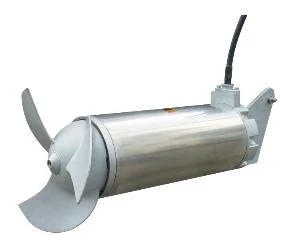
This is the second submersible mixer build. Like the first, it is a mechanical device used to mix sludge tanks and other liquid volumes in sewage treatment, and it adds no air to the contents.
It is specified where tank volume, depth or solids content need more thrust than the smaller build provides, or where two units are used to set up a flow pattern in a long tank.
Key Benefits
Larger tanks and heavier solids need more movement than a small mixer can deliver.
One correctly sized mixer is usually simpler to install and maintain than two undersized ones.
Mixing only, so anoxic and balancing stages stay as the process design intends.
Guide rails, brackets and lifting arrangements follow the same approach as the smaller build.
Application Scenarios
Keeping a big volume homogeneous before dewatering or transfer.
Maintaining movement where depth makes a small mixer ineffective.
Two units arranged to create a circulating flow along the tank.
Correct thrust for the volume is what prevents settled corners, not simply adding machines.
Higher thrust keeps denser material in suspension between transfers.
Sizing and positioning together create a circulation that reaches the whole length.
Technical Features
Specifications
Selection follows tank volume, depth, geometry and solids content. Send a tank sketch with the enquiry.
Materials And Process
| Submersible mixer | The same function in a smaller build. Selection follows tank volume, depth and solids. |
|---|---|
| Submersible aerator | An aerator adds air. If the process stage must stay anoxic, use a mixer. |
Use Guide
Length, width, depth and the position of inlets and outlets determine the flow pattern.
One correctly sized unit beats two undersized ones in most rectangular tanks.
Angle the units so the circulation sweeps the floor rather than the surface.
Check for settled areas after a few weeks and adjust orientation before adding machines.
Answers
It is the larger build in the same range, for tanks where more thrust is needed to move the whole volume.
No. It is a mixer, so it moves the contents without adding air.
Yes, and in long rectangular tanks that is often how a circulating pattern is set up.
Tank dimensions, minimum operating level, solids content and the position of inlets and outlets.
Yes with guide rails and a lifting arrangement specified at the order stage.
Related Equipment
The rest of the basin equipment range.
Submersible Aerators And Mixers
Mechanical mixer for sludge tanks and other liquid volumes.
View specifications →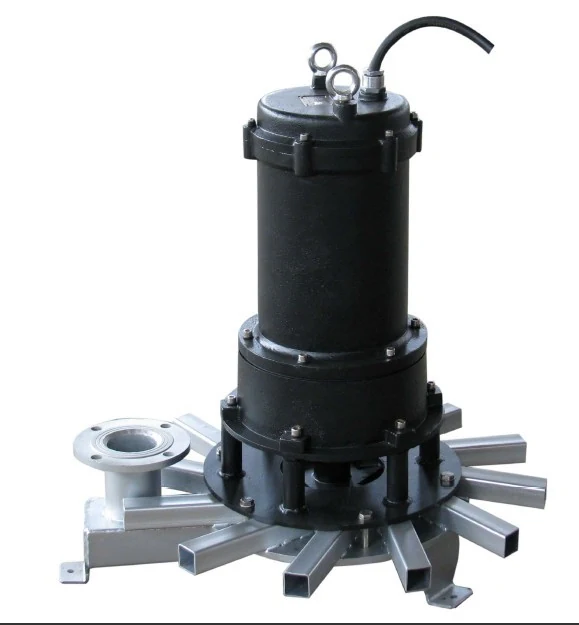
Submersible Aerators And Mixers
Self priming aerator combining pump blower and gas liquid mixer.
View specifications →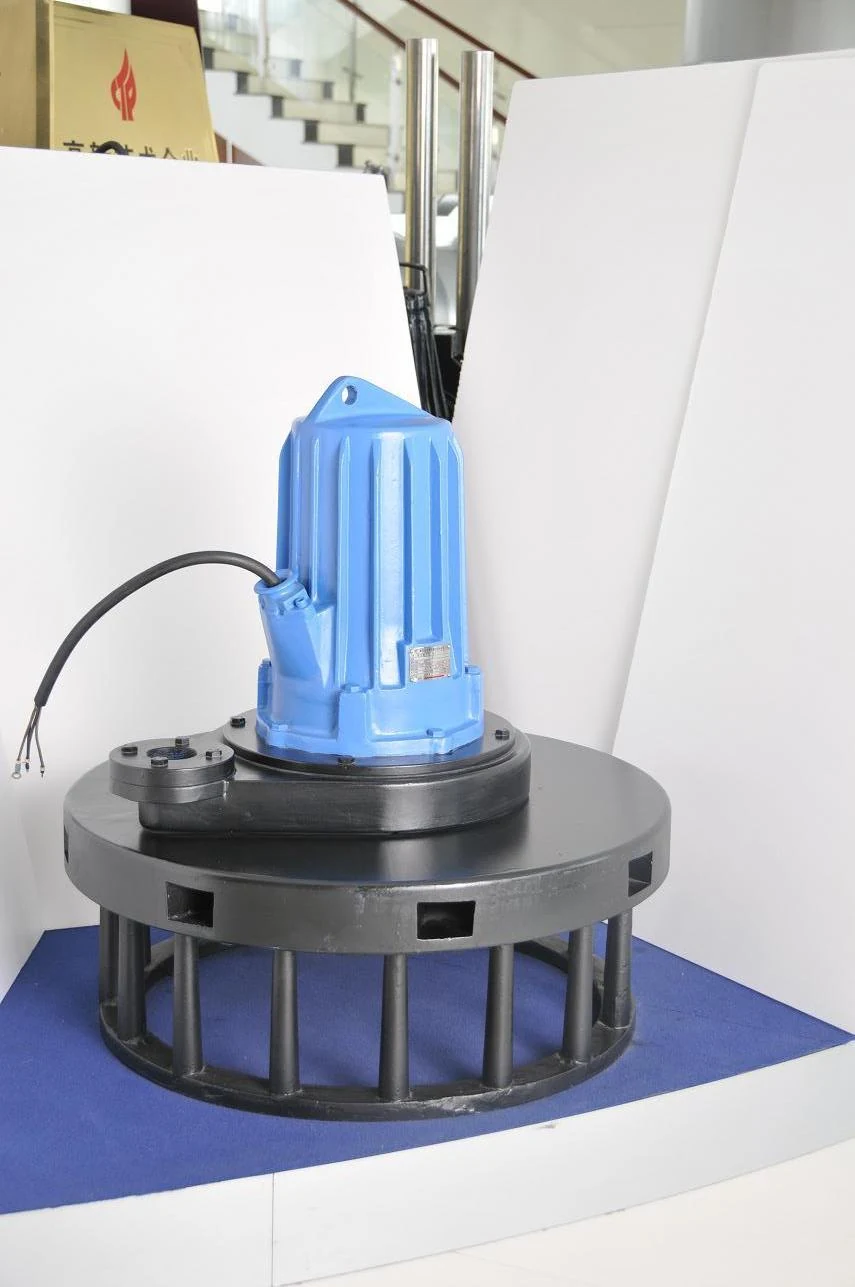
Submersible Aerators And Mixers
Self priming aerator for oxygen transfer and mixing in basins.
View specifications →
Rubber Lobe Pumps
The rubber lobe pump specified for sludge handling duty.
View specifications →Keep Reading
Send a tank sketch with dimensions and solids content and we will size the mixer and its position.