
Power Meter and OTDR Testing Basics
Two instruments that answer different questions, why you need both, and what to write down so the result means something later.
In This Guide
Two Instruments Two Questions
A light source and power meter pair answers how much loss the whole link has, which is what a link budget is about. An OTDR answers where the loss is, by sending a pulse and timing what comes back. Certification normally wants the first; fault-finding normally wants the second.
Browse our Test Equipment range
Setting A Reference Properly
A power meter reading is relative to the reference you set. Use the same cords for the reference as for the measurement, and record which reference method you used, because one-cord, two-cord and three-cord methods include different numbers of connector pairs and produce different numbers for the same link.
Clean Everything In The Test Path
Every connector in the setup, including the instrument ports and the reference cords. A contaminated reference cord quietly corrupts every measurement taken against it, and the results will look plausible and be wrong.
Browse our Fiber Cleaning Tool range
Reading An OTDR Trace
Events appear as steps for splices and connectors, spikes for reflective events, and slope for fiber attenuation. The instrument cannot see events inside its dead zone near the launch, which is why a launch cord is used. A trace without a launch cord hides the first connector, which is often the faulty one.
Check Whether The Fiber Is Live First
Before disconnecting anything, use a fiber identifier. Records are frequently wrong, and cutting a live fiber because the label said it was spare is an expensive way to discover that. Identification takes seconds and the check is non-intrusive.
Browse our Test Equipment range
Fusion Splice Loss Estimates
A splicer's own loss estimate is an estimate from image analysis, not a measurement. It is a good indicator of splice quality on the day, but certification still needs an end-to-end loss measurement across the finished link.
Browse our Various Pigtail range
Write Down The Conditions
Wavelength, reference method, cord types, direction and date. A bare number cannot be compared against anything in two years' time, and comparison is the whole reason for recording it.
Questions This Guide Gets Asked
Do I need both a power meter and an OTDR?
For most work, yes. The power meter gives you the total loss the link budget cares about. The OTDR tells you where a problem is when there is one.
Why do my two directions measure differently?
Some events, particularly core-size mismatches and certain splices, are directional. Measuring both ways is normal practice and the difference itself is diagnostic information.
What is a launch cord for?
To move the first connector out of the OTDR's dead zone so it can actually be seen. Without one, the first connector, often the one at fault, is invisible on the trace.
Is a splicer's loss estimate good enough for certification?
No. It is an image-based estimate useful for judging splice quality as you work. Certification needs an end-to-end measurement with a recorded reference method.
Ranges Covered In This Guide
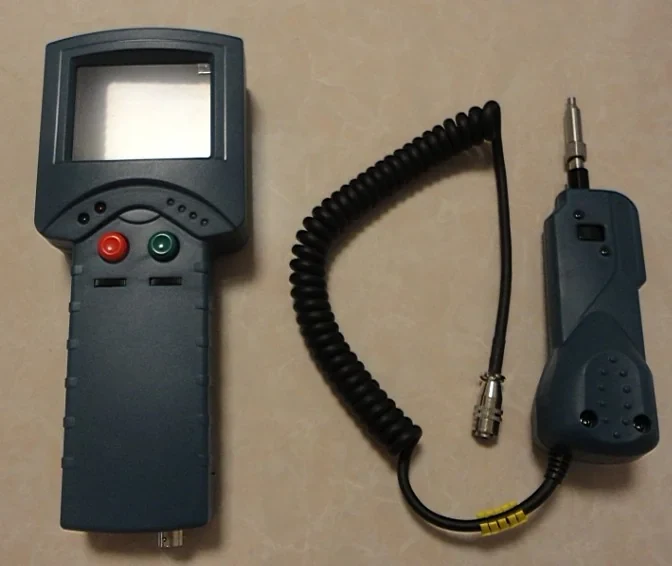
Test Equipment
Splicers, meters, identifiers and inspection tools for people who have to prove the link works
15 products
Fiber Cleaning Tool
The cheapest fix for the most common cause of optical loss
3 products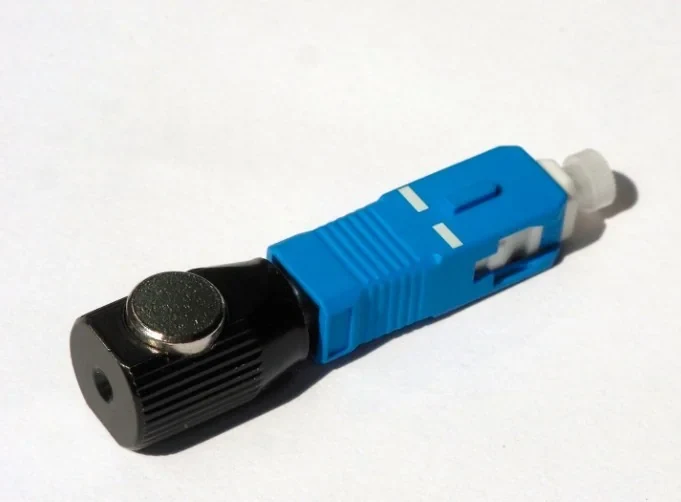
Bare Adapter
Temporary connections to unterminated fiber for test and splice verification
7 products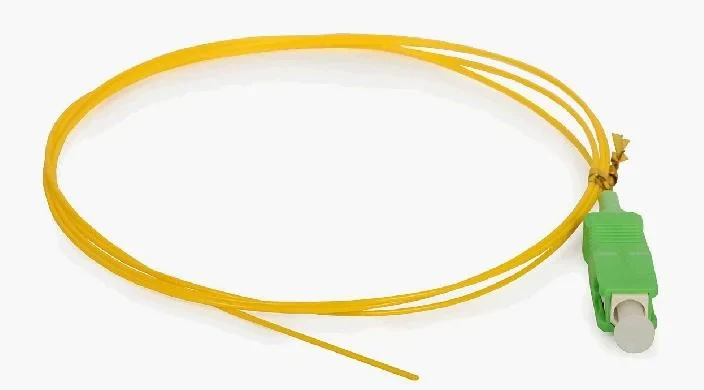
Various Pigtail
Pre-terminated tails that put the factory end face inside your splice tray
12 productsIndustries and Solutions
Have A Specification To Check
Send the part, the drawing or the link budget. We will confirm what fits before you commit to an order.