
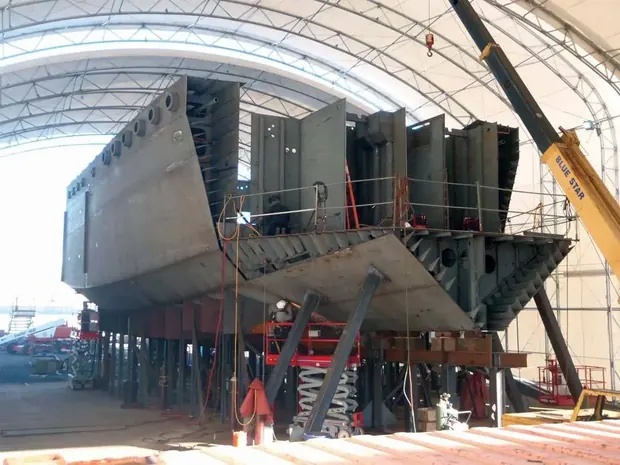
Shipbuilding Steel Sheet A D E F 32 36 40
Hull and offshore plate in normal and higher strength grades with flatness and weldability
SpecificationsIndustries
Solutions
Resources
Company
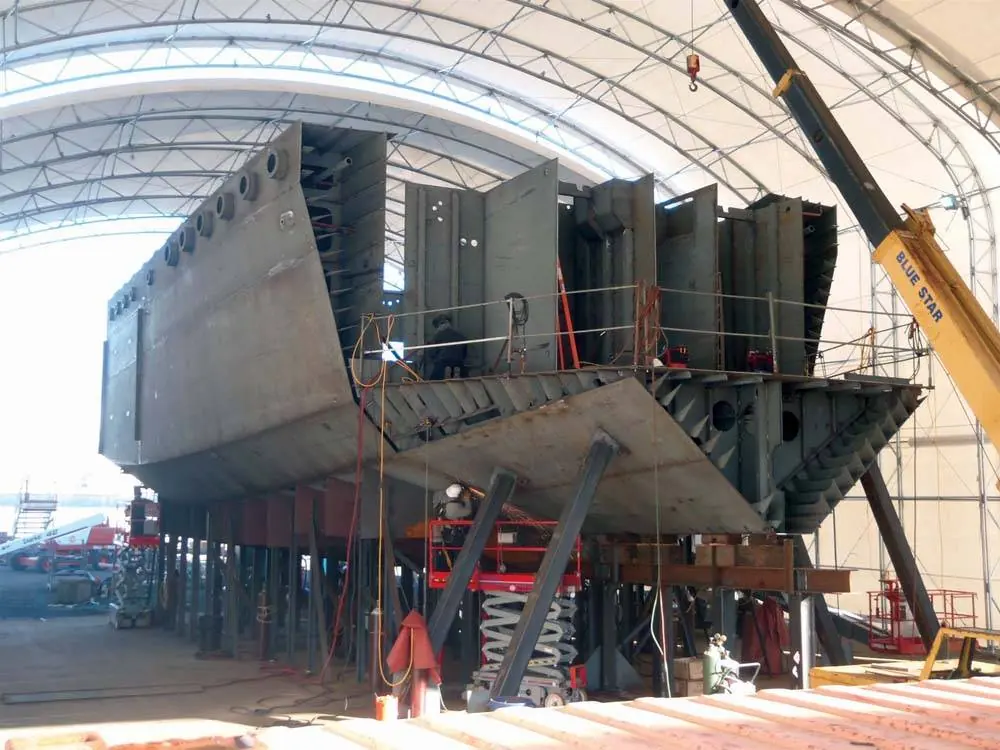
A shipyard buys plate against a cutting nest and a build sequence, so the two things that matter most are the grade designation the surveyor will accept and the flatness the plasma table will tolerate.
A shipyard buys plate against a cutting nest and a build sequence, so the two things that matter most are the grade designation the surveyor will accept and the flatness the plasma table will tolerate. Hull and cabin structures run on shipbuilding grades A D E and F with the 32 36 and 40 strength levels, superstructure and deck work pulls in high strength plate, and the piping and outfitting packages bring in seamless carbon pipe and stainless pipe for seawater and sanitary lines. When plate arrives in the wrong strength level, or the mill test certificate names a grade the surveyor has not been told about, blocks cannot be released and the whole berth schedule moves. Tianyu Metal supplies ship plate and marine piping cut to your list with the certificate issued against the grade actually ordered.
The letter A D E or F sets the impact toughness and the number 32 36 or 40 sets the strength level. Ordering on one and receiving the other puts non conforming plate into a block that is already tacked.
Thin plate in wide sheet is exactly what cabin structures need, and it is also the plate most likely to arrive bowed. Poor flatness means shimming re levelling and lost table time before a single part is cut.
Surveyors record the heat against the block. A certificate that turns up after erection means chasing traceability backwards through a structure that is already welded shut.
Ballast seawater and sanitary lines pitted through in service because carbon pipe was substituted for stainless. Replacement work in a finished engine room costs far more than the original material difference.
Full plates bought for small brackets and face plates leave remnants that a small vessel yard has nowhere to store and no later job to consume.
When plate for several blocks arrives in one unmarked bundle the crew sorts steel instead of welding it, and the first block waits for parts buried at the bottom of the stack.
Hull and offshore plate in normal and higher strength grades with flatness and weldability
SpecificationsHull and offshore structural sheet in grades A D E F and strength levels 32 36 40
Specifications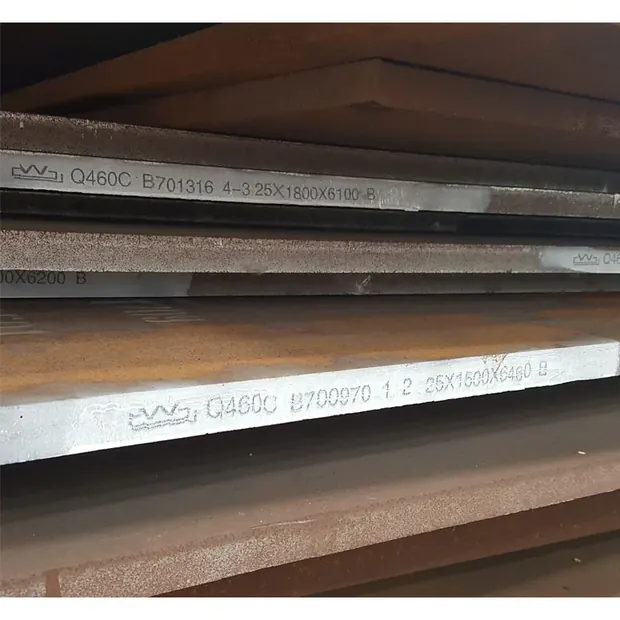
The first step up from ordinary structural plate at a 460 MPa minimum yield
Specifications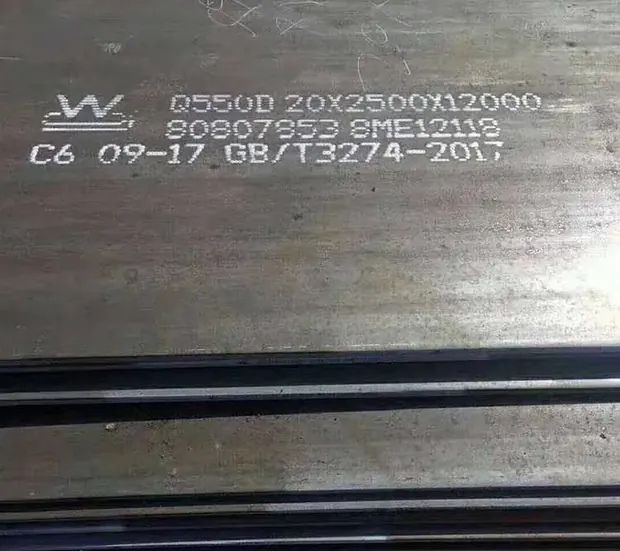
550 MPa structural plate for boilers pressure equipment and heavy welded frames
Specifications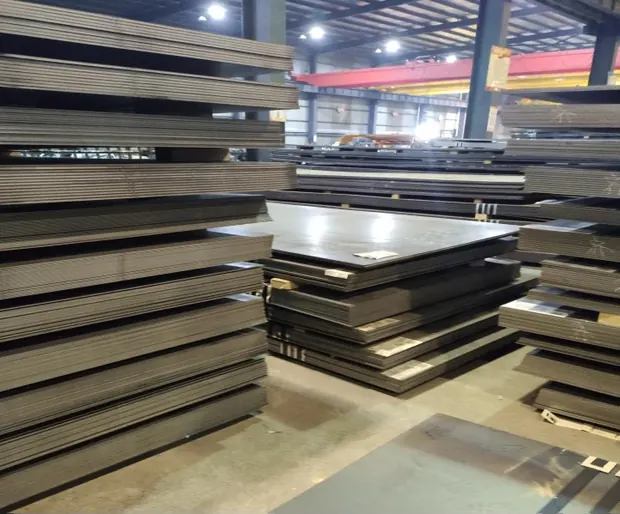
Quenched and tempered 690 MPa plate for boom arms lifting frames and welded structures
Specifications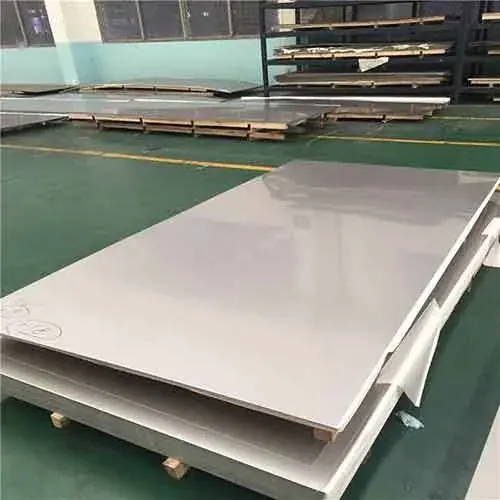
Seven stock grades six surface finishes and two standard sheet sizes from one order
Specifications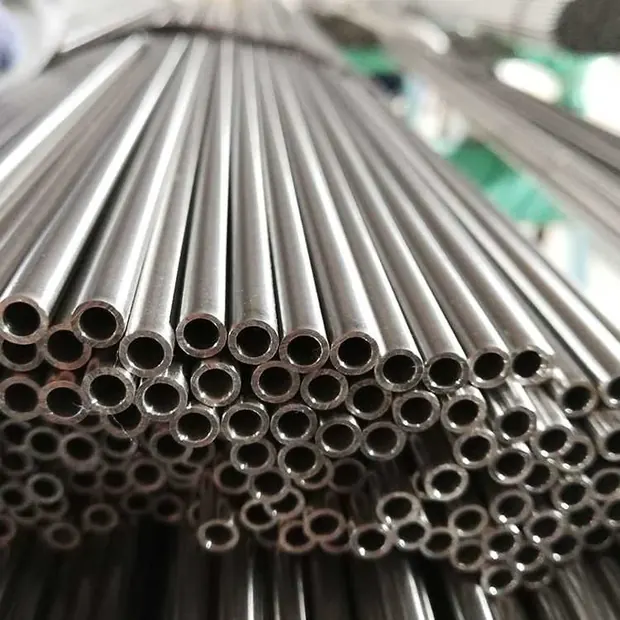
Hollow bar drawn pipe in austenitic duplex and ferritic grades cut to your size
Specifications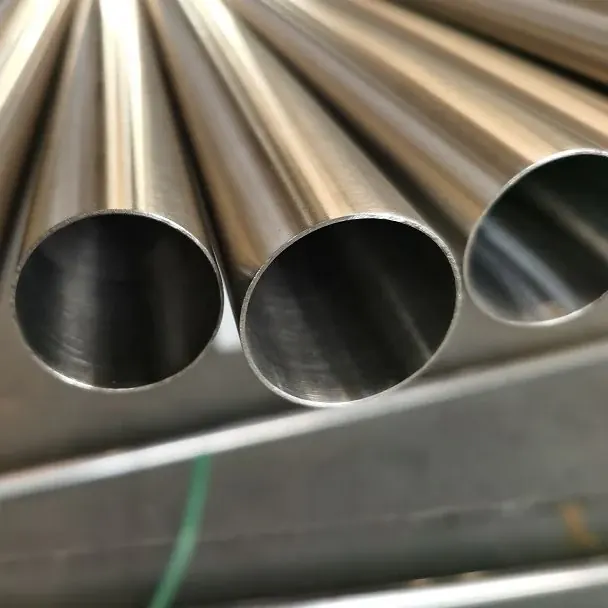
Longitudinally welded round pipe for fluid lines handrails and process pipework
SpecificationsShipbuilding grades used for cabin structures on cruise ships, where particularly thin plate is supplied in large widths and the flatness and weldability decide how the panel line runs.
Thermomechanically rolled high strength ship plate used in the offshore sector for deck superstructures on platforms and for special ships serving the oil and gas industry.
Hull plate cut to the nesting plan for barges tugs fishing boats and workboats, so a yard without a plate store receives parts rather than stock.
Seamless carbon pipe for fuel and hydraulic lines and stainless seamless and welded pipe in TP304 TP316 and TP316L for seawater ballast and sanitary systems.
Galvanized seamless and welded pipe for handrails stanchions and walkway frames, and stainless sheet in 2-100mm for galley and fitting out work.
Insert plates and doubler plates cut to a surveyor approved repair drawing so a vessel in dock is not waiting on a full plate order.
Tell us which classification society designation your surveyor works to and which grade and strength level the drawing calls for. The grade goes on the order exactly as your surveyor expects to see it on the certificate.
Thickness is confirmed against the structural drawing, with thin wide plate for cabin and panel work and heavier plate for bottom and deck structure. High strength alternatives in S460 S550 and S690 are proposed where the drawing allows a lighter section.
Send the nesting plan or the part list. Processing covers cutting bending decoiling welding and punching, so brackets face plates and insert plates arrive at finished dimensions.
The mill test certificate is issued per heat against the ordered grade. Dimensions surface condition and marking are checked before bundling so the surveyor can tie plate marking to certificate at receipt.
Parts are marked and bundled by block or assembly number from your list so the yard opens one bundle per block instead of sorting a mixed stack.
Plate bundles get edge protection, pipe is bundled with end protection, and the load is arranged by container or break bulk depending on plate length. Certificates and shipping documents are released together.
Marine grade plate for hull cabin and offshore structures where flatness and weldability decide panel line output
Read more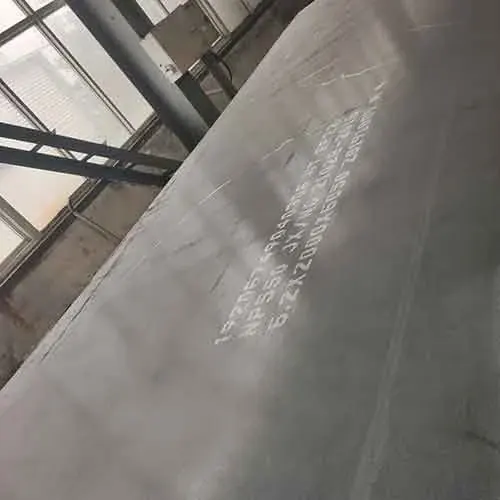
The flat plate program spanning mild structural plate through to armor wear and shipbuilding grades
Read more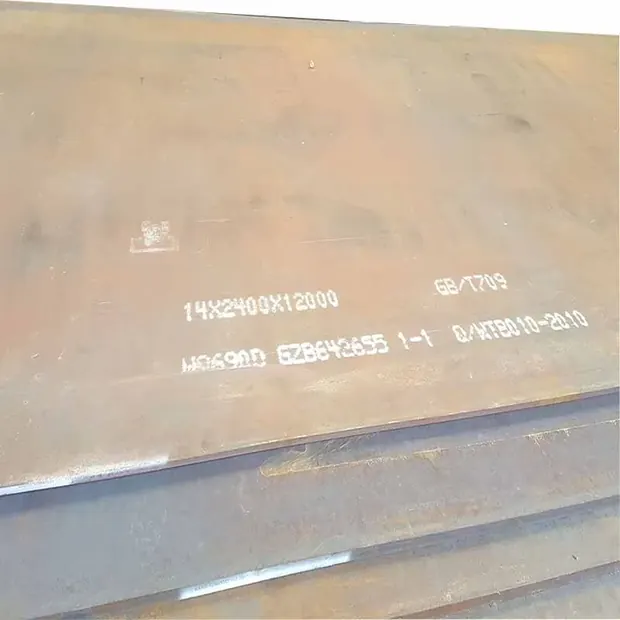
Alloy plate grades for weathering structures high yield fabrication and tooling where plain carbon plate runs out of per
Read more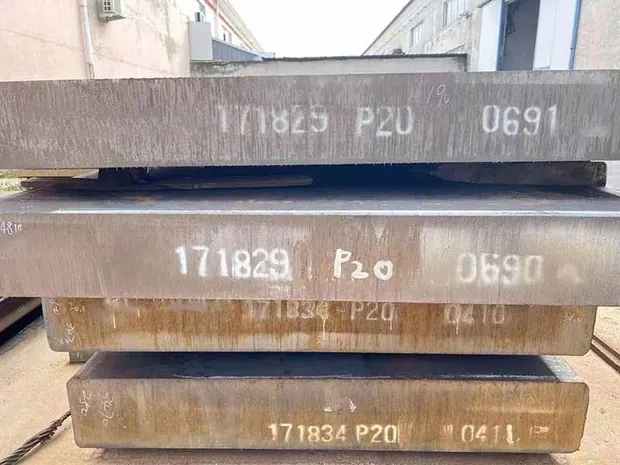
A purchasing engineer rarely gets a free choice of grade. The drawing names one designation, the material that is actual
Read more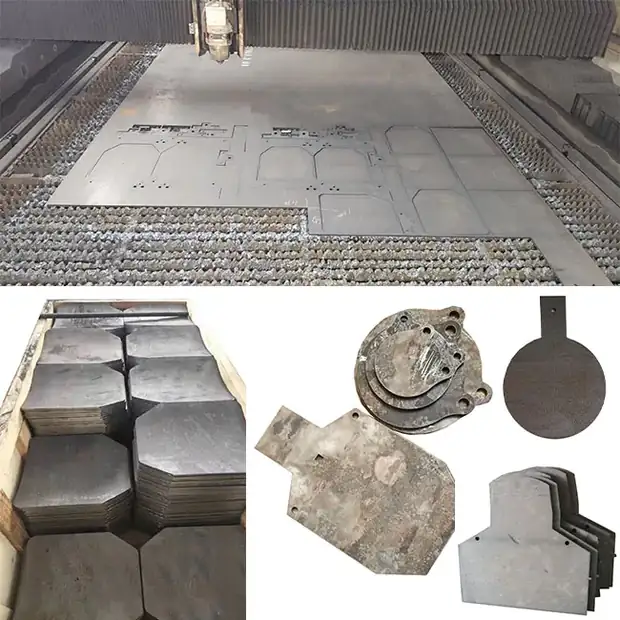
Buying full plates to make small panels means paying freight on offcuts and storing them afterwards. Tianyu Metal proces
Read moreHull plate is the shell bottom deck bulkhead and superstructure material for workboats tugs barges pontoons fishing vess
Read moreShipbuilding steel sheet is supplied in grades A D E and F with the 32 36 and 40 strength levels. Confirm the designation your classification surveyor expects at enquiry stage so the order and the certificate carry the same wording.
Yes. Cabin structures on cruise ships are exactly where particularly thin plate in large widths is used, and those sheets are chosen for flatness and weldability so the panel line and the cutting table both behave.
High strength structural plate is used for large ships bridges power station equipment pressure vessels lifting machinery and other large welded structural components. S460 S550 and S690 carry minimum yield strengths of 460 550 and 690 MPa, which allows a thinner section where the drawing permits it.
Stainless seamless and welded pipe in TP304 TP304L TP316 TP316L TP316Ti and TP321 to ASTM A312 EN10216-5 and JIS G3463. Stainless contains a minimum of approximately 11 percent chromium, which is what keeps the line from rusting through in a wet compartment.
Yes. Send the nesting plan or the part list and the plate is cut bent and punched to finished size, which suits repair yards and small vessel yards that have no room to store full plates.
A mill test certificate is issued per heat against the ordered grade. ISO9001 BV SGS and RoHS certifications are held at company level. Ask for the mill test certificate with the quotation so your surveyor knows what will arrive.
Shipbuilding grades stated as A D E or F together with the 32 36 or 40 strength level on both order and certificate Send that with the sizes and quantity and we will confirm availability and what the certificate covers.