
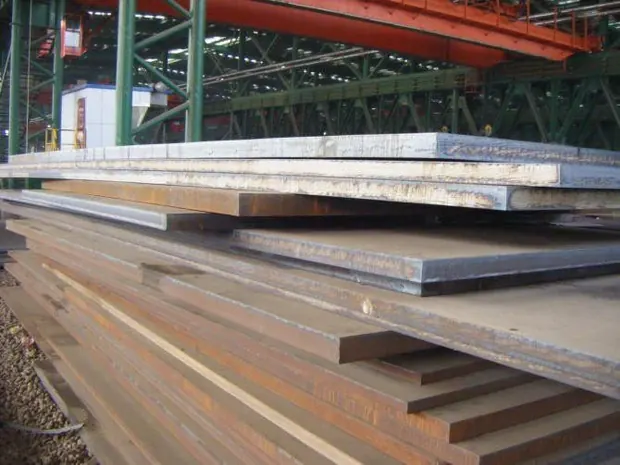
Armor & ballistic steel plate
Quenched and tempered armor plate cut on laser and water jet to your protection drawing
SpecificationsIndustries
Solutions
Resources
Company

Ballistic steel plate is the hard skin on money transport vehicles riot vehicles armored personnel carriers and combat vehicles.
Ballistic steel plate is the hard skin on money transport vehicles riot vehicles armored personnel carriers and combat vehicles, and the same plate goes into armor doors armor walls ballistic windows frames bank counters confidential safes and shooting targets. In a vehicle armoring workshop it is cut into door skins floor pans roof panels wheel arch sections and B pillar inserts, then fitted inside or over the original body. The plate is quenched and tempered to a hardness of 500-600 HBW so that it deforms or breaks up an incoming projectile instead of being punched through. Thickness runs from 2.3mm to 100mm, and a vehicle build usually sits at the thin end of that range because every added millimeter is weight the suspension has to carry.
The trap in vehicle armoring is treating ballistic plate as a thicker version of structural plate. It is not: yield strength is 1250 MPa and tensile strength is 1600 MPa, and the hardness of ballistic steel is typically 500-600 HBW where structural steel may only be half of that. As hardness rises the ballistic performance of the same thickness improves and the ease of folding welding and cutting falls, which is why all fixing holes and cutting to size have to be performed on a laser machine or a water jet rather than in the workshop. The other failure is buying a protection level without naming the threat behind it, because a plate that is right for a handgun threat and a plate that stops a rifle round are different orders.
Drilling or flame cutting hardened armor plate damages it around the cut. All fixing holes and cutting to size have to be done on a laser machine or a water jet, which means the hole pattern must be fixed on the drawing before the plate ships.
FB4+ FB5 FB6 FB7 NIJ IIIA NIJ III NIJ IV STANAG 4569 Level 1 and Level 2 and GA-3 through GA-6 all describe different things. The order needs the level the vehicle is being built to, not a general reference to bulletproof steel.
Every extra millimeter across a door skin roof panel and floor pan adds mass on a chassis that was never designed for it. Thickness is selected panel by panel from 2.3mm upward rather than set once for the whole vehicle.
The higher the hardness of the plate the higher the price, and the harder it is to fold weld and cut. Paying for hardness on a panel that does not face the threat direction adds cost and fabrication difficulty for nothing.
A panel is only as good as its joint. Where the design is finalized on the drawing the panels arrive cut to match, and the overlaps and bolt lines do not have to be improvised around a plate that is too hard to trim.
Protection level is available across FB4+ FB5 FB6 FB7 NIJ IIIA NIJ III NIJ IV STANAG 4569 Level 1 and Level 2 and GA-3 GA-4 GA-5 and GA-6. The stated capability of the plate is that it can stop AK47 NATO 5.56 x 45 NATO 7.62 x 51 and M80, and the level you build to decides everything downstream.
Thickness is supplied from 2.3mm to 100mm. Work outward from the threat direction, keeping the heavier section on the panels that face it and the thinner section where the original body already contributes.
Hardness is 500-600 HBW in quenched and tempered condition, with yield strength of 1250 MPa and tensile strength of 1600 MPa. As hardness rises the ballistic performance of the same thickness improves, and so does the price and the difficulty of fabrication.
Because all fixing holes and cutting to size are performed on a laser machine or a water jet, the panel outlines bolt holes and cut outs belong on the drawing sent with the enquiry rather than being added at the workshop.
The plate is available as Armox 500 type, Armor 500 550, NP550 and PRO500, and as rolled homogeneous armour plate. Quoting the designation you have already built and tested to is faster than describing the requirement from first principles.
The certificate supplied with ballistic plate is a test report. Give the destination port and the end use with the enquiry so the paperwork required for that destination can be checked before the order is confirmed.
| Armox 500 Type Bulletproof Steel Plate | Use when: General vehicle armoring panels where a well known 500 class plate is already written into the build specification. Trade-off: A widely recognized reference point at 500-600 HBW, and like every hardened plate it has to be laser or water jet cut rather than worked in the shop. |
|---|---|
| Armor 500 550 Steel Plate | Use when: Where a step above the 500 class is wanted on the panels facing the threat without going to a full thickness increase. Trade-off: Higher hardness improves ballistic performance at the same thickness, and raises the price and reduces the ease of folding and cutting. |
| NP550 PRO500 Bulletproof Steel Plate | Use when: Vehicle panels shooting targets and armor car work where these designations are the accepted reference in your market. Trade-off: Supplied quenched and tempered at 500-600 HBW from 2 to 100mm, so the same fabrication constraints apply as the other hardened grades. |
| Rolled Homogeneous Armour Steel Plate | Use when: Armor doors armor walls hull and body sections and explosion resistant projects where a homogeneous plate is specified rather than a proprietary brand grade. Trade-off: Available from 2.3mm to 100mm quenched and tempered, and the protection level still has to be named because the designation alone does not fix it. |
| Bulletproof Steel Sheet and Ballistic Steel Plate | Use when: Armor walls bank counters confidential safes and fixed installations built alongside a vehicle program. Trade-off: Same hardness and thickness family as the vehicle plate, with no weight constraint to fight, so thickness can be used instead of hardness. |
Quenched and tempered armor plate cut on laser and water jet to your protection drawing
Specifications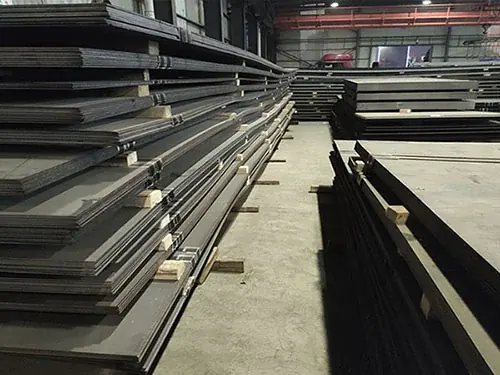
A 500 class ballistic plate supplied cut to panel size for vehicle and building armoring
Specifications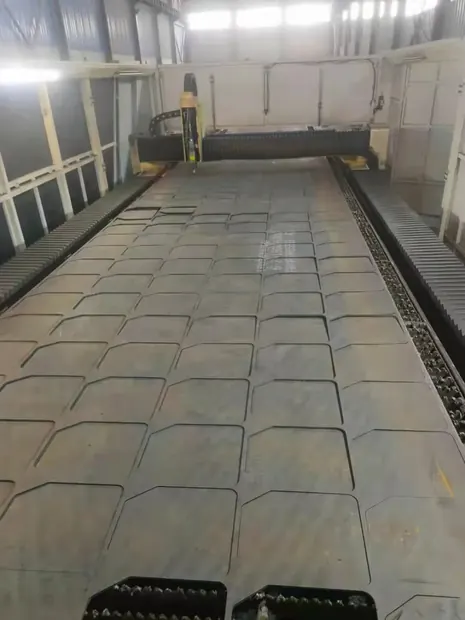
Two hardness classes from one stock so each zone gets the level it actually needs
Specifications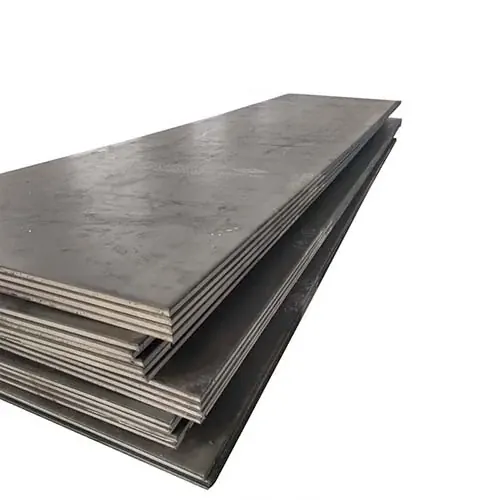
High hardness ballistic plate for shooting targets armor plate and armored vehicle work
Specifications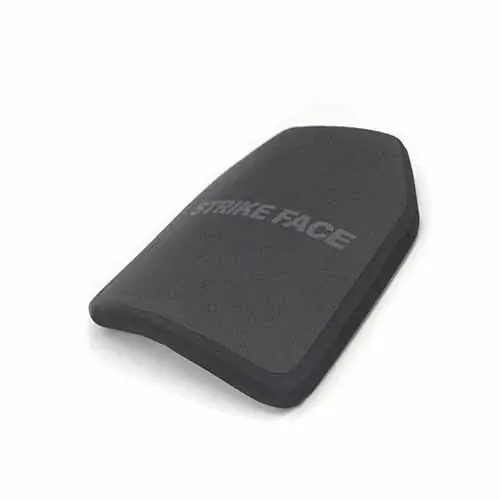
Ballistic plate and hard armor inserts for armored vehicles protective structures and body armor carriers
Read more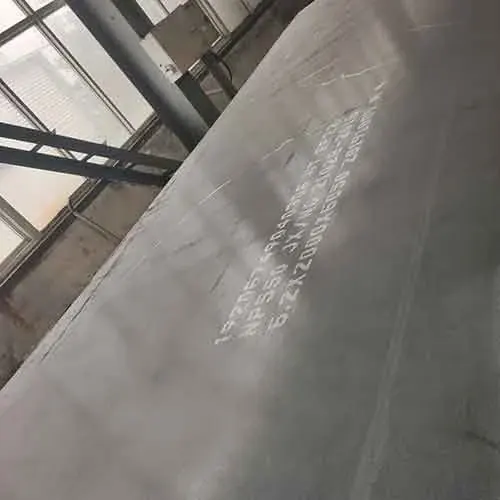
The flat plate program spanning mild structural plate through to armor wear and shipbuilding grades
Read more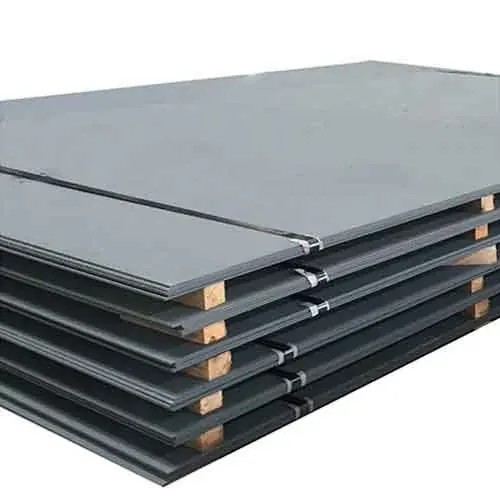
The abrasion resistant branch of the steel plate range for chutes liners buckets and crusher wear parts
Read more
Vehicle armouring shops, security equipment makers and cash in transit builders buy armour steel against a protection le
Read moreThickness is supplied from 2.3mm to 100mm. It is set panel by panel from the threat direction and the protection level rather than once for the whole vehicle, because every millimeter across a door skin roof and floor pan is weight on a chassis that was not designed for it.
No. As the hardness of the plate increases the ease of folding welding and cutting decreases, so all fixing holes and cutting to size have to be performed on a laser machine or a water jet. Put the hole pattern and the panel outline on the drawing and the parts ship ready to fit.
FB4+ FB5 FB6 FB7 NIJ IIIA NIJ III NIJ IV STANAG 4569 Level 1 and Level 2 and GA-3 GA-4 GA-5 and GA-6. The plate is stated to stop AK47 NATO 5.56 x 45 NATO 7.62 x 51 and M80. Name the level on the purchase order so the test report matches your build record.
The hardness rating is 500-600 Brinell, typically quoted as 500-600 HBW, where structural steel may only be half of that. Yield strength is 1250 MPa and tensile strength is 1600 MPa, which is what gives it multi hit capacity.
As hardness rises the ballistic performance of the same thickness improves, and so does the price and the difficulty of folding welding and cutting. On panels away from the threat direction a lower hardness or a thinner section is usually the better engineering and commercial answer.
A test report is issued for the ordered plate. Tell us the destination port and the end use with the enquiry so the shipping documentation for that destination can be checked before the order is confirmed.
Start with the panel drawing or cutting list with outlines hole positions and cut outs. With that plus the quantity and destination we can put real numbers against each grade.