
Shipbuilding Steel Sheet A D E F 32 36 40
Hull and offshore plate in normal and higher strength grades with flatness and weldability
SpecificationsIndustries
Solutions
Resources
Company
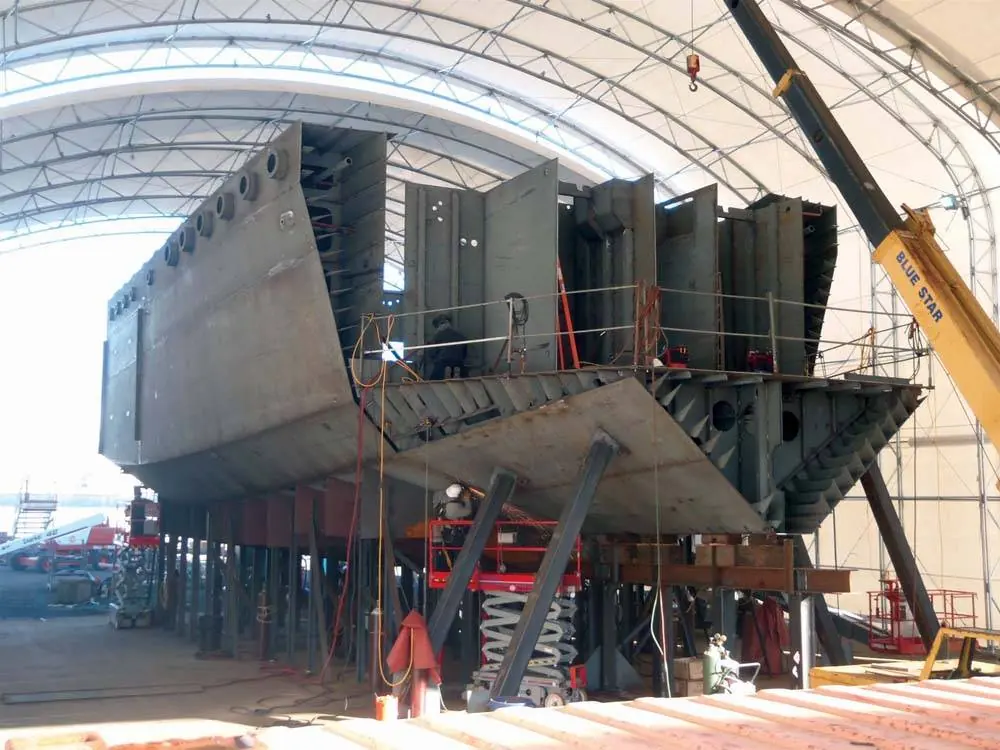

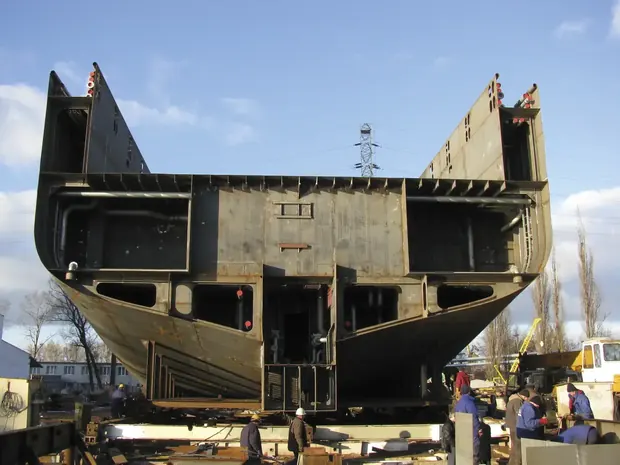
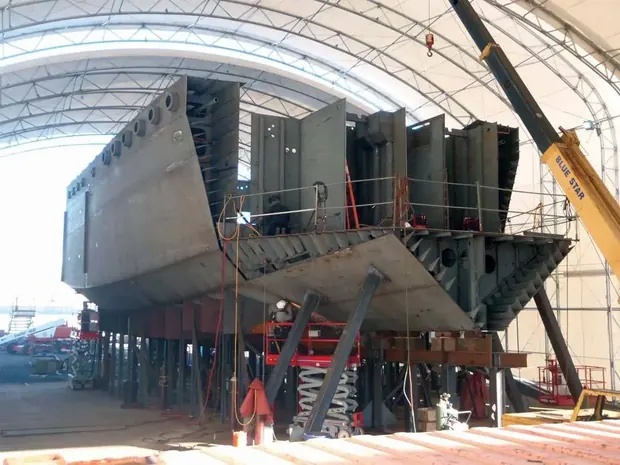
Hull and offshore structural sheet in grades A D E F and strength levels 32 36 40
Shipbuilding steel sheet is hull structural plate supplied in the normal strength grades A, D, E and F and in the higher strength levels 32, 36 and 40. It is specified by shipyards, barge builders and offshore fabrication shops that have to match a hull drawing grade by grade rather than substitute a general structural plate. Keeping the full grade ladder available in one place stops the common situation where a yard finds three grades in stock and waits on the fourth before the block can be assembled. Sheet is supplied cut to the nesting list so plates arrive ready for the panel line instead of as full plates that have to be profiled again.
Grades A, D, E and F sit alongside the 32, 36 and 40 strength levels, so a hull package that mixes grades between deck, shell and bottom structure comes from a single order.
The A, D, E and F designations step through increasing low temperature toughness requirements, so each part of the hull can take the grade the drawing calls for and no more.
The 32, 36 and 40 strength levels let a designer take thickness out of a member where the section is driven by strength rather than by stiffness or corrosion allowance.
Plates are cut before shipment so the yard receives pieces sized for the panel line rather than full plates that occupy cutting capacity on arrival.
Each plate is marked with its grade so a yard storing several grades side by side does not lose traceability in the plate yard.
Plates are bundled and edge protected for container or break bulk loading to Southeast Asia, South America and Africa.
A block cannot close when three of four grades are on site. Carrying A, D, E and F together with 32, 36 and 40 means the package is quoted as a set rather than as separate hunts.
Ordinary structural plate is sometimes offered in place of a hull grade and then fails the survey. Supplying against the stated hull grade keeps the substitution question out of the build.
Profiling full plates on arrival ties up the yard cutting line. Plates cut to the nesting list before shipment release that capacity for hull work.
Several hull grades stored together look identical. Plate marking carried through packing keeps each piece identifiable at the point of use.
Shell strakes, bottom plating and bilge plating where the drawing calls out a specific normal or higher strength grade for each area.
Main deck, tween deck and transverse bulkhead panels built up on the yard panel line from pre cut sheet.
Flat bottom barges, pontoons and small workboats where the whole structure is built from a short list of hull grades.
Deck sections, caisson plating and support structure for offshore units where higher strength levels reduce fabricated weight.
Insert plates and renewal sections cut to a survey sketch where the replacement steel has to match the original hull grade.
Hatch covers, deck houses and integral tanks built by subcontract workshops feeding a shipyard.
Values below come from the product data published by Shandong Tianyu Metal Products. Confirm the exact grade and size against your order.
| Product Name | Shipbuilding Steel Sheet A D E F 32 36 40 |
|---|---|
| Also Known As | Hull structural steel plate marine grade steel sheet |
| Normal Strength Grades | A, D, E, F |
| Higher Strength Levels | 32, 36, 40 |
| Product Form | Flat sheet and plate |
| Application | Shipbuilding and offshore structures |
| Size | Customized to your cutting list |
| Marking | Grade marked per plate |
| Place of Origin | China |
| Packing | Bundled and edge protected for export |
| General structural carbon steel plate | Hull grades are ordered by the A D E F and 32 36 40 designations that the hull drawing calls out, which a general structural plate does not carry. |
|---|---|
| Normal strength grade A plate | The 32, 36 and 40 strength levels allow thinner sections where the member is governed by strength, which takes weight out of the structure. |
| Buying full plates and nesting in house | Cut to list supply moves the profiling off the yard cutting line and removes the offcut you would otherwise pay to ship and store. |
Normal strength grades A, D, E and F together with the higher strength levels 32, 36 and 40. Tell us which grade each part of the structure calls for and the package is quoted as a set.
Yes. Send the cutting or nesting list with the order and plates are cut and marked before shipment so they arrive ready for the panel line.
Ask for the mill test certificate with the order. We confirm what documentation can be issued for the grade before the order is fixed so there is no surprise at survey.
We do not recommend it. Hull structure is surveyed against the grade on the drawing, so the plate should be ordered to the stated A D E F or 32 36 40 designation.
Each plate carries its grade marking and cut pieces are marked before packing, which keeps identity clear when several hull grades are stored together.
Insert and renewal plates for ship repair are a normal enquiry. Send the survey sketch with the grade and thickness and we will quote the cut pieces.
Plates are bundled with edge protection and loaded in containers or as break bulk depending on piece size, with bundles split by block where that helps the yard.
Hull and offshore plate in normal and higher strength grades with flatness and weldability
SpecificationsA shipyard buys plate against a cutting nest and a build sequence, so the two things that matter most are the grade designation th
Read more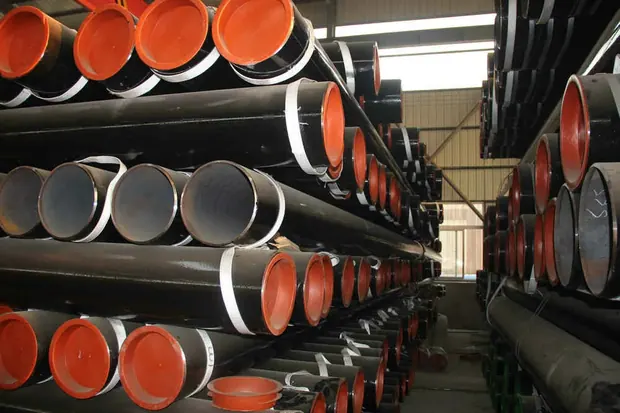
Pipeline and wellsite buyers are not really buying steel, they are buying a pressure boundary and the paperwork that proves it. Th
Read moreSend the grade, thickness, width and quantity you need together with your destination port. A cutting list or drawing gets you a firmer number.