
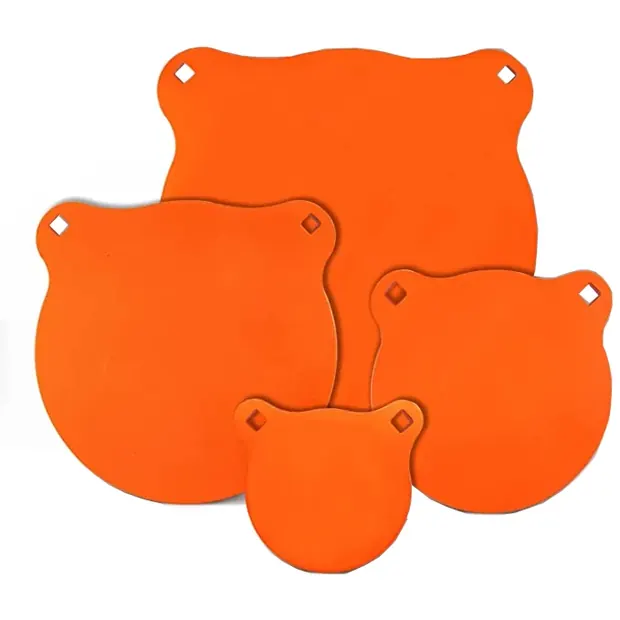
AR400 AR500 AR600 Steel Plate
Quenched and tempered wear plate for chutes liners buckets and crusher bodies
SpecificationsIndustries
Solutions
Resources
Company
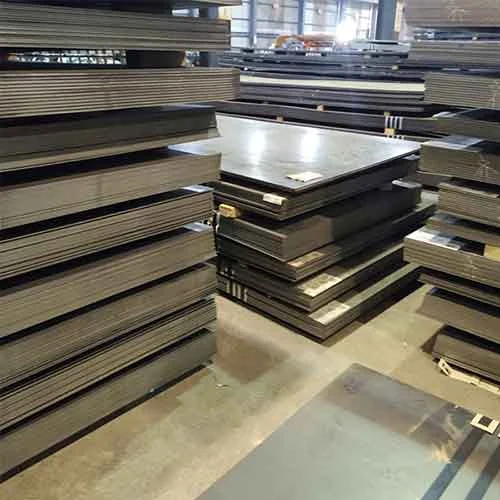
Mines quarries and bulk terminals buy steel to stand between abrasive material and the structure carrying it, so the order is usually wear plate for chutes liners and buckets.
Mines quarries and bulk terminals buy steel to stand between abrasive material and the structure carrying it, so the order is usually wear plate for chutes liners and buckets, high strength plate for booms and frames, and large diameter pipe for slurry and dewatering lines. Hardness is the number everyone quotes, but the panel also has to be cut bent welded and bolted into equipment that already exists. When a liner arrives in a softer grade than the one specified it wears through before the next planned shutdown, and when it arrives too hard to fold or drill the maintenance crew cannot fit it at all. Tianyu Metal supplies quenched and tempered wear plate and structural plate cut to the liner drawing with the mill test certificate issued against the ordered grade.
A chute panel that does not reach the planned stop forces an unplanned outage. The cost of the outage dwarfs the difference between a mild steel panel and a quenched and tempered one.
Putting the hardest grade across a whole structure raises cost and makes fabrication harder. The hard grade belongs in the impact zone and a lower grade carries the rest of the body.
High chromium cast iron resists sliding abrasion and then breaks when oversize rock arrives. A wear plate keeps a tougher substrate under the hard layer so the panel deforms instead of shattering.
Parts that will not take a weld or a bolt hole have to go back to a workshop. Wear plate can be cut bent welded plug welded and bolted, which is what lets a site crew fit replacements during the stop.
Sinter slag and hot clinker duties run above what a standard wear layer is rated for. The alloy wear layer is recommended at or below 600 degrees Celsius, and only a layer alloyed with vanadium and molybdenum is stated to take wear at or below 800 degrees Celsius.
A remote site orders full plates to make a handful of liner panels, then pays freight and storage on the remnant that no other job will consume.
Quenched and tempered wear plate for chutes liners buckets and crusher bodies
Specifications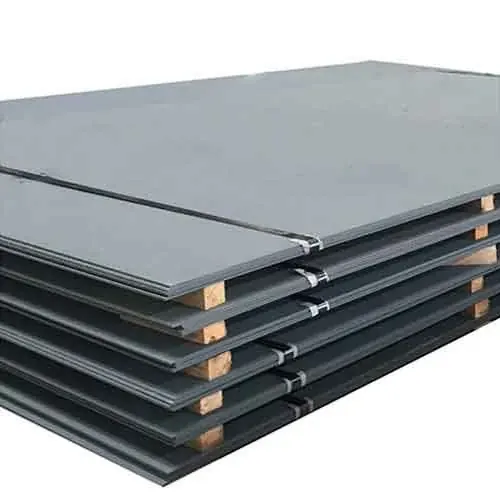
One plate supply covering AR NM XAR RAEX QUARD and FORA wear grades
Specifications
Hard alloy wear layer over a tough substrate cut to your liner drawing
Specifications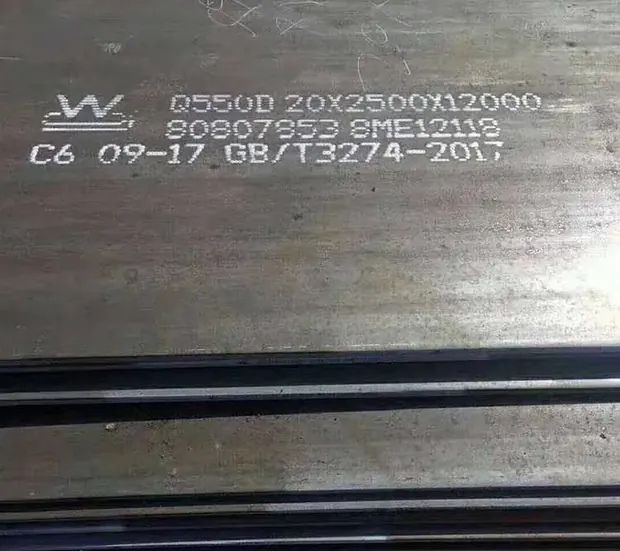
550 MPa structural plate for boilers pressure equipment and heavy welded frames
Specifications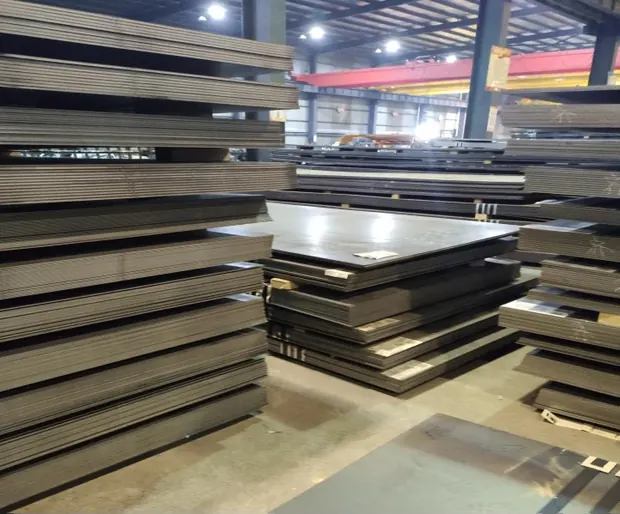
Quenched and tempered 690 MPa plate for boom arms lifting frames and welded structures
Specifications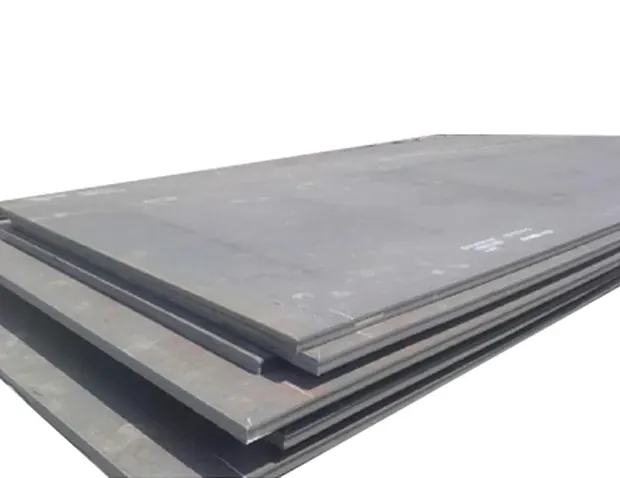
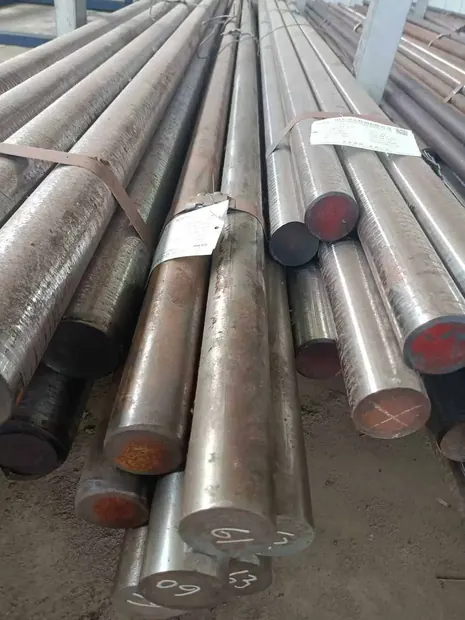
Nitrogen hardening chromium aluminium molybdenum bar from 5mm to 500mm diameter
Specifications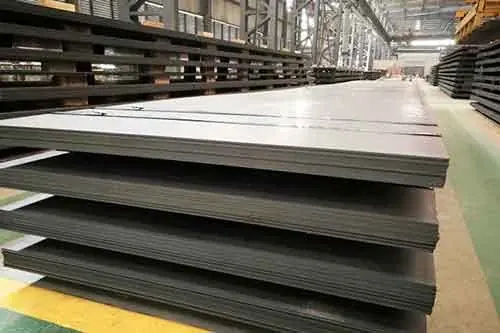
Heat treatable chrome moly plate cut to blank size for stressed machined parts
SpecificationsLiner panels for chutes hoppers and feed boxes in coal cement and mineral plants, where fine abrasive material cuts straight through mild steel.
Feed boxes deck plates and screen frames in quarry and aggregate plants taking continuous impact from falling rock.
Bucket floors side plates cutting edges and bulldozer mouldboards rebuilt in wear plate rather than replaced as complete assemblies.
Skirt plate impact beds and stacker reclaimer bodies built from mild steel plate and coil with wear plate only in the zones that see material contact.
Spiral submerged arc welded pipe from 219.1mm to 3048mm outside diameter with 4mm to 30mm wall for low pressure water lines around the plant.
41CrAlMo7 1.8509 nitriding steel bar in 5-500mm diameter and 42CrMo4 alloy plate for gears shafts and high load machinery components.
Describe the feed material lump size drop height and service temperature. We match the hardness grade to the zone rather than to the whole structure, and confirm where AR400 is enough and where AR500 or a harder grade earns its cost.
Thickness is fixed inside the 2-100mm range against the existing structure so replacement panels drop into the same fixings. High strength S550 or S690 plate is proposed separately where the duty is load rather than wear.
The quotation states grade thickness panel size surface condition and the processing included. Samples are available where you want to trial a grade in one chute before committing the whole plant.
Processing covers cutting bending decoiling welding and punching, so panels arrive folded to the chute profile with bolt and plug weld holes already made.
The mill test certificate is issued against the ordered grade. Panel dimensions are verified against the cutting list and the surface is checked as natural or painted before packing.
Panels are bundled by chute or by equipment number with edge protection so the site crew can take one bundle per work front into the shutdown.
Loading is arranged by container or break bulk according to panel size, with the certificate and shipping documents released together.
The abrasion resistant branch of the steel plate range for chutes liners buckets and crusher wear parts
Read more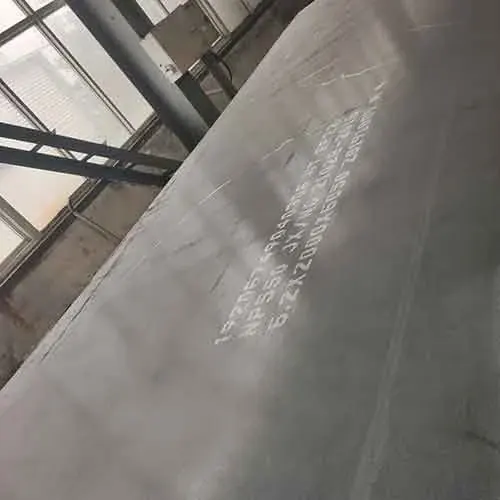
The flat plate program spanning mild structural plate through to armor wear and shipbuilding grades
Read more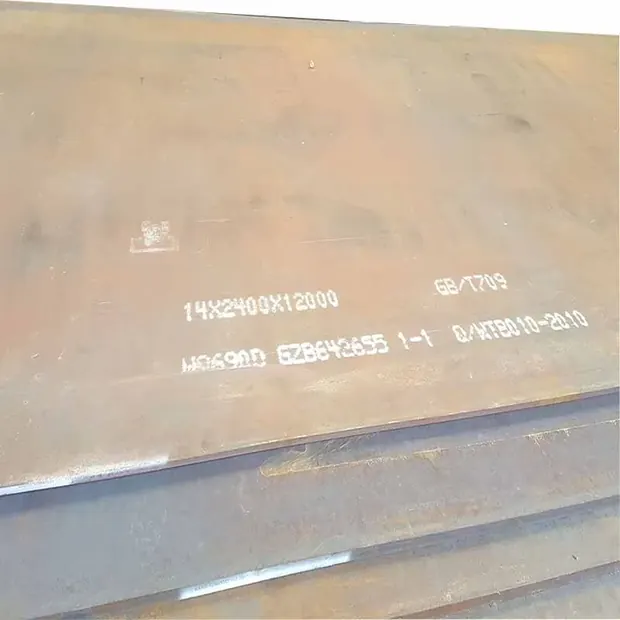
Alloy plate grades for weathering structures high yield fabrication and tooling where plain carbon plate runs out of per
Read more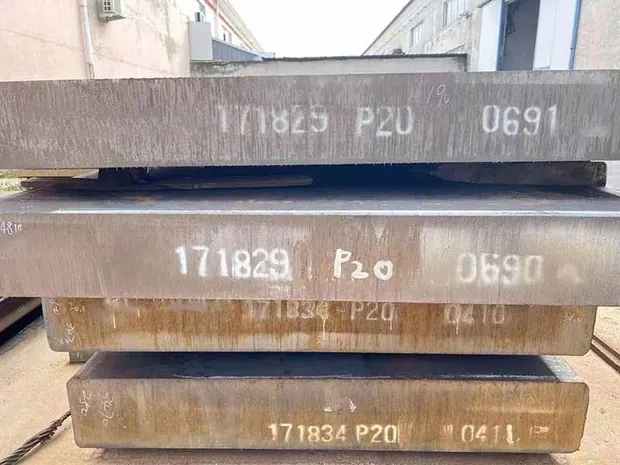
A purchasing engineer rarely gets a free choice of grade. The drawing names one designation, the material that is actual
Read more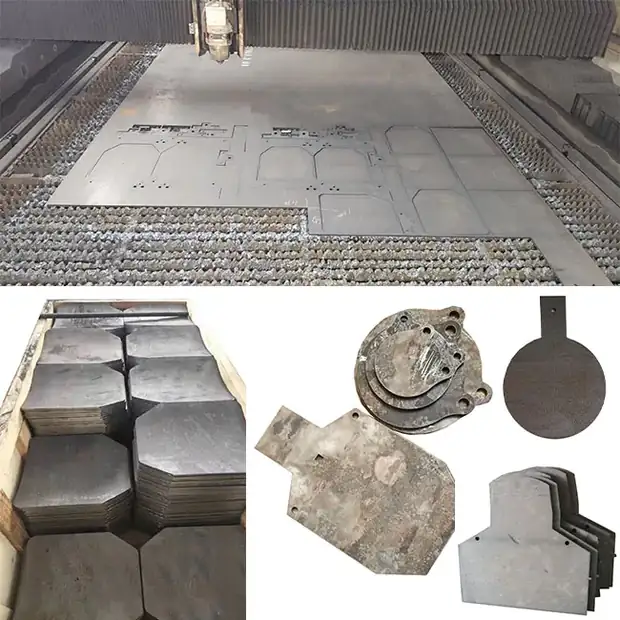
Buying full plates to make small panels means paying freight on offcuts and storing them afterwards. Tianyu Metal proces
Read more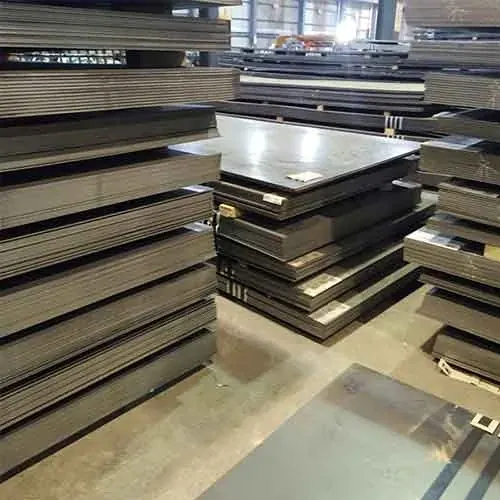
Wear plate lines the surfaces that abrasive rock ore coal and clinker slide across on their way through a plant. It goes
Read moreThe source data puts wear resistance at more than 15-20 times that of ordinary steel plate, 5-10 times that of low alloy steel plate and 2-5 times that of high chromium cast iron. Real life depends on your feed material lump size and impact energy, which is why a trial panel in one chute is worth doing.
Wear plate is supplied in AR400 AR500 NM400 NM500 XAR500 RAEX500 QUARD500 and FORA500 in a quenched and tempered condition, with thickness from 2mm to 100mm and a natural or painted surface.
Yes. Wear plate can be cut bent and welded and connected to other structures by welding plug welding or bolting, which is what saves time at the repair site. Send the drawing and the holes can be punched before shipment.
The alloy wear resistant layer is recommended for use at or below 600 degrees Celsius. Where vanadium molybdenum and other alloys are added to that layer it is stated to withstand high temperature wear at or below 800 degrees Celsius.
Yes. Mild steel plate and coil cover chute bodies skirt plate and walkways, and S550 and S690 high strength plate covers mining machinery lifting machinery and other large welded structural components.
A mill test certificate is issued against the ordered grade and travels with the material. At company level the certifications held are ISO9001 BV SGS and RoHS. Ask for the mill test certificate at quotation stage so the grade is documented from the start.
Wear plate available across AR400 AR500 NM400 NM500 XAR500 RAEX500 QUARD500 and FORA500 so hardness can be stepped by zone Send that with the sizes and quantity and we will confirm availability and what the certificate covers.