
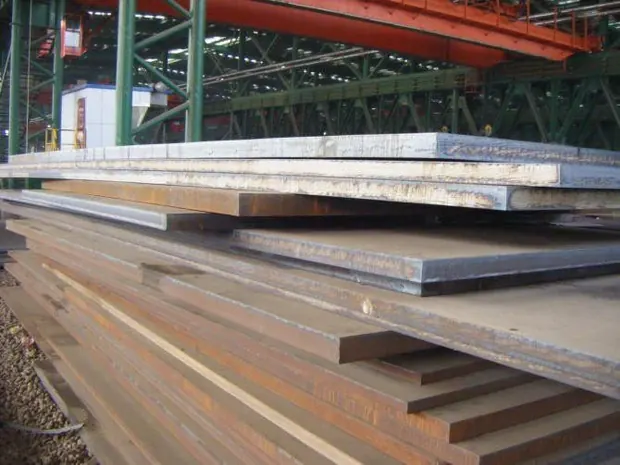
Armor & ballistic steel plate
Quenched and tempered armor plate cut on laser and water jet to your protection drawing
SpecificationsIndustries
Solutions
Resources
Company
Vehicle armouring shops, security equipment makers and cash in transit builders buy armour steel against a protection level and a weight budget, not against a general description of hardness.
Vehicle armouring shops, security equipment makers and cash in transit builders buy armour steel against a protection level and a weight budget, not against a general description of hardness. The plate has to reach the stated level at the thickness the vehicle or the cabinet can carry, and it has to arrive already cut and drilled, because a quenched and tempered plate at 500-600 HBW does not take a drill or a folding press the way structural plate does. Problems appear when a softer grade is substituted, when holes are cut with a process that damages the edge, or when the test report does not name the protection level the customer contracted for. Tianyu Metal supplies ballistic and armour plate in 2-100mm cut to your drawing on a laser machine or water jet, with the test report issued for the ordered material.
Levels quoted verbally do not survive an acceptance test. The binding figure is the protection level named on the test report that ships with the material.
Ballistic performance at a given thickness rises with hardness, so a plate delivered below the ordered hardness band changes the result at the same panel weight. Typical ballistic hardness is 500-600 HBW while structural steel may be only half of that.
As hardness rises the ease of folding welding and cutting falls. All fixing holes and cutting to size are performed on a laser machine or a water jet for this reason, and a shop that improvises with a drill damages the panel.
Going up a hardness step on every panel adds cost and adds price, since the higher the hardness of the plate the higher the price. Level should be set panel by panel against the threat the design is contracted to.
Armour cut from a generic rectangle has to be trimmed on site in a workshop not equipped to cut it. Supplying panels to the vehicle drawing removes that step entirely.
Armour material is controlled in many markets. Import and end use documentation has to be agreed before the order, or the shipment sits at the border while the build waits.
Quenched and tempered armor plate cut on laser and water jet to your protection drawing
Specifications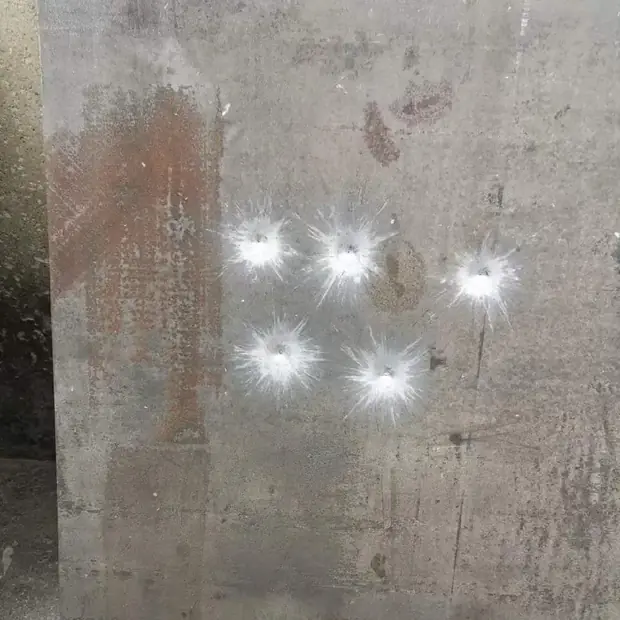
Quenched and tempered armor plate cut on laser or water jet before it leaves the works
Specifications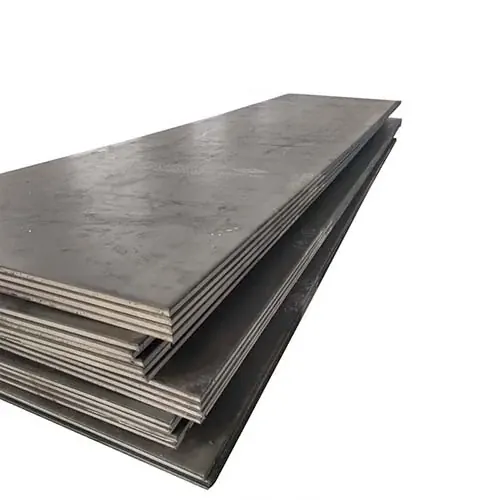
Q+T armor sheet for armor doors walls counters safes and protective equipment
Specifications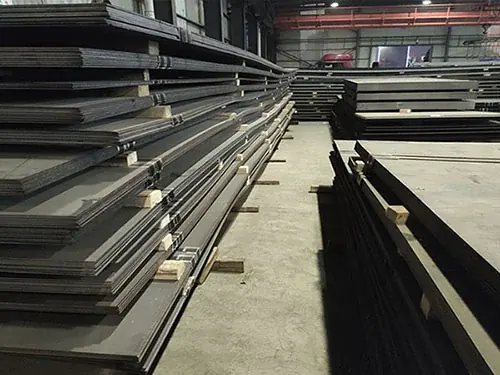
A 500 class ballistic plate supplied cut to panel size for vehicle and building armoring
Specifications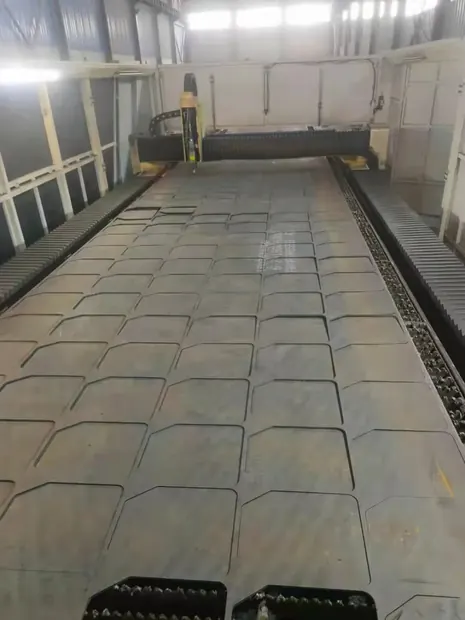
Two hardness classes from one stock so each zone gets the level it actually needs
SpecificationsHigh hardness ballistic plate for shooting targets armor plate and armored vehicle work
Specifications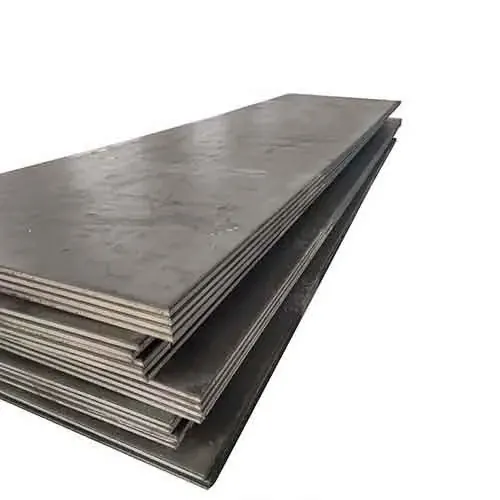
Quenched and tempered RHA plate for armour bodies doors shields and protected structures
Specifications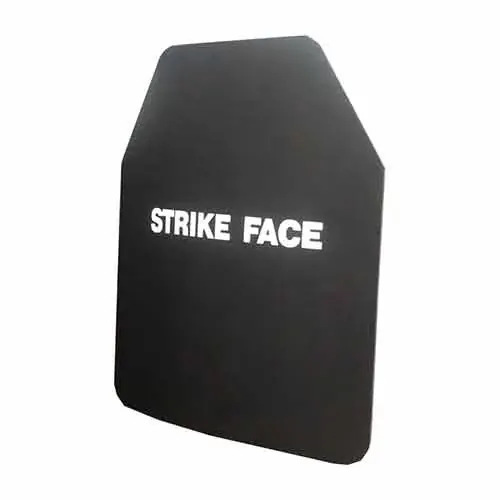
Quenched and tempered ballistic steel sheet cut to plate carrier and panel sizes
SpecificationsCut panels for riot vehicles money transport vehicles armored personnel carriers and combat vehicles, supplied to the body drawing with fixing holes already made.
Armour doors armour walls and ballistic windows frames for buildings and checkpoints where the panel is built into a structure rather than a vehicle.
Bank counters and confidential safes where plate is specified to a security level and cut to a cabinet drawing.
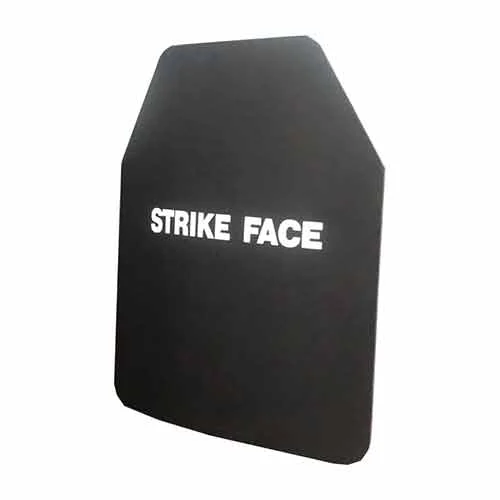
Steel armour plate used with a carrier as hard armour, and body armour plates in 0-25mm with fabric or polyurea coating in the 250 by 300mm, 150 by 200mm and 275 by 350mm sizes.
Protection packages for submarines landing craft anti smuggling boats and helicopters, where the plate is fitted into an existing platform structure.
Shooting target plate cut to size, where the same quenched and tempered material is used for repeated impact rather than for a certified protection level.
State the protection level you are contracted to and send the panel drawing. Level and panel weight are settled together, since thickness is what trades one against the other.
Material is confirmed in a quenched and tempered condition inside the 2-100mm thickness range, with the hardness band and the intended level written into the order rather than left as a verbal understanding.
Import and end use documentation for the destination market is confirmed before production, because armour material is controlled in many countries and paperwork agreed late stops the shipment.
All cutting to size and fixing holes are performed on a laser machine or a water jet. Bending welding decoiling and punching are available on the grades that accept them, and are agreed panel by panel.
A test report is issued for the ordered material. Panel dimensions are checked against the cutting list and the surface is verified as natural or painted before packing.
Panels are marked to your item numbers and bundled with edge protection so cut edges and drilled positions are not damaged in transit.
Loading is arranged by container with the test report and shipping documents released together for customs and for the customer acceptance file.
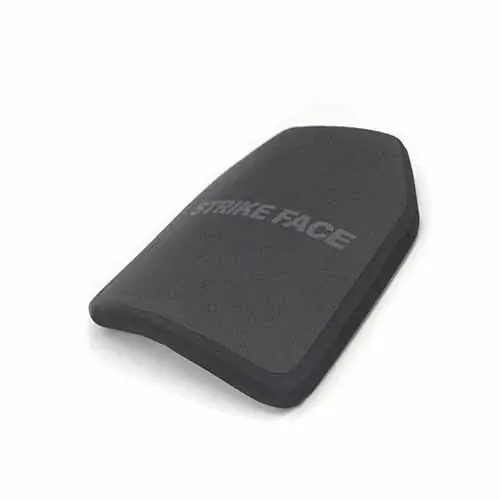
Ballistic plate and hard armor inserts for armored vehicles protective structures and body armor carriers
Read more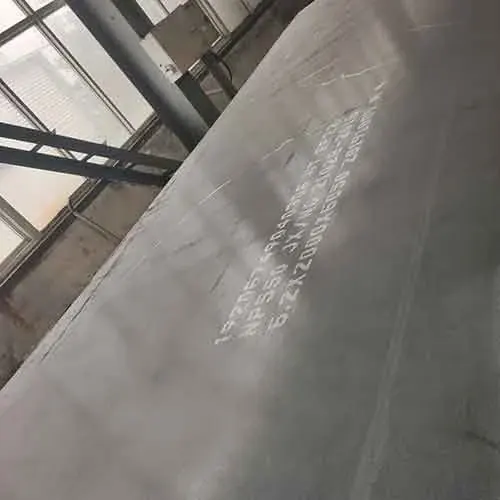
The flat plate program spanning mild structural plate through to armor wear and shipbuilding grades
Read more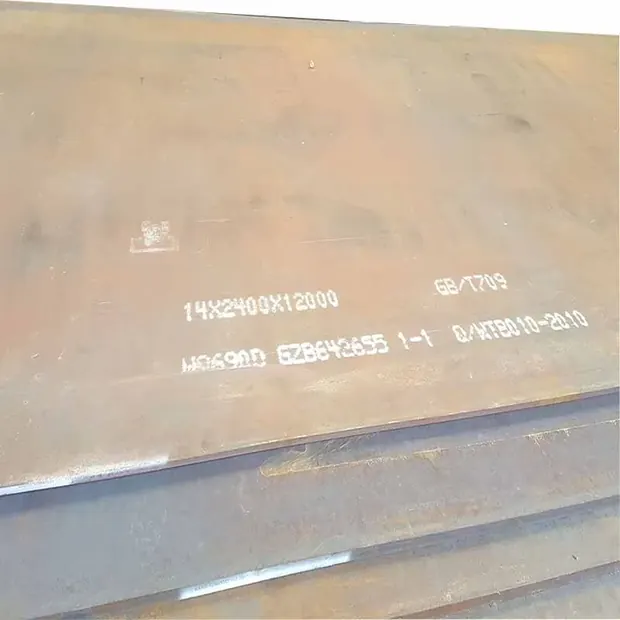
Alloy plate grades for weathering structures high yield fabrication and tooling where plain carbon plate runs out of per
Read more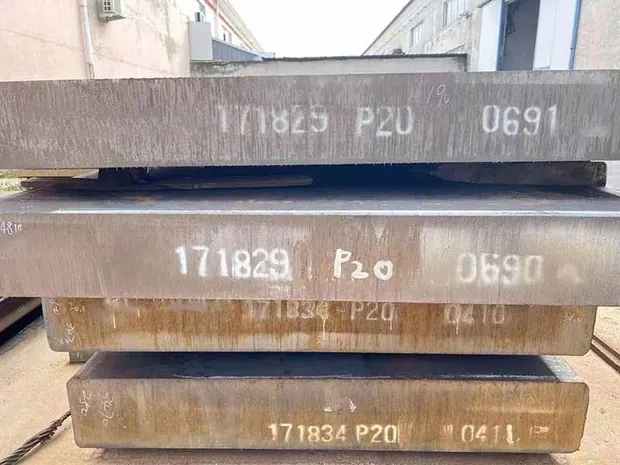
A purchasing engineer rarely gets a free choice of grade. The drawing names one designation, the material that is actual
Read more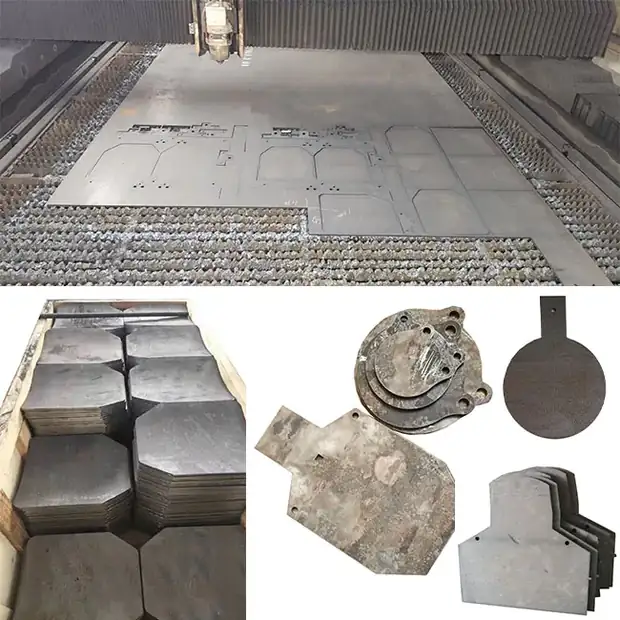
Buying full plates to make small panels means paying freight on offcuts and storing them afterwards. Tianyu Metal proces
Read moreBallistic steel plate is the hard skin on money transport vehicles riot vehicles armored personnel carriers and combat v
Read moreProtection levels quoted for this material are FB4+ FB5 FB6 and FB7, NIJ IIIA NIJ III and NIJ IV, STANAG 4569 Level 1 and Level 2, and GA-3 GA-4 GA-5 and GA-6. Name the level you are contracted to with the enquiry so it appears on the order and on the test report.
Hardness is quoted at 500-600 HBW, with yield strength of 1250 MPa and tensile strength of 1600 MPa. Structural steel may be only half that hardness, which is the difference that matters at a given panel thickness.
Armour and ballistic plate is supplied from 2.3mm to 100mm, ordered as 2-100mm, in a quenched and tempered condition with a natural or painted surface. Body armour plates are a separate item at 0-25mm with a fabric or polyurea coating.
As hardness increases the ease of folding welding and cutting decreases, so all fixing holes and cutting to size are performed on our laser machine or water jet. Send the panel drawing and the material arrives cut and holed rather than as a plate your shop has to process.
As the hardness of the sheet increases, the ballistic performance of plates of the same thickness improves, and the price increases with it. Set the level panel by panel against the threat in your specification instead of raising hardness across the whole build.
A test report is issued for the ordered material and released with the shipping documents. The certifications held by the company are ISO9001 BV SGS and RoHS. Confirm the import and end use documents your market requires before the order is placed.
Plate supplied to a named protection level from FB4+ FB5 FB6 and FB7, NIJ IIIA NIJ III and NIJ IV, STANAG 4569 Level 1 and Level 2, and GA-3 GA-4 GA-5 and GA-6 Send that with the sizes and quantity and we will confirm availability and what the certificate covers.