
Shipbuilding Steel Sheet A D E F 32 36 40
Hull and offshore structural sheet in grades A D E F and strength levels 32 36 40
SpecificationsIndustries
Solutions
Resources
Company
Hull and offshore plate in normal and higher strength grades with flatness and weldability
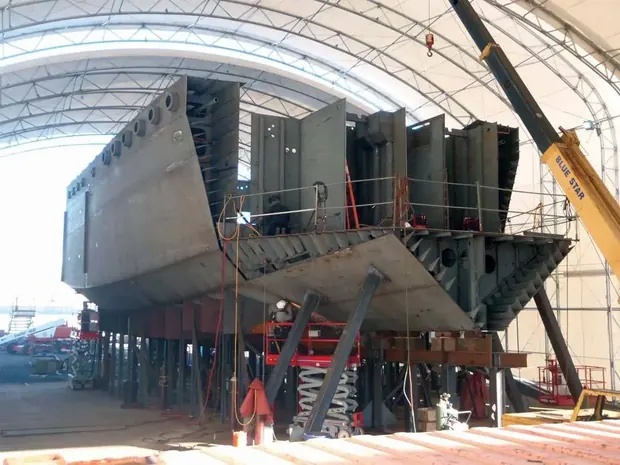
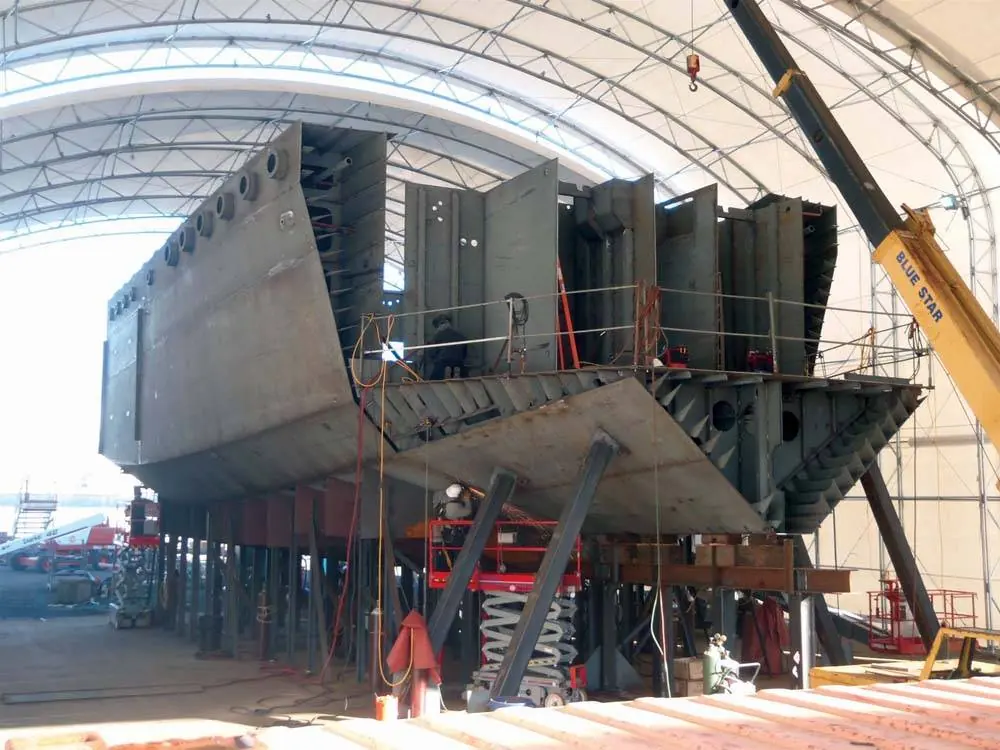
Shipbuilding steel sheet is hull and superstructure plate supplied in the normal strength grades A D E and F and the higher strength 32 36 and 40 designations. Shipyards and offshore fabricators specify it for cabin structures on cruise ships, where particularly thin plates are used in large widths, and for deck superstructures on platforms and special vessels in the oil and gas industry. Ordering thin wide plate that is already flat and weldable removes the straightening and fit up work that eats yard hours before a single seam is run. Grade, thickness and width are set against your cutting plan rather than against whatever the stockholder happens to hold.
These sheets exhibit good processing properties such as flatness, which matters most on the particularly thin plates used in large widths for cabin structures.
Weldability is one of the properties the shipbuilding grades are made for, so seam preparation and welding go ahead without the workarounds needed on general structural plate.
Grades A D E and F sit alongside the 32 36 and 40 higher strength designations, so one order can cover a hull shell and a strength deck.
High strength thermomechanically rolled ship plates are the material used in the offshore sector for deck superstructures on platforms.
Large width plate lets a cabin structure panel be built with fewer joints, which cuts welding hours and distortion correction.
Cruise ship cabin work and oil and gas platform superstructures call for different grades. Both ends of the range come from the same order rather than two sources.
Thin wide plate that is not flat has to be straightened before panel assembly. Flatness is one of the processing properties these sheets are made to exhibit.
Mixing normal and higher strength plate from different sources creates confusion on the yard. A D E F and the 32 36 and 40 designations come from the same supply.
Offshore deck superstructures are not built from the same material as a cruise ship cabin panel. High strength thermomechanically rolled ship plates are supplied for that duty.
Narrow plate forces extra butt welds into every panel. Large width supply reduces the seam count and the distortion that follows it.
Plate that welds badly is discovered on the shop floor. Weldability is one of the properties specified for these shipbuilding grades from the outset.
Particularly thin plates in large widths for accommodation block and cabin structure panels.
High strength thermomechanically rolled ship plate used for deck superstructures in the offshore sector.
Structural plate for special ships built for the oil and gas industry rather than general cargo service.
Shell and deck plating on new build vessels where grade and weldability are set by the ship design.
Panel work above the main deck where flat thin plate keeps fit up and welding predictable.
Replacement plate for hull and superstructure repair work that has to match the original grade designation.
Values below come from the product data published by Shandong Tianyu Metal Products. Confirm the exact grade and size against your order.
| Product Name | Shipbuilding steel plate and sheet |
|---|---|
| Place of Origin | China |
| Grade | A D E F 32 36 40 |
| Form | Steel plate and sheet |
| Rolling Route | Thermomechanically rolled plate available for high strength grades |
| Width | Large widths available on particularly thin plates |
| Processing Properties | Flatness and weldability |
| Application | Cabin structures on cruise ships deck superstructures on platforms special ships for the oil and gas industry |
| Sector | Shipbuilding and offshore |
| General structural steel plate | Shipbuilding grades are made for the processing properties a yard needs, above all flatness and weldability, which general structural plate is not selected for. |
|---|---|
| Normal strength grades A D E and F | The 32 36 and 40 higher strength designations carry more load in the same section, which is why they are used where scantlings are being reduced. |
| Conventionally rolled high strength plate | Thermomechanically rolled ship plates are the high strength material used in the offshore sector for deck superstructures on platforms. |
Normal strength grades A, D, E and F together with the higher strength 32, 36 and 40 designations.
The primary application is in the name. These grades are used for cabin structures on cruise ships, and the high strength thermomechanically rolled plates are used for deck superstructures on platforms and for special ships in the oil and gas industry.
Yes. Particularly thin plates are used in large widths for cruise ship cabin structures, and that is the combination these sheets are made for.
These sheets are made to exhibit processing properties including flatness and weldability, and flatness is inspected on thin wide plate before the material is packed.
Grades A, D, E and F are the normal strength shipbuilding grades. The 32, 36 and 40 designations are higher strength, and the thermomechanically rolled versions are the ones used in the offshore sector.
Send the nesting plan with the inquiry together with the grade and quantity and we will confirm what can be processed against the ordered grade before you place the order.
Each plate carries its grade marking and the designation is checked against the order before release. Ask for the mill test certificate when you place the order if your class surveyor requires it.
Hull and offshore structural sheet in grades A D E F and strength levels 32 36 40
SpecificationsA shipyard buys plate against a cutting nest and a build sequence, so the two things that matter most are the grade designation th
Read more
Pipeline and wellsite buyers are not really buying steel, they are buying a pressure boundary and the paperwork that proves it. Th
Read moreSend the grade, thickness, width and quantity you need together with your destination port. A cutting list or drawing gets you a firmer number.