
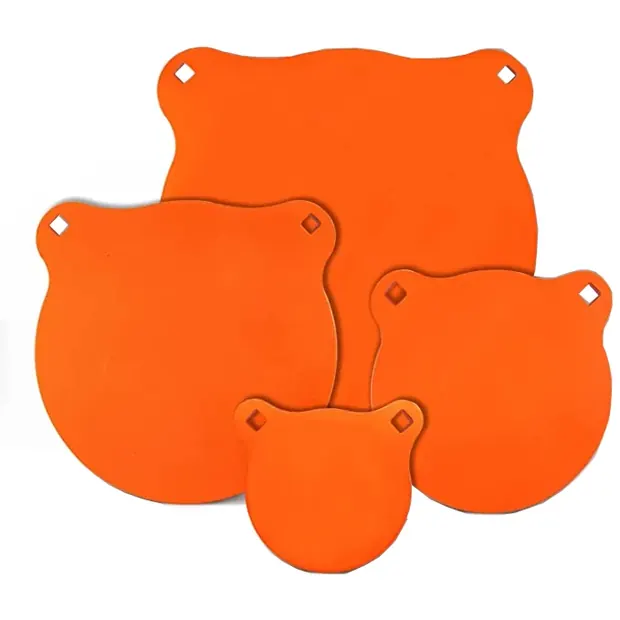
AR400 AR500 AR600 Steel Plate
Quenched and tempered wear plate for chutes liners buckets and crusher bodies
SpecificationsIndustries
Solutions
Resources
Company
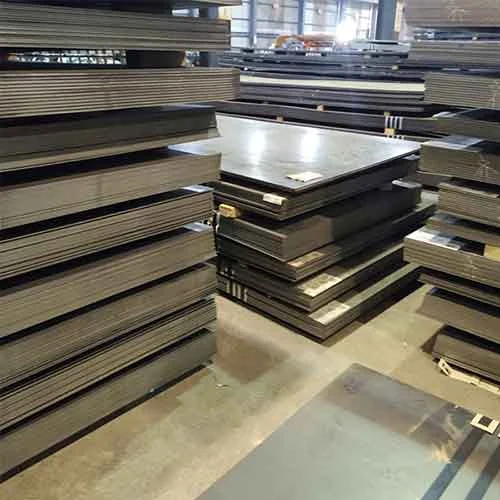
Wear plate lines the surfaces that abrasive rock ore coal and clinker slide across on their way through a plant.
Wear plate lines the surfaces that abrasive rock ore coal and clinker slide across on their way through a plant. It goes into transfer chutes feed boxes hopper walls screen decks cyclone linings loader bucket floors bulldozer mouldboards and excavator wear parts. The duty is a mix of sliding abrasion from fines and impact from lumps arriving off a conveyor head pulley or a haul truck. Abrasion resistant plate is a quenched and tempered alloy plate supplied in 2-100mm thickness, and it is cut bent welded and bolted into equipment that already exists rather than designed around.
The failure that costs money is not the liner wearing out, it is the liner wearing out on the wrong date. A mild steel panel in an abrasive chute can be through before the next planned shutdown, and the unplanned stop that follows costs far more than the plate. The opposite trap is just as common: a buyer answers a wear problem by specifying the hardest grade across the whole structure, and the maintenance crew then cannot fold drill or weld the panels on site. The right answer is usually a hardness map, not a single hardness.
Panels are replaced on a fixed maintenance calendar. A grade that lasts almost long enough still forces an outage, so the grade has to be stepped until the wear rate fits the interval rather than the other way round.
Putting AR600 on a chute back wall that sees no impact raises the cost of the package and makes every cut and bend harder. The high hardness belongs in the impact zone and the body of the structure can carry a lower grade.
High chromium cast iron resists sliding abrasion, then shatters when oversize rock arrives. Wear plate keeps a tougher substrate under the hard wear layer, and the stated wear resistance is 2-5 times that of high chromium cast iron while the panel can still be welded and bolted.
Sinter slag and hot clinker duties run above what a standard wear layer is rated for. The alloy wear layer is recommended at or below 600 degrees Celsius, and only a layer alloyed with vanadium molybdenum and similar elements is stated to take high temperature wear at or below 800 degrees Celsius.
A remote site orders plate in mill sizes, cuts a few liner panels and then pays freight and yard space on the offcut. Cut to size supply against the liner drawing removes the remnant from the order.
Split the structure into the impact face, the sliding face and the structural body. Each zone gets its own hardness, and that is what stops the whole package being priced at the hardest grade.
AR400 covers general sliding abrasion, AR500 covers the standard mining chute and liner duty, and AR600 is held back for the highest wear face. Wear resistance is stated at 15-20 times that of ordinary steel plate and 5-10 times that of low alloy steel plate, so the step up is usually justified only where the wear rate is actually driving the change out.
Thickness runs from 2mm to 100mm. A thin hard panel bolted to a stiff backing structure often outperforms a thick soft one, and it is lighter to lift into place during a shutdown.
Confirm the metal temperature at the wear face. The standard alloy wear layer is recommended at or below 600 degrees Celsius and a vanadium molybdenum alloyed layer is stated for high temperature wear at or below 800 degrees Celsius.
Wear plate connects by welding plug welding or bolting. The attachment method decides whether the order needs punched holes, a bent profile or plain flat panels, and it decides how long the crew needs at the stop.
Stock covers AR400 AR500 NM400 NM500 XAR500 RAEX500 QUARD500 and FORA500. Quoting the grade your last liner was made from is faster than describing the duty from scratch.
| AR400 | Use when: General sliding abrasion on chute walls hopper sides and skirt plates where lump impact is limited. Trade-off: Lowest cost of the abrasion resistant grades and the easiest to cut bend and drill, but the shortest life on a high wear face. |
|---|---|
| AR500 NM500 XAR500 RAEX500 QUARD500 FORA500 | Use when: The standard mining and quarry chute liner and bucket floor duty where both abrasion and impact are present. Trade-off: Longer life than AR400 at a higher price, and bending and hole making need more care as hardness rises. |
| AR600 | Use when: The single highest wear zone such as a chute impact plate or a feeder deflector. Trade-off: Best wear life of the three grades, highest price, and the least forgiving to fold weld and cut so cutting and hole positions are better fixed before shipment. |
| S550 and S690 High Strength Structural Steel | Use when: The chute body frames booms and support structure carrying the liner rather than the wear face itself. Trade-off: Yield strength of 550 MPa and 690 MPa lets the structure be lighter, but these are structural grades and will not hold up as a wear face. |
| Mild Steel Plate | Use when: Backing plates walkways guards and low wear sections of the same fabrication. Trade-off: Cheap easy to weld and easy to form, and it belongs only where abrasion is not what ends the part. |
Quenched and tempered wear plate for chutes liners buckets and crusher bodies
Specifications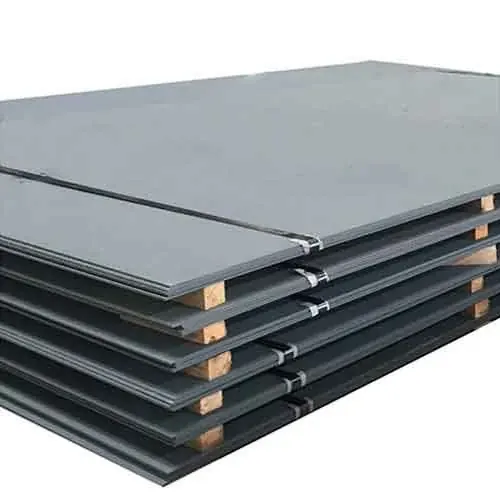
One plate supply covering AR NM XAR RAEX QUARD and FORA wear grades
Specifications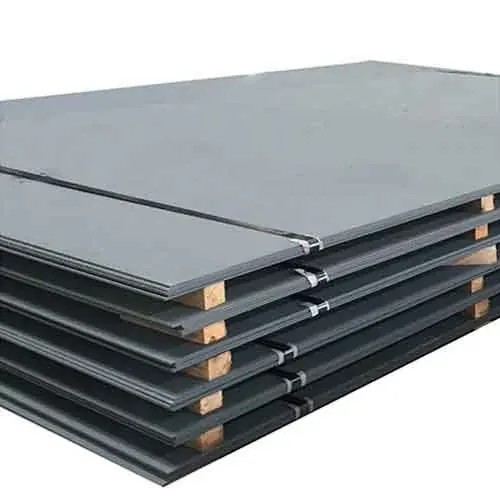
Hard alloy wear layer over a tough substrate cut to your liner drawing
Specifications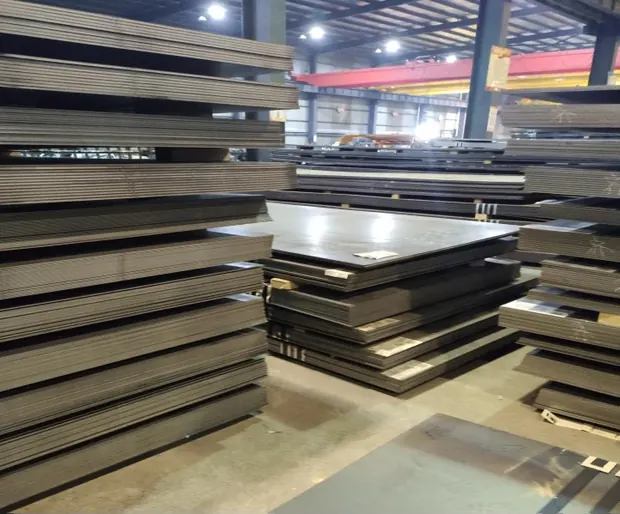
Quenched and tempered 690 MPa plate for boom arms lifting frames and welded structures
SpecificationsThe abrasion resistant branch of the steel plate range for chutes liners buckets and crusher wear parts
Read more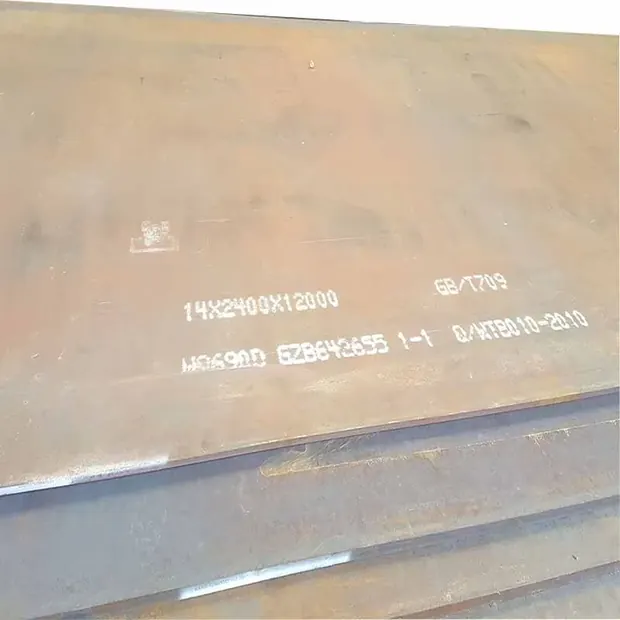
Alloy plate grades for weathering structures high yield fabrication and tooling where plain carbon plate runs out of per
Read more
Low carbon and medium carbon plate for structural fabrication road plates bridges and machined engineering parts
Read more
Mines quarries and bulk terminals buy steel to stand between abrasive material and the structure carrying it, so the ord
Read moreSplit the chute into zones. The impact face takes the hardest grade you can still fit, the sliding faces take AR500 and the low wear body takes AR400. Buying one grade for the whole chute either wastes money or ends early on the impact face.
The wear resistance is stated at 15-20 times that of ordinary steel plate, 5-10 times that of low alloy steel plate and 2-5 times that of high chromium cast iron. The life you actually get depends on the feed material lump size and impact energy at your transfer point.
Yes. Wear plate can be cut bent welded and punched and it connects to existing structures by welding plug welding or bolting, which is why it is used for on site liner repairs. Use a welding procedure written for quenched and tempered steel.
Thickness is available from 2mm to 100mm. Pick it from the panel and the backing structure rather than from the plate list, because a thinner hard panel on a stiff backing is often easier to lift and fit in a shutdown window.
Give us the metal temperature at the wear face. The alloy wear layer is recommended for service at or below 600 degrees Celsius, and where vanadium molybdenum and other alloys are added it is stated to withstand high temperature wear at or below 800 degrees Celsius.
Yes. Processing covers bending welding decoiling cutting and punching, so the order can be finished panels cut bent and punched to your drawing instead of plate you cut yourself and store the remnant of.
Start with the liner drawing or the cutting list with panel sizes and bend lines. With that plus the quantity and destination we can put real numbers against each grade.