
Shipbuilding Steel Sheet A D E F 32 36 40
Hull and offshore plate in normal and higher strength grades with flatness and weldability
SpecificationsIndustries
Solutions
Resources
Company
Marine grade plate for hull cabin and offshore structures where flatness and weldability decide panel line output
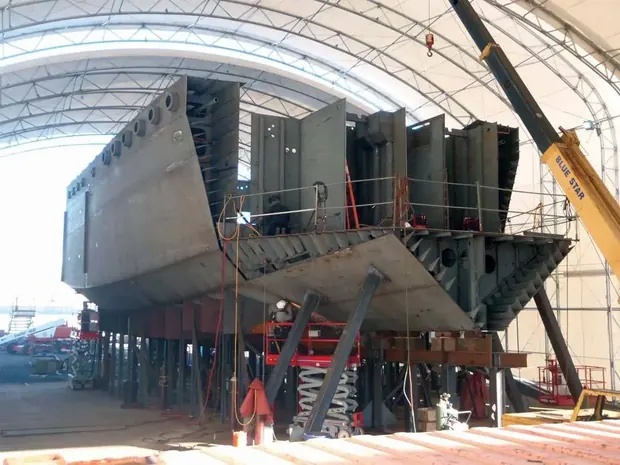
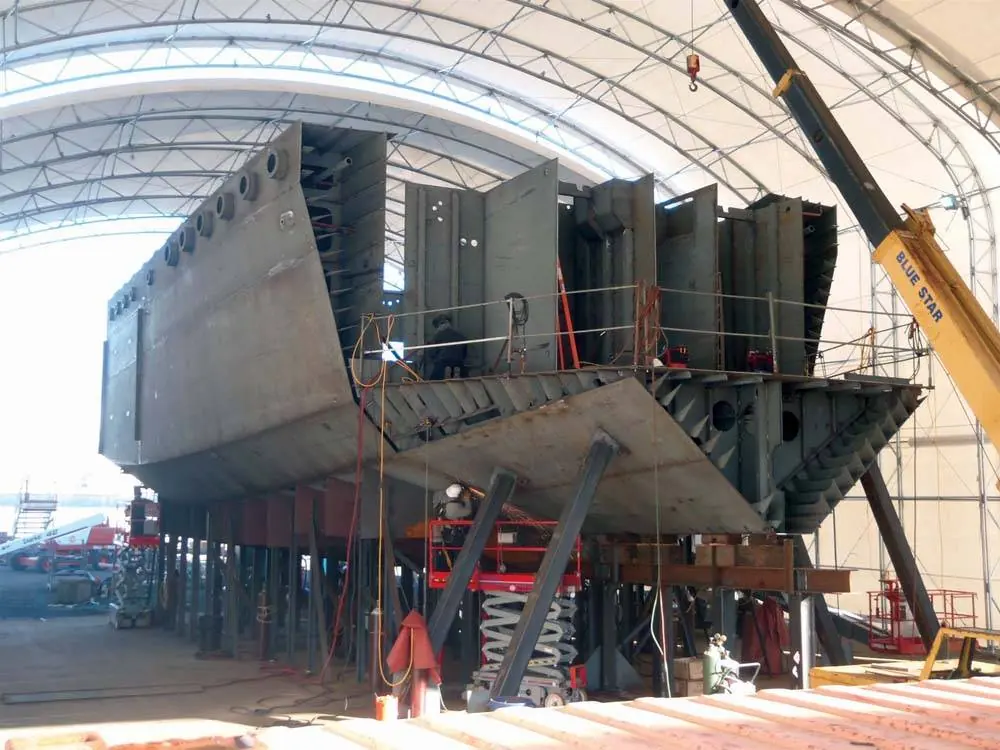
This is the marine specialism inside the steel plate range. Shipbuilding steel sheet is supplied in the A D E F grades and the 32 36 40 strength levels which is the naming a yard a designer and a class surveyor all work from. The primary application is already in the name of shipbuilding steel and these grades go into cabin structures on cruise ships where particularly thin plates are used in large widths and the sheet has to show good processing properties such as flatness and weldability before a panel line will accept it. High strength thermomechanically rolled ship plates are used in the offshore sector where the structure has to hold its strength without carrying extra section weight.
Marine grade plate for hull cabin and offshore structures where flatness and weldability decide panel line output
Hull and offshore plate in normal and higher strength grades with flatness and weldability
SpecificationsHull and offshore structural sheet in grades A D E F and strength levels 32 36 40
SpecificationsThin wide sheet that is not flat has to be pressed or fitted up with packing before it can be welded into a panel. Flatness is one of the processing properties these grades are selected on.
Cabin structures are almost entirely welded sheet. The shipbuilding grades are specified because they exhibit good weldability and not because they are the cheapest plate on the market.
A D E and F separate the plate by toughness while 32 36 and 40 set the strength level. Both belong on the order or the plate arrives correct on one axis and wrong on the other.
Thermomechanically rolled high strength ship plate lets a member carry the same load in a lighter section which matters once the structure has to float or be lifted into place.
Ask for the mill test certificate at order stage so the document is in the file before the surveyor asks rather than weeks after the plate lands.
Plate is ordered in the A D E F letters and the 32 36 40 strength levels used across shipbuilding rather than in a general structural designation that has to be argued through.
Particularly thin plates are used in large widths for cabin applications so a panel carries fewer butt welds and less distortion to straighten afterwards.
These sheets exhibit best processing properties such as flatness and weldability which is exactly what a cutting table a panel line and a welding shop are buying.
High strength thermomechanically rolled ship plates serve the offshore sector where strength is needed without adding thickness to the section.
Plate can be cut before shipment so the yard receives parts against the nesting plan instead of full plates to store and nest again.
Cabin blocks built from particularly thin plate in large widths which is the stated application for these shipbuilding grades.
Shell plating deck plate and bulkheads ordered in the A D E or F letter matched to the design temperature of the vessel.
Jacket nodes decks and lifted modules using high strength thermomechanically rolled ship plate to hold section weight down.
Insert plates doublers and renewal sections cut to size when only a few pieces of a class grade are needed for a docking.
Hull and deck plate for small commercial craft where the same grades are specified at lighter thickness.
A shipyard buys plate against a cutting nest and a build sequence, so the two things that matter most are the grade designation th
Read more
Pipeline and wellsite buyers are not really buying steel, they are buying a pressure boundary and the paperwork that proves it. Th
Read more
Construction and infrastructure buyers order steel by the part it becomes: mild steel plate for base plates gussets and stiffeners
Read more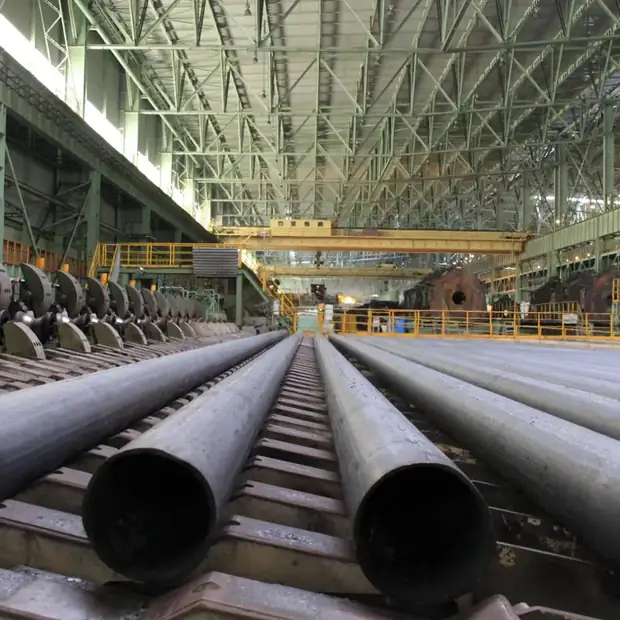
Material without paperwork cannot be released into a job, however good the steel is. A quality department that receives plate with
Read more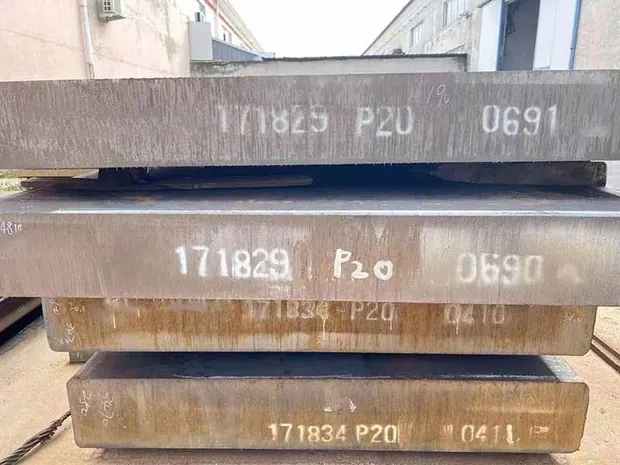
A purchasing engineer rarely gets a free choice of grade. The drawing names one designation, the material that is actually availab
Read more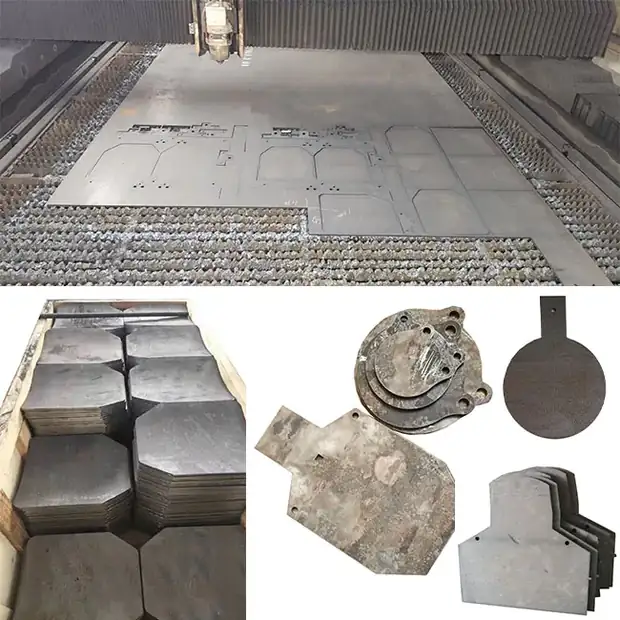
Buying full plates to make small panels means paying freight on offcuts and storing them afterwards. Tianyu Metal processes steel
Read moreThey are the shipbuilding grade letters and they separate plate by its toughness requirement. They are ordered together with a strength level of 32 36 or 40 so both properties appear on the certificate.
The numbers name the higher strength levels. They are used where the designer wants the same load carried in a lighter section which is common on large hulls and on offshore structures.
Particularly thin plates are used in large widths for cabin structures on cruise ships. Fewer joints across a panel means less welding time and less distortion to take out afterwards.
These sheets exhibit best processing properties such as flatness and weldability. A flat plate fits up faster and a weldable grade keeps the procedure simple for the yard.
High strength thermomechanically rolled ship plates are used in the offshore sector. Send the grade thickness and quantity and we will confirm what can be rolled or drawn from stock.
Yes. Send the cutting or nesting plan with the order and the yard receives cut parts instead of full plates that still have to be marked out.
Tell us state the grade letter and the strength level together for example a D grade at the 36 level so toughness and strength are both fixed and we will come back with price, availability and what the mill test certificate will show for shipbuilding and offshore steel sheet.