
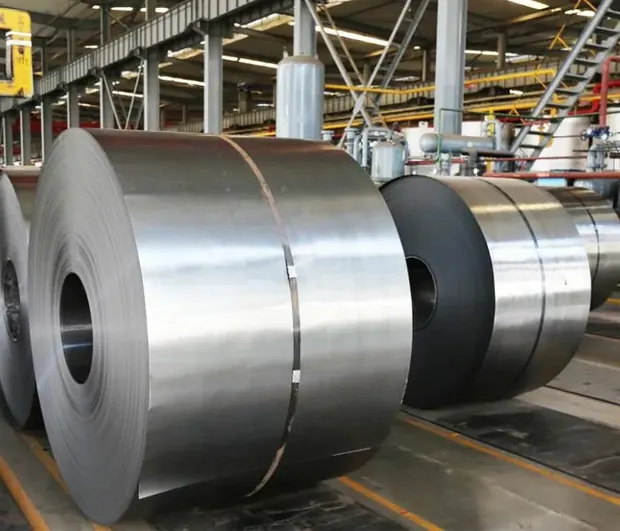
Tinplate Coil
Cold rolled low carbon steel strip tin coated on both sides for can and container making
SpecificationsIndustries
Solutions
Resources
Company

Tinplate is the body end and lid material for food cans, and the same coil and sheet feeds pharmaceutical packaging commodity packaging instrument packaging and industrial packaging lines.
Tinplate is the body end and lid material for food cans, and the same coil and sheet feeds pharmaceutical packaging commodity packaging instrument packaging and industrial packaging lines. It is cold rolled low carbon steel sheet or strip coated with commercial pure tin on both sides, sold under the SPTE and ETP names, and the tin is there to prevent corrosion and rust. A can line asks the material to do three things at once: draw or roll without splitting, take a seam or a solder joint, and carry print and lacquer without the coating breaking down. Tinplate is used because it combines the strength and formability of steel with the corrosion resistance solderability and appearance of tin.
Tinplate is bought on three numbers that buyers often collapse into one. Gauge decides how much steel is in the can, temper decides how the blank behaves in the press, and tin coating weight decides how the can survives the product inside it and the shelf it sits on. A can maker who orders on gauge and price alone gets a coil that runs but produces flange cracks in the press or shows rust spots after a hot fill, and neither problem is visible on arrival. The second trap is the coil itself: width tolerance inside diameter and coil weight all have to match the slitter and the press line, because a coil the line cannot mount is a coil that sits in the yard.
T2 T2.5 T3 T3.5 T4 and T5 and the double reduced tempers DR7 DR7M and DR8 behave differently on a draw. Ordering the same temper for a deep drawn body and a flat end sends one of the two parts to scrap.
Tin coating is available from 1.1 to 11.2 grams per square meter. An acidic or high salt fill needs a heavier coating on the inside face than a dry product, and running one coating weight across every pack is either a cost or a shelf life problem.
Continuous annealing and batch annealing produce material that does not behave the same way in the press. Naming CA or BA on the purchase order removes an argument once the coil is running.
Width is available from 600 to 1050mm with a tolerance of 0 to 3mm, coil inside diameter is 420 or 508mm and coil weight is 1 to 5 metric tons. Any one of the three can stop a coil being mounted on a slitter or a press feed.
Bright stone and silver finishes with passivation treatment read differently under ink and lacquer. The finish belongs in the specification alongside the print design, not after the artwork is approved.
A drawn food can body, a three piece body, an easy open end and a lid all demand different temper and different coating weight. Split the enquiry by component before choosing anything else.
Thickness runs from 0.15 to 0.50mm with a tolerance of plus or minus 0.01 mm. Gauge choice is where most of the material cost sits, so it is worth testing whether the pack runs on the next gauge down before the specification is frozen.
Single reduced tempers T2 T2.5 T3 T3.5 T4 and T5 cover the normal forming range, and double reduced DR7 DR7M and DR8 are chosen where a thinner harder material can carry the same pack. State CA for continuous annealing or BA for batch annealing with the temper.
Tin coating is available from 1.1 to 11.2 grams per square meter, and the inside face facing the product and the outside face facing the shelf do not have to carry the same weight. Tell us the fill and the expected shelf life.
Width from 600 to 1050mm with 0 to 3mm tolerance, inside diameter of 420 or 508mm and coil weight of 1 to 5 metric tons. Coil feed lines and slitters are specific about all three, and sheet or strip is the alternative where coil handling is the constraint.
Bright stone or silver finish with passivation treatment, supplied with DOS oil. The finish drives print appearance and the passivation and oil protect the tin until the sheet reaches the coater.
| Tinplate Coil Electrolytic SPTE ETP | Use when: Can body and end production running from coil through a slitter and a press feed at volume. Trade-off: The lowest handling cost per ton and the format that needs coil geometry to be confirmed, since width inside diameter and coil weight all have to suit the line. |
|---|---|
| Tinplate Sheet | Use when: Printing and coating lines that work in sheets and smaller production runs where coil handling is not available. Trade-off: Feeds a sheet fed press or coater directly and carries more handling and storage cost per ton than coil. |
| Tinplate Strip | Use when: Narrow components such as can ends lids closures and small containers cut from a strip width. Trade-off: Removes a decoiling step at the can plant, and it commits the width earlier so it suits a stable product rather than a changing pack range. |
| Coated Tinplate Coil Sheet and Strip | Use when: Packs where the coating goes on before the blank is cut rather than after the can is formed. Trade-off: Saves a coating step downstream and it needs the coating specification and the pack to be settled before the material is ordered. |
| Customized Tinplate Sheet | Use when: Non standard sheet sizes cut to a can maker's own blank layout. Trade-off: Cuts scrap at the blanking stage and requires the blank layout to be sent with the enquiry. |
Cold rolled low carbon steel strip tin coated on both sides for can and container making
Specifications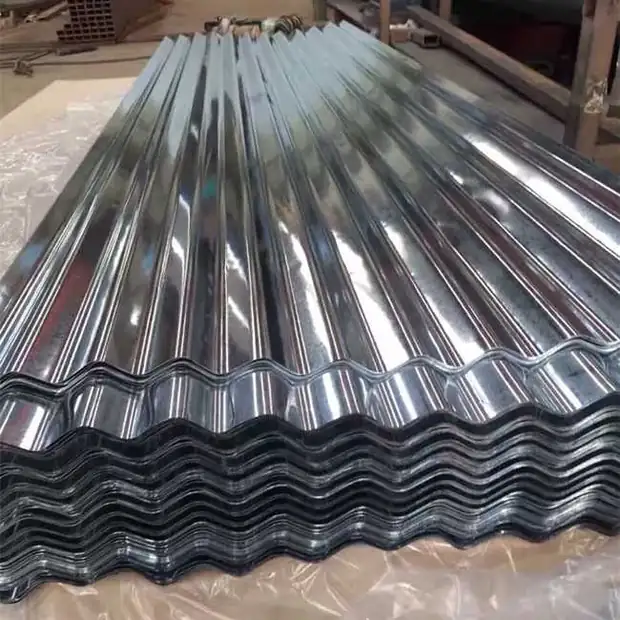
SPTE sheet supplied in the temper your forming and seaming operation actually needs
Specifications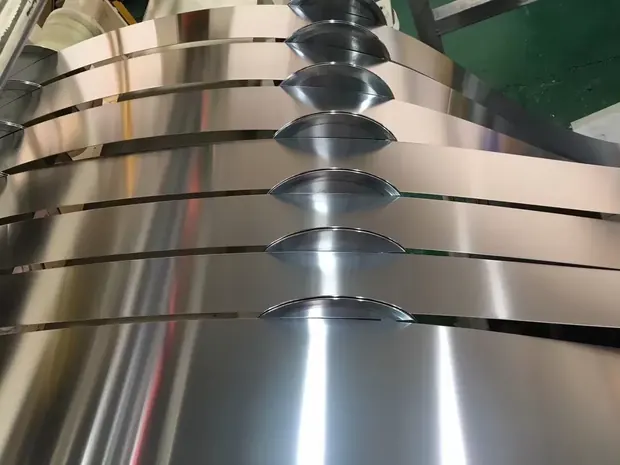
Stocked SPTE strip cut to width for short runs and repeat packaging programs
Specifications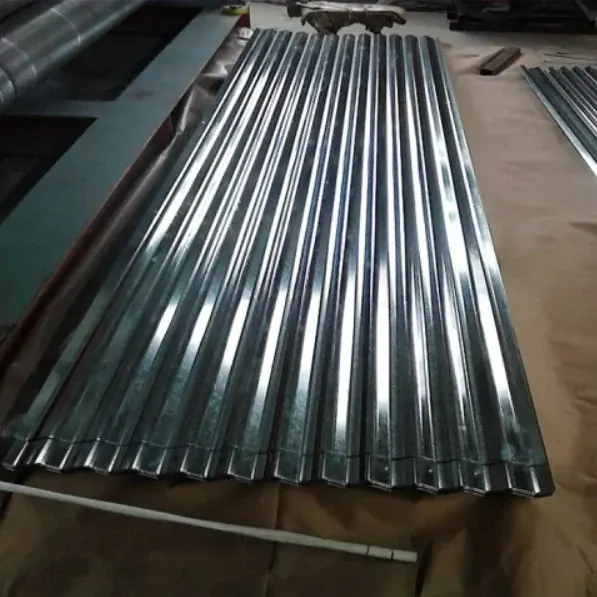
Full width electrolytic tinplate coil wound for continuous can and closure lines
Specifications
Electrolytic tinplate in coil strip and sheet form for can makers metal decorators and roofing fabricators
Read more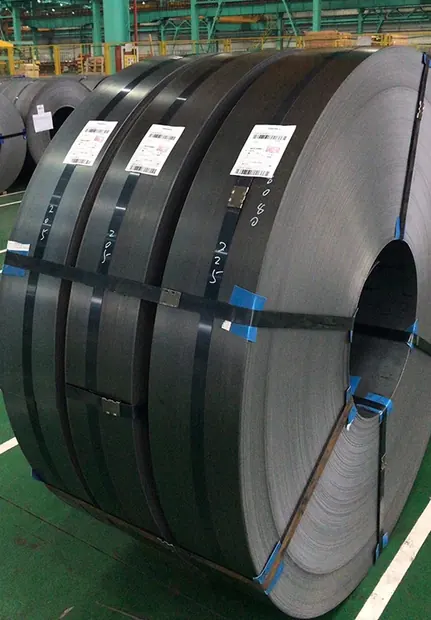
Uncoated mild steel coil for fabricators who roll form slit or press their own parts instead of buying finished sections
Read moreFlat steel bought by the coil for roll forming stamping and decoiling lines rather than by the cut sheet
Read moreCan makers do not buy steel, they buy a strip that will draw without splitting, take a printed lacquer without blisterin
Read moreThickness runs from 0.15 to 0.50mm with a tolerance of plus or minus 0.01 mm. Most of the material cost in a can sits in the gauge, so it is worth checking whether the pack runs on a lighter gauge before freezing the specification.
Single reduced tempers T2 T2.5 T3 T3.5 T4 and T5 cover the normal forming range and double reduced DR7 DR7M and DR8 are used where a thinner harder material carries the same pack. State continuous annealing or batch annealing with the temper, since the two do not behave the same in the press.
Tin coating is available from 1.1 to 11.2 grams per square meter and the inside and outside faces can carry different weights. Tell us the product being filled and the shelf life you design for, and the coating can be set face by face instead of applied uniformly.
Width from 600 to 1050mm with a tolerance of 0 to 3mm, coil inside diameter of 420 or 508mm and coil weight of 1 to 5 metric tons. Confirm all three against your slitter and press feed, because any one of them can stop a coil being mounted.
Tinplate is supplied to GB/T 2520-2008 JIS G3303-2008 DIN EN 10203-1991 and ASTM A623M-2011 in SPCC MR or SPCH base material. Name the standard your buyer audits against so the certificate matches what they expect to see.
Yes. Coated tinplate is available as coil sheet and strip, and customized tinplate sheet can be cut to your own blank layout. Send the blank layout and the coating specification with the enquiry.
Start with the pack and the component being made such as drawn body three piece body end or lid. With that plus the quantity and destination we can put real numbers against each grade.