
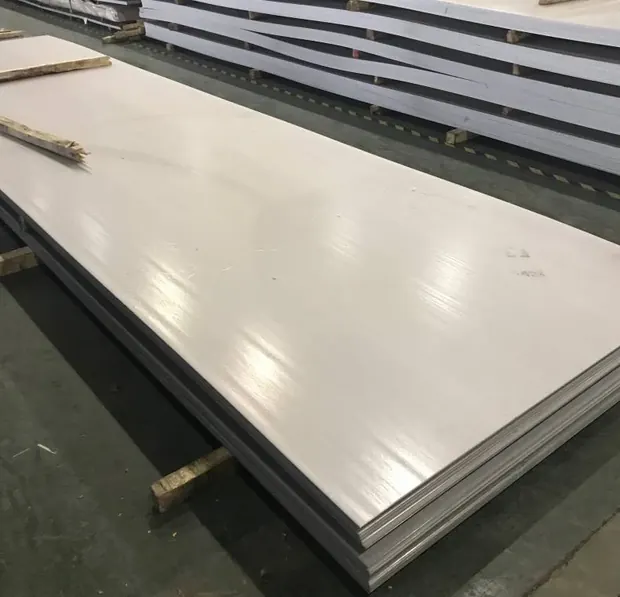
Steel Sheet
Flat rolled sheet across the 0.1-400mm range on one published width and length list
SpecificationsIndustries
Solutions
Resources
Company
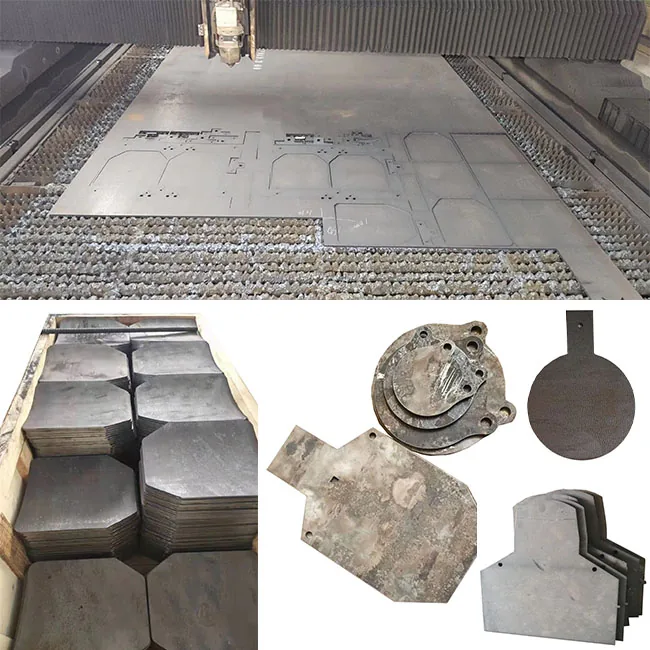
Buying full plates to make small panels means paying freight on offcuts and storing them afterwards.
Buying full plates to make small panels means paying freight on offcuts and storing them afterwards. Tianyu Metal processes steel plate, coil and tube before shipment, so what arrives is the part list rather than raw stock your workshop still has to break down. Processing covers bending, welding, decoiling, cutting and punching, with on coil and painting or galvanizing where the product allows it. Plate is supplied from 0.1-400mm thickness in widths from 1000mm to 3500mm, which means the cutting plan starts from a sheet size close to your part rather than from whatever the yard happens to hold.
Ordering full plates to produce a handful of panels means the container carries drop across the ocean. Cut to size supply moves the offcut out of the shipment and off your yard.
A workshop cutting plain rectangles is not welding or assembling. Moving the breakdown to the supplier frees the machines for the work that actually needs them.
Coil in the wrong width or still in coil form is dead stock for a shop with no decoiling line. Decoiling before shipment turns it into usable sheet and strip.
Liner panels drilled on site rarely match the existing structure first time. Punching to the drawing before shipment means the panel bolts straight into the holes that are already there.
A cutting list sent as a sketch or a bare table of sizes leaves grain direction, edge condition and part quantities open, and the first quotation has to be redone once those come out. Give the part sizes, quantities, grade and thickness together with any drawing. We check the list against available plate widths and lengths and flag parts that will not nest cleanly before the price is set.
Suppliers quote whole plates and leave the buyer carrying the drop. On a small panel order the scrap can dominate the invoice. The quotation works from the parts you actually need out of the sheet sizes available, using widths of 1000mm 1219mm 1500mm 1800mm 2000mm 2500mm 3000mm and 3500mm and lengths of 2000mm 2400mm 3000mm 5800mm and 6000mm, so the drop is planned rather than passed on.
Parts arrive cut but the cut face is not what the next operation expects, so the workshop has to dress every edge before welding or bolting. The confirmation records cut sizes, hole positions, bend directions, the finish as natural or painted, and which faces matter. Anything we cannot hold is raised before production, not explained afterwards.
Coil bought as coil has to be decoiled and slit somewhere, and a fabricator without a line ends up subcontracting that step and losing control of the width tolerance. Coil is decoiled and cut to sheet or slit to strip width here. Galvanized steel is supplied as slit strip in the same coating range as the coil, from G20 through G90 and Z150 Z275 and Z350, so the coating specification does not change when the width does.
Flat panels still need forming and holes. Every operation moved into the fabricator's shop is an operation competing with the work that earns their margin. Panels are bent to profile, punched for bolt and plug weld holes to your drawing and welded into sub assemblies where the design calls for it. Wear plate liners in AR400 AR500 and AR600 are commonly shipped already bent and punched ready to bolt in.
A cut package that is short by two parts or wrong on one hole pitch stops an assembly line, and the missing piece only appears when the fabricator lays the parts out. Finished parts are checked against the cutting list line by line and thickness is verified against the ordered range before packing. Quantities are counted into the packing list so the goods inward check is a comparison, not a recount.
Cut parts that arrive as an unmarked stack have to be sorted and identified on the workshop floor, which is where cut panels get mixed between grades. Parts are marked and bundled by part number and grade with edge protection fitted, then loaded with the packing list, photographs taken before loading and the mill test certificate released with the shipping documents.
Flat rolled sheet across the 0.1-400mm range on one published width and length list
Specifications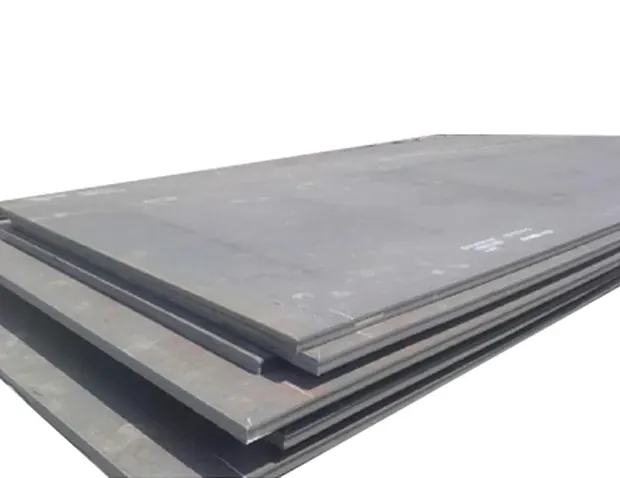
Low carbon plate in 0-100mm for building frames bridge members and fabrication work
Specifications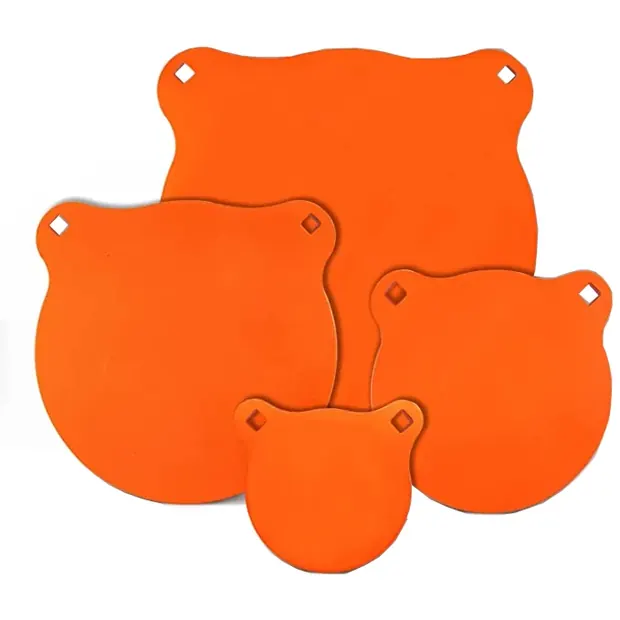
Quenched and tempered wear plate for chutes liners buckets and crusher bodies
Specifications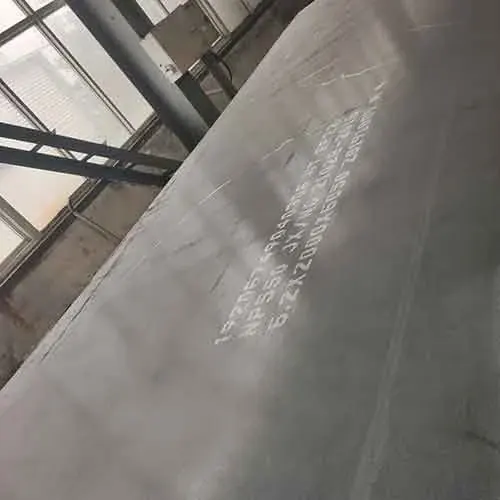
The flat plate program spanning mild structural plate through to armor wear and shipbuilding grades
Read more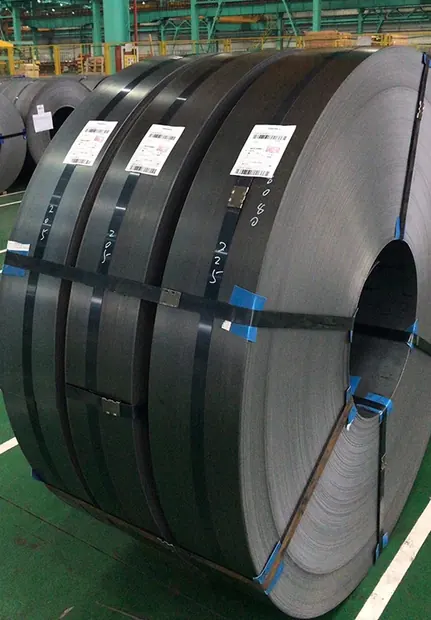
Flat steel bought by the coil for roll forming stamping and decoiling lines rather than by the cut sheet
Read moreLow carbon and medium carbon plate for structural fabrication road plates bridges and machined engineering parts
Read more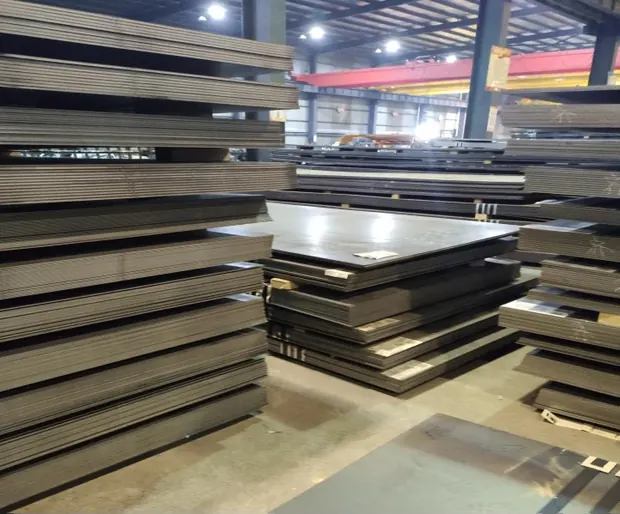
Construction and infrastructure buyers order steel by the part it becomes: mild steel plate for base plates gussets and
Read more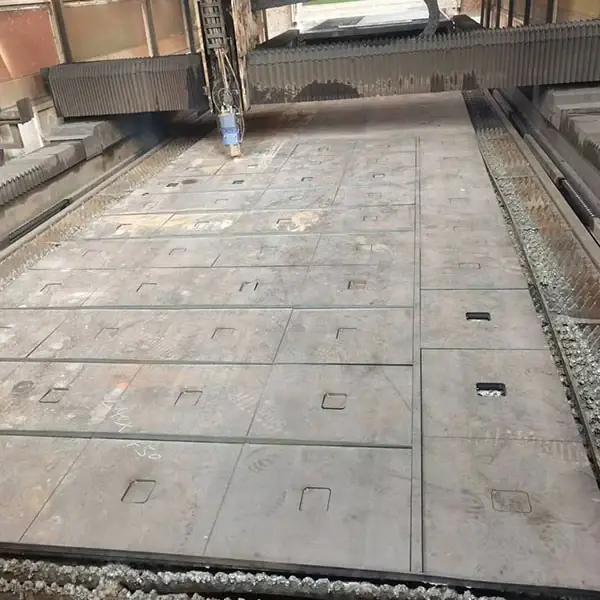
One loader or one tractor needs four different steels and most fabrication shops buy them from four different suppliers.
Read more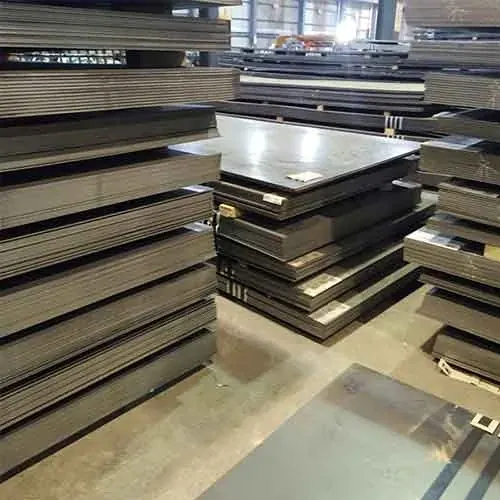
Mines quarries and bulk terminals buy steel to stand between abrasive material and the structure carrying it, so the ord
Read moreBending, welding, decoiling, cutting and punching are the standard processing services across plate, coil and tube. Coil is also cut to width, and surfaces are supplied natural or painted, with galvanizing available on the products that carry it.
Steel sheet runs from 0.1-400mm thickness in widths of 1000mm 1219mm 1500mm 1800mm 2000mm 2500mm 3000mm and 3500mm and lengths of 2000mm 2400mm 3000mm 5800mm and 6000mm. Wear plate and stainless sheet are cut from the 2-100mm range. Send the part sizes and we confirm what nests.
A table of part number, grade, thickness, length, width and quantity is enough to price. Add the drawing where holes bends or edge condition matter, and tell us which dimension is critical so the tolerance is applied where it counts.
Yes. Wear liners are routinely bent to the chute profile and punched for bolt and plug weld holes so a maintenance crew fits the panel instead of fabricating it. Supply the hole pattern with the drawing.
Yes. The mill test certificate is issued against the grade of the parent material and travels with the shipment, so cut parts stay traceable in the same way full plates would be.
Yes. Many orders ship as cut panels for the assembly plus plain plate for the workshop to use as spares. The packing list separates the two so goods inward can book them against different lines.
Tell us what the order looks like and we will confirm how we would run it.