
Shipbuilding Steel Sheet A D E F 32 36 40
Hull and offshore plate in normal and higher strength grades with flatness and weldability
SpecificationsIndustries
Solutions
Resources
Company
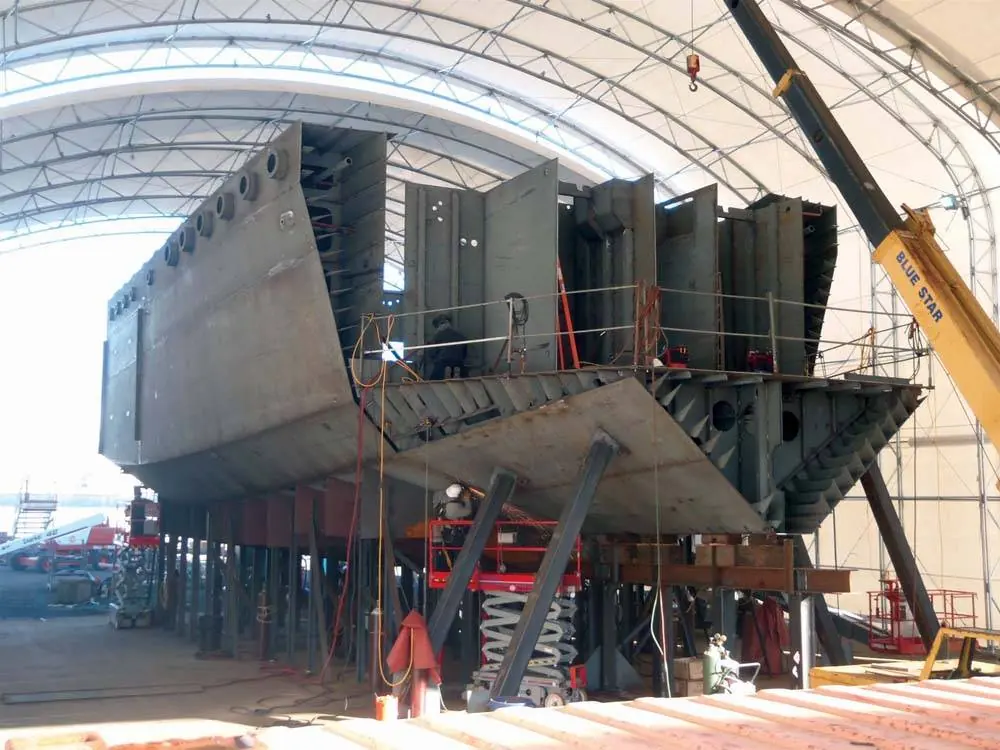
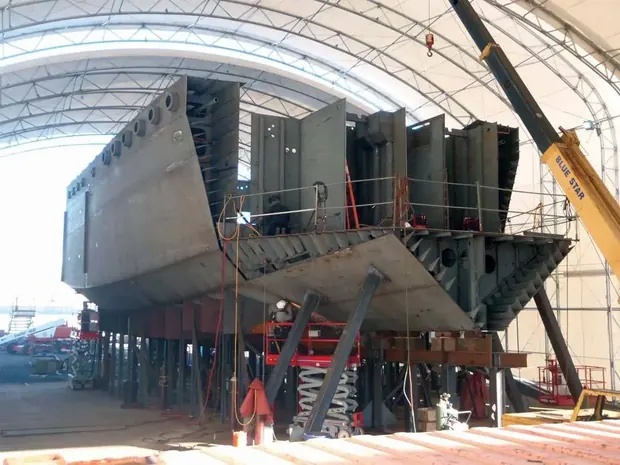
Hull plate is the shell bottom deck bulkhead and superstructure material for workboats tugs barges pontoons fishing vessels and small coastal craft.
Hull plate is the shell bottom deck bulkhead and superstructure material for workboats tugs barges pontoons fishing vessels and small coastal craft. The primary application is already in the name of shipbuilding steel, and the same grade family runs from cabin structures on passenger vessels through to thermomechanically rolled plate used for deck superstructures on offshore platforms and special ships in the oil and gas industry. A small yard buys the plate to be cut nested rolled and welded into frames and shell strakes, often in thin plate in large widths. What the yard is actually paying for is flatness and weldability, because those two properties decide how much time the plate spends in the fairing and fitting stages.
A hull plate order goes wrong in the loft long before it goes wrong at sea. Plate that arrives out of flat has to be pressed or faired before it can be nested, and a yard working to a fixed slipway schedule absorbs that as labor it never quoted. The second trap is grade naming: shipbuilding grades A D E F and the higher strength 32 36 and 40 classes are not interchangeable with structural grades such as S235JR or SS400, even though a merchant will sometimes offer one against the other. The third is certification, because the document the yard needs is decided by the surveyor and the flag, not by the steel supplier, and it has to be settled before the plate is rolled rather than after it is on the berth.
Poor flatness turns into press time and fitting time in a yard where the slipway is the bottleneck. Shipbuilding grades are specified because they exhibit best processing properties such as flatness and weldability, and that is what a small yard is buying.
S235JR SS400 ST37 and ST52 are mild steel structural grades. They are the right plate for a slipway cradle a shed frame or a shore tank and they are not a substitute for a shipbuilding grade in the shell.
The certificate a surveyor accepts has to be named on the purchase order. The documentation supplied is the mill test certificate together with the ISO9001 BV and SGS certification held, and anything beyond that has to be agreed before production.
Plate widths of 1000mm 1219mm 1500mm 1800mm 2000mm 2500mm 3000mm and 3500mm and lengths of 2000mm 2400mm 3000mm 5800mm and 6000mm are available. Ordering the width that suits the nest instead of the width that was in stock last time removes a seam and the welding that goes with it.
Particularly thin plates are used in large widths for cabin and superstructure work. They distort under heat input and they dent in handling, so the welding sequence and the packing both have to account for it.
Shell bottom deck and bulkhead plate is quoted as shipbuilding grade. Cradles jigs shore structures and workshop steel are quoted as mild steel plate, which is available from 0 to 100mm in S235 S235JR S335 SS400 ST37 ST52 E250 E350 SM400 and SM490.
Shipbuilding steel sheet is supplied in grades A D E F and in the higher strength 32 36 and 40 classes. The letter reflects the toughness class your design calls for, so both parts of the designation belong on the enquiry.
Plate is available in thickness from 0.1mm to 400mm with cold rolled and hot rolled technique, in the standard width and length families. Send the nesting plan and the width can be selected to cut seams out of the shell rather than to suit a stock size.
Processing covers bending welding decoiling cutting and punching. A yard with limited plate handling can take parts cut to the cutting list instead of full plates, which moves the offcut and the storage off the yard.
Confirm with your surveyor what the vessel needs, then state it on the order. A mill test certificate is issued against the ordered grade and ISO9001 BV and SGS certification is available on request.
Small vessel work rarely consumes a full plate per part. Decide up front whether surplus stays with the yard as stock or whether the order is cut to size so that only the parts are shipped.
| Shipbuilding Steel Sheet A D E F 32 36 40 | Use when: Shell bottom deck bulkhead and superstructure plate on the vessel itself. Trade-off: The grade family written for hull work with the flatness and weldability the yard needs, and it carries a higher price than a general structural plate of similar thickness. |
|---|---|
| Thermomechanically Rolled High Strength Ship Plate | Use when: Deck superstructures on platforms and special ships in the oil and gas industry where strength matters more than section thickness. Trade-off: Lets a structure be lighter for the same duty, and the welding procedure has to respect the rolling route rather than being carried over from a mild steel plate. |
| Mild Steel Plate and Carbon Steel Plate | Use when: Cradles jigs launch ways shore tanks handrails and workshop fabrication around the vessel. Trade-off: Good plasticity and toughness, easy to weld and easy to shape at a low price, and the wrong plate for a classed hull. |
| S460 High Strength Structural Steel | Use when: Shore gantries lifting frames and heavy handling structures in the yard where a minimum yield strength of 460 MPa saves section. Trade-off: A structural grade rather than a ship grade, supplied from 0 to 100mm in quenched and tempered hot rolled or normalized condition. |
| Stainless Steel Sheet | Use when: Tanks galley fittings exhaust surrounds and deck hardware exposed to seawater and washdown. Trade-off: Corrosion resistance without coating in grades such as 201 304 310 and 316 from 2 to 100mm, at a much higher price per square meter than coated carbon steel. |
Hull and offshore plate in normal and higher strength grades with flatness and weldability
SpecificationsHull and offshore structural sheet in grades A D E F and strength levels 32 36 40
Specifications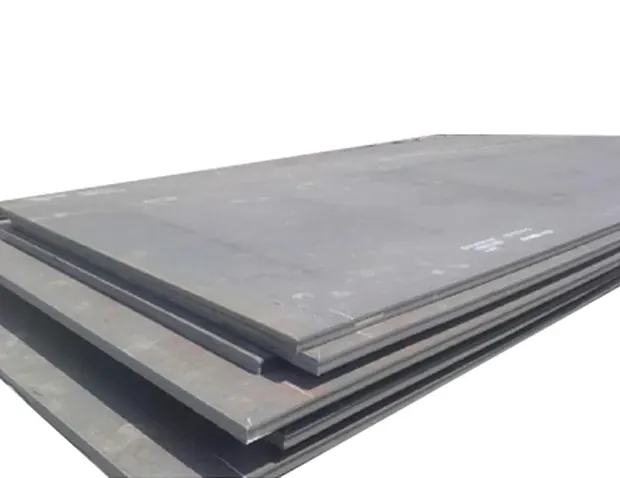
Low carbon plate in 0-100mm for building frames bridge members and fabrication work
SpecificationsMarine grade plate for hull cabin and offshore structures where flatness and weldability decide panel line output
Read moreLow carbon and medium carbon plate for structural fabrication road plates bridges and machined engineering parts
Read more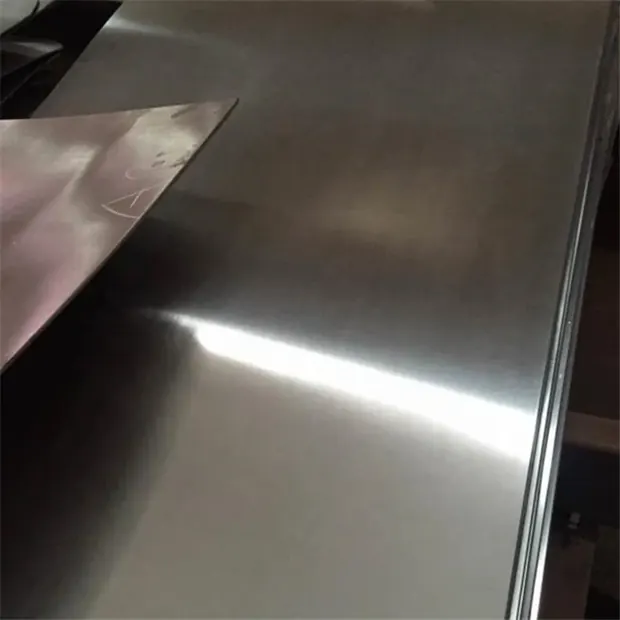
The flat stainless specialism of the steel sheet range where the surface finish is ordered as carefully as the grade
Read moreA shipyard buys plate against a cutting nest and a build sequence, so the two things that matter most are the grade desi
Read moreShipbuilding steel sheet is supplied in grades A D E and F and in the higher strength 32 36 and 40 classes. Give both the strength class and the toughness letter on the enquiry so the right plate is quoted.
Not for the shell. Those are mild steel structural grades and they belong in cradles jigs shore structures and workshop fabrication. The hull plate should be ordered as a shipbuilding grade so that the certificate matches what the surveyor is looking for.
Widths of 1000mm 1219mm 1500mm 1800mm 2000mm 2500mm 3000mm and 3500mm and lengths of 2000mm 2400mm 3000mm 5800mm and 6000mm are available, with thickness from 0.1mm to 400mm in cold rolled or hot rolled technique. Send the nesting plan and the width can be chosen to remove a seam.
Either. Processing covers bending welding decoiling cutting and punching, so a yard without a burning table can receive parts cut to the cutting list and leave the offcut and the storage behind.
A mill test certificate is issued against the ordered grade, and ISO9001 BV and SGS certification is available. Confirm with your surveyor what the vessel and its flag require and state that on the order before production starts.
The stated minimum is 1 ton, or a free sample where you want to check the plate before committing. Tell us the total plate list and the build schedule and the order can be arranged around your slipway dates.
Start with the plate list or nesting plan with part sizes and thicknesses. With that plus the quantity and destination we can put real numbers against each grade.