
- Home
- Products
- CNC Assembly Machines
- CNC Custom Automation Equipment
DK-02 · CNC Assembly Machines
CNC Custom Automation Equipment
Purpose built CNC machines designed around your part when no catalogue machine fits
Overview
What This Machine Does
Most plants reach a point where the part they make does not match anything a machine builder sells from a catalogue. The geometry is unusual, the volume does not justify a transfer line, or the operation combines two processes that are normally separate. That is where a custom CNC machine is the honest answer.
Delkotech designs and builds these machines from the part backwards: the operation is defined, the motion is sized, the control architecture is chosen, and only then does the frame get drawn. The result is equipment designed to run in mass production and able to be validated to current regulatory standards.
The same discipline applies whether the machine is a single station or a multi axis cell: a written sequence of operation, drawings that match what was built, and a rate proved with your parts before it ships.
From the original specification: CNC custom automation equipment is the first service listed by Delkotech.
Key Benefits
What It Changes on Your Floor
Built for your part
Travel, force, cycle and tooling are sized against your actual part rather than a range the machine has to cover for everyone.
No compromise workarounds
You stop designing your process around the limitations of a machine that was never meant for it.
Documented behaviour
The machine is described in a sequence of operation before it is coded, so what it does and what the paperwork says are the same thing.
Room to change
Spare IO, panel space and axis capacity are agreed with you rather than consumed silently.
One accountable supplier
Mechanical, electrical, controls and safety come from one engineering group, so nobody is pointing at anybody else during commissioning.
Application Scenarios
Where It Is Used
Multi axis machining and assembly
Combining drilling, tapping, inserting and checking in one controlled cycle.
Long or awkward workpieces
Parts that do not fit a standard machine envelope, such as extrusions and long rails.
Combined operations
Bringing two processes into one station to remove a transfer and its associated variation.
Low volume high mix
Programmable setups where a hard tooled line would never pay back.
Who It Is For
Plants That Ask for This Machine
- Manufacturers whose part does not fit any standard machine envelope
- Plants combining two manual operations into one automated station
- Producers who need the machine and its documentation to withstand an audit
- Engineering groups who want a build partner, not a box supplier
Problems It Solves
The catalogue machine nearly fits
Nearly is expensive. Fixtures, workarounds and compromise cycles cost more over a machine's life than designing it correctly once.
Two operations, two machines
Every transfer between machines is handling, queueing and a chance to mislocate.
Undocumented equipment
A machine nobody can describe is a machine nobody can validate, change or troubleshoot efficiently.
No path to change
Equipment built with zero spare capacity has to be rebuilt the first time the product changes.
Technical Features
How It Is Built
CNC or servo motion
Axes sized for the travel, force and cycle your operation actually needs.
Written sequence of operation
The machine is defined in plain language before any code is written, and the code is checked against it.
PLC and HMI control
Structured by station so a change to one part of the cycle does not ripple through the program.
Designed for validation
Built to operate in mass production and to be validated to current regulatory standards.
Safety designed at layout
Guarding and access considered when the machine is laid out, not after the frame exists.
As built documentation
Electrical drawings, sequence of operation and test records supplied with the machine.
Specifications
Specification Sheet
Delkotech builds to order, so dimensional and performance values are set against your part at design review, then measured and recorded before shipment. Values not yet fixed for your project are marked TBC rather than guessed.
| Machine type | Custom CNC and servo controlled automation, single or multi station |
|---|---|
| Design basis | Built to the customer part and process specification |
| Axis count | Specified per application |
| Travels | TBC - confirmed at design review |
| Positioning repeatability | TBC - confirmed at design review |
| Cycle time | TBC - confirmed at design review |
| Applied force | TBC - confirmed at design review |
| Footprint | TBC - confirmed at design review |
| Control platform | PLC with HMI, platform agreed with the customer |
| Documentation | Sequence of operation, as built electrical drawings, test records |
| Validation | Designed to be validated to current regulatory standards |
| Electrical supply | TBC - confirmed at design review |
| Compressed air | TBC - confirmed at design review |
| Built at | Delkotech facility, Vaughan, Ontario, Canada |
| Structure | Welded and machined steel, stress relieved where accuracy requires it |
|---|---|
| Motion | Guided linear axes and precision screws sized to the duty |
| Tooling | Hardened tool steel on wear and locating surfaces |
| Handles | Metal, plastic and assembled components as specified |
Manufacturing Process
From Enquiry to Commissioned Machine
Requirement capture
Part, operation, rate, tolerance, floor space and interfaces are recorded in writing and agreed before design starts.
Concept and layout
A machine concept is presented with the layout, cycle estimate and safety approach.
Detail design
Mechanical, electrical and controls designed together against the agreed concept.
Build
Manufactured and assembled at the Vaughan facility.
Try out and rate proving
Dry cycle, then customer parts, then rate.
Installation, commissioning and training
Installed on your floor, interfaced, and handed over with training and documentation.
Quality Control
What Is Checked Before It Ships
- Axis travel, squareness and repeatability measured and recorded
- Sequence of operation verified against the written document, step by step
- Failure modes tested, not only the normal cycle
- Safety functions verified and recorded
- Rate run with customer parts before shipment
Certifications
Compliance Position
Delkotech builds equipment designed to operate in mass production and able to be validated to current regulatory standards. Specific marks and certificates required for a given project are agreed at contract stage and are listed as TBC until confirmed.
Customization Options
- Station count and layout set to your cycle and floor space
- Control platform matched to what your maintenance team already supports
- Spare IO and panel capacity agreed in writing
- Interfaces to upstream and downstream equipment
- Data output to your plant systems
- Tooling for a part family rather than a single part
Comparison
Compared With the Alternatives
| Standard catalogue machine | Lower cost and shorter lead time when your part genuinely matches its envelope. The cost appears later as fixtures and compromises when it does not. |
|---|---|
| Assembling a cell from separate vendors | Workable for a simple application. The integration risk and the finger pointing during commissioning are the hidden cost. |
| Keeping the operation manual | Right at low volume. Once the operation is repeated and the tolerance matters, the manual route costs more in variation than the machine costs in capital. |
Use Guide
Running It Well
Start from the part
The most useful thing to send at enquiry is the part drawing and a sample, not a specification for a machine you have already imagined.
Be honest about the variants
The part that only runs twice a year is the one that breaks a machine designed for the other fifty weeks.
Agree the spare capacity
Decide at design review how much spare IO and panel space you want. It is cheap then and expensive later.
Use the sequence of operation
It is the reference document for training, troubleshooting and any future change. Keep it with the machine.
Photographs
The Machine in the Shop
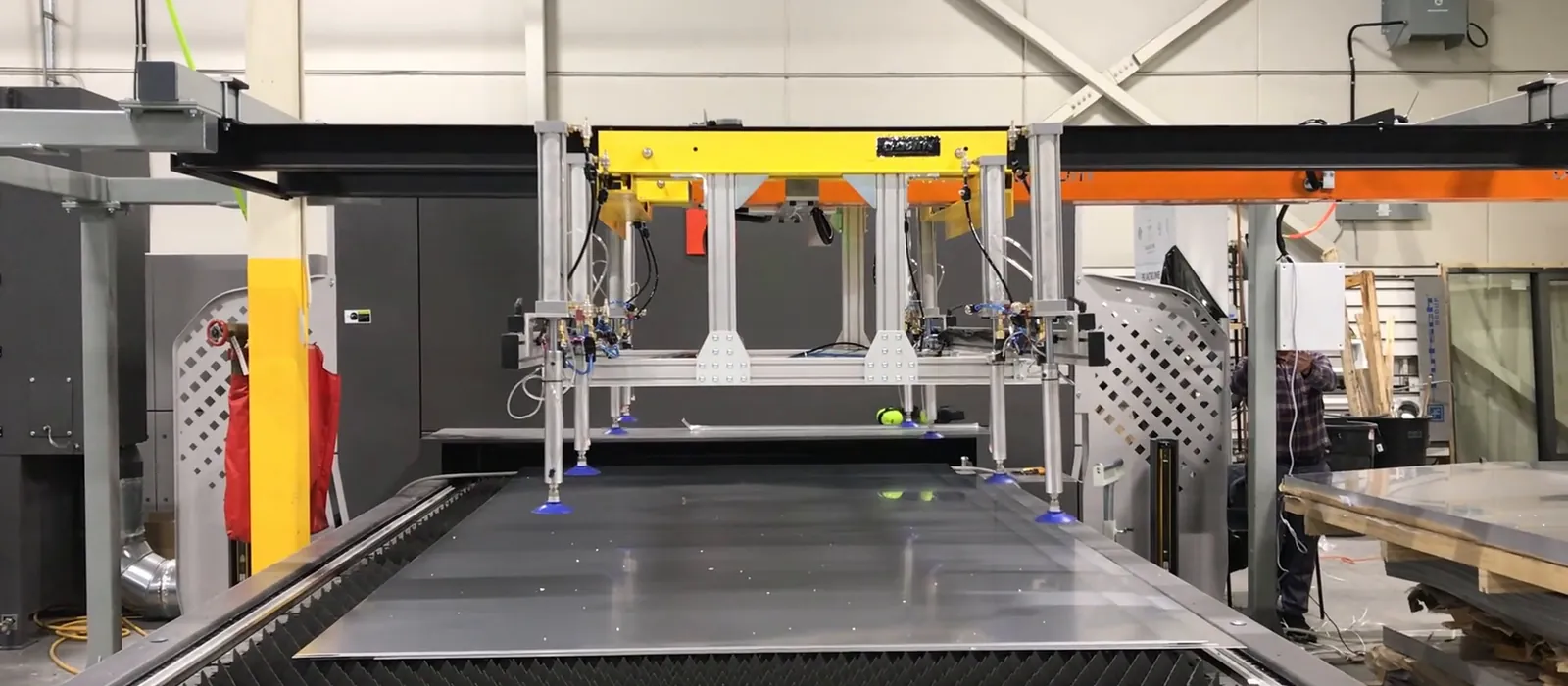
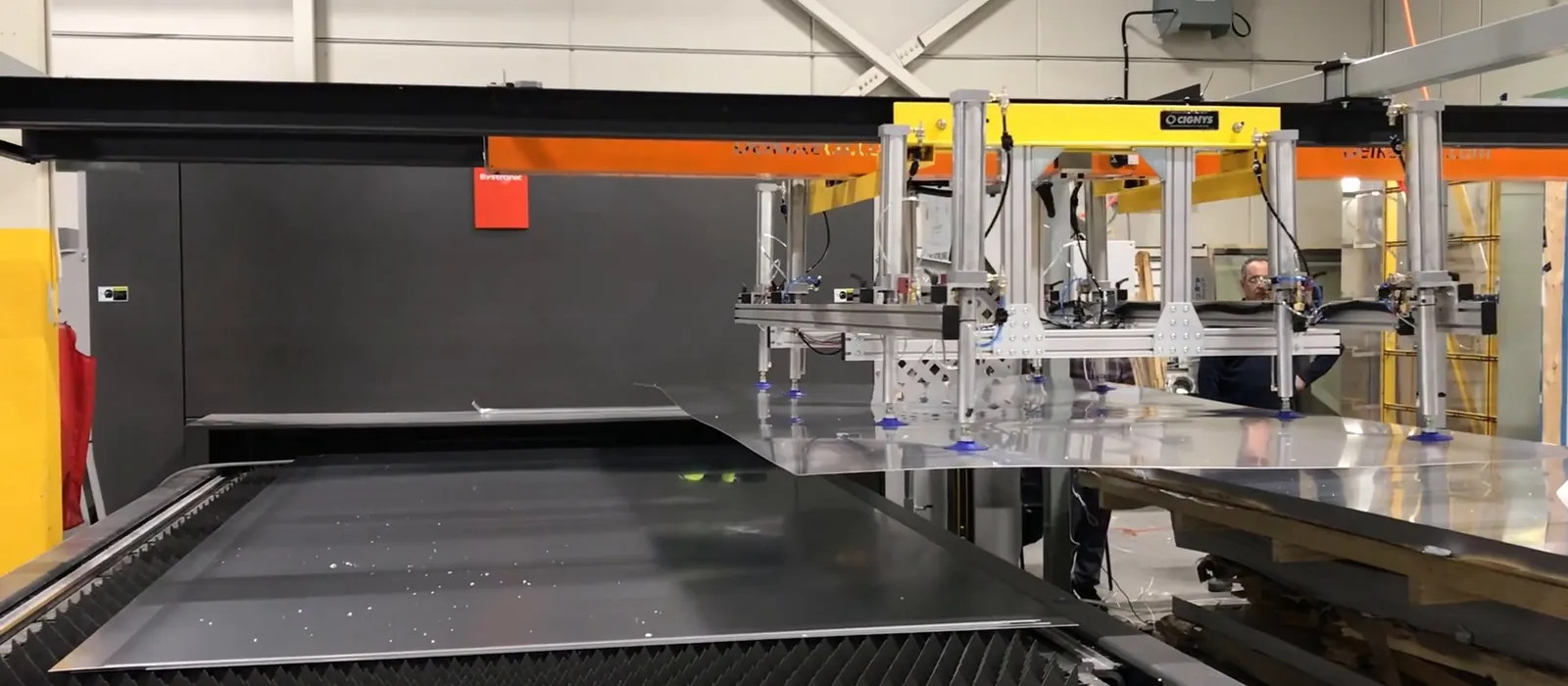
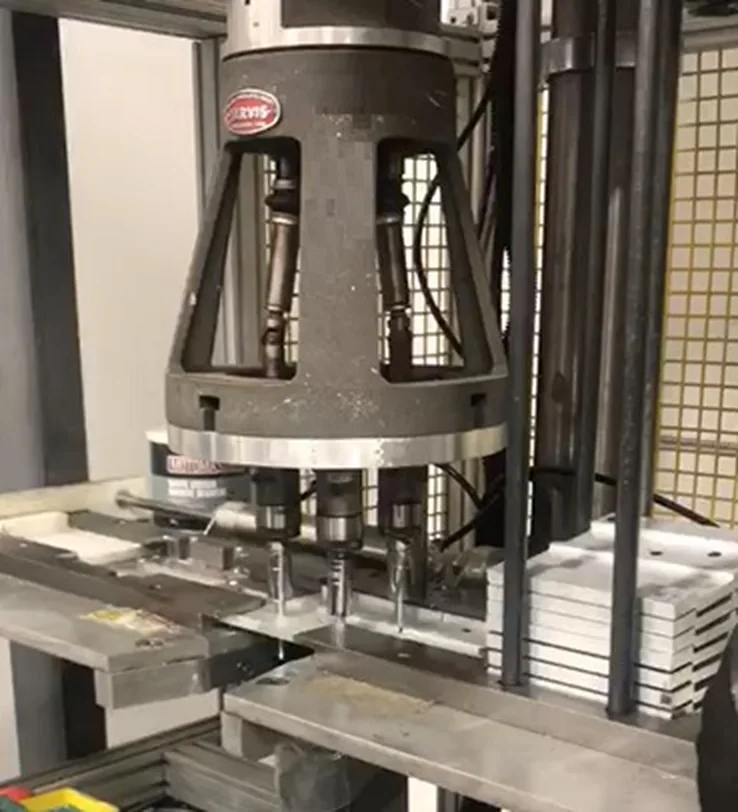
Photographs of Delkotech built equipment. No stock imagery is used on this site.
Questions
CNC Custom Automation Equipment Questions
How do you price a machine that does not exist yet?
The concept and layout stage produces a defined scope: stations, motion, controls, safety and documentation. Pricing follows that scope, so both sides are quoting the same machine.
What do you need from us to start?
Part drawings, real samples, the operation you want performed, the rate you need and the floor space available. Interfaces to existing equipment matter too.
Will it be validated?
The machine is designed to be validated to current regulatory standards and is supplied with the documentation that supports validation. The validation itself is normally executed with your quality group against your protocols.
What control platform do you use?
We agree the platform with you. Matching what your maintenance team already supports is usually worth more than any technical preference we might have.
Can you interface to equipment we already own?
Yes. Tell us the make, model and available signals of the machines either side and the handshake is designed in.
Where is the machine built?
At the Delkotech facility at Unit 4, 12 Bradwick Dr., Vaughan, Ontario. Customer witnessed try out before shipment can be arranged.
Related
Related Equipment
CNC Assembly Machines
CNC Guard Rail Assembly Machines
Index and fasten long rail assemblies to a programmed pattern instead of by hand marking
View equipmentCNC Assembly Machines
Multi Spindle Screw Machines
Drive every fastener in a pattern in one stroke with torque controlled at each spindle
View equipmentSheet Metal Automation
Place Processing Automation Machines
Stations that position the part and perform the operation in one controlled cycle
View equipmentRelated
Related Articles
Buying Guide
Why a Sequence of Operation Comes Before the Code
The single document that determines whether a custom machine project goes well
Read the articleChecklist
Running a Useful Factory Acceptance Test
What to test before a custom machine leaves the builder's floor
Read the articleComparison Guide
Gantry or Robot for Pick and Place
How to choose between a gantry and an articulated robot for a handling application
Read the articleTalk to an engineer
Get a Quotation for This Machine
Send the part drawing, the operation and the rate you need. You will get a concept and a defined scope, not a brochure.