
Client Background
Manufacturer moving a multi step product from bench assembly to a production line
Project Challenge
The product was made across several separate benches. Work in progress collected between them, the part was located again at every step, and nobody could say where the line rate actually was.
Customer Pain Points
- Work in progress collecting between operations
- The part re-located at every step, adding error each time
- No single record covering the whole product
- Operations optimised individually and never balanced against each other
- Floor space consumed by benches and the queues between them
Our Solution
What We Built
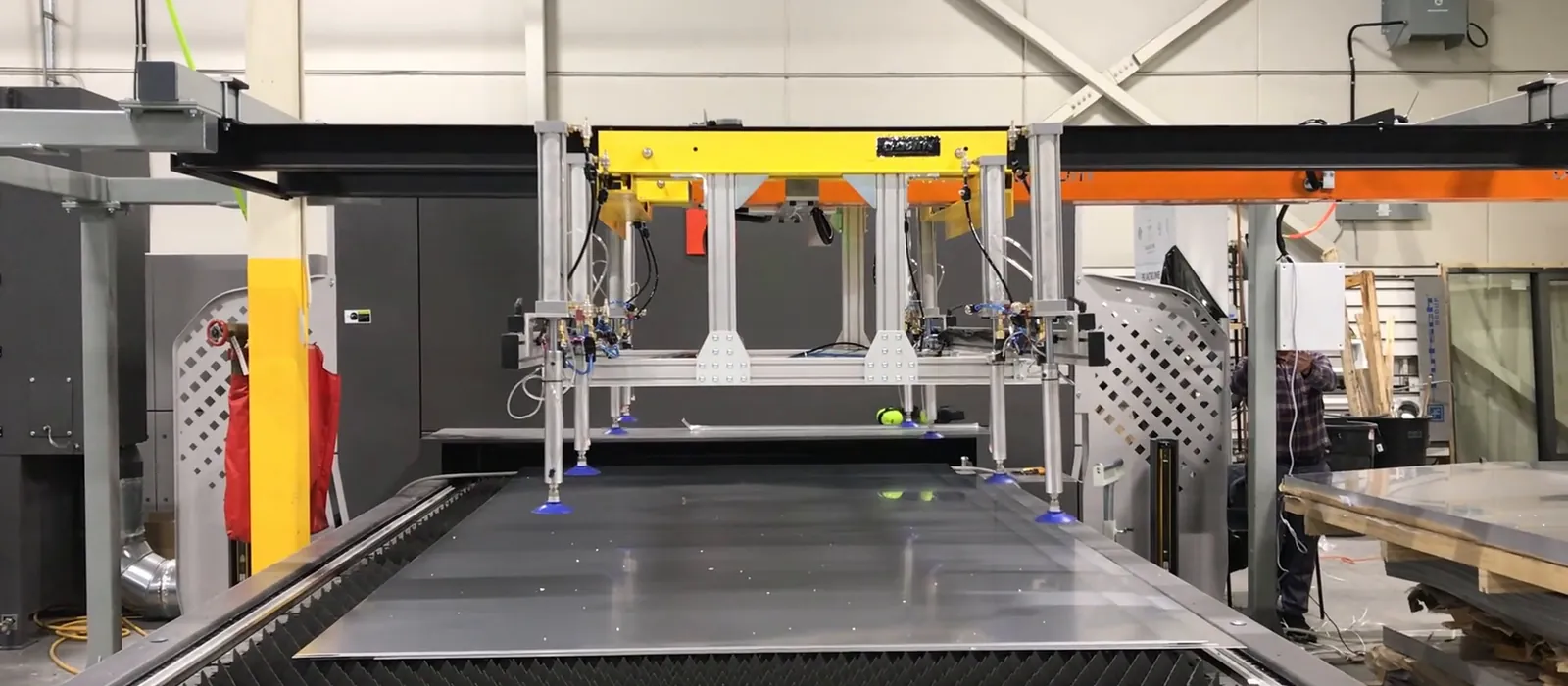
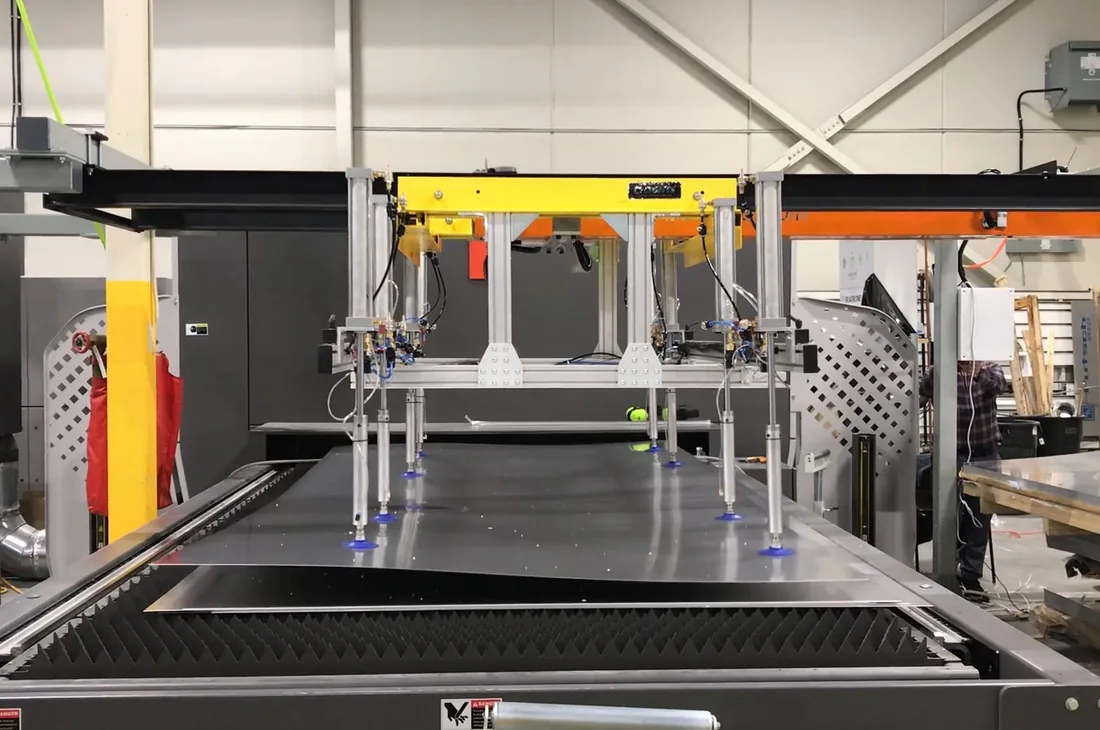
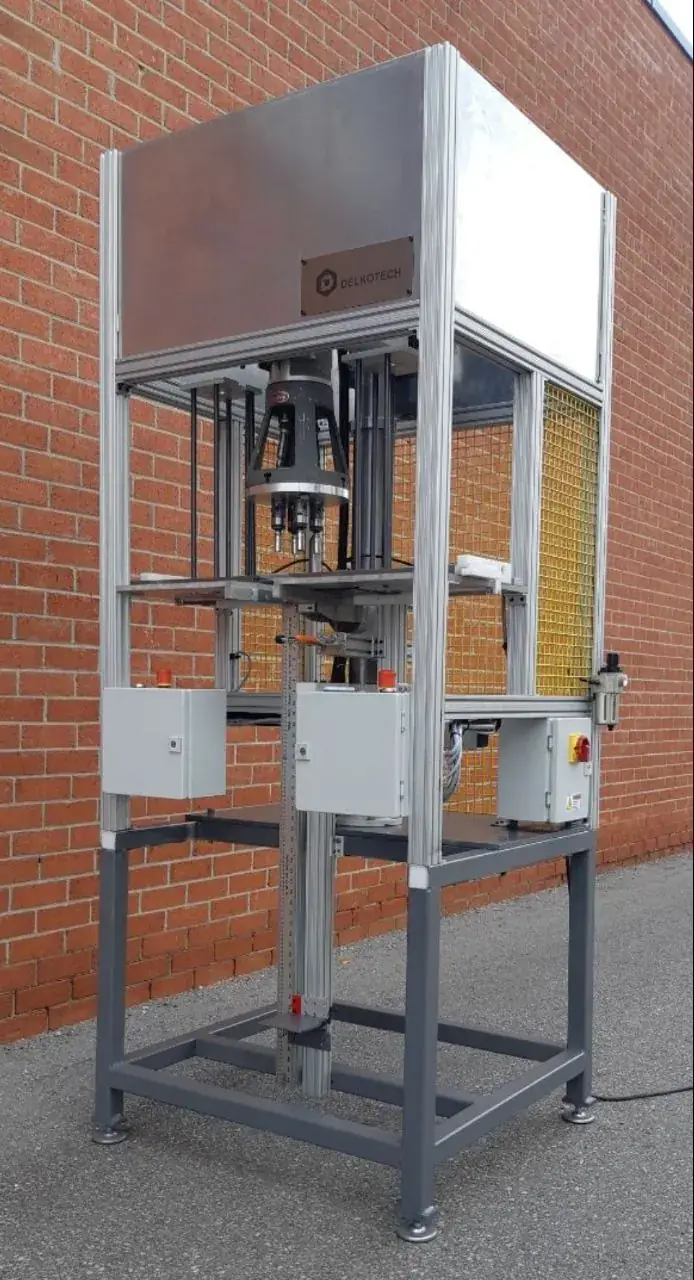
A production line bringing the process steps into one controlled sequence with a single part location carried through the stations. Station order and cycle were balanced against the target rate, checks were placed between processes so value is not added to a part that has already failed, and the whole line runs under one control system with one record per part.
Manufacturing Process
How the Machine Was Built
Process sequence study
Every existing operation walked through, timed and questioned before it was designed into a line.
Layout and balance
Station order and cycle balance agreed against a target rate.
Design
Stations, transfer, controls and safety designed as one package.
Build and integration
Manufactured and integrated at the Vaughan facility.
Rate proving
Run to rate with customer parts, with each station measured individually.
Installation
Installed and handed over with training and documentation.
Supply Chain Coordination
Sourcing and Build
Station hardware, transfer components and controls are specified as one package. The control platform is matched to what the customer's maintenance team already supports, and spare station capacity is agreed in writing at concept stage.
Quality Control
Checked Before Shipment
- Each station verified individually before the line was run as a whole
- Pallet and nest locations measured against the part drawing
- Station to station datum consistency confirmed
- Full line run to rate with customer parts
- Fault recovery behaviour verified and documented
Final Result
What the Machine Does Now
The product is made in one controlled sequence instead of across a row of benches. Work in progress between operations is gone, the part is located once, and the line produces a single record per part.
Customer Benefit
Why It Mattered
A measurable line rate, a smaller footprint, and a record that can answer a question about an individual part months later.
Customer identity, product details, rate and commercial terms are not published. Technical discussion is available on request.
Photographs
The Machine on the Floor
Related
Equipment Used
Device Assembly Systems
Combination Device Assembly
Multi station systems that bring several assembly processes into one controlled cycle
View equipmentCNC Assembly Machines
CNC Custom Automation Equipment
Purpose built CNC machines designed around your part when no catalogue machine fits
View equipmentDevice Assembly Systems
Safety Device Assembly Systems
Assembly and test systems for devices where every unit must be proved before it ships
View equipmentRelated
Related Reading
Questions
About This Project
Can you tell us who the customer was?
Customer identity, product details, rate and commercial terms are not published. Technical discussion is available on request.
Could you build the same machine for us?
Not identically, and that is the point. The machine was designed around one customer's part, rate and floor space. The same approach applied to your part produces a different machine.
How long did the project take?
Project duration depends on scope and the build schedule at the time. We are happy to give you a realistic schedule for your own requirement once the scope is defined.
What was proved before the machine shipped?
The checks listed in the quality control section of this page, run at the Vaughan facility. Customer witnessed try out before shipment can be arranged.
How do we start a similar project?
Email [email protected] with the part drawing, the operation and the rate. That is enough for a concept and a defined scope.
Talk to an engineer
Have a Similar Operation
Send the part and describe the step. We will tell you what the same approach would look like applied to your line.