
- Home
- Knowledge Centre
- Running a Useful Factory Acceptance Test
Checklist
Running a Useful Factory Acceptance Test
What to test before a custom machine leaves the builder's floor
Introduction
A factory acceptance test is the last point at which a problem is cheap to fix. Run well it prevents months of commissioning pain. Run as a demonstration, it proves only that the machine can work once, which nobody was ever in doubt about.
All Articles
Bring your own parts, including the bad ones
A machine demonstrated on ideal samples tells you nothing about production. Bring parts from actual production, including the variant at the edge of tolerance and the one that only runs twice a year.
Bring known bad parts too. A test that only proves the machine accepts good parts has not tested the checking at all.
Test the failure cases deliberately
Remove a part mid cycle. Block a sensor. Open a guard while running. Stop the air. Each of these should produce the behaviour described in the sequence of operation, and you should watch it happen.
The recovery matters as much as the detection: what happens to the part that was in process, and what does the operator have to do to restart?
Measure the rate over time, not over one cycle
A single fast cycle is not a rate. Run the machine continuously for a meaningful period and measure what it produced, including any stoppages.
If changeover is part of your operation, time a real changeover during the test rather than accepting an estimate.
Check the documentation while you are there
Electrical drawings should match what is in the panel. Wire numbers on the drawing should be on the wires.
The sequence of operation should match what the machine actually does. Walk it step by step.
Spare parts lists, maintenance schedules and any calibration certificates should be present rather than promised.
Bring the people who will live with it
A maintenance technician spots things in an hour on the builder's floor that take weeks to discover on your own. So does an experienced operator.
Anything they raise is cheaper to address before the machine is crated than after it is installed.
Write down what is outstanding
A short, specific list of open items agreed by both sides at the end of the test is worth more than a general sense that it went well. Vague acceptance becomes an argument at installation.
Takeaways
The Short Version
- Test with your own parts, including the difficult and the deliberately bad ones
- Induce the failure cases and watch the recovery, not just the detection
- Measure rate over a continuous run and time a real changeover
- Check the documentation against the machine while you are standing next to it
Related
Equipment Discussed
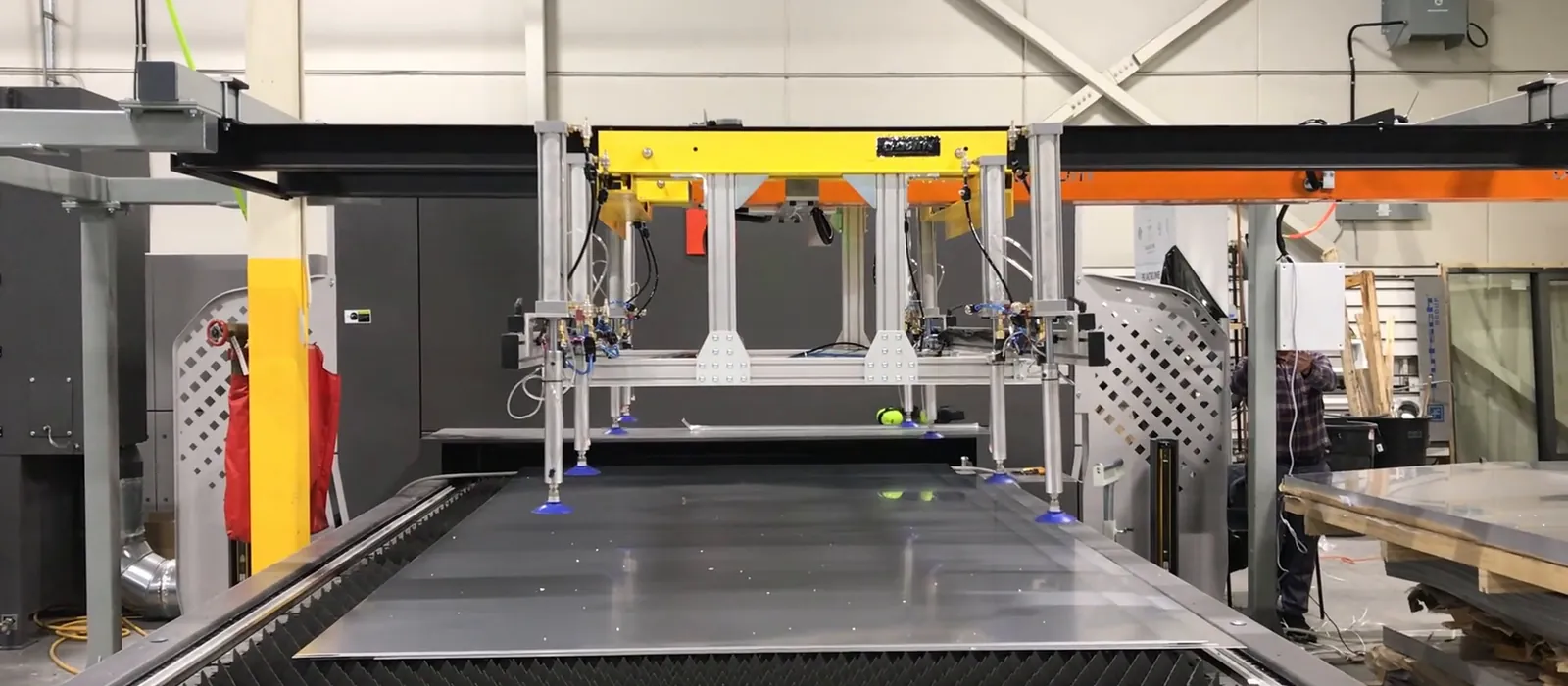
CNC Assembly Machines
CNC Custom Automation Equipment
Purpose built CNC machines designed around your part when no catalogue machine fits
View equipment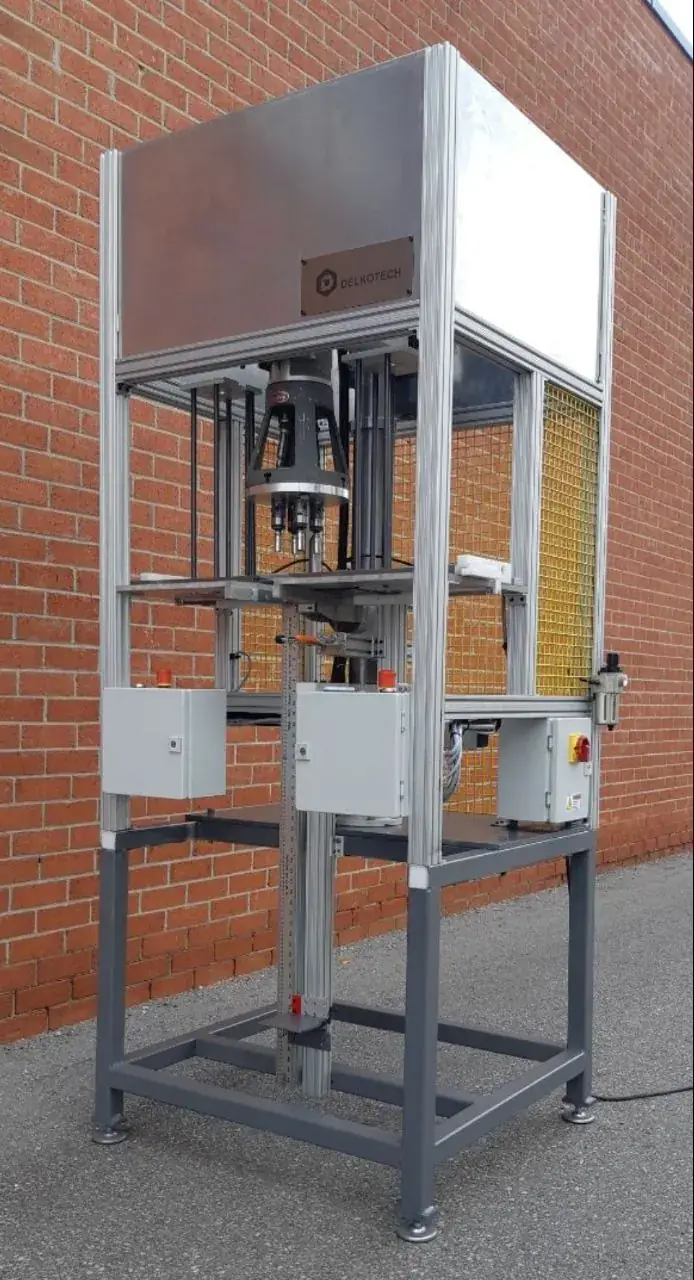
Device Assembly Systems
Safety Device Assembly Systems
Assembly and test systems for devices where every unit must be proved before it ships
View equipmentQuestions
Questions About This Article
What is the short answer?
Test with your own parts, including the difficult and the deliberately bad ones.
Does this apply to equipment we already own?
Most of it does. The engineering described here is not specific to Delkotech machines, although where our equipment is relevant we link to it.
Who should read this?
Engineering, maintenance and production people who have to specify, buy or live with the equipment. It is written to be useful on the floor rather than in a brochure.
Can Delkotech advise on our specific case?
Yes. Email [email protected] with the part, the operation and what is going wrong, and you will get an engineer's answer rather than a sales response.
Talk to an engineer
Ask About Your Own Application
Send the part and the problem. You will get an engineer's answer, including when the answer is that automation is not the right call.