
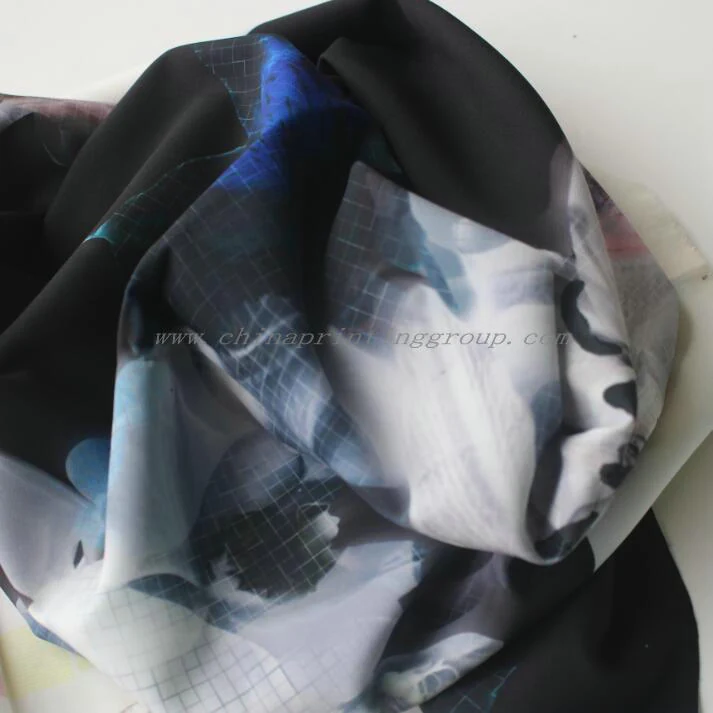
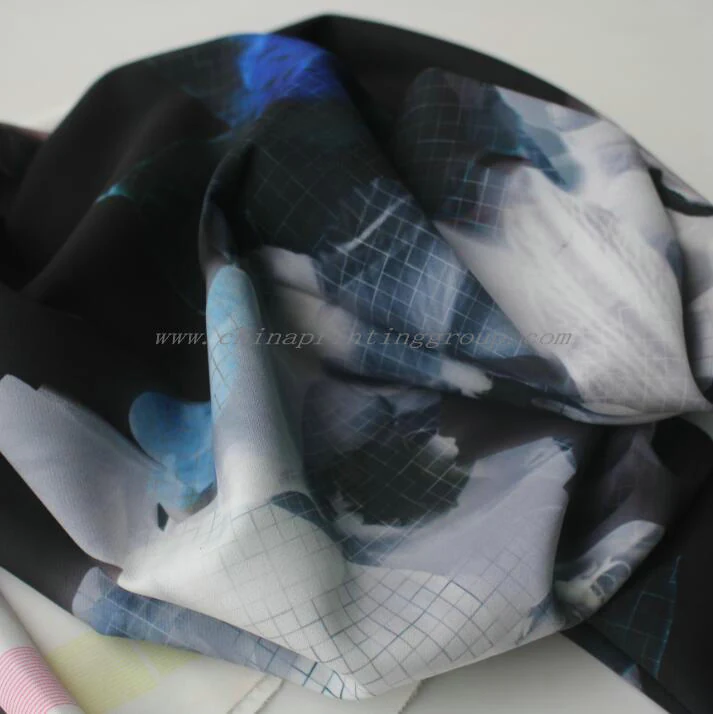
Digital Printed Fabric of Polyester or Silk Sublimation Printing
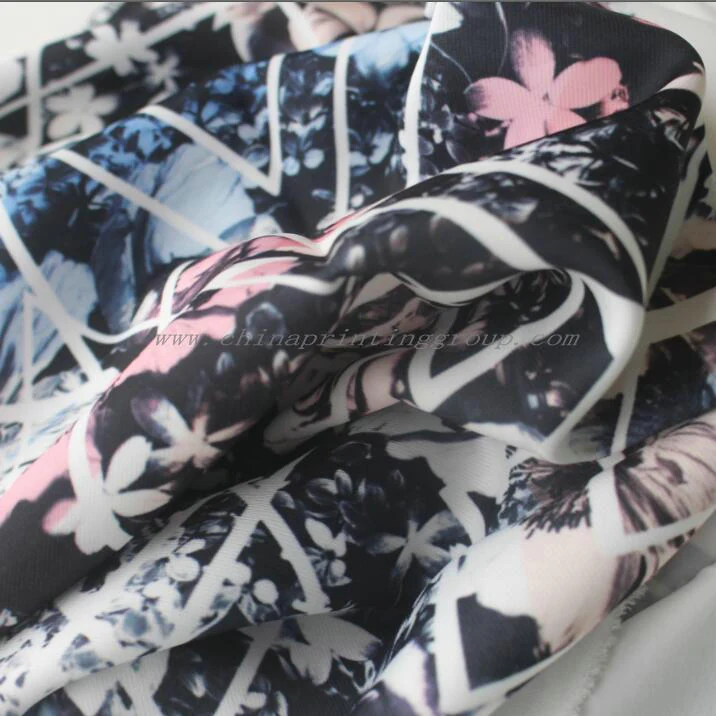
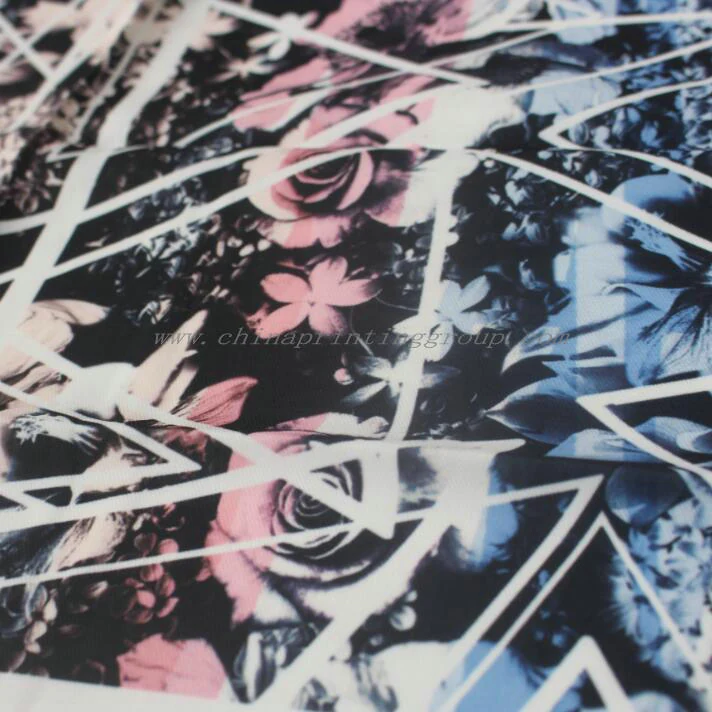
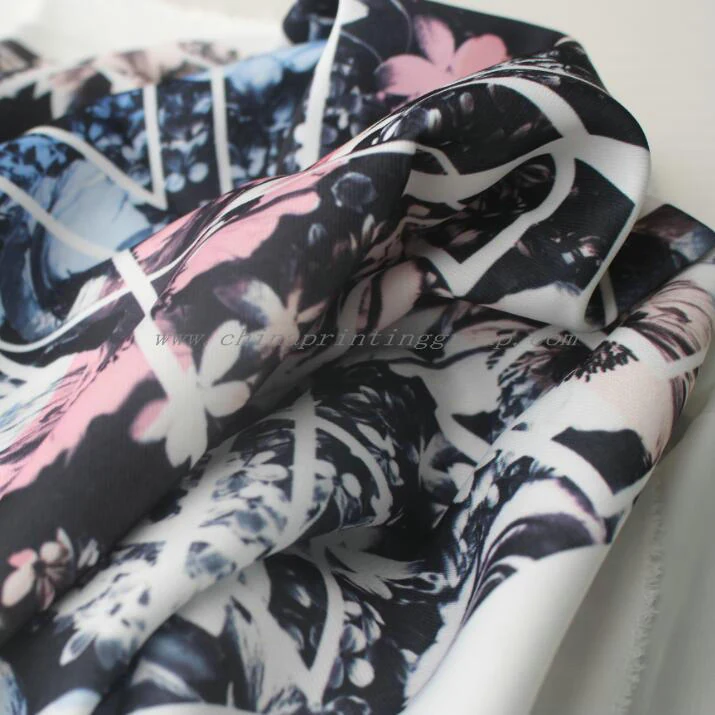
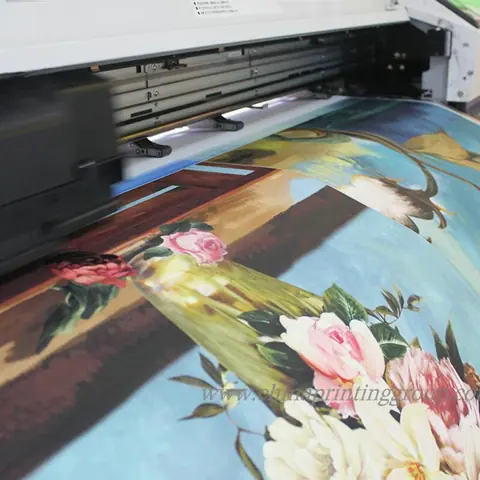
Digitally printed fabric produced by loading the pattern into a CAD colour separation system and driving a micro piezoelectric inkjet head to spray dye directly onto the cloth, with no screens and no engraved rollers. Base cloth is 100% polyester or silk at 50 to 52 inch width and 195 g or 200g weight, and knitted soft satin and stretch polyester are available where the finished article has to move. Because dye is sprayed only where the pattern needs it, the process is used by buyers producing awnings, tents, home textiles, upholstery and wedding fabrics who cannot justify screen set-up for short runs.
What This Product Gives You
- No screens or rollers to engrave, so a short run or a single repeat costs what it costs without a tooling charge
- Dye is sprayed only where the pattern falls, which is why the process is associated with green textile manufacturing
- Resolution from 360 to 1200 dpi reproduces photographic and fine line artwork that rotary screens cannot hold
- A design change is a file change, so a sampling round does not mean re-engraving anything
- Shrinkage typically under 3% after washing keeps cut pieces within pattern tolerance
- Flame retardant, waterproof, blackout and tear-resistant finishes let one printed design serve indoor and outdoor products
Where It Is Used and Who Buys It
Application Scenarios
- Awning and outdoor canopy fabric printed to a repeating pattern
- Tent and event structure panels carrying branded artwork
- Home textile ranges including curtains, cushions and bedding
- Upholstery fabric for furniture and contract interiors
- Wedding and event drapery in printed silk or soft satin
Who It Is For
- Home textile brands sourcing short-run printed cloth
- Awning and tent manufacturers buying finished printed fabric
- Upholstery and contract furnishing buyers
- Event and exhibition contractors producing printed drapery and banners
- Apparel developers sampling prints before committing to a screen printed bulk run
What Goes Wrong Without It
- Rotary screen printing carries a set-up cost that makes a short or sampled run uneconomic
- Screen printing limits the number of colours, so a photographic or gradient design cannot be reproduced
- Waiting for screens to be engraved puts a week between an approved design and the first metre of cloth
- Fabric that shrinks unpredictably after washing throws off cut pieces that were within tolerance on the roll
- Buying separate cloth for indoor and outdoor versions of the same product doubles the print set-up
Technical Features
- CAD colour separation and tracing drives a micro piezoelectric inkjet head spraying dye direct to cloth
- Sublimation printing onto 100% polyester and silk
- Print resolution commonly 360 to 1200 dpi in CMYK or CMYK plus spot colours
- Base cloth width 50 to 52 inches, with repeat size limited by printer width
- Fabric weight of 195 g or 200g, with light, medium and heavy substrates available
- Functional finishes including waterproof, flame retardant, anti-static, blackout, heat insulation, tear-resistant and shrink-resistant
Specification
| Base Fabric | 100% polyester or silk |
|---|---|
| Width | 50 to 52 inches |
| Weight | 195 g or 200g |
| Weight Ranges | Light 60-120 gsm, medium 120-250 gsm, heavy 250 gsm and above |
| Print Process | Digital sublimation inkjet printing |
| Print Resolution | 360 to 1200 dpi |
| Colour Gamut | CMYK or CMYK plus spot colours |
| Fibre Options | Cotton, polyester, linen, silk, rayon, nylon |
| Pre-Treatment | Pre-shrunk and pre-coated for digital printing |
| Shrinkage | Typically under 3% after washing |
| Stretch | Non-stretch or stretch, especially on knits |
| Features | Memory, waterproof, flame retardant, anti-static, tear-resistant, heat insulation, blackout, shrink-resistant |
| Use | Awning, tent, home textile, upholstery, wedding |
| Hand Feel | Soft or crisp depending on finish |
Materials and Manufacturing Process
Materials
- 100% polyester
- Silk
- Knitted soft satin
- Stretch polyester
- Cotton
- Linen
- Rayon
- Nylon
Manufacturing Process
- Artwork loaded into CAD colour separation and tracing system
- Fabric pre-shrinking and pre-coating
- Micro piezoelectric inkjet dye application
- Heat setting
- Washing and finishing
- Roll inspection
- Packing
How This Job Is Checked
- Artwork preflighted and a proof approved before the first metre is printed
- Printed colour checked by hand against the approved artwork along the roll
- Repeat alignment checked where the design runs continuously
- Fabric weight and width verified against the ordered specification
- Photographs of the finished rolls sent for approval before shipment
What You Can Change
- Any pattern supplied as a digital file, including photographic and gradient artwork
- Base cloth chosen from polyester, silk, cotton, linen, rayon or nylon
- Fabric weight selected across the light, medium and heavy ranges
- Functional finishes such as waterproof, flame retardant or blackout applied to the same design
- Stretch or non-stretch base for garments that must move
- Repeat size set to the design, within the limit of the printer width
Compared With the Alternatives
| Alternative | How This Compares |
|---|---|
| Rotary screen printing | Digital printing needs no screens so short runs and design changes cost nothing extra, while rotary screens are cheaper per metre once the run is long and hold heavier solid coverage |
| Heat transfer printed fabric | Sublimation puts dye into the polyester fibre so there is no surface film to crack, though heat transfer works on fibres that sublimation will not take |
| Solid dyed fabric | Digital printing carries any pattern at any resolution, but a piece dyed solid gives more even colour edge to edge on a plain cloth |
Getting the Best Result
- Supply artwork at the print size and at least 300dpi so it survives enlargement to the repeat
- Keep the repeat within the 50 to 52 inch printable width or it will be cut across rolls
- Specify polyester where sublimation is required, since the dye bonds into polyester fibre
- Allow for the shrinkage of up to 3% after washing when calculating cut piece yields
- Choose the flame retardant finish for tent and event work where venues require it
- Request a printed strike-off and approve colour on the actual base cloth, not on paper
Other Products in This Group
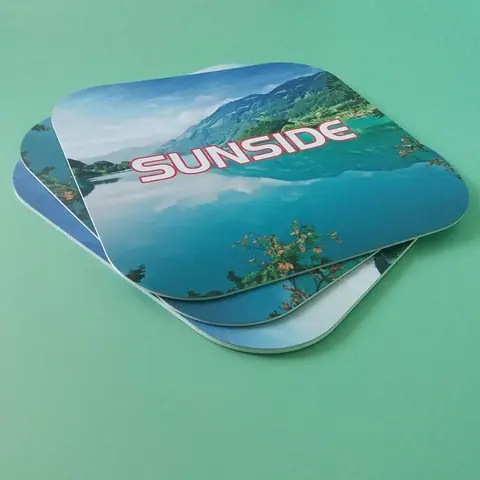
PVC Foam Board Sign 3-15mm Durable Anti-UV Foam Signs
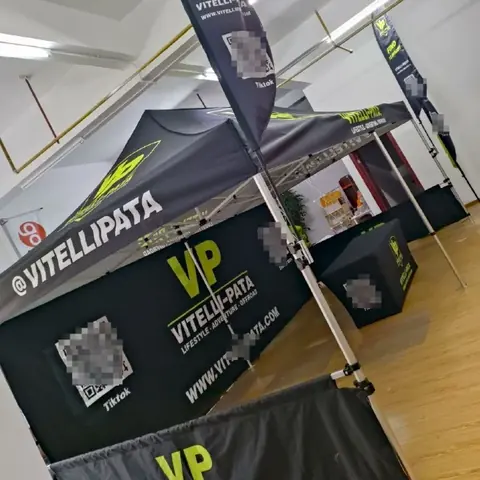
Custom Canopy Tent for Expo With Back Wall Dye-sublimation Printing
Retractable Banners Roll up Advertising Big Stands 4x8ft
Banners and Backdrops MOQ 1PC Luxury Knitted Polyester Printing
Digital Printed Fabric of Polyester or Silk Sublimation Printing FAQ
What width is the fabric?
50 to 52 inches. The maximum repeat size is limited by that printable width.
What fabric weights do you supply?
195 g and 200g as standard, and the wider range runs light at 60-120 gsm, medium at 120-250 gsm and heavy at 250 gsm and above.
How much does the fabric shrink?
Typically under 3% after washing. The cloth is pre-shrunk and pre-coated before printing, which is what keeps that figure predictable.
What resolution do you print at?
Commonly 360 to 1200 dpi in CMYK or CMYK plus spot colours, which is enough for photographic and fine line artwork.
Is there a set-up charge for a new design?
Digital printing uses no screens or engraved rollers, so a new design is a file change rather than a tooling job.
Which fabrics can you print?
100% polyester and silk as the main options, plus cotton, linen, rayon and nylon base cloth, in woven or knitted construction.
What finishes are available?
Waterproof, flame retardant, anti-static, blackout, heat insulation, tear-resistant and shrink-resistant, selected to suit the end product.
Quote Digital Printed Fabric of Polyester or Silk Sublimation Printing
Send the quantity, size and finish. Digital samples run in 1-2 working days and custom sample cost is refunded once the bulk order is confirmed.