
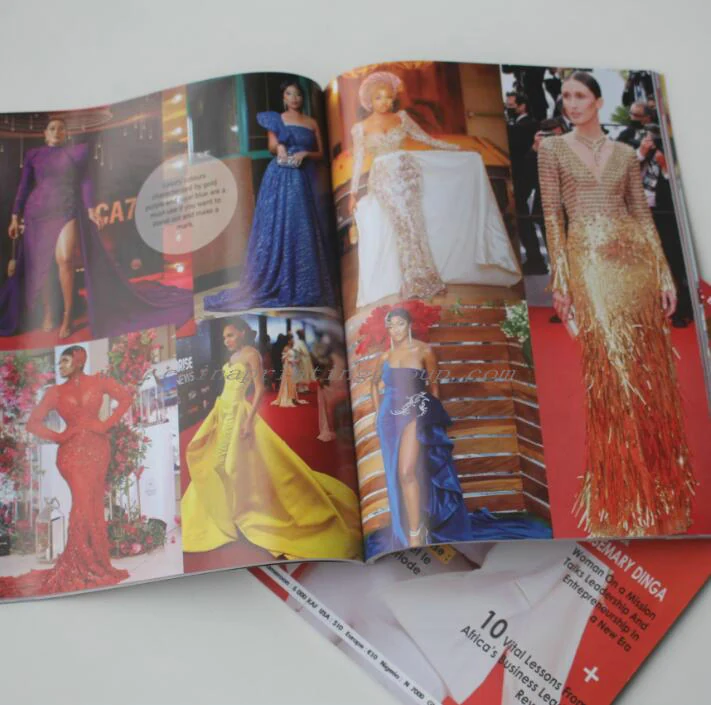
Magazine Printing Cost in the Digital Age
Printed magazines still do work that a digital edition cannot: they hold attention, they stay on desks and tables for months, and they lend a brand a credibility a social post does not. The question for a buyer is not whether to print but how to specify a run so the money goes into the things readers notice. This guide covers the practical uses, the reasons print still performs, and the specification decisions that move the price.
Where Printed Magazines Still Earn Their Place
Handing someone a printed magazine at a trade show or event leaves a different impression from a flyer, because it has weight and it presents a brand or product range in a finished format. Retail lookbooks and product catalogues let a customer browse without screen distractions and carry the range away with them. Both uses work precisely because the item is physical, which is not something a PDF can be made to imitate.
Internal and Community Publishing
Not every workforce is desk-based or digitally connected, and a printed internal magazine reaches people a company intranet does not: company updates, staff recognition and HR content in a form that is always accessible. Local community publications work the same way, carrying neighbourhood news, events and advertising to readers who are not active on social media and are not going to become so.
Portfolios and Educational Material
Artists, photographers and designers print portfolios because a well-produced magazine presents work in a tangible form that can be left with a client or displayed in a studio. Schools and non-profits print magazines and booklets for lessons, fundraising and awareness campaigns because they are simple to distribute, need no devices and no Wi-Fi, and reach everyone in a room at once.
Why Print Still Holds Attention
People read printed material differently. Holding a magazine, turning pages and physically engaging with the content supports deeper reading and better retention than scrolling. It also works with no battery and no connection, which matters for travel, for remote locations and for readers who deliberately keep away from screens. Against a constant stream of digital content, a well-made printed piece is a change of register rather than more of the same.
Credibility and Shelf Life
Print reads as official. Readers routinely treat printed material as more trustworthy than a digital advertisement or post, which is why printed publications still carry weight in brand building. A magazine also survives: it sits on coffee tables, in waiting rooms and on desks for weeks or months, accumulating exposure long after a digital post has scrolled out of sight. That extended shelf life is a real part of what you are buying.
The Senses a Screen Cannot Reach
Print works on more than sight. Paper texture, weight, coating and even smell all contribute to how a brand is experienced, and those are specification choices you control. An uncoated stock feels editorial, a heavy coated stock feels commercial, a soft-touch laminate on the cover changes the impression before a page is turned. This is where a modest budget increase produces a disproportionate effect.
What Actually Drives the Price
Cost is driven by quantity, page count, trim size, paper weight and grade, the number of colours, and the binding and finishing you choose. Page count moves in multiples set by the binding method, so a design that runs four pages over a signature costs more than the content justifies. Getting the page count, trim and stock right at planning stage is the single largest lever a buyer controls.
Affordable Does Not Have to Mean Compromised
Digital presses and volume production have narrowed the gap between an economical run and a well-produced one, so full-colour magazines can be produced at sensible cost without visible compromise. The usual route is a digital press for short runs and samples, turning round in 1-2 working days, and offset for commercial volumes at 4-5 working days, with large quantity orders at 10-12 working days.
Specifying a Run Without Overpaying
Fix the page count to the binding before layout begins, choose a stock that suits how the magazine will be handled, and keep special finishes on the cover where readers actually register them. Ask for a digital proof for content and a hard copy proof for colour. Plan shipping deliberately: sea freight takes 15-18 days but costs a fraction of air freight at 3-4 days, and a decision made early avoids paying for the fast option.
What to Remember
- Print earns its cost through retention, credibility and months of shelf life, not novelty.
- Page count moves in multiples set by the binding, so plan it before layout.
- Paper weight, coating and cover finish shift perception more per pound than extra pages.
- Use digital presses for short runs and proofs, offset for commercial volumes.
- Decide shipping mode early: sea at 15-18 days costs far less than air at 3-4 days.
Products This Guide Covers
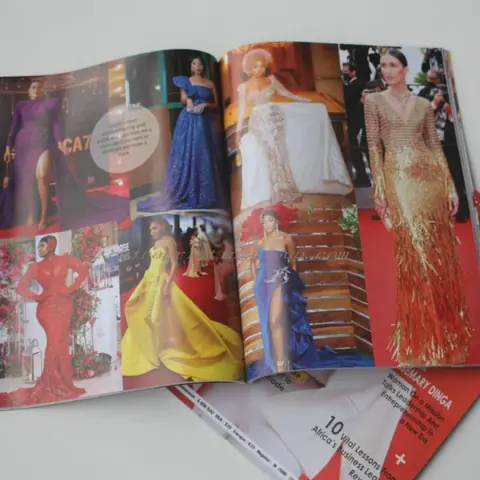
Cheap Magazine Printing A4 Size Fancy Paper New Fashion
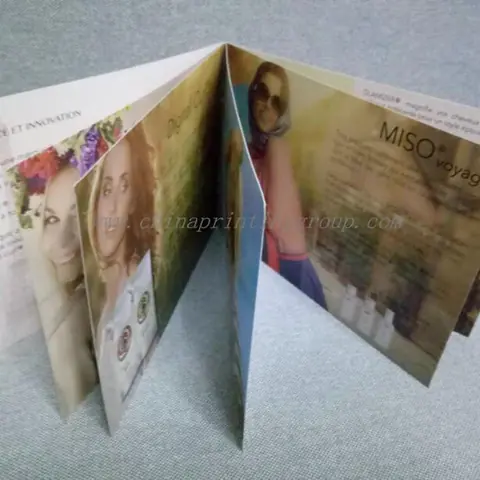
Brochure Printing Services A5 Size Professional Fast Turnaround Booklets

Softcover Books A4 Size Glossy Paper Luxury Perfect Binding

A4 Accordion Fold Brochure High Quality Wholesale Cost Flyer

Cheap Poster Printing Custom Full Color A1/A2/A3/A4/A5 Size
Where to Browse Next

Questions About This Topic
What information do you need to quote a magazine?
Quantity, trim size, total page count including the cover, the paper weight and grade you want for cover and text, whether it is full colour throughout, the binding method, and any finishing such as lamination or spot varnish. Also tell us the delivery destination and date, because the shipping mode changes the total landed cost considerably.
How can I reduce the cost without the magazine looking cheap?
Adjust page count to fit the binding signature exactly, use a lighter text stock while keeping a substantial cover, hold special finishes to the cover only, and increase quantity if you will use it, since unit cost falls with volume. Cutting colour or dropping to a thin cover is what readers notice, so change those last.
Is digital or offset printing cheaper for a magazine?
Digital printing is cheaper for short runs because there are no plates to make, and it turns round in 1-2 working days, which suits samples and small distributions. Offset becomes cheaper per copy as quantity rises and opens up a wider range of stocks and finishes, running at 4-5 working days for regular commercial work.
How long will production and shipping take?
Regular commercial offset printing runs 4-5 working days and large quantity orders 10-12 working days. Add 3-4 days for express or air shipping or 15-18 days by sea. If the magazine is tied to an event, give your key account manager the event date rather than a lead time, so the schedule is planned backwards from it.
What are the payment terms for a magazine order?
We accept PayPal, bank transfer and Western Union. Terms are a 30-50 per cent deposit before production starts and the 50 per cent balance before shipment. Regular clients receive VIP pricing scaled to annual order value, so if you print several titles or repeat issues, tell us the annual volume rather than quoting each issue separately.
Have a Job That Needs This
Send the item, the quantity and the deadline and we will tell you which process fits and what it costs.