
Choosing a Fastener Finish: Zinc, Phosphate, Magni and Ruspert
Five coating families, what each actually protects against, and the mismatches that cause most field corrosion.
Finish is where specifications go wrong
Almost every corrosion complaint we investigate is a coating carried across from an application it was never designed for — indoor zinc on an exterior roof, black phosphate on anything that meets water, plain electroplate in a livestock building. The screw did not fail; the specification did.
White and yellow zinc
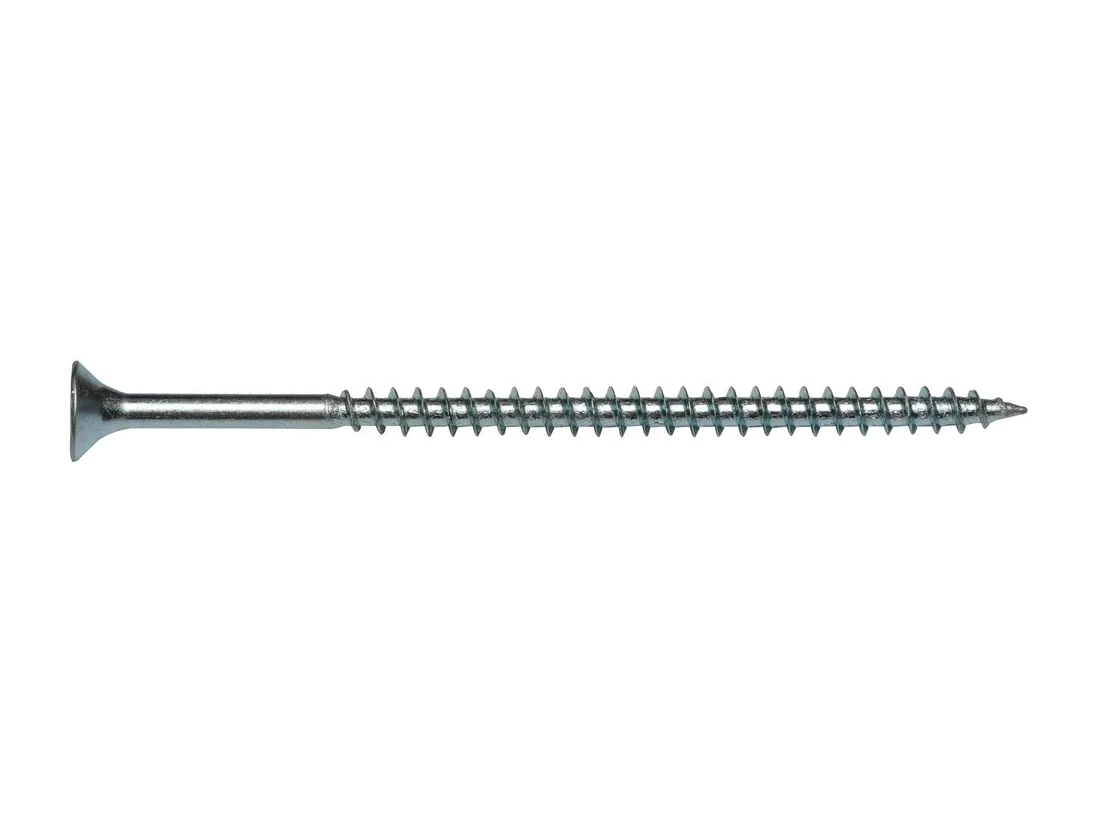
Electroplated sacrificial coatings for dry interior service. White zinc is the bright, neutral default — clean-looking against light board and cabinetry. Yellow zinc adds a chromate conversion layer that measurably improves protection and gives the warm gold tone European merchants expect on construction screws. Neither is an outdoor finish.
Black and grey phosphate
These are conversion coatings, not corrosion systems. Their real jobs are reducing drive friction and giving joint compound something to key to, which is exactly what a drywall screw needs and exactly what an exposed fixing does not. Grey versus black is a visual distinction, useful for sorting two thread pitches on site.
Magni
An applied and cured coating system rather than a deposited electroplate. It is what we specify when a screw that would normally be phosphated has to survive humidity or exterior exposure — our Hi-Lo drywall variant in Magni grey exists for precisely that case.
Ruspert
A multi-layer system for genuinely aggressive environments: coastal salt, agricultural ammonia, industrial atmospheres. Where plain electroplate would be stripped within a couple of seasons, this is the upgrade path — and it is applied to the same drill-point blanks, so nothing about the fastener's mechanics changes.
Colour polymer over zinc
For visible roofing and cladding, RAL-matched colour is applied over a zinc base layer. The order matters: colour directly on bare steel fails at the first scratch, whereas a zinc base keeps protecting where the polymer is damaged.
Stainless and bi-metal
304 for general corrosive service, 316 where chlorides are present. Where a fixing must be both stainless and self-drilling, bi-metal construction pairs an A2 stainless head with a hardened carbon point — because stainless alone cannot drill steel.
A four-question specification
What is the atmosphere? Will the fixing be visible? Will it be exposed permanently or covered later? And what is the substrate? Those four answers narrow five coating families to one.
On this page
Products in this guide
The lines this applies to
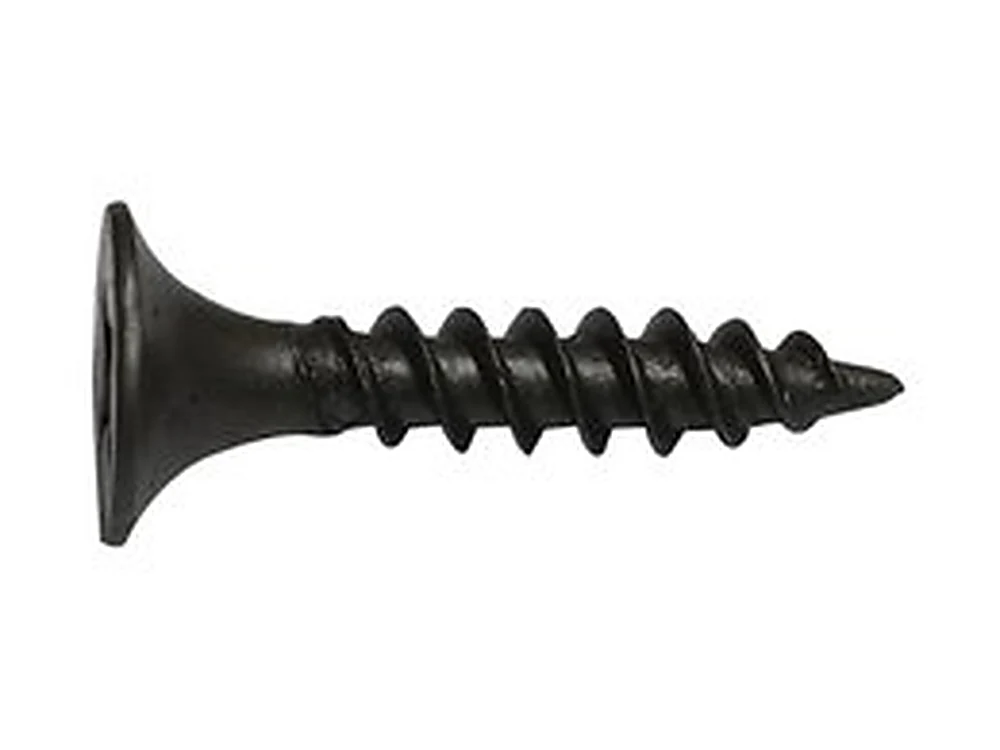
Drywall Screw, Hi-Lo Thread, Magni
Alternating tall and short thread profile for higher pull-out in soft substrates. Magni grey coating for outdoor or humid environments.
Chipboard Screws, Yellow Zinc Plated
Yellow chromate finish — popular in European DIY and construction. Higher contrast and slightly improved corrosion resistance.
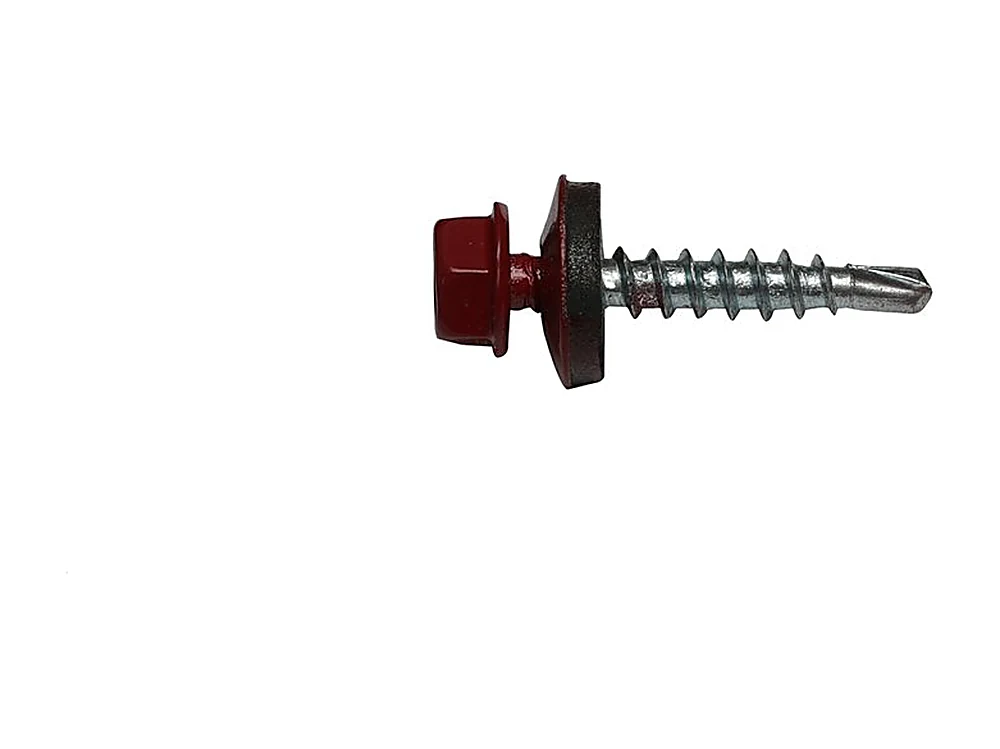
Roof Screw, Color Head
Painted head finish in standard RAL colors. For metal roofing systems where appearance matters as much as performance.
Talk it through with an engineer
Send us the application and we will specify the fastener — substrate, thickness, exposure and volume are all we need.