
Screw Head and Drive Reference for Specifiers
Nine head forms and six drive types, what each is actually for, and how to pick without guessing.
Two independent decisions
Head form and drive type solve different problems and should be chosen separately. The head decides how load is transferred into the material and how the fastener finishes at the surface. The drive decides how torque gets into the screw and whether the bit stays in the recess while it does.
Heads that spread load
Truss and modified truss heads are wide and low, and they exist for thin or weak material — lath, mesh, ductwork, signage substrate — where a narrow head would pull straight through. Hex washer heads do the same job on cladding and purlins with the added benefit of a socket drive. Hex flange heads integrate the washer into a structural head.
Heads that finish flush
Countersunk heads sit level with the surface. Double countersunk adds a second bearing step that stops the head burying itself in dense MDF. Bugle heads are the special case: curved to compress a paper face rather than cut it.
Heads that stay low
Pan and pan framing heads keep the profile minimal where a panel or a cover has to pass over the fixing — steel stud framing and enclosure work are the standing examples. Button and wafer heads trade bearing area for a neater finished appearance.
Drives ranked by cam-out resistance
Torx is the most resistant: six straight walls, no wedging action, no slip at peak torque — which is why it dominates long structural screws. Square (Robertson) holds the screw on the bit without magnets and is the North American favourite. Pozi improves on Phillips with additional contact ribs. Phillips is universal and deliberately cams out. Hex socket and external hex transfer very high torque; slotted survives only in legacy work.
Why Phillips cams out on purpose
The tapered recess was designed in an era of clutchless drivers to slip before the screw snapped. That behaviour is a liability with modern impact tools, which is why high-torque applications moved to Torx and square.
Combination drives
A recess can be cut to take more than one bit — square and Phillips, for example — which is useful when a distributor serves installers with different tool preferences. We produce combination drives to drawing.
A specifier's shortcut
Pick the head from the material under it. Pick the drive from the tool and the torque. If either answer is 'I'm not sure', send us the application and we will specify it.
On this page
Products in this guide
The lines this applies to
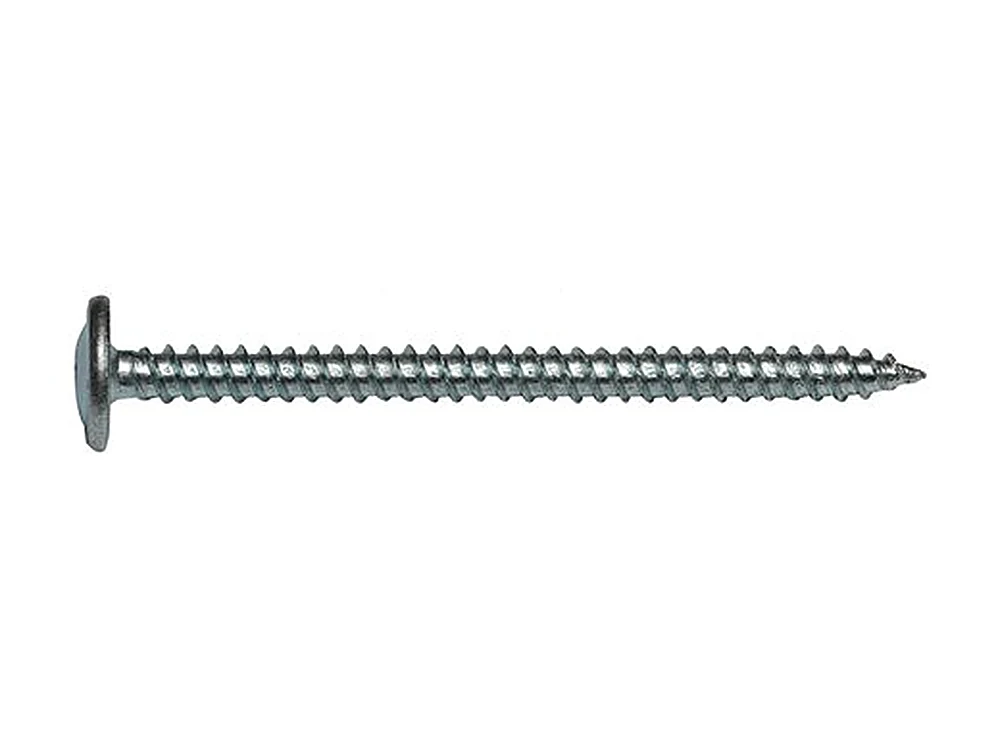
Truss Head Self-Tapping Screw
Wide low-profile truss head distributes load. Common in HVAC, electrical enclosures and signage.
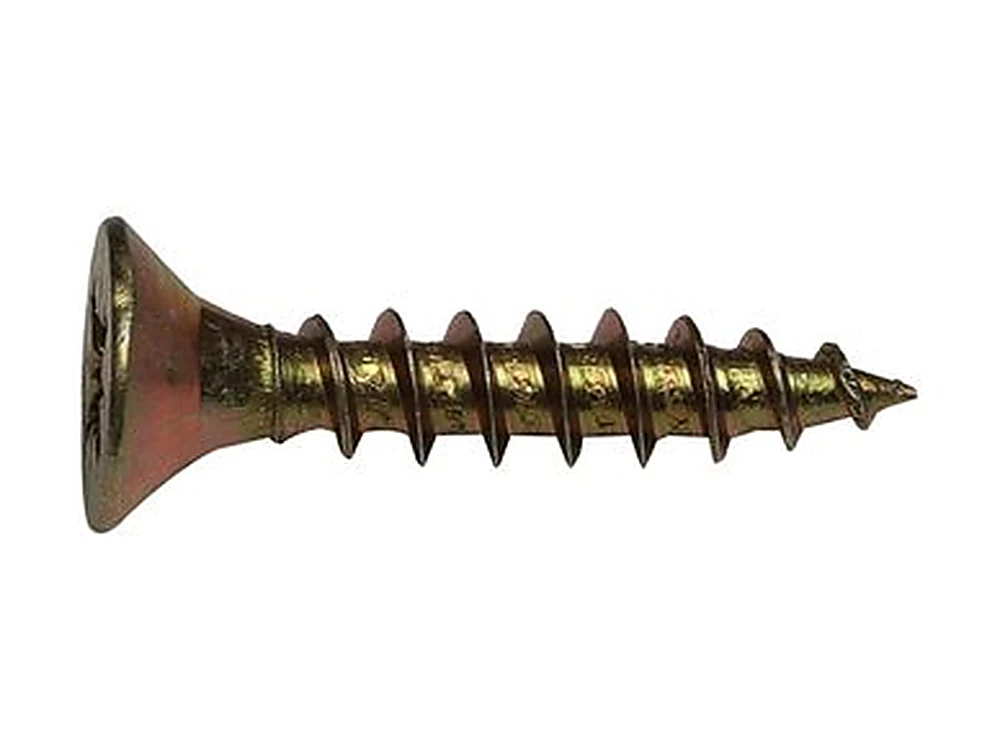
Double Csk Head Chipboard Screw
Double countersunk head profile for solid clamping in MDF and dense particle board without chipping the surface.
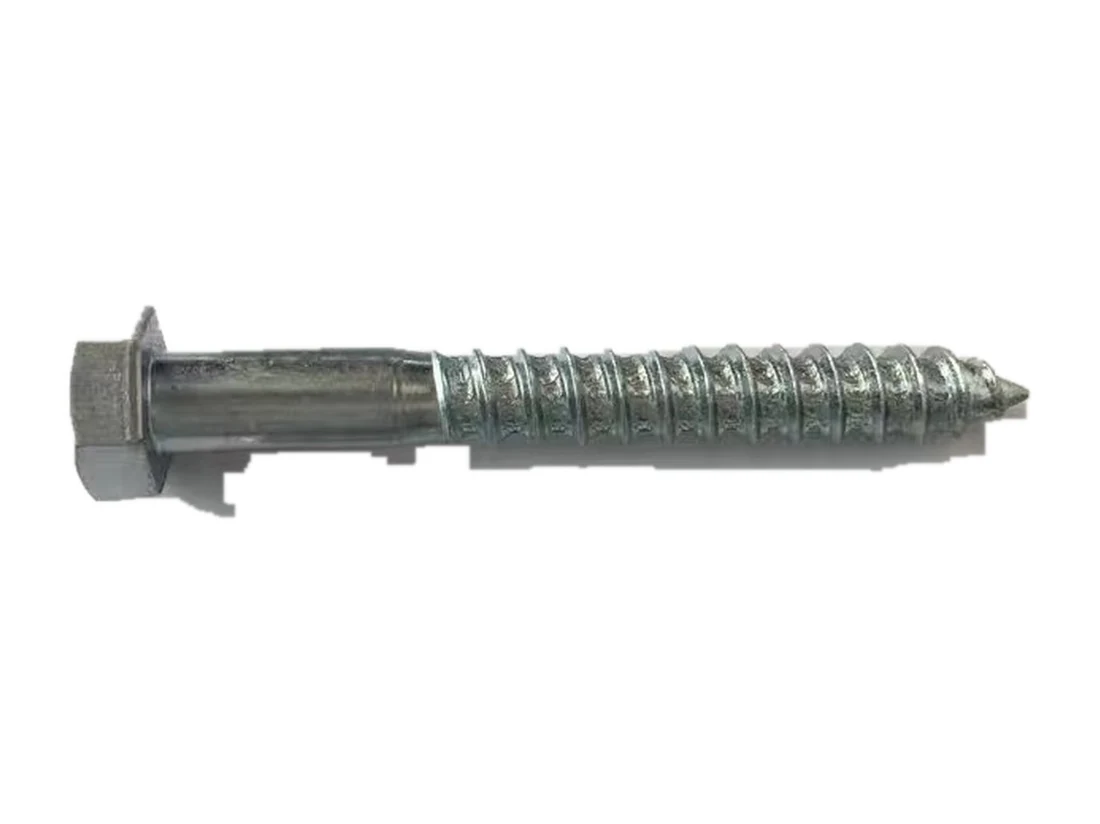
Hex Flange Wood Screw, Torx
Hex flange head with Torx drive — high-torque application without cam-out. Premium choice for structural decking, pergolas and outdoor timber framing.
Talk it through with an engineer
Send us the application and we will specify the fastener — substrate, thickness, exposure and volume are all we need.