
SAE 1018, 1022 and 10B21: Fastener Steel Grades Explained
Three carbon steels, why boron matters, and what heat treatment actually does to a screw.
The wire decides the screw
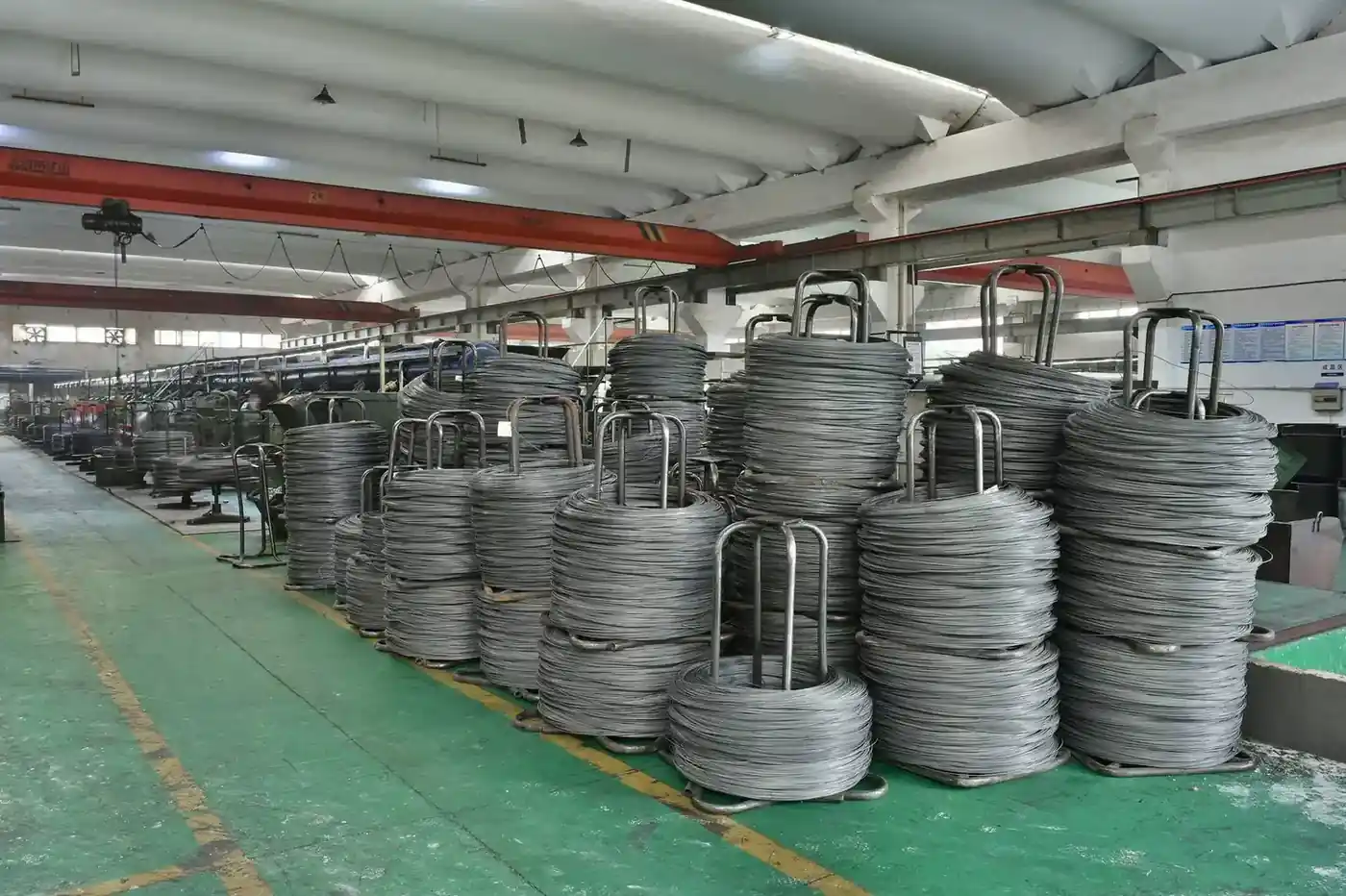
Everything downstream — how cleanly the head forms, what hardness the heat treatment can reach, whether the point survives drilling — is constrained by the grade of wire rod that entered the plant. Incoming material is sampled and chemically verified before staging for exactly that reason.
SAE 1018
A low-carbon steel that cold-forms beautifully. It is the easy grade: heads strike cleanly, tooling lasts, and the finished screw is tough rather than hard. It suits chipboard and general-purpose screws where the fastener is not asked to cut hardened material.
SAE 1022
Slightly more carbon, and that is the whole point. The extra carbon lets a case-hardening cycle reach the surface hardness a drywall or self-drilling screw needs while the core stays ductile enough not to snap under drive torque. It is the workhorse grade across our drywall, self-drilling and roofing families.
10B21
A boron-treated grade. Boron in small quantities dramatically improves hardenability — the steel responds to quenching more consistently through the section, which matters on thicker shanks and higher-strength parts where 1022 would harden unevenly.
What heat treatment does
Carburizing diffuses carbon into the surface layer; quenching locks it into a hard martensitic case; tempering takes back a controlled amount of that hardness to restore toughness. The target is a hard case that can cut steel over a core that can absorb torsion without shearing. Miss in either direction and the screw either blunts or snaps.
Where stainless comes in
304 and 316 are corrosion choices rather than strength choices, and they cannot be case-hardened the way carbon steel can — which is why a stainless screw cannot drill hardened steel, and why bi-metal construction exists.
What to ask a supplier
Which grade, what case depth, what core hardness, and can you show the mill test certificate. A supplier who cannot answer the first three from memory is buying finished screws rather than making them.
Products in this guide
The lines this applies to
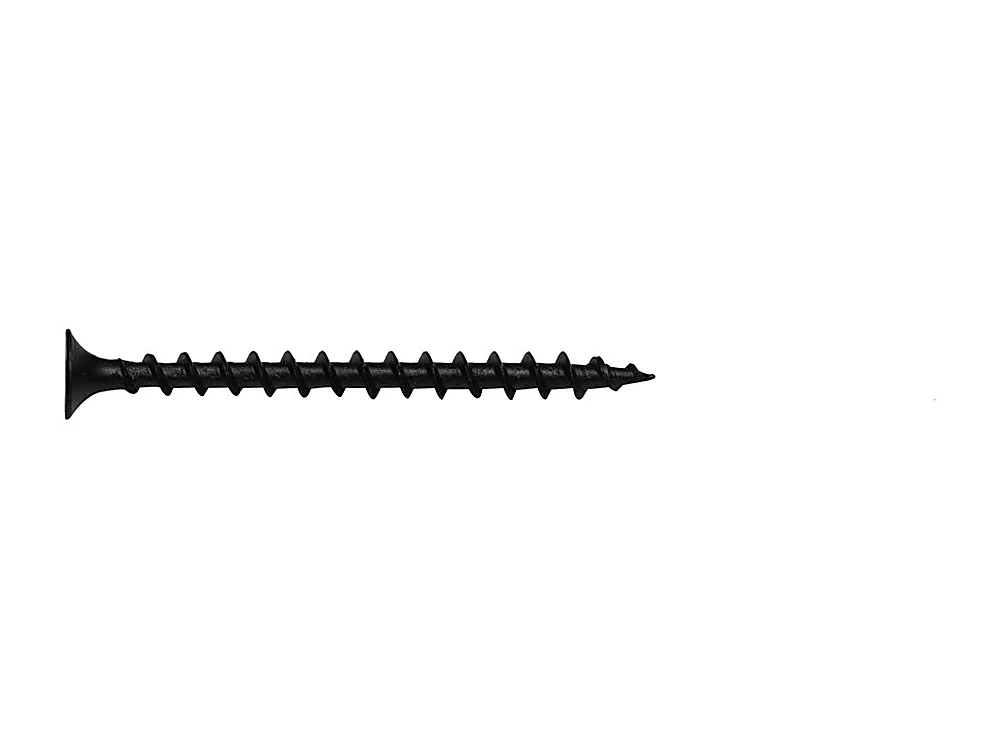
Drywall Screw, Phillips Bugle Head, Coarse Thread
Standard drywall-to-wood-stud screw. Sharp point bites quickly into softwood; bugle head sinks below the paper without breakthrough.
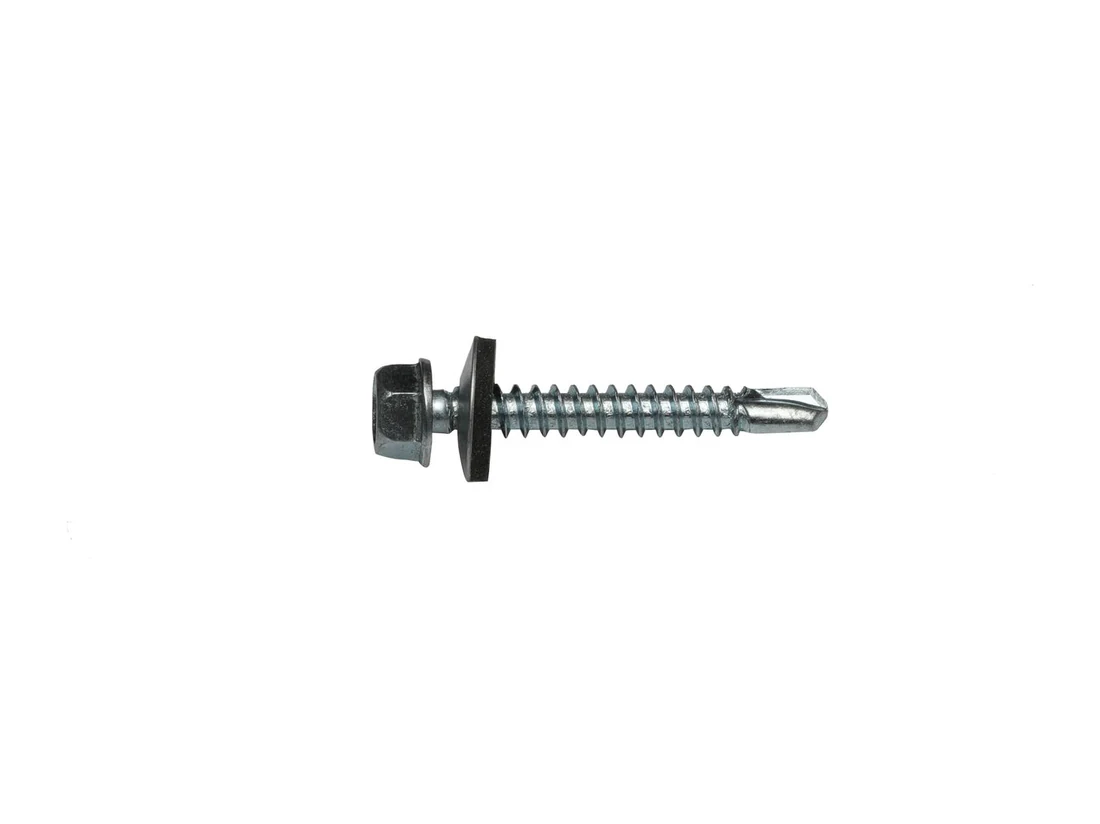
Hex Washer Head Self-Drilling Screw with EPDM Washer
The classic roof and cladding fastener. Bonded EPDM rubber washer creates a watertight seal.
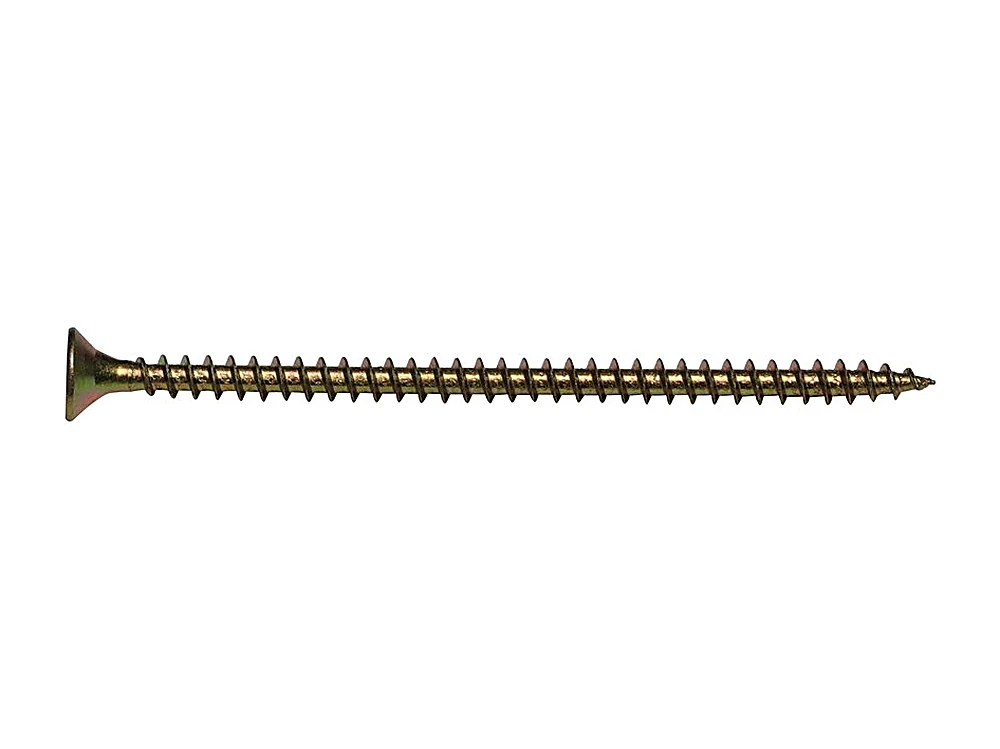
Chipboard Screws, White Zinc Plated
Bright zinc finish for indoor cabinetry, furniture and joinery work. Standard countersunk head with coarse single-lead thread.
Talk it through with an engineer
Send us the application and we will specify the fastener — substrate, thickness, exposure and volume are all we need.