
Cold Heading and Thread Rolling: Why Screws Aren't Cut
Grain flow, work hardening, and the reason a formed thread outlasts a machined one.
Formed, not machined
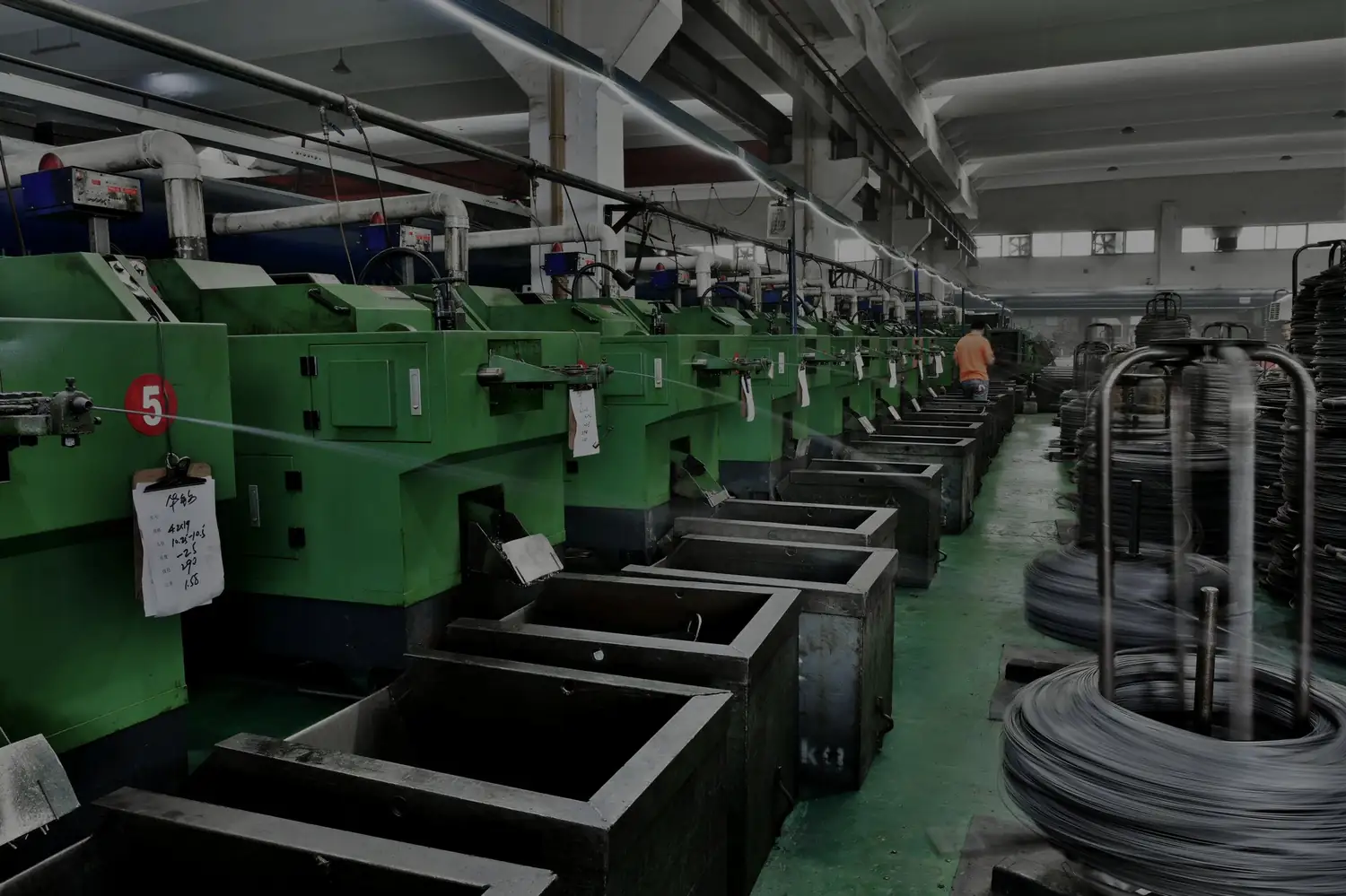
A screw is not cut out of bar stock. It is struck from wire in a multi-station header that forms the head, neck and shank in one continuous sequence, and then its thread is rolled — pressed into the blank between hardened dies rather than cut away from it.
Grain flow is the reason
Machining severs the steel's grain structure wherever it removes metal, and the head-to-shank junction is exactly where a screw is most likely to break. Cold heading bends the grain to follow the part's shape instead of cutting across it, so the fibre runs continuously around the corner that carries the load.
What thread rolling adds
Rolling displaces material rather than removing it, which work-hardens the thread surface and leaves it in compression. A compressed surface resists fatigue crack initiation, so a rolled thread survives cyclic loading that would eventually open a cut one. It is also faster and wastes no steel.
Why consistency follows
Once the dies are set, every part that passes through gets the same geometry. That is how diameter, pitch and head dimensions stay consistent across a high-volume run — and it is why dimensional variation in a delivery usually points to die wear rather than to operator error.
Then heat treatment, then finish
The formed blank goes on to carburizing and quench-temper cycles for hardness, then to plating or coating for corrosion protection, then to optical sorting to reject out-of-tolerance pieces. Five processes, one continuous chain — which is the case for keeping them under one roof.
What it means for a buyer
Ask where the wire comes from and where the thread is rolled. A supplier who controls both controls the tolerance; a supplier who buys finished blanks controls neither.
Products in this guide
The lines this applies to
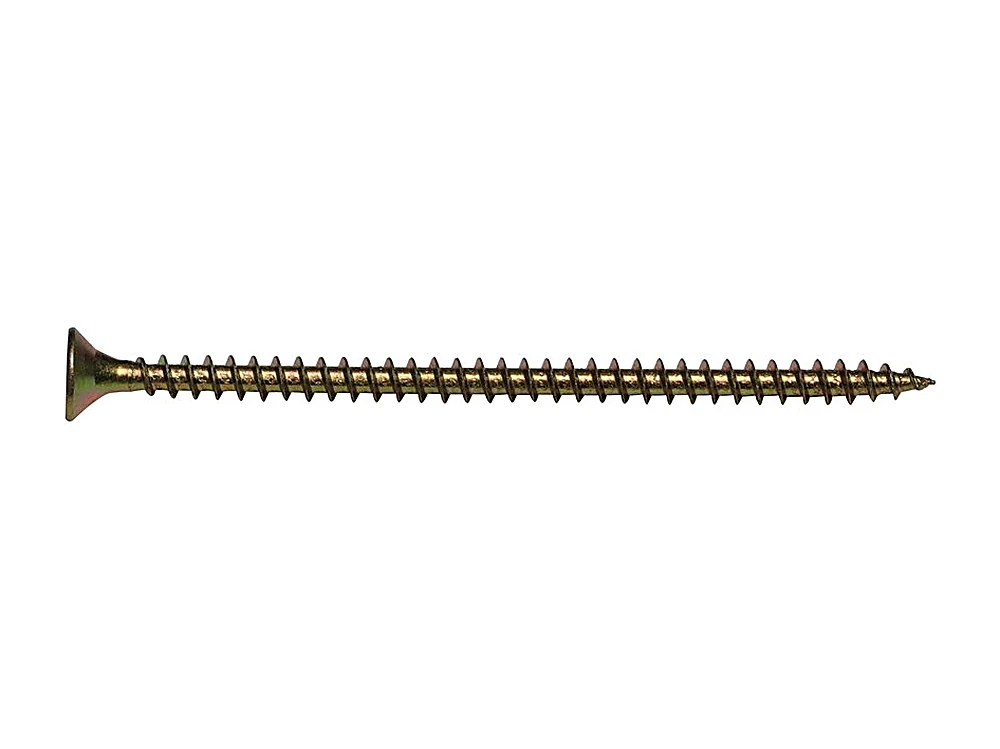
Chipboard Screws, White Zinc Plated
Bright zinc finish for indoor cabinetry, furniture and joinery work. Standard countersunk head with coarse single-lead thread.
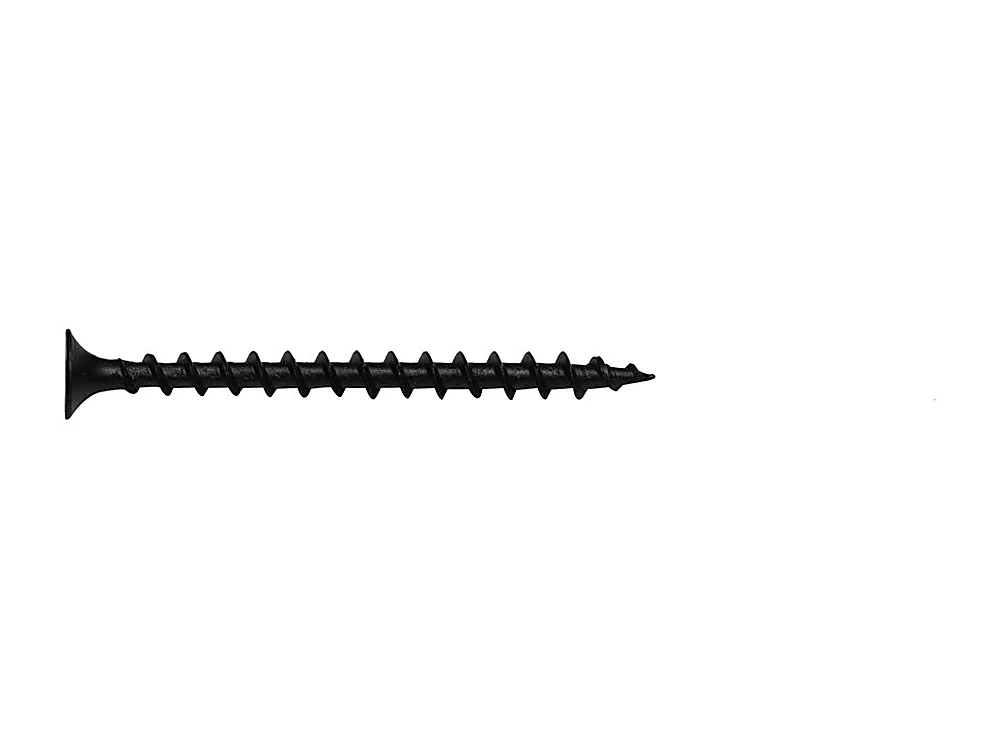
Drywall Screw, Phillips Bugle Head, Coarse Thread
Standard drywall-to-wood-stud screw. Sharp point bites quickly into softwood; bugle head sinks below the paper without breakthrough.
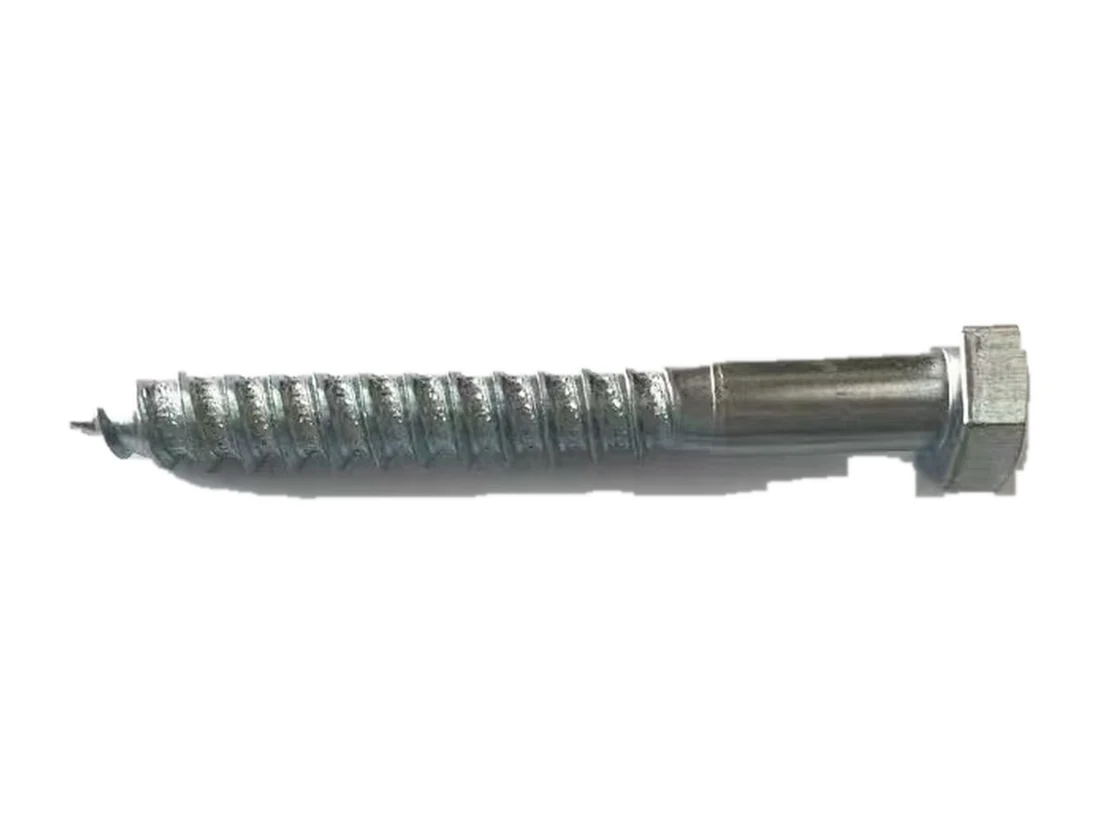
Hex Washer Head Wood Screw
Hex washer head, zinc plated, M6–M20 diameter range. Heavy-duty fastener for structural timber and timber-to-metal.
Talk it through with an engineer
Send us the application and we will specify the fastener — substrate, thickness, exposure and volume are all we need.