
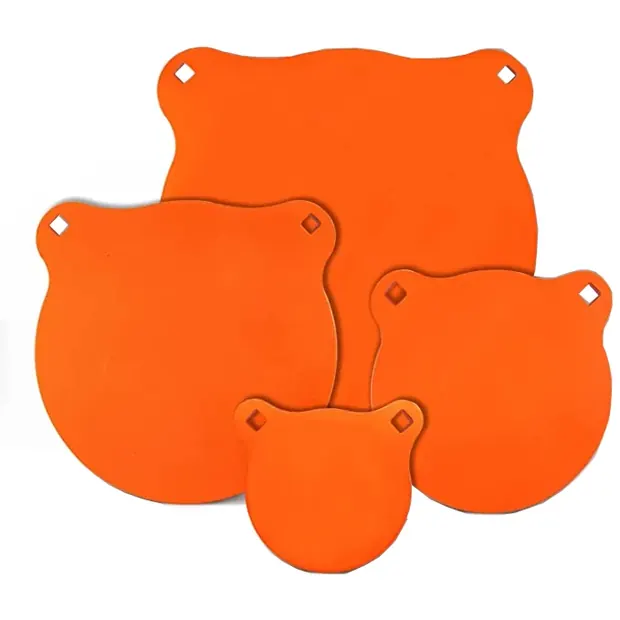
AR400 AR500 AR600 Steel Plate
Quenched and tempered wear plate for chutes liners buckets and crusher bodies
SpecificationsIndustries
Solutions
Resources
Company
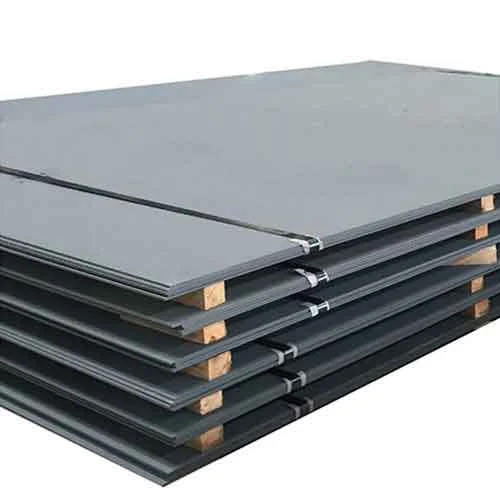
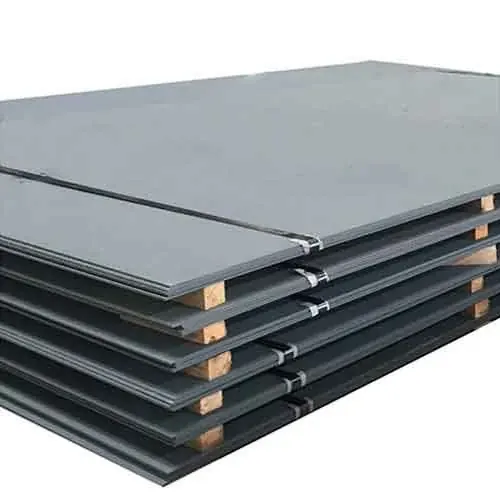
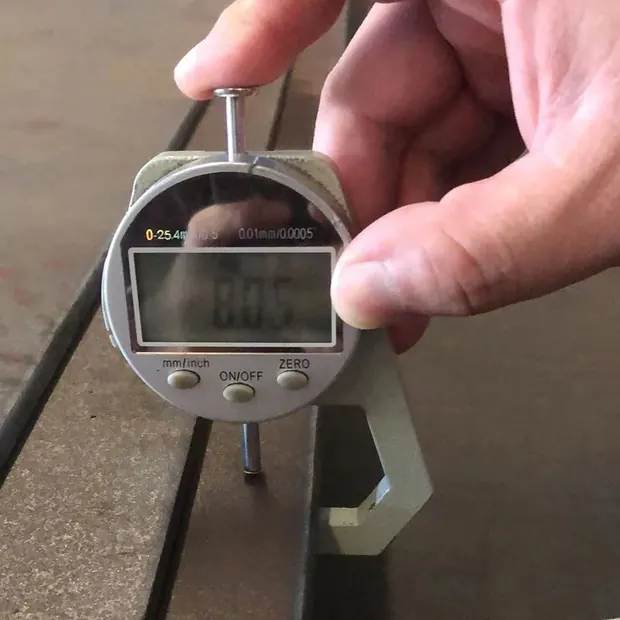
One plate supply covering AR NM XAR RAEX QUARD and FORA wear grades
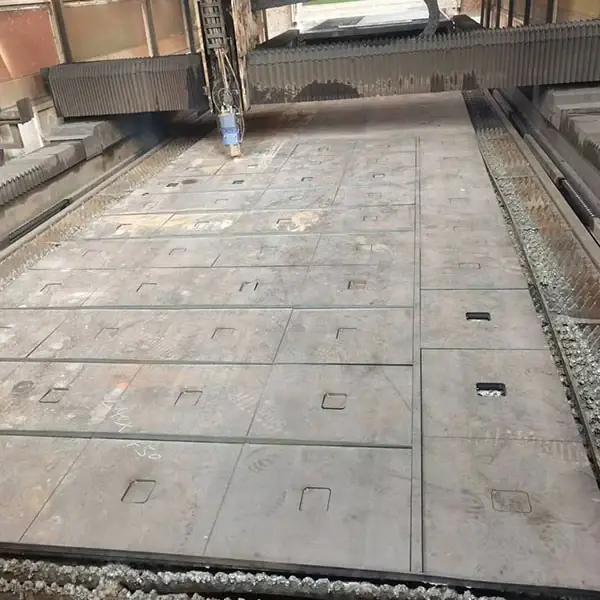
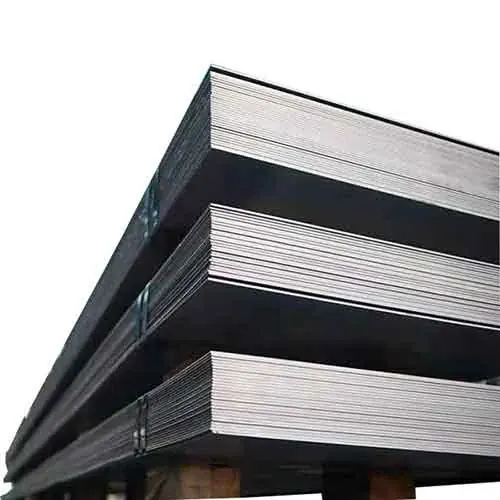
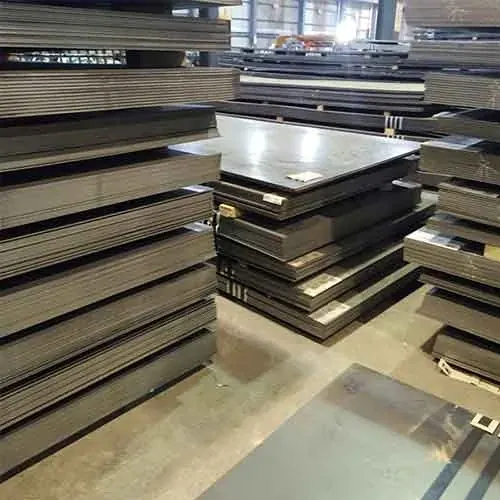
Abrasion resistant steel plate is an alloy plate in 2-100mm thickness that holds a hard wear face over a tougher substrate. Maintenance engineers in metallurgy coal cement electricity glass mining building materials and brick and tile plants specify it wherever moving bulk material cuts through ordinary plate. Because the grade list spans AR400 AR500 NM400 NM500 XAR500 RAEX500 QUARD500 and FORA500, a drawing written around a European brand designation can be filled without reissuing it or hunting a second supplier. Panels arrive cut bent and punched so a shutdown crew fits them rather than fabricating them.
XAR500 RAEX500 QUARD500 and FORA500 sit alongside AR400 AR500 NM400 and NM500. A specification written around any of these can be quoted from one source instead of split across regional agents.
Wear resistance is stated at 15-20 times ordinary steel plate, 5-10 times low alloy steel plate and 2-5 times high chromium cast iron, which gives a basis for comparing a change of liner material.
The wear resistant layer takes the abrasion while the substrate carries the load of the medium. That split is why the plate keeps working under lumpy feed.
The alloy layer contains a high percentage of metallic chromium, so the plate holds up in damp handling duties where mild steel liners rust as fast as they wear.
Processing performance is good enough that the plate is worked into finished parts, and panels connect to existing structures by welding plug welding or bolting.
The alloy wear resistant layer is recommended for service at or below 600 degrees Celsius, and at or below 800 degrees Celsius where vanadium molybdenum and other alloys are added.
A drawing naming XAR500 RAEX500 QUARD500 or FORA500 can stall procurement when that brand is not available locally. The same list is quoted here so the specification stands as written.
Choosing between mild steel, low alloy plate and cast iron liners is guesswork without a reference. Wear resistance stated at 15-20 times, 5-10 times and 2-5 times against those three materials gives a starting point for the calculation.
Materials that cannot be welded or drilled leave the site for a workshop. AR plate is cut bent welded and punched and joins existing structures by welding plug welding or bolting, which saves time at the repair site.
Damp bulk material attacks the liner from both sides. The high percentage of metallic chromium in the alloy layer gives the plate rust and corrosion resistance alongside its wear performance.
Where the liner sees elevated temperature, the standard alloy layer is recommended to 600 degrees Celsius and vanadium and molybdenum additions extend that to 800 degrees Celsius.
Slag runners skip liners and charging equipment faces where hot abrasive material moves continuously.
Chutes hoppers and mill housings in coal handling and power generation where fine abrasive dust cuts mild steel.
Feed chute liners separator parts and clinker handling components in cement production.
Batch handling equipment and mixer contact faces on glass and building material production plants.
Auger flights press faces and clay handling components where continuous contact with abrasive clay wears steel away.
Loader bulldozer and excavator wear parts including bucket liners and blade protection.
Values below come from the product data published by Shandong Tianyu Metal Products. Confirm the exact grade and size against your order.
| Product Name | Abrasion resistant steel plate or sheet wear resistant steel plate or sheet |
|---|---|
| Also Known As | AR steel plate wear resistant steel sheet |
| Place of Origin | China |
| Size | Customized size |
| Thickness | 2-100mm |
| Technique | Q and T |
| Grade | AR500 AR400 NM400 NM500 XAR500 RAEX500 QUARD500 FORA500 |
| Application | Loader bulldozer excavator |
| Processing Service | Bending welding decoiling cutting punching |
| Surface | Natural or painted |
| Certificate | Mill test certificate |
| Sample | Available |
| Mild steel liner plate | Wear resistance is stated at 15-20 times that of ordinary steel plate, so liner changes come round far less often in the same duty. |
|---|---|
| Low alloy structural plate | Stated at 5-10 times the wear resistance of low alloy steel plate while still accepting cutting bending welding and punching. |
| High chromium cast iron liner | Stated at 2-5 times the wear resistance of high chromium cast iron, and the plate can be welded plug welded or bolted where a casting can only be clamped in. |
| Imported branded wear plate | The same designations XAR500 RAEX500 QUARD500 and FORA500 are quoted from stock in Shandong, which shortens the supply route for a shutdown order. |
Yes. The grade list covers AR400 AR500 NM400 NM500 XAR500 RAEX500 QUARD500 and FORA500 so a drawing can be filled under the designation it already uses.
Wear resistance is stated at 15-20 times ordinary steel plate, 5-10 times low alloy steel plate and 2-5 times high chromium cast iron. Real service life still depends on the material handled and the impact energy.
2mm to 100mm, in customized sizes. Panels are cut to your liner drawing rather than supplied only as full plates.
Service at or below 600 degrees Celsius is the recommendation for the standard alloy layer. Adding vanadium molybdenum and other alloys to that layer takes it up to 800 degrees Celsius in high temperature wear duty.
The alloy layer contains a high percentage of metallic chromium, so it has a degree of rust and corrosion resistance alongside the wear performance.
Yes. The plate can be cut bent welded and punched, and panels connect to existing structures by welding plug welding or bolting, which saves time at the repair site.
A mill test certificate is issued against the ordered grade and ships with the material for your maintenance record.
Quenched and tempered wear plate for chutes liners buckets and crusher bodies
Specifications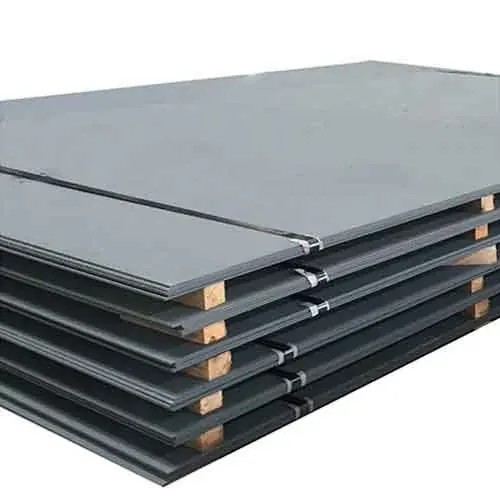
Hard alloy wear layer over a tough substrate cut to your liner drawing
SpecificationsMines quarries and bulk terminals buy steel to stand between abrasive material and the structure carrying it, so the order is usua
Read more
Energy projects are audited on documents as much as on steel. A boiler header, a cooling water line, a coal transfer chute and a s
Read moreOne loader or one tractor needs four different steels and most fabrication shops buy them from four different suppliers. The struc
Read moreSend the grade, thickness, width and quantity you need together with your destination port. A cutting list or drawing gets you a firmer number.