
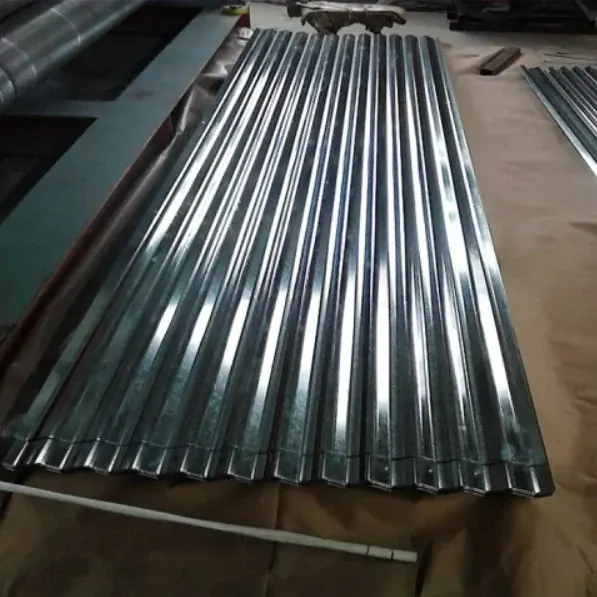
Color Coated Tin Roofing Sheet
Electrolytic tinplate sheet with a printed passivated surface for roofing and panels
SpecificationsIndustries
Solutions
Resources
Company
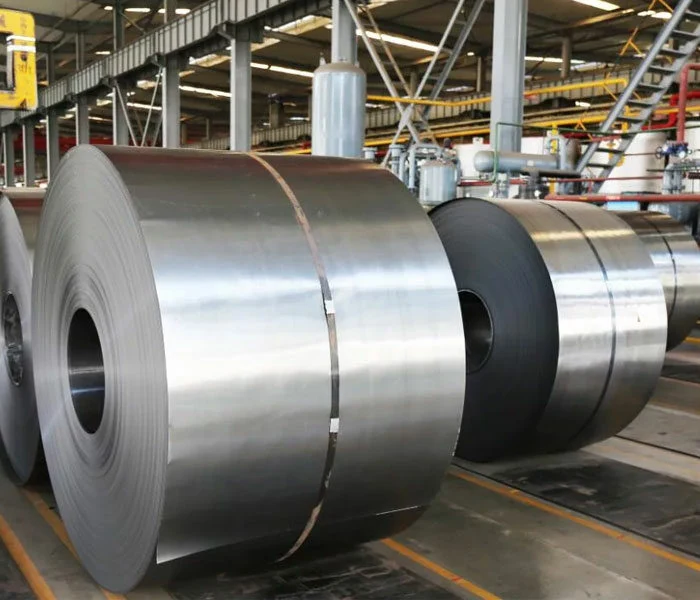
Cold rolled low carbon steel strip tin coated on both sides for can and container making
Tinplate coil, also called SPTE or ETP, is cold rolled low carbon steel strip electroplated with commercially pure tin on both sides. Can makers, aerosol and closure lines, pharmaceutical packers and instrument case producers specify it when they need the strength and forming behavior of steel with the corrosion resistance, solderability and printable surface of tin. Ordering to a fixed temper and tin coating weight removes the guesswork that causes drawn bodies to split or ends to corrode after filling. Coils are supplied in defined thickness and width bands with passivation and DOS oil already applied, so the strip runs straight into a slitter or press line.
Coating runs from 1.1 to 11.2g/m2 so a dry food can and an aggressive filling can be ordered on the same purchase order with different coating weights.
Tempers cover T2 through T5 and DR7 DR7M DR8, so deep drawn bodies, easy open ends and stiff closures each get the hardness they need.
Thickness holds to plus or minus 0.01 mm and width to 0~3mm, which keeps press feed and seam forming stable across the coil.
Material is produced against GB/T 2520-2008, JIS G3303-2008, DIN EN 10203-1991 and ASTM A623M-2011, so buyers working to different regional specifications can order the same coil.
Bright, stone or silver finish with passivation treatment and DOS oil gives a surface that accepts lacquer and lithographic printing without extra cleaning.
Inside diameter of 420 or 508mm and coil weight of 1~5 MT match standard slitter and press feeders in most packaging plants.
Under coated strip corrodes after filling and over coated strip wastes tin. A stated coating between 1.1 and 11.2g/m2 lets you fix the figure against the product being packed.
Feed problems and split bodies often trace back to thickness drift. Holding gauge to plus or minus 0.01 mm keeps forming force consistent down the coil.
Plants in different markets quote GB, JIS, DIN EN or ASTM. The same coil is produced against all four references so one order covers several destinations.
Passivation treatment and DOS oil applied at the mill protect the tin surface in transit so lacquer and ink adhere instead of lifting.
Three piece and two piece food cans where the tin layer prevents corrosion and rust on the inside wall and the steel carries the seaming load.
Tins and closures where non-toxic behavior and a sealed, light proof container protect the contents.
Decorative boxes and tins where the metal surface takes exquisite printing and gives the finished container its own visual appeal.
Cases and pails for tools, instruments and industrial goods that need rugged walls rather than a fiber or plastic box.
Hard temper and DR grades formed into caps and lids where springback and edge strength decide sealing performance.
Values below come from the product data published by Shandong Tianyu Metal Products. Confirm the exact grade and size against your order.
| Product Name | Tinplate Coil |
|---|---|
| Also Known As | SPTE ETP electroplated tin steel sheet |
| Standards | GB/T 2520-2008 JIS G3303-2008 DIN EN 10203-1991 ASTM A623M-2011 |
| Material | SPCC MR SPCH |
| Thickness | 0.15~0.50mm tolerance plus or minus 0.01 mm |
| Width | 600~1050mm tolerance 0~3mm |
| Coil Inside Diameter | 420/508mm |
| Coil Weight | 1~5 MT |
| Surface Treatment | Bright stone or silver finish with passivation treatment and DOS oil |
| Temper | T2 T2.5 T3 T3.5 T4 T5 DR7 DR7M DR8 |
| Annealing | CA continuous annealing or BA batch annealing |
| Tin Coating | 1.1~11.2g/m2 |
| Place of Origin | China |
| Certificate | ISO9001 BV SGS RoHS |
| Tin free steel TFS | Tinplate keeps solderability and the bright metallic surface that TFS loses, which matters for soldered side seams and uncoated decorative tins. |
|---|---|
| Aluminium can stock | The steel base gives higher strength for the same gauge and the coil is ordered in the same thickness band of 0.15~0.50mm used by existing steel press tooling. |
| Prepainted cold rolled sheet | The electroplated tin layer resists corrosion on both cut edges and formed radii rather than only where the paint film survives forming. |
Thickness runs 0.15~0.50mm with a tolerance of plus or minus 0.01 mm, and width runs 600~1050mm with a tolerance of 0~3mm. Narrower strip is produced by decoiling from these widths.
Coating runs from 1.1 to 11.2g/m2. Tell us what the can will hold and we will confirm the coating weight for each side.
GB/T 2520-2008, JIS G3303-2008, DIN EN 10203-1991 and ASTM A623M-2011. Name the one your drawing calls out and the certificate is issued against it.
BA is batch annealing and CA is continuous annealing. Both are available across the T2 to T5 range and the DR7, DR7M and DR8 grades, so the choice follows your forming route.
Coil inside diameter is 420 or 508mm and coil weight is 1~5 MT. State your uncoiler limits and we will set both before production.
Coils ship in bright, stone or silver finish with passivation treatment and DOS oil. Remove the oil to your normal line procedure before lacquering or printing.
Send the thickness, width, temper and coating weight you want to trial and we will confirm what can be released for testing on your line.
Electrolytic tinplate sheet with a printed passivated surface for roofing and panels
Specifications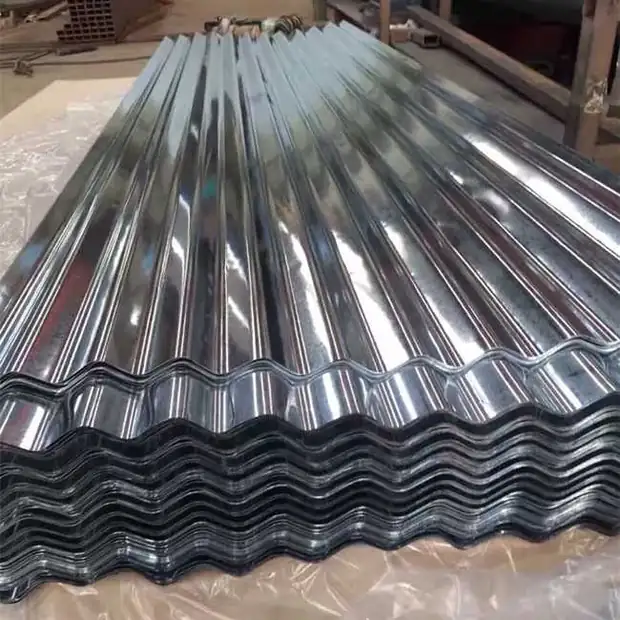
Cold rolled low carbon sheet tinned on both sides for light gauge roofing and panel work
Specifications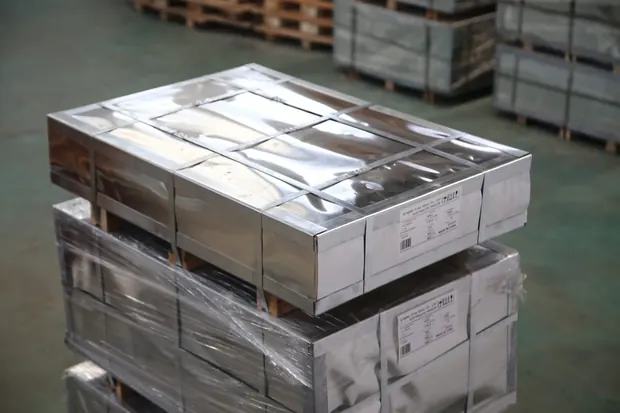
Gauge temper coating weight and finish set per order rather than taken from stock
Specifications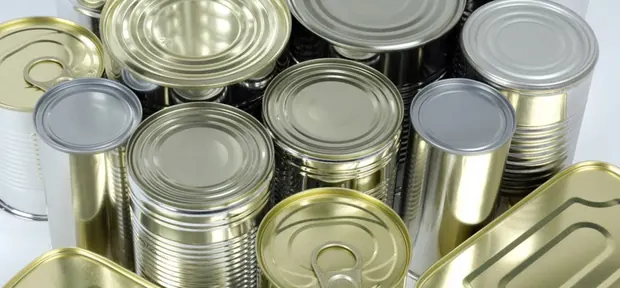
Electrolytic tin coated steel sheet for printed can bodies ends and closures
SpecificationsCan makers do not buy steel, they buy a strip that will draw without splitting, take a printed lacquer without blistering and seam
Read more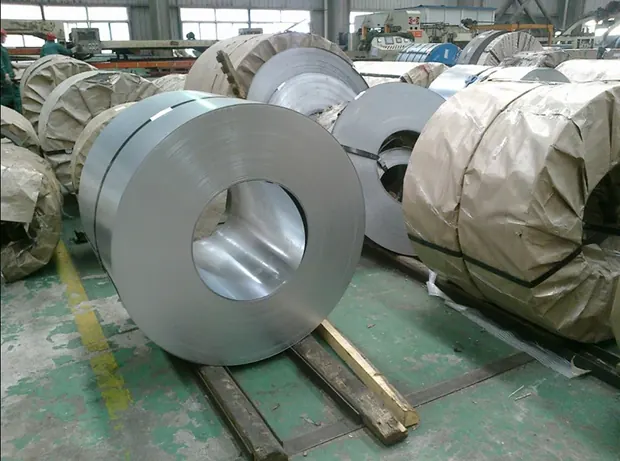
Vehicle and trailer components fail on fatigue, not on a single overload, so the grade behind each part matters more than the pric
Read moreSend the grade, thickness, width and quantity you need together with your destination port. A cutting list or drawing gets you a firmer number.