
Knowledge base
How food waste composting actually works
Ten practical explainers written from our own equipment data - how the process works, how to size a machine, what can go in it, and what to do with what comes out.
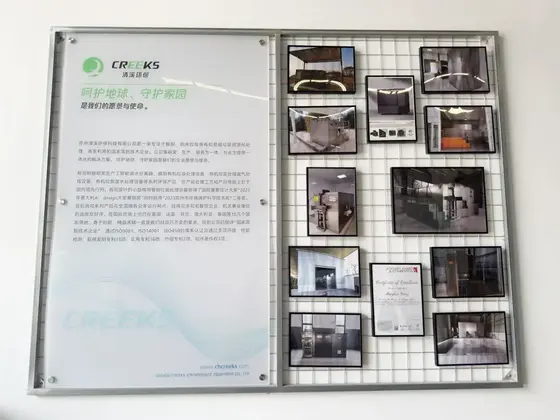
How food waste composting machines work
The mechanism behind a 12 to 24 hour cycle - what the machine actually controls, and why that turns months into hours.
Read →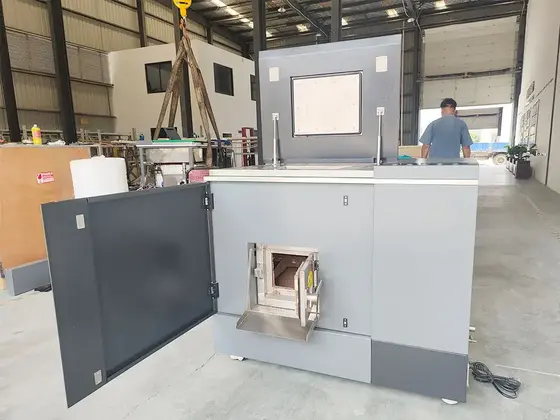
How to choose the right composting machine capacity
Four numbers decide the specification: daily waste weight, power supply, footprint and what you plan to do with the output.
Read →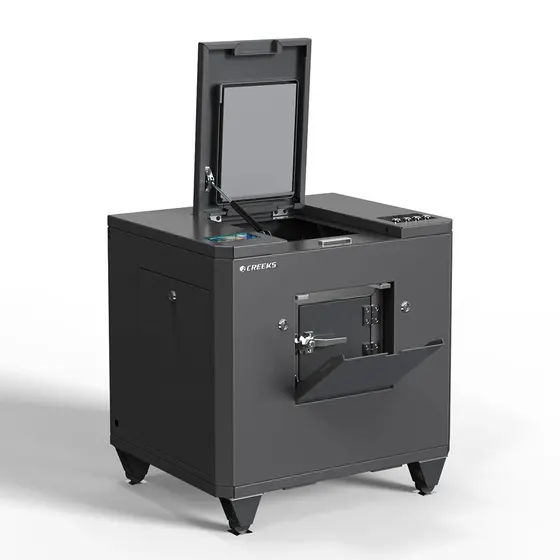
Composting or drying - which process fits your site
Two different machines, two different outputs. The choice depends on what you want to be holding at the end.
Read →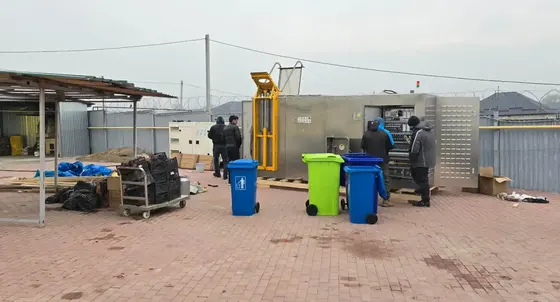
What can and cannot go into a composting machine
Creeks commercial machines take a wide range of food waste - including the things domestic composters refuse.
Read →
The business case for on-site composting
Where the money actually comes from: avoided haulage, avoided gate fees, and an output with a use.
Read →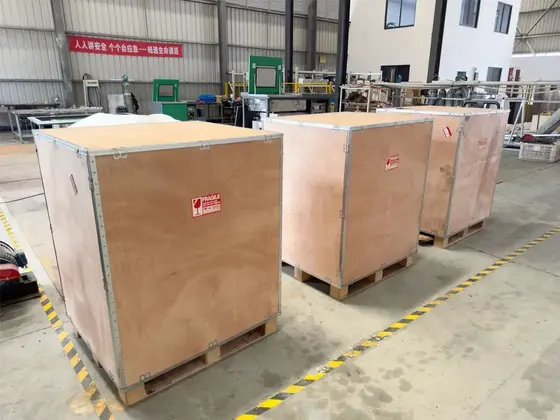
Industrial composting explained
What changes when a composter stops being equipment and becomes a facility.
Read →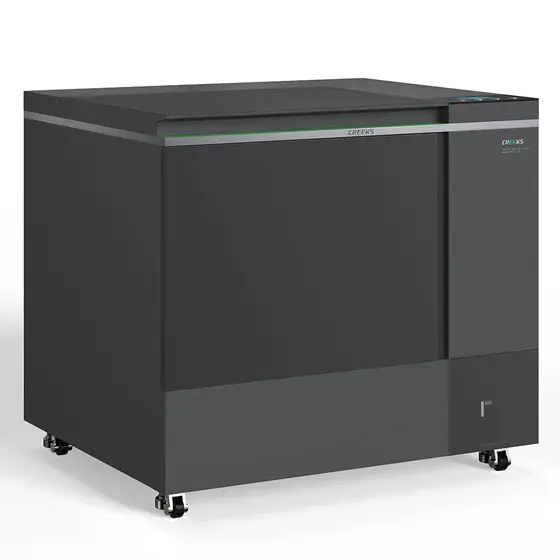
How composting machines control odour indoors
Deodorisation is what decides whether a machine can be installed inside an occupied building.
Read →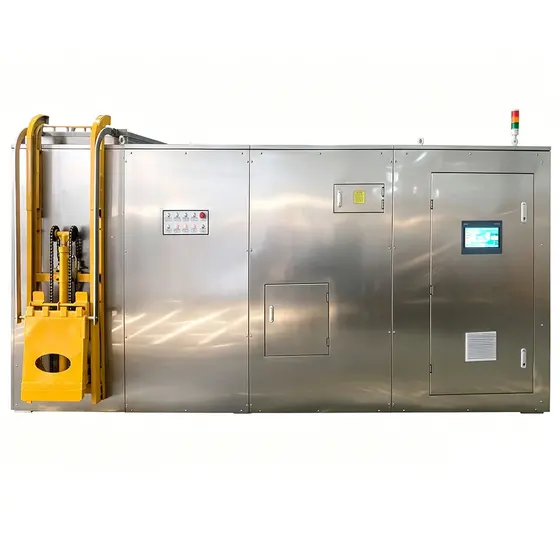
Using the compost a food waste machine produces
The output is a soil amendment, not a potting mix - how to blend and apply it.
Read →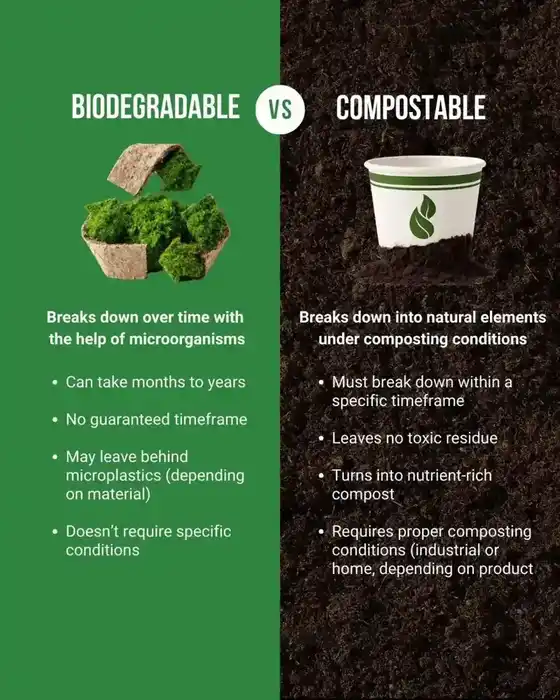
Why food waste in landfill is a climate problem
The same organic matter behaves very differently depending on where it decomposes.
Read →
Managing food waste in a hotel kitchen
Multiple outlets, unpredictable banqueting peaks, and a bin store nobody wants guests to walk past.
Read →Still have a question?
If the answer is not here, ask us directly - the people who answer are the people who build the machines.