
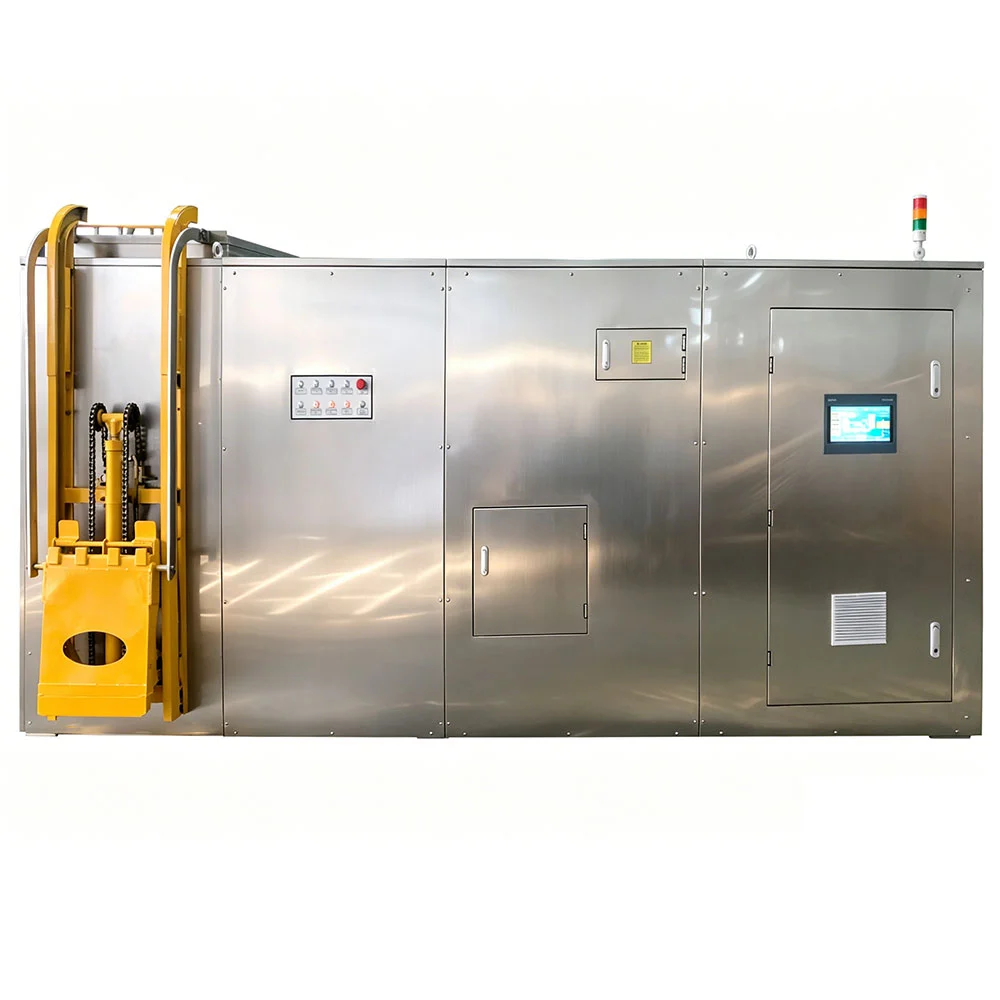
What it is
Every Creeks microbial composter produces organic fertilizer as its output. At household scale that is a bucket of soil amendment for the garden; at industrial scale it is compost removed weekly and sent for conversion into a fertilizer tailored to the operation. The material is nutrient-rich and is applied after blending with soil at the recommended ratio - roughly 1:10 compost to soil in horticultural use.
Suited to
- Farms and agricultural operations using compost on their own land
- Institutions with grounds and landscaping to maintain
- Municipalities returning organics to local parks and farmland
- Hospitality venues offering compost to staff and customers
How the process runs
- Microbial decomposition breaks organic matter down over 12-24 hours
- At least 85% of the incoming volume is removed
- The remaining fraction is discharged as organic fertilizer
- Compost is blended with soil at the recommended ratio
- It is applied to grounds, gardens, green areas or farmland
Equipment for this process
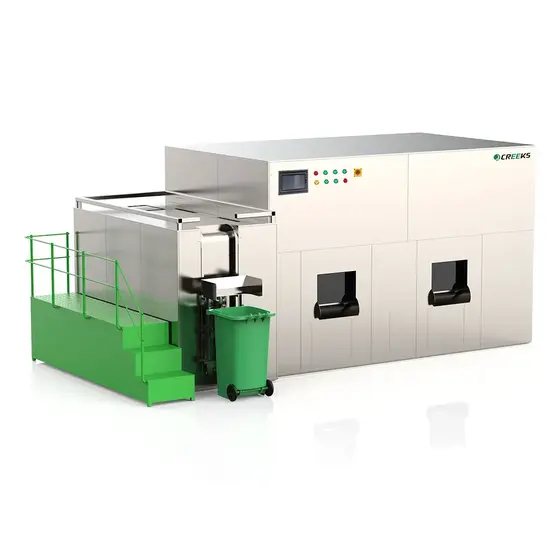
CR-2000 Waste Fertilizer Machine
2000 kg/day industrial fertilizer system
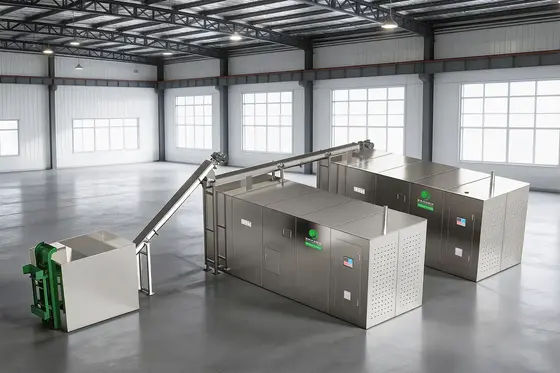
10 Tons Industrial Composter
10 tonnes a day, SUS304 construction, 65-75 degrees C fermentation
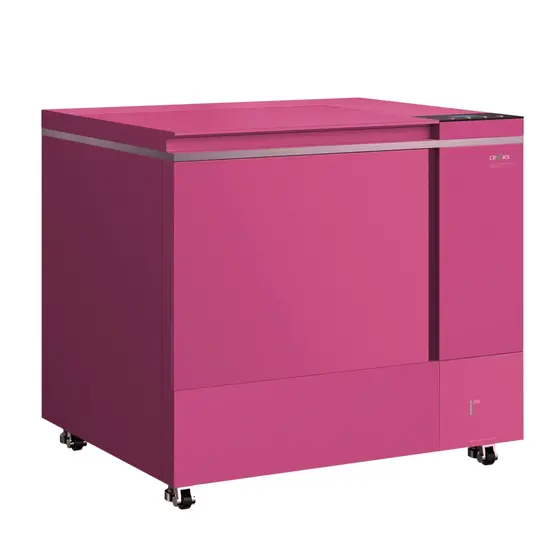
Organic Waste Recycling Machine
Microbial recycling - up to 90% volume reduction in 24 hours
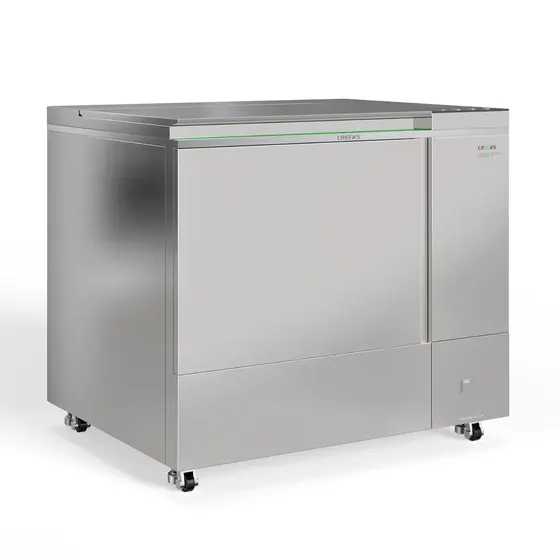
Organic Waste Composting Machine
Aerobic composting with no water input - power in, compost out
Is this the right process for your waste?
Describe what is in the waste stream - oil, packaging, garden waste, plate waste - and we will tell you which process fits.