
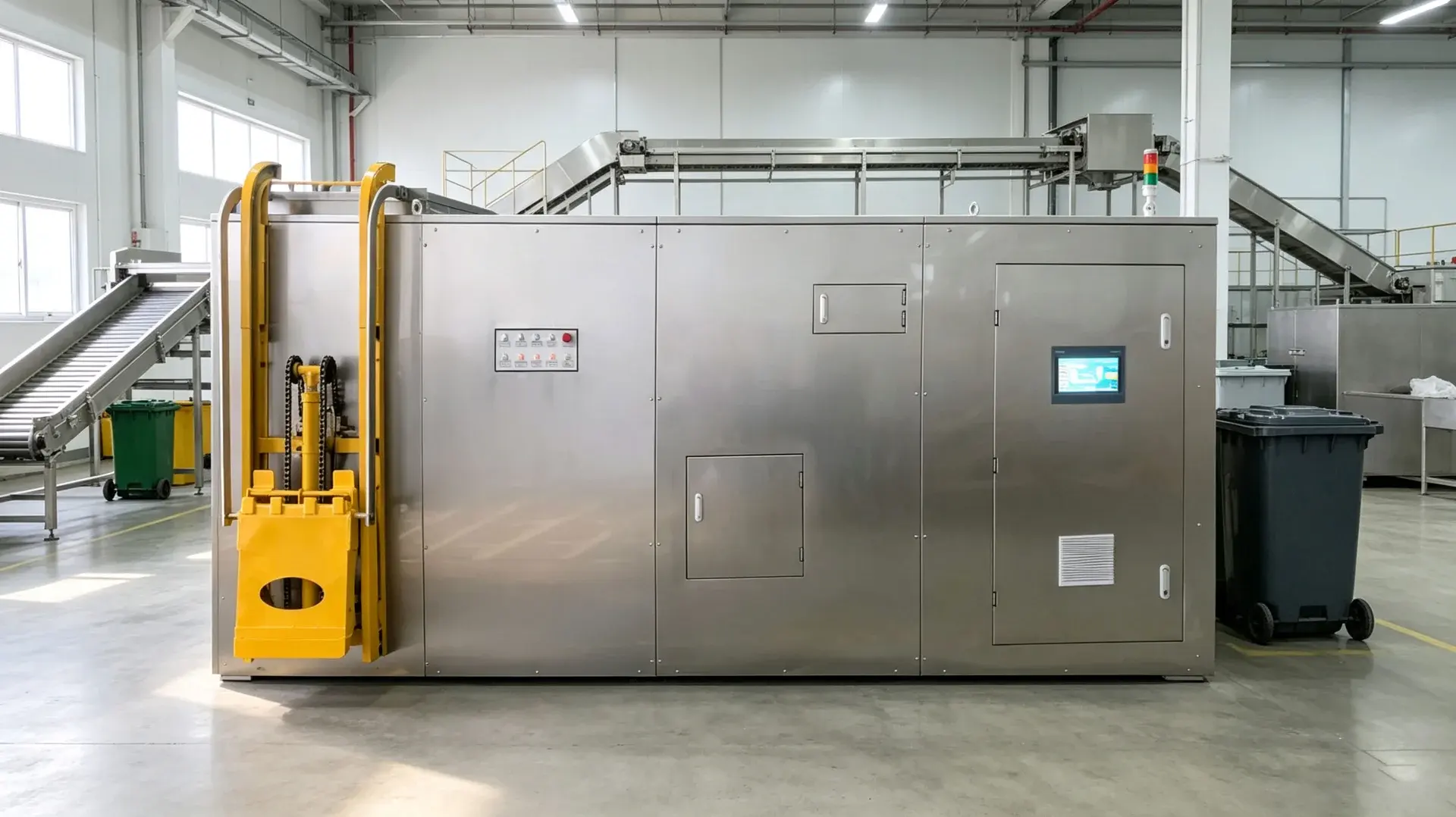
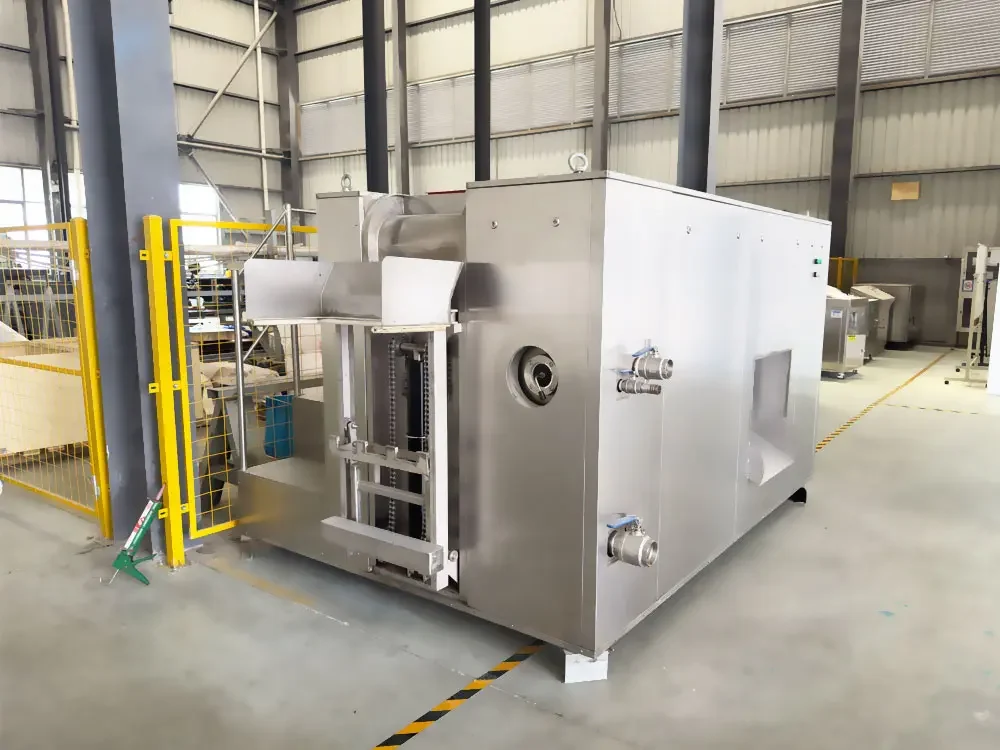
Food waste composting machines
Turn food waste into compost where it is produced
Creeks builds microbial composting machines from 1 kg a day on a kitchen counter to 10 tonnes a day in a municipal facility. Waste volume down at least 85%, organic fertilizer out in 12 to 24 hours.
12-24 hour cycle
Microbial decomposition turns a day's food waste into organic fertilizer overnight, instead of the weeks a compost pile needs.
85%+ volume reduction
Most of what leaves a kitchen bin is water. Removing it is what takes the weight, the smell and the haulage cost out of the waste stream.
One process, every size
The same aerobic microbial process runs from the CR-5 decomposer to the 10-tonne CR-10T, so operators learn it once.
Built by the manufacturer
Suzhou Creeks Environment Equipment designs, produces and supports the equipment - there is no trading company in the middle.
Product range
Composting equipment matched to what your site actually produces
The right machine is not the biggest one - it is the one sized to your daily waste weight, your available power supply and the space you can give it. Household units run on a standard socket and sit on a counter. The 10-100 kg commercial range still works on single-phase power. From 200 kg a day upward the machines move to 380 V three phase, and above two tonnes a day they become engineered systems with feeding lines and pre-treatment. Tell us the daily weight and we will tell you which band you are in.
Commercial Composters
10 to 1000 kg per day for restaurants, hotels, schools and campuses

Composters
Range overviews, shredder-integrated units and manufacturer programmes
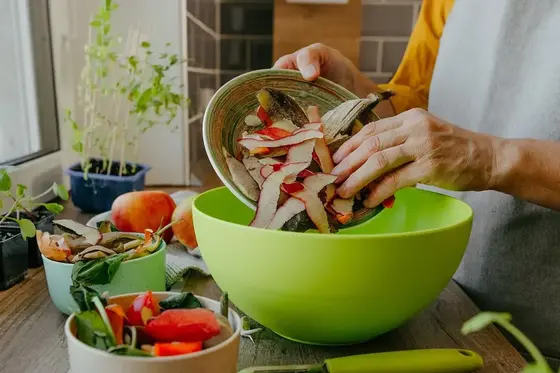
Household Composters
Countertop food recyclers and electric composters for homes and small offices
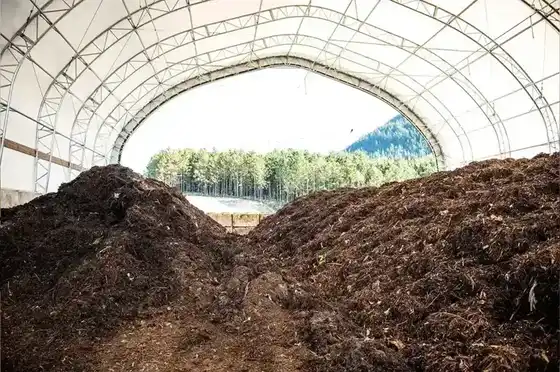
Industrial Compost Systems
2 to 10 tonnes a day, engineered into your facility
Waste Treatment Equipment
Drying and three-phase separation - the steps before or instead of composting
Most specified
Machines customers ask about first
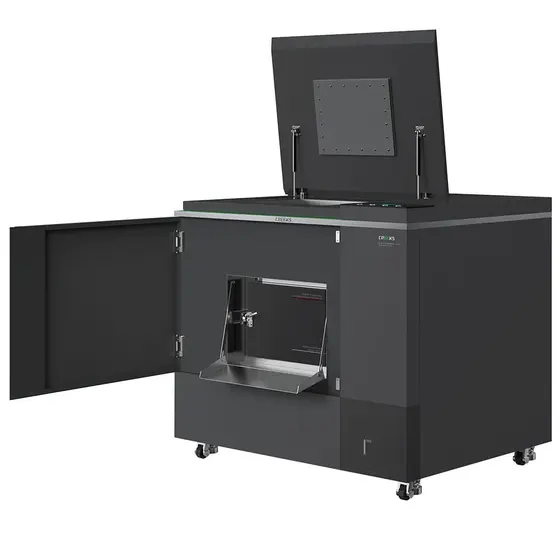
CR-100 Organic Waste Composter
100 kg/day - 40 tonnes a year from a single stand-alone unit
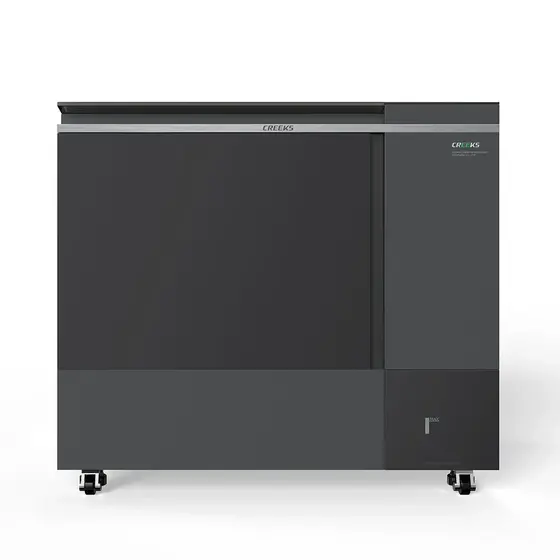
CR-30 Food Composting Machine
30 kg/day composter for restaurants, schools and offices
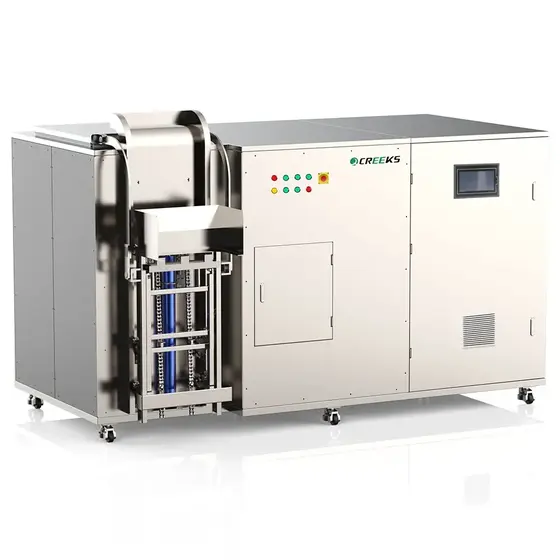
CR-1000 Composting Machine
1000 kg/day - one tonne of organic waste, on site, every day
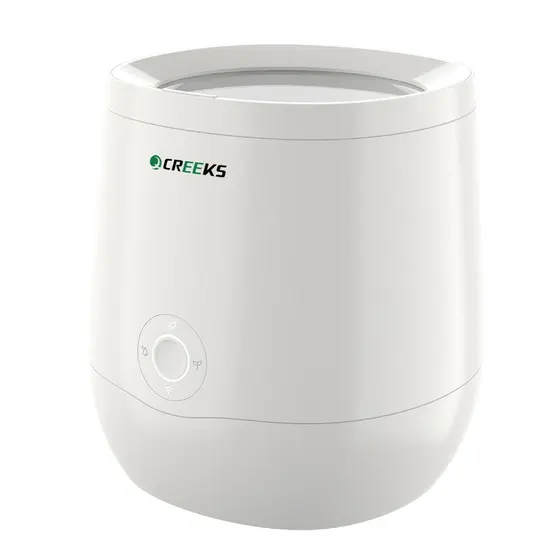
CR-3 Electric Composter
4 L smart electric kitchen composter with glass hinged lid
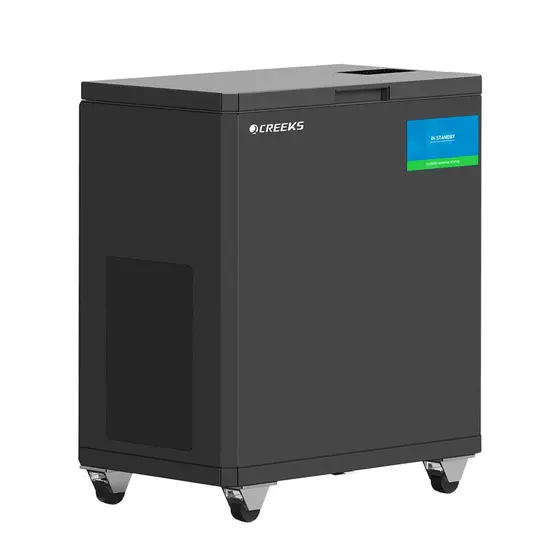
CR-5 Food Decomposer Machine
5 kg/day microbial food decomposer for small commercial kitchens
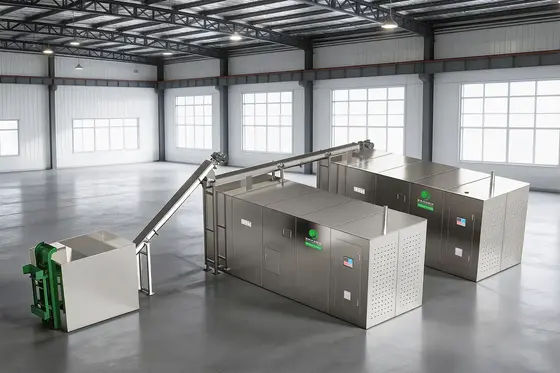
10 Tons Industrial Composter
10 tonnes a day, SUS304 construction, 65-75 degrees C fermentation
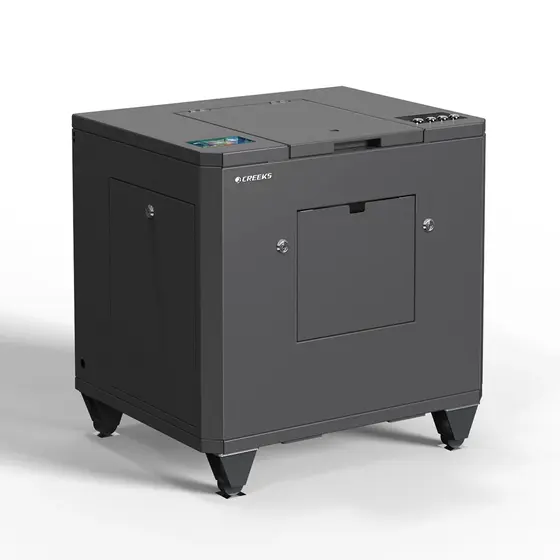
Food Waste Dryer
CRH-10 batch dryer - 80-90% weight reduction, sterile dry output
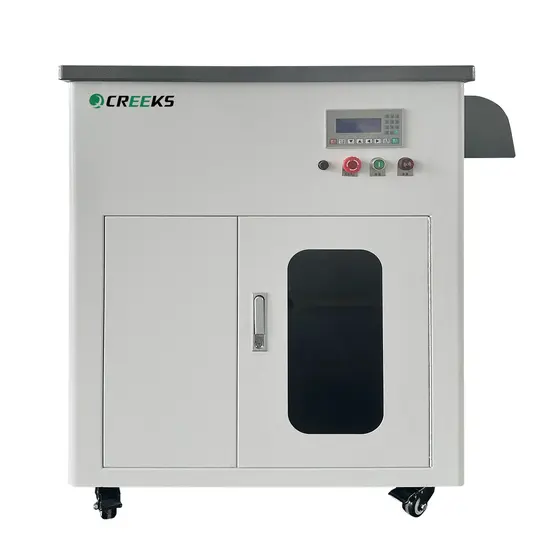
Kitchen Waste Reduction Machine
CRO-300S three-phase separation - oil, water and solid residue
Process
How on-site composting works
Load
Food waste goes into the machine where it is produced - no sorting ritual, no separate collection round. Larger systems take waste after crushing and oil-water separation.
Decompose
Microbial treatment bacteria work in a controlled environment of temperature, humidity and oxygen. Continuous stirring keeps the chamber aerobic.
Reduce
Moisture evaporates and organic matter breaks down. At least 85% of the incoming volume disappears - up to 90% on many models.
Use
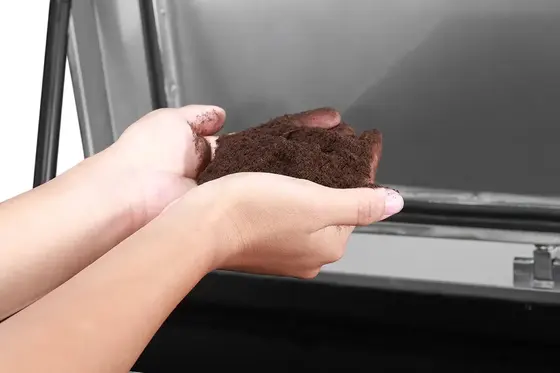
What remains is organic fertilizer. Blend it with soil at the recommended ratio and put it back into grounds, gardens or farmland.
Industries
Who we build for
The machine is the same; the constraints are not. Pick the sector closest to yours for the capacity, power and installation notes that apply.
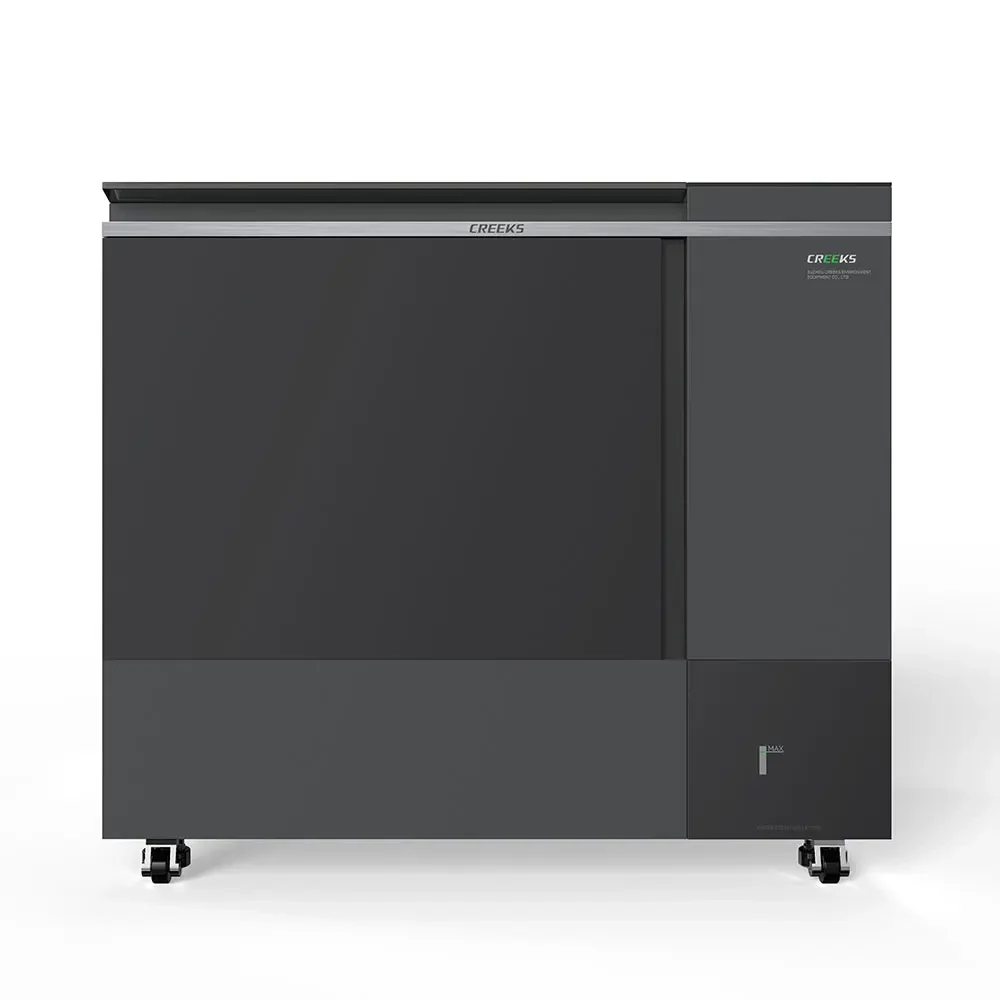
Restaurants
Prep waste and plate waste, handled in the building that made it
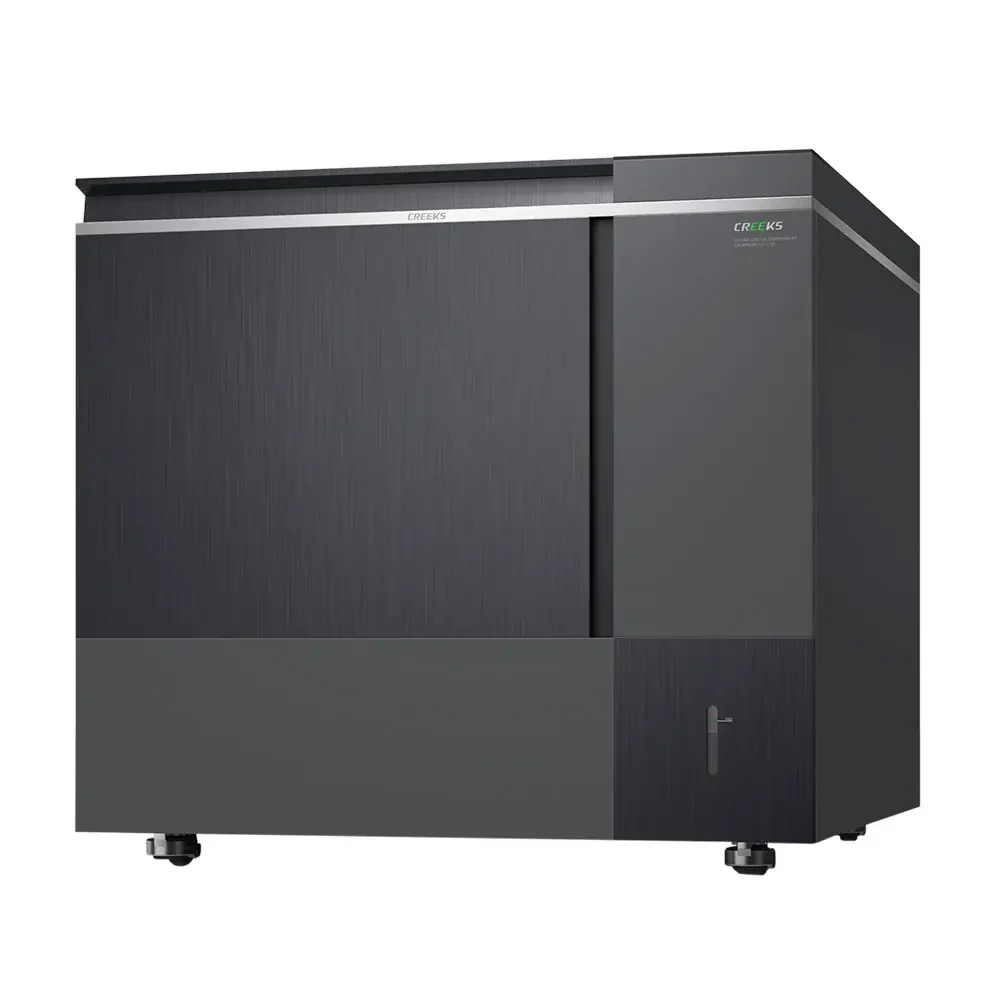
Hotels and Resorts
Breakfast, banqueting and several outlets into one machine
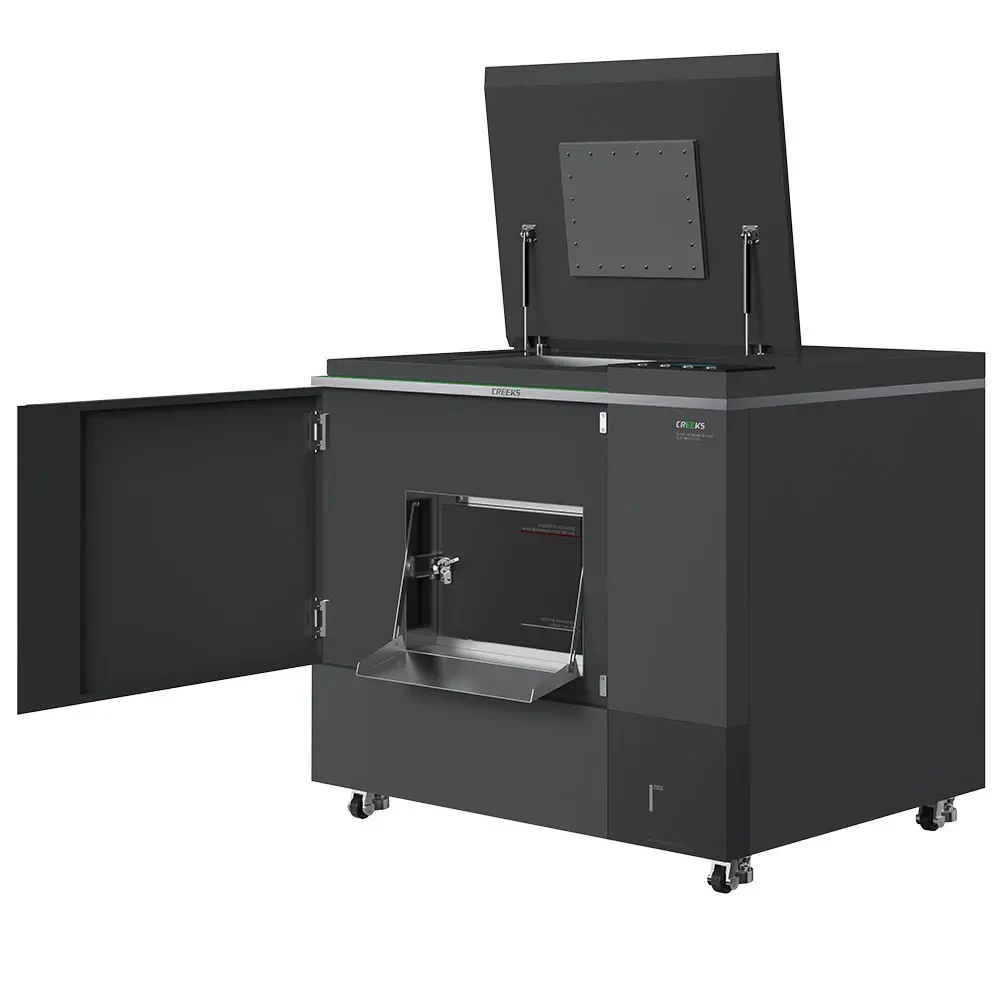
Schools and Universities
Canteen waste as a teaching tool and a budget line
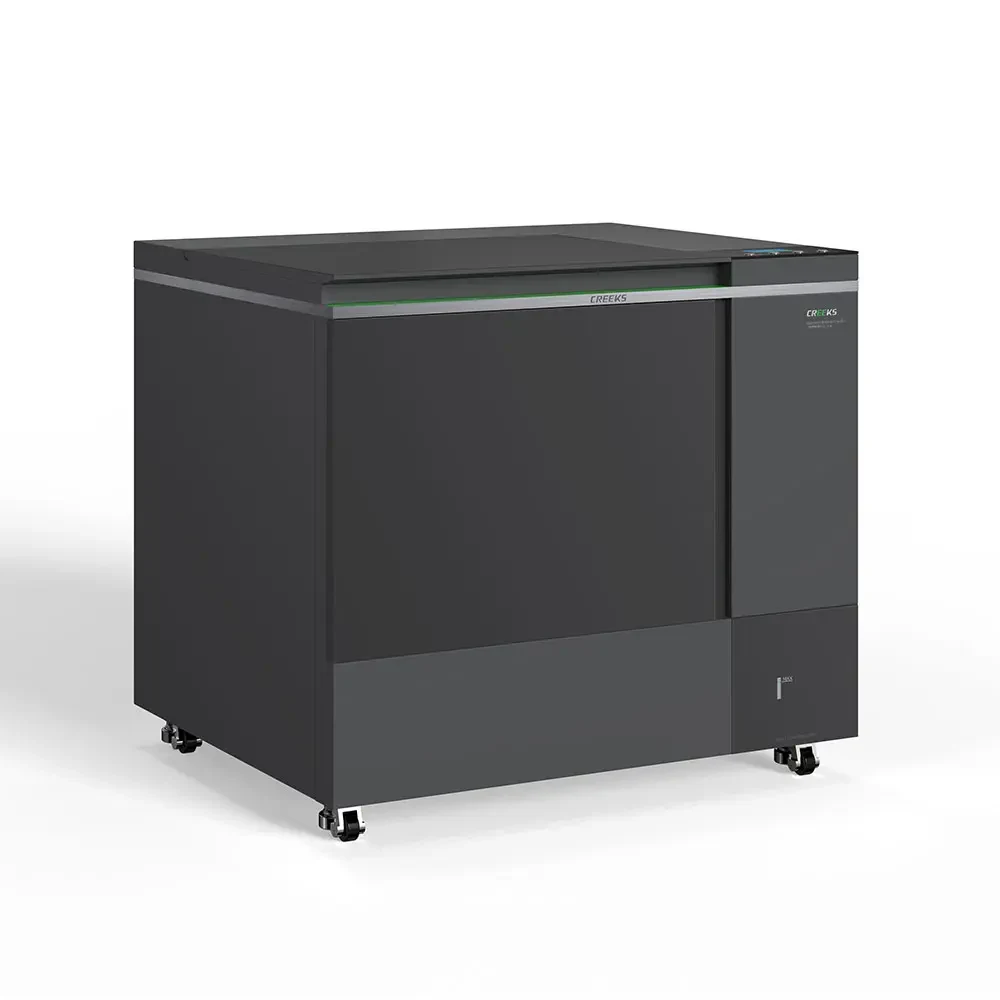
Hospitals and Healthcare
Continuous catering, strict hygiene, no room for smelly waste
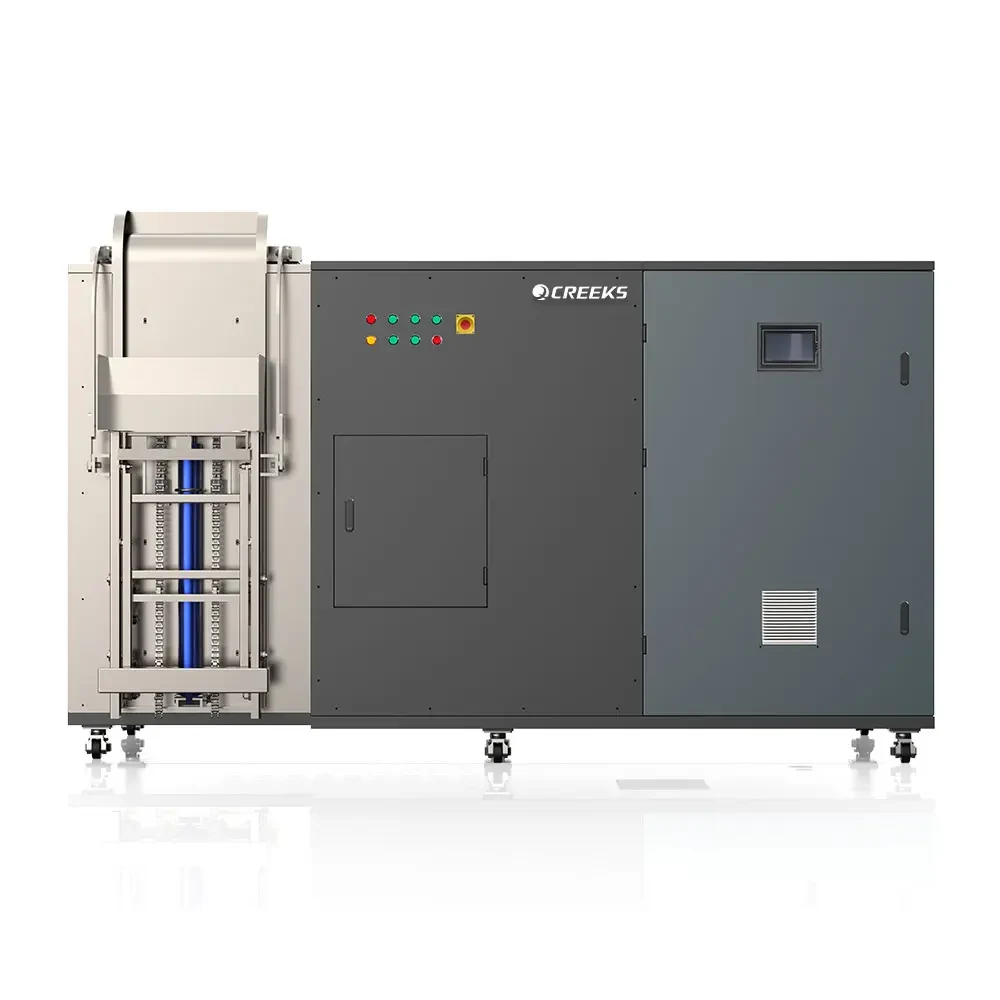
Supermarkets and Retail
Fruit, vegetable and short-date waste processed in the back of house
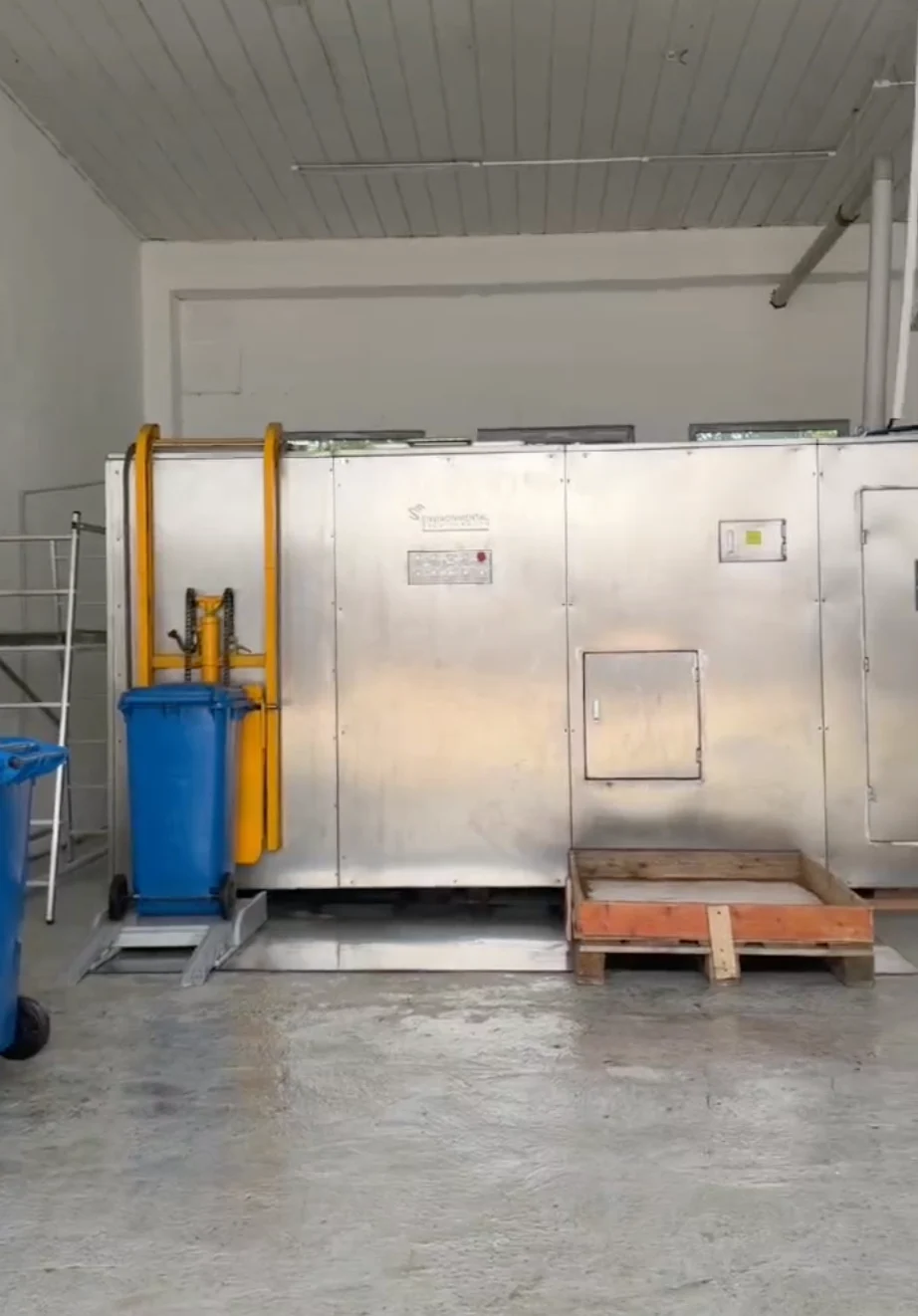
Food Processing Plants
Predictable daily process waste, treated as raw material
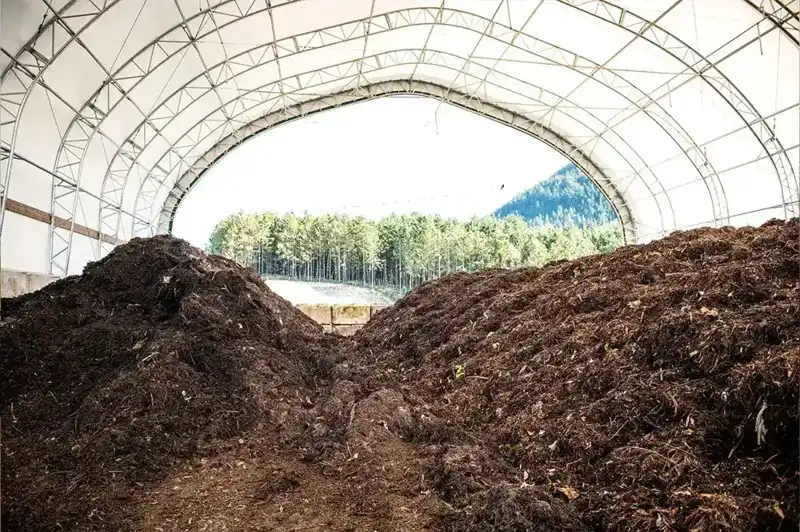
Municipalities
Local processing instead of long-distance haulage
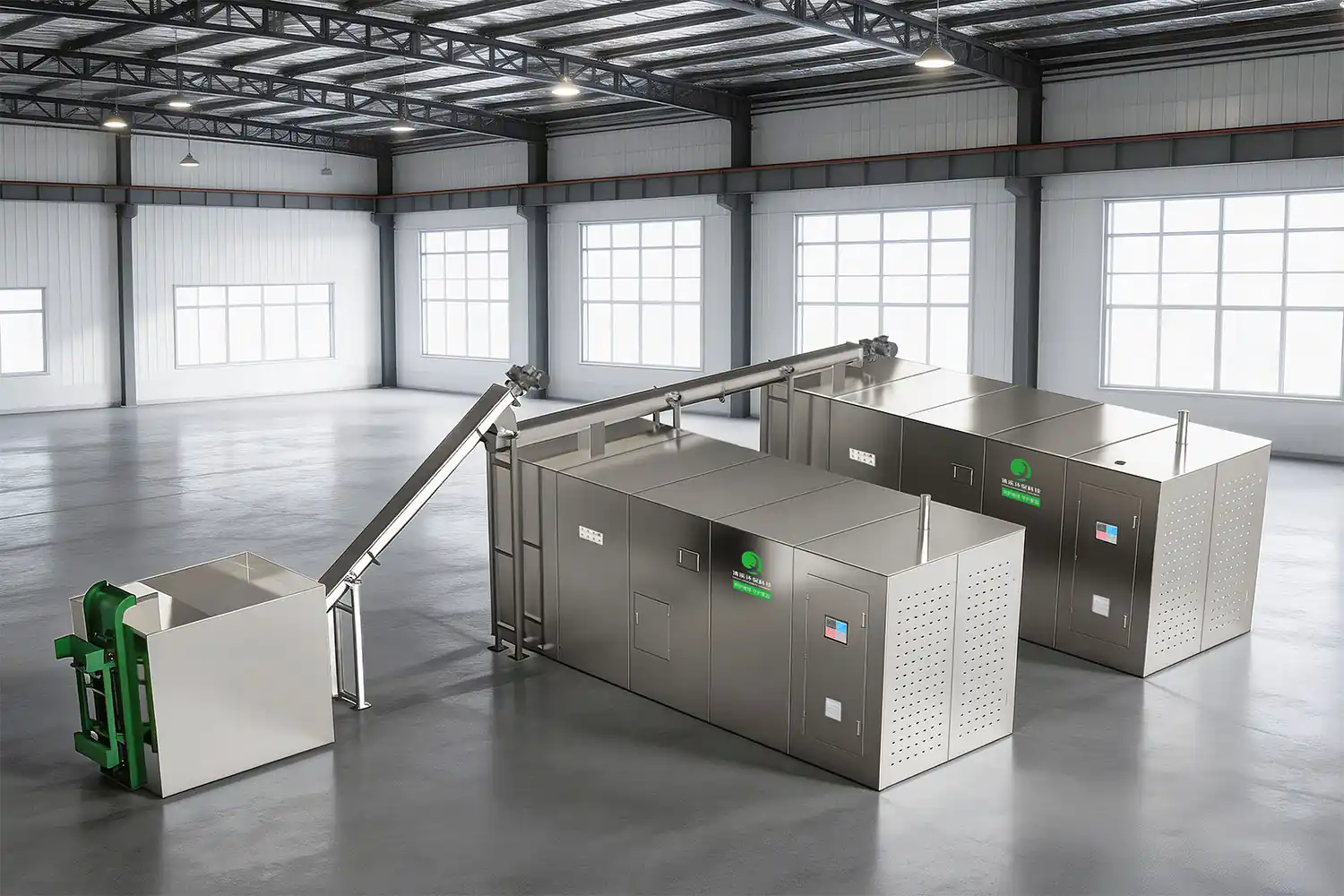
Farms and Agriculture
Turn crop, market and food waste into fertilizer you use yourself
Manufacturing
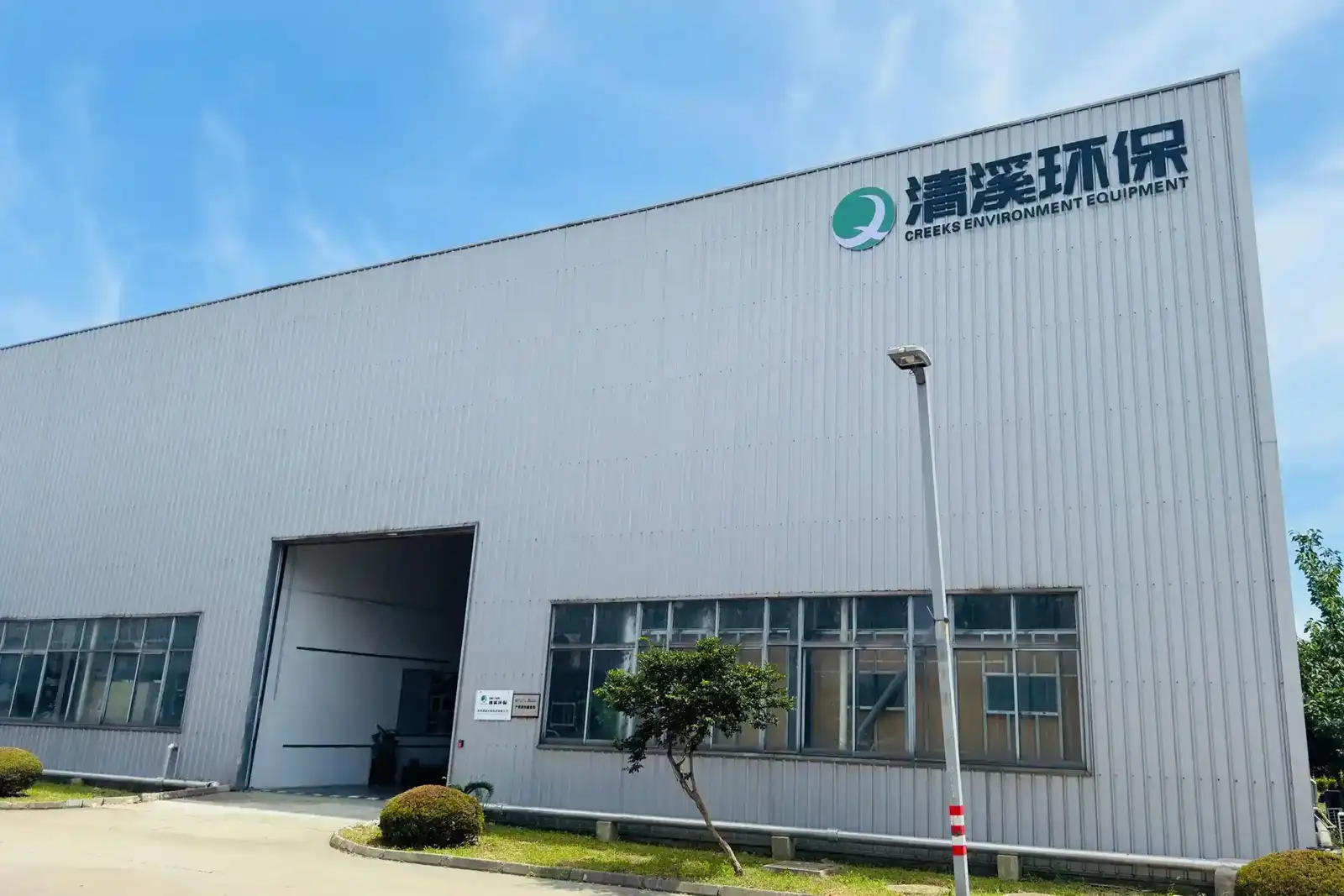
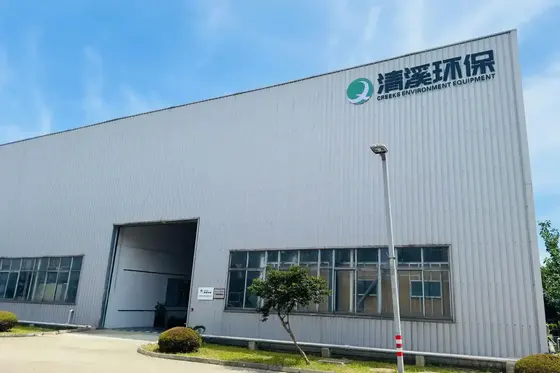
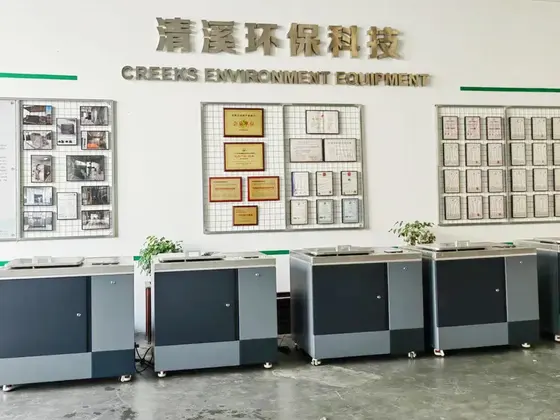
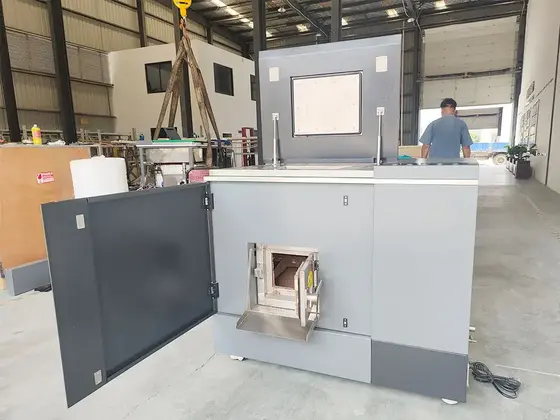
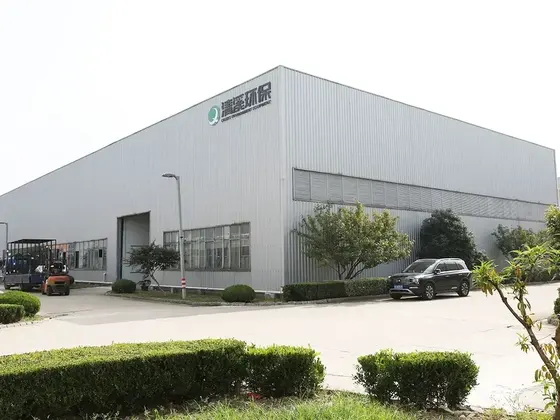
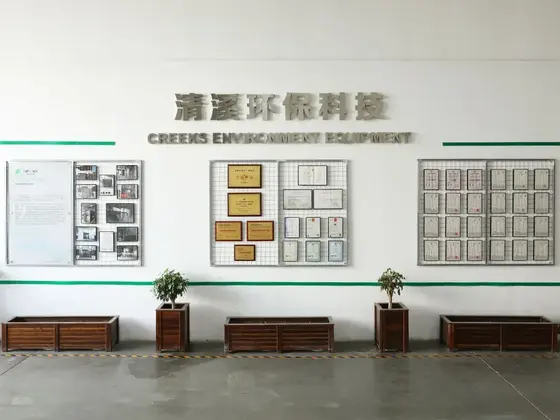
Built in our own plant in Suzhou
Design, fabrication, control cabinets and loaded test runs all happen at Standard Plant B in the Italian Industrial Park, Suzhou. That is why a question about a chamber weld or a fault alarm reaches the people who built the machine.
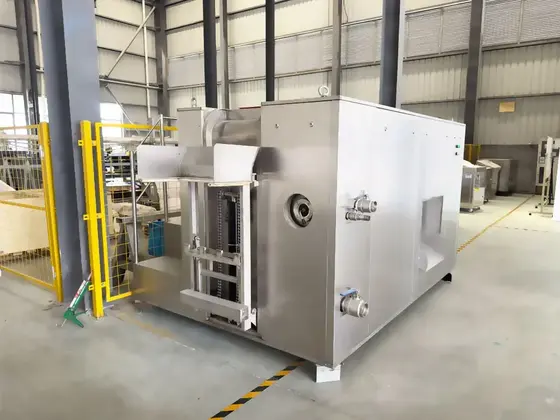
Project cases
Machines in service, and the people who came to see them
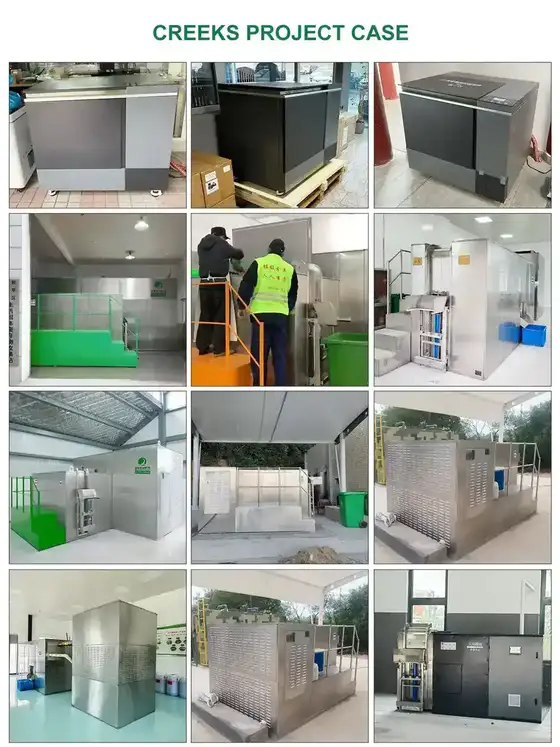
A Kazakh farm turns waste into on-site fertilizer
A farming operation in Kazakhstan installed Creeks composting equipment to process organic waste on site and return the output to its own land instead of buying in soil improver.
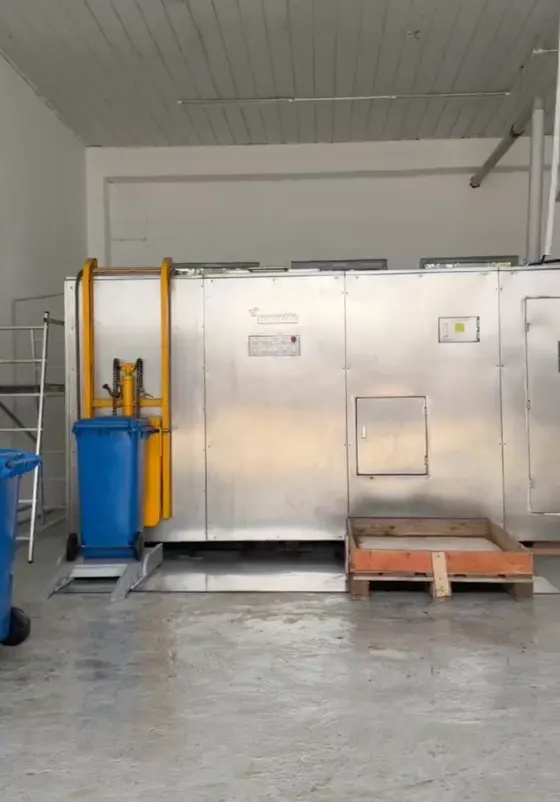
Distributor partnership in Kazakhstan
Creeks signed a distributor agreement in Kazakhstan, giving local customers in-country sales and support for the composting range.
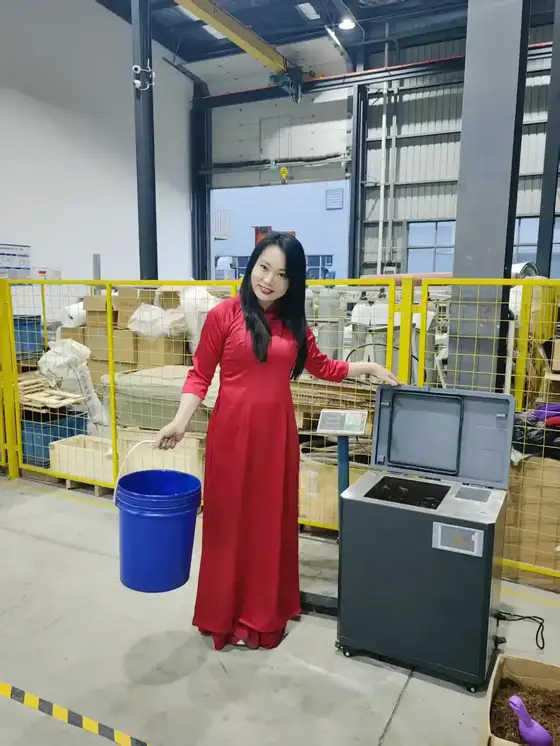
Vietnamese customers visit the Creeks factory
A delegation of customers from Vietnam visited the Creeks plant in Suzhou to see how the composting machines are built and to discuss food waste solutions for their market.
Knowledge
Before you specify a machine
How food waste composting machines work
The mechanism behind a 12 to 24 hour cycle - what the machine actually controls, and why that turns months into hours.
Read →How to choose the right composting machine capacity
Four numbers decide the specification: daily waste weight, power supply, footprint and what you plan to do with the output.
Read →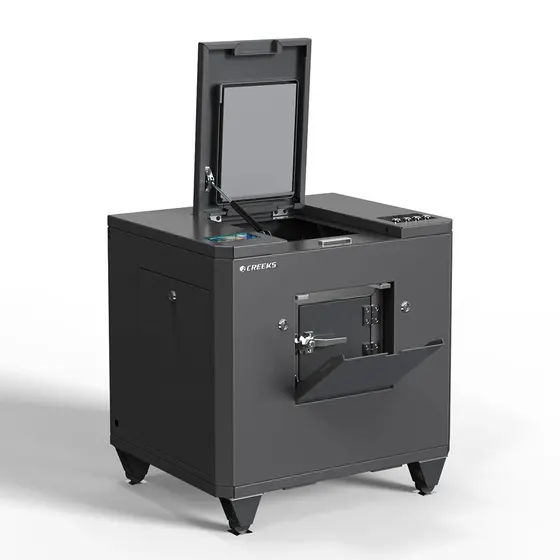
Composting or drying - which process fits your site
Two different machines, two different outputs. The choice depends on what you want to be holding at the end.
Read →Tell us your daily waste weight
That one number, plus your power supply, is usually enough for us to come back with a model, a footprint and a price.