Composting or drying - which process fits your site
Two different machines, two different outputs. The choice depends on what you want to be holding at the end.
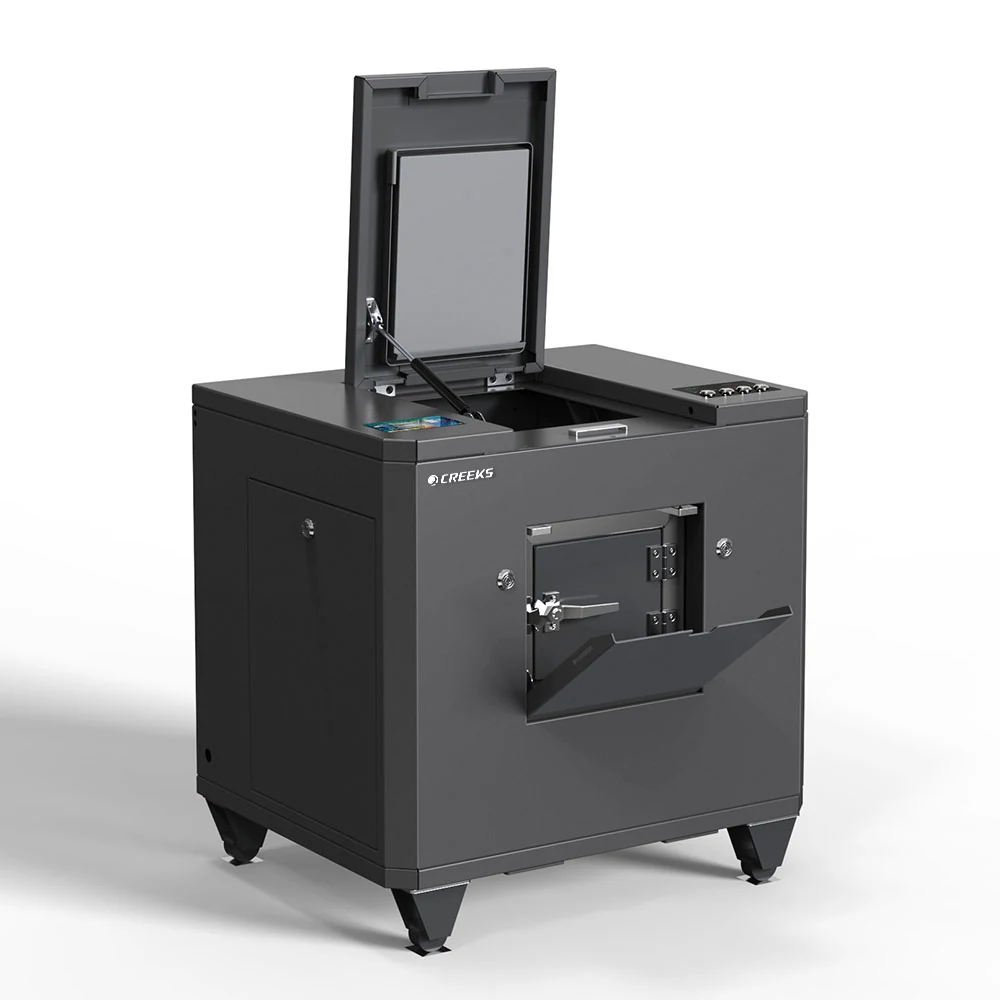
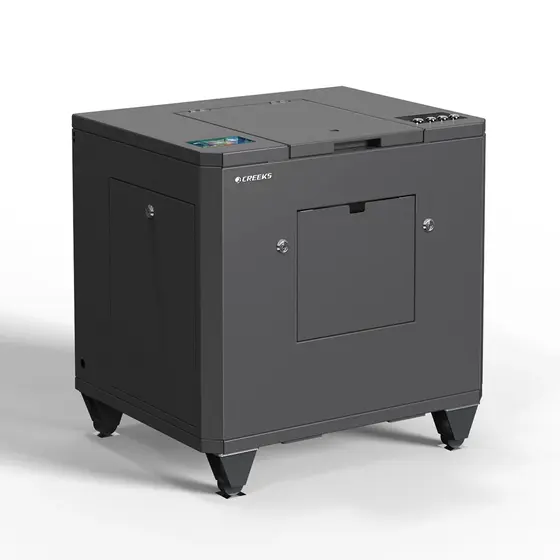
A composter decomposes. Microbial bacteria break organic matter down over 12 to 24 hours and the output is organic fertilizer, ready to blend with soil at the recommended ratio.
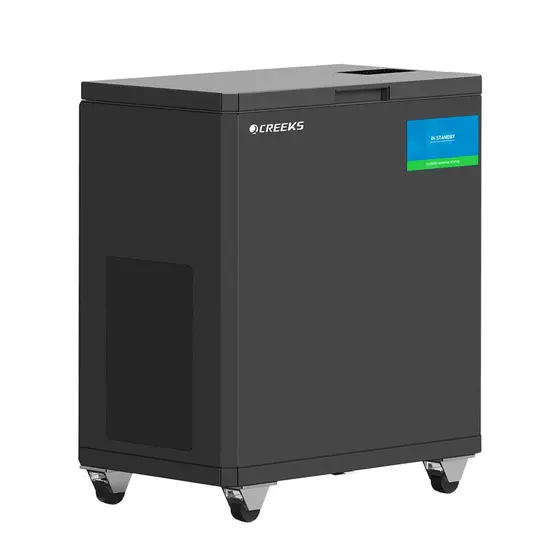
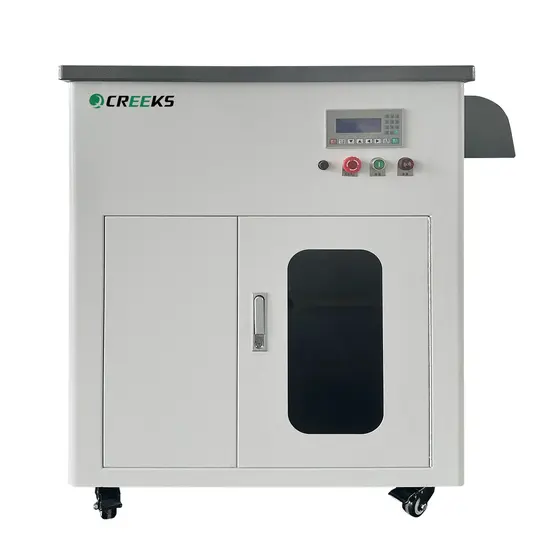
A dryer evaporates. The CRH-10 uses heat and mechanical mixing over 8 to 10 hours to remove 80-90% of the weight, leaving a dry biomass at 5-15% of the original volume - sterile, free of weeds, seeds and pathogens, and storable for many weeks without degrading.
Choose composting when the output has a use nearby: grounds, gardens, farmland, or a local soil centre. Choose drying when space is tight, the material has to be stored before it moves, or when a sterile, stable product is worth more than a biologically active one.
Neither process handles heavy oil well. Where kitchen waste is oil-laden, three-phase separation goes in front of whichever machine follows.
Ask the factory
Sizing questions are easier to answer with your numbers in front of us. Send your daily waste weight and site type and we will reply with a specific model.