The business case for on-site composting
Where the money actually comes from: avoided haulage, avoided gate fees, and an output with a use.

On-site composting turns a recurring cost into a resource. The recurring cost is waste removal - a line item that scales with tonnage, and tonnage that is mostly water.
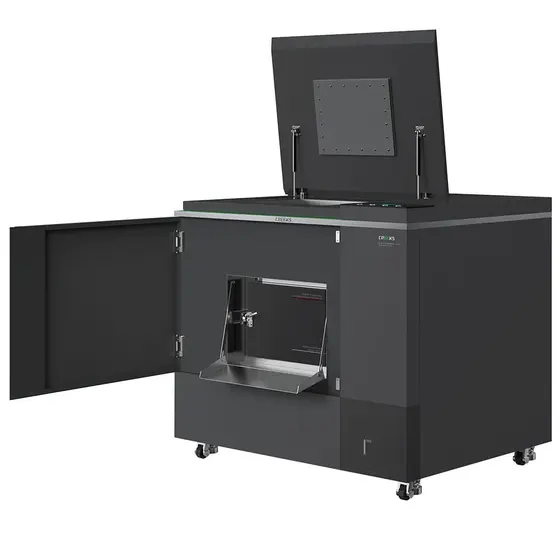
Removing 85-90% of the volume before anything leaves the site changes that arithmetic directly. Fewer lifts, lighter loads, less storage space tied up in a bin room. The CR-100 processes 40 tonnes a year in a single unit, which is a number most operators can check against their own invoices.
There is a second, softer line: carbon. Organics in landfill generate methane, and hauling wet waste generates transport emissions. Processing on site cuts both, which is what makes the installation reportable against a corporate sustainability target rather than just a cost saving.
The output has value too. Compost goes onto grounds and landscaping, back onto farmland, or out to customers as a branded sustainability touch - all of which replace something the organisation was otherwise buying.
Ask the factory
Sizing questions are easier to answer with your numbers in front of us. Send your daily waste weight and site type and we will reply with a specific model.