How to choose the right composting machine capacity
Four numbers decide the specification: daily waste weight, power supply, footprint and what you plan to do with the output.
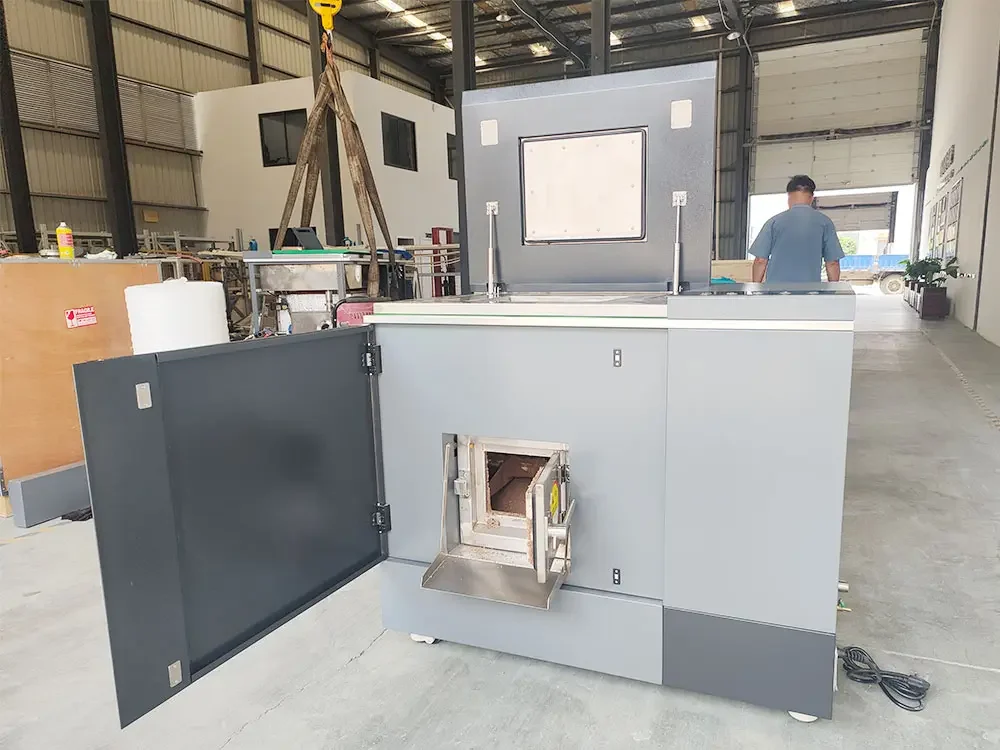
Start with weight, not with the size of the kitchen. Weigh your food waste bins for a week and take the busiest day, not the average - a machine sized to the average is a machine that overflows on Saturdays.
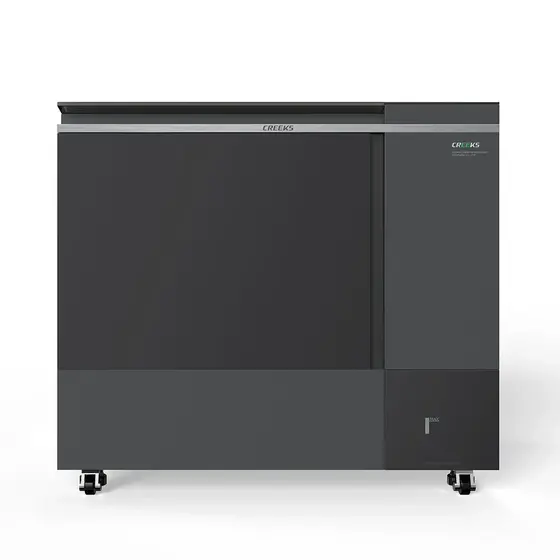
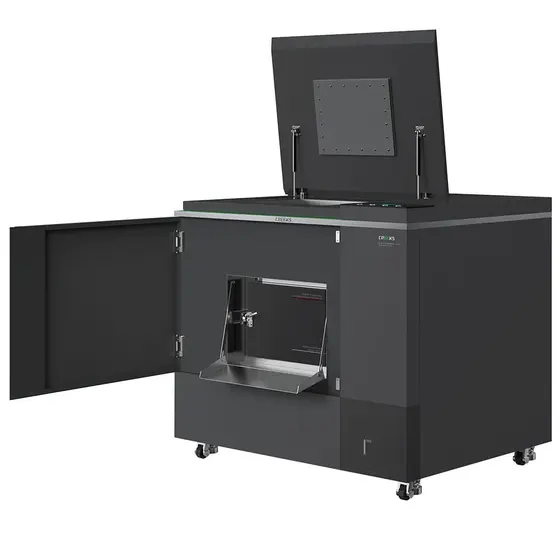
Then check the power supply. Everything up to 100 kg a day runs on 220 V single phase, from 1.2 kW on CR-10 to 4.5 kW on CR-100, which usually means no electrical work. From 200 kg a day the range moves to 380 V three phase, and that decision often shapes the project more than the machine price does.
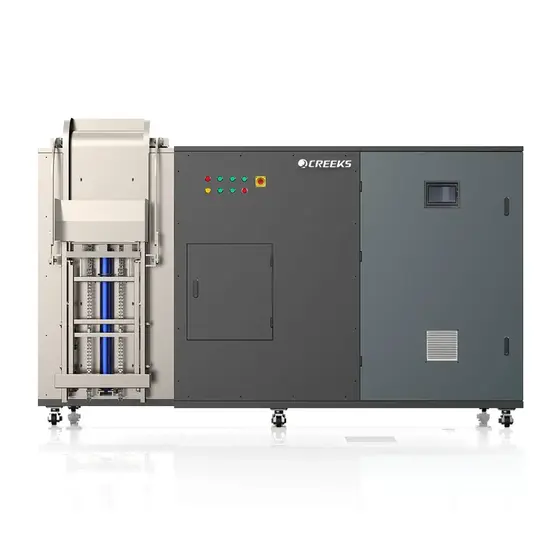
Third is footprint and access. CR-10 needs 750 x 600 mm; CR-1000 needs 3975 x 1980 mm plus loading and service clearance. Industrial systems need a prepared pad, lifting access and, frequently, a shelter.
Finally, decide what happens to the output. If it goes onto your own grounds or farmland, a composter is the right answer. If you need a light, sterile product that stores for weeks, a dryer may suit better. If oil content is the real problem, separation comes first.
Ask the factory
Sizing questions are easier to answer with your numbers in front of us. Send your daily waste weight and site type and we will reply with a specific model.