
12 products
Cold Welding Machines
Hand-held and bench machines that join non-ferrous wire by pressure alone, from 0.05 mm hair-fine wire up to 4.50 mm copper.
Browse the range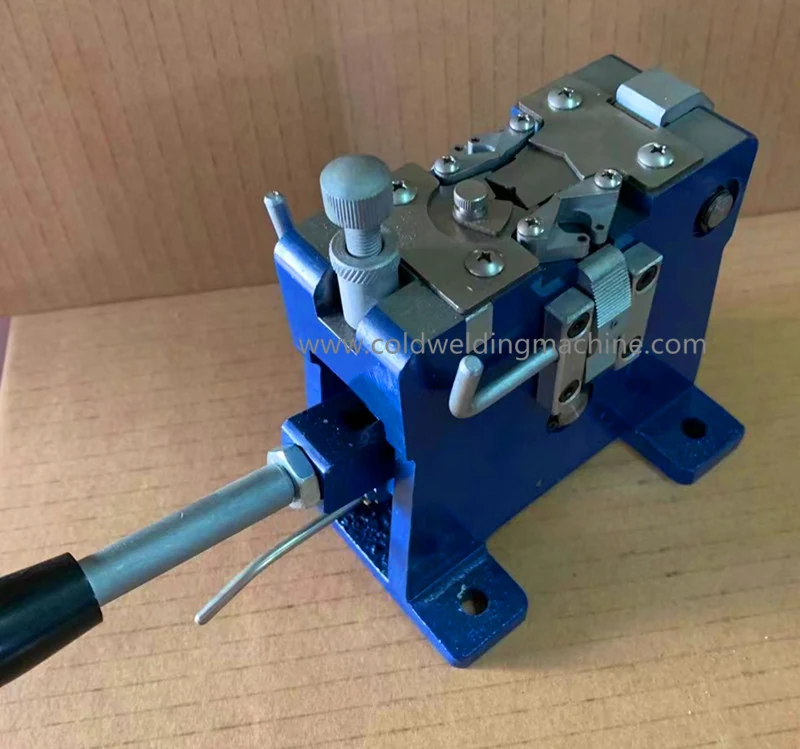
SGT cold welders make a solid-phase joint as strong as the parent wire and with the same electrical characteristics — in a cycle that takes seconds and needs no operator training.
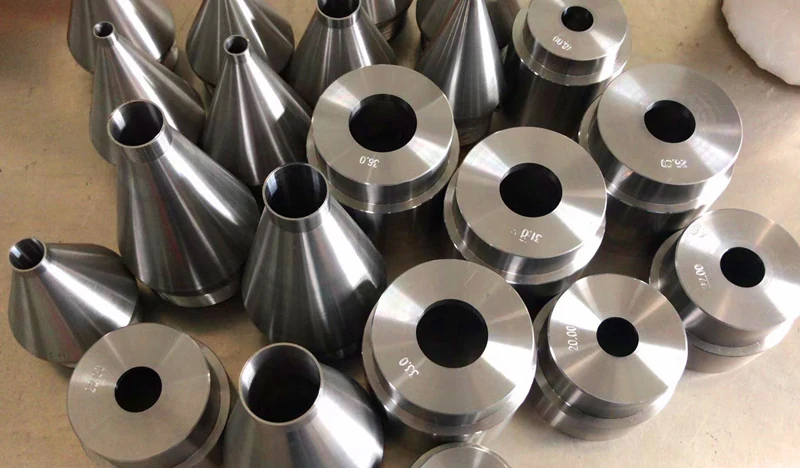
Industry-standard dies from 0.10 mm to 25.0 mm, plus PCD, nano-coated and tungsten carbide drawing dies and extrusion tooling — cut for round or profile wire to your drawing.
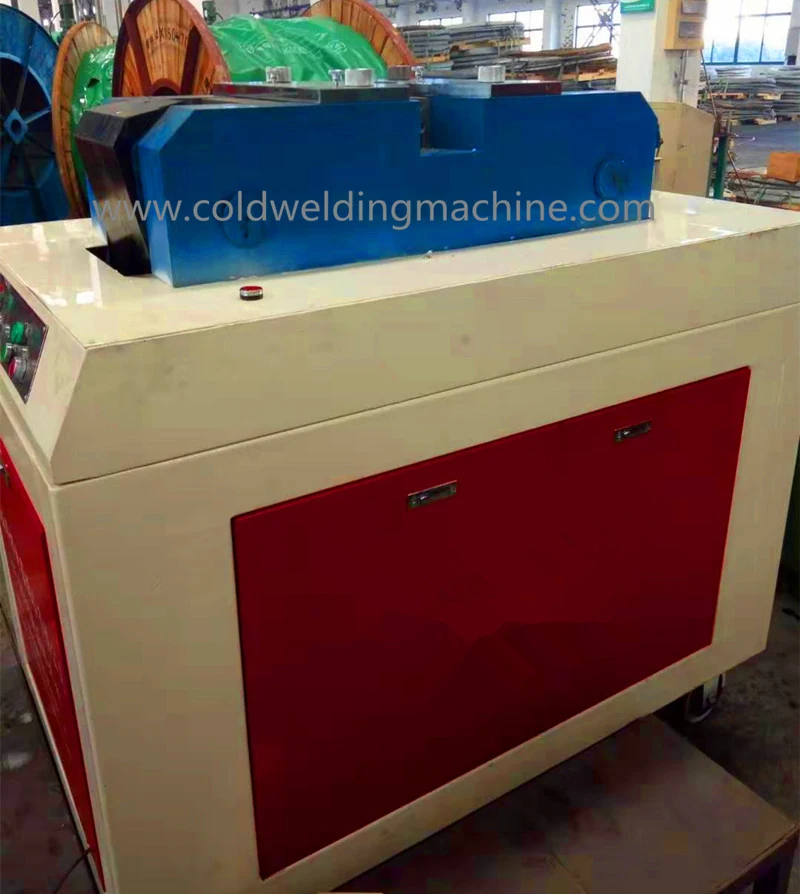
The CHY series covers 1.00 mm to 20.00 mm copper rod and up to 25.00 mm aluminium rod, with machines built for continuous casting and rolling lines and rod breakdown mills.
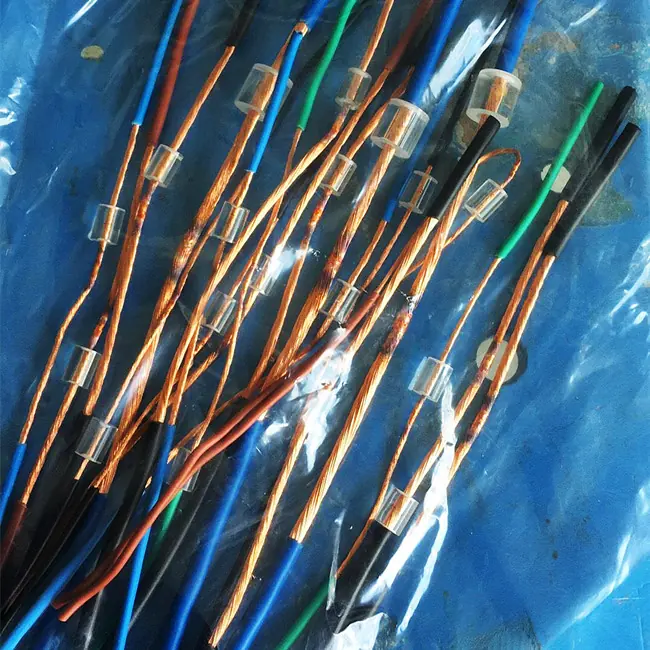
Hole tolerance of ±0.01 mm against ±0.1 mm for ceramic, a 1300 °C softening point and a transparent wall the operator can actually see the joint through.
SGT has manufactured cold pressure welding equipment in Shunde, Foshan for 30 years. The range covers four things a wire plant needs on the same shop floor: machines that join non-ferrous wire without heat, the dies those machines close onto, drawing and extrusion tooling for the lines downstream, and the butt welders and quartz crucibles used for stranded conductor and cable.
Hand-held and bench machines that join non-ferrous wire by pressure alone, from 0.05 mm hair-fine wire up to 4.50 mm copper.
Browse the range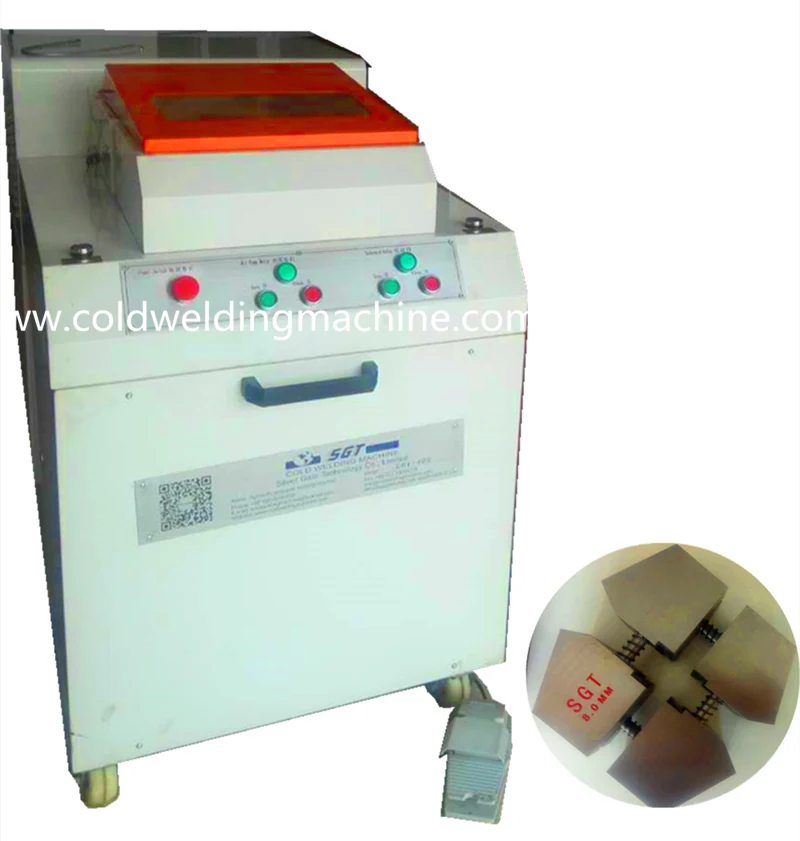
The CHY series covers copper from 1.00 mm to 20.00 mm and aluminium to 25.00 mm, including rectangular strip.
Browse the range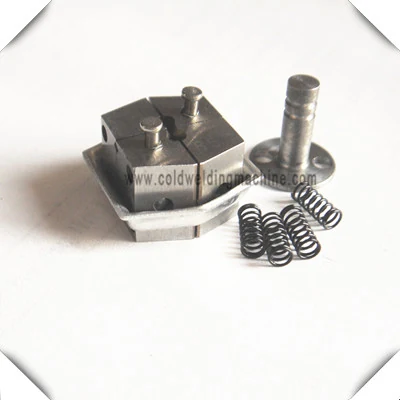
Industry-standard dies for wire from 0.10 mm to 25.0 mm, single or double cavity, round or profile.
Browse the range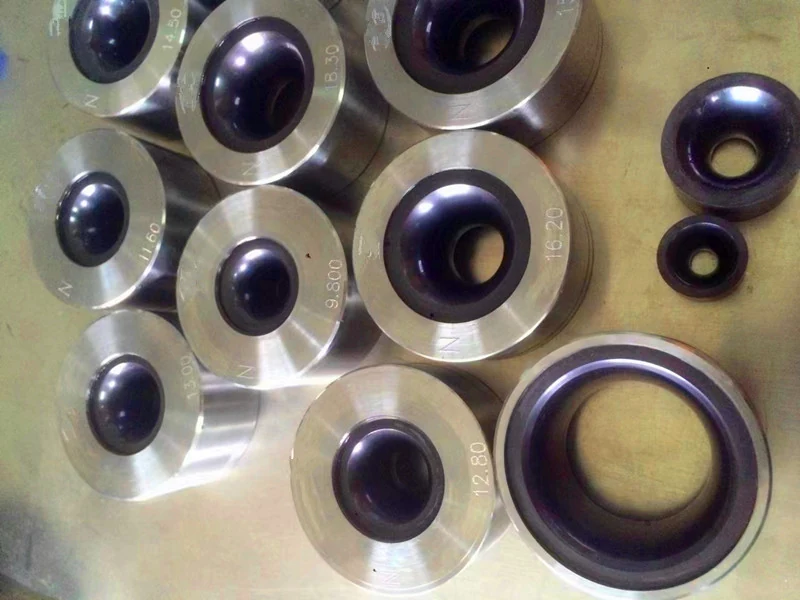
Drawing and stranding dies from 0.015 mm to 40.00 mm, chosen by wear rate rather than by price per die.
Browse the range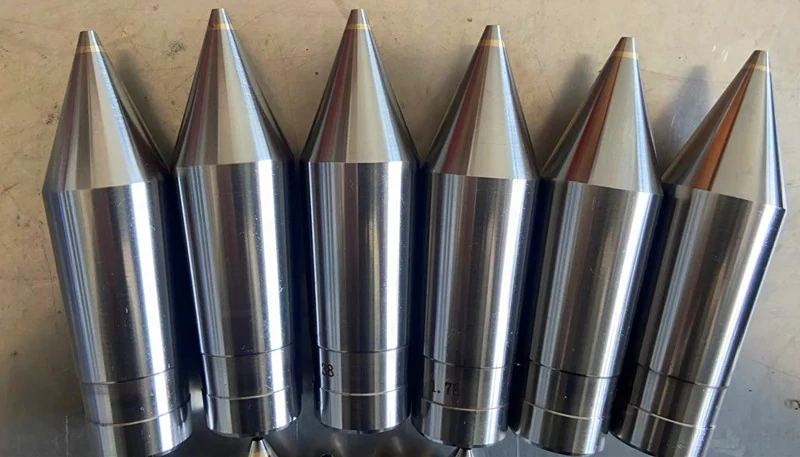
Compression tooling engineered for concentricity, so the insulation wall can be run thin without breaking through.
Browse the range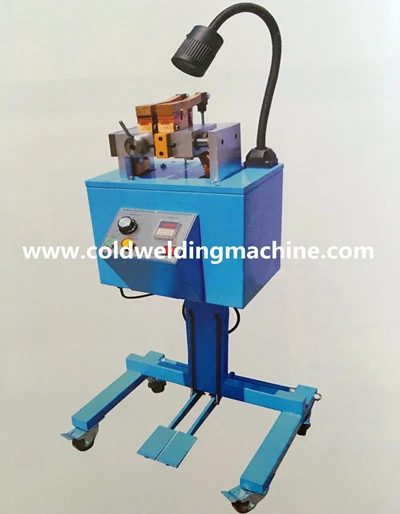
Chamber welding for copper conductors from 1.0 mm² to 120 mm², using a quartz crucible instead of ceramic.
Browse the range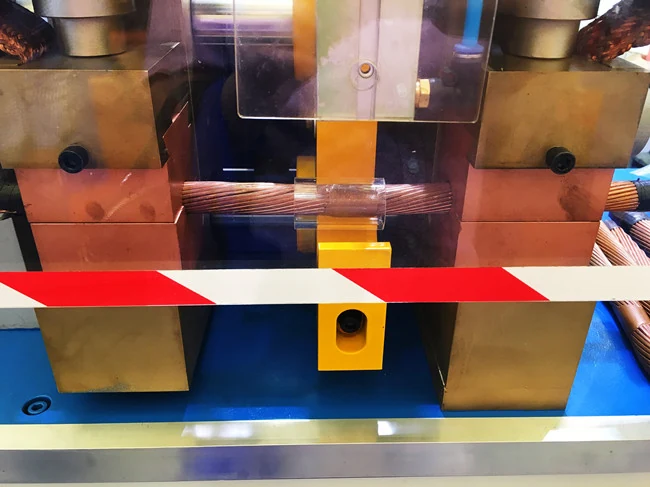
Hole diameter 0.300 mm to 8.200 mm, held to ±0.02 mm standard and ±0.01 mm high precision.
Browse the range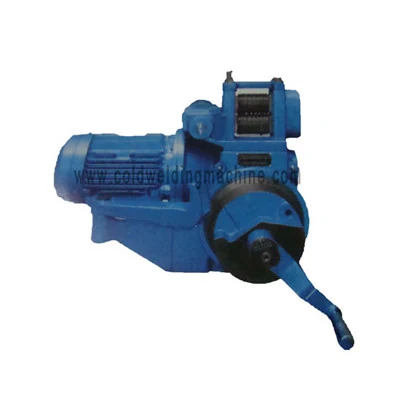
Conical points rather than triangular, on wire from φ3.55 mm down to φ0.66 mm and on 8.0 mm copper rod.
Browse the range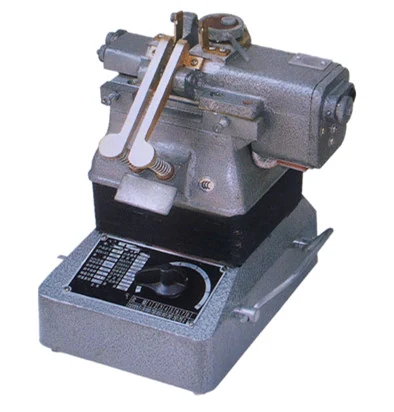
The UN series from 1 kVA to 40 kVA, for steel, aluminium, brass and pure copper wire and rod.
Browse the rangeEighteen of the 38 products in the catalogue, from an 820 g hand welder for 0.05 mm wire to a 2000 kg press for 25 mm aluminium rod.
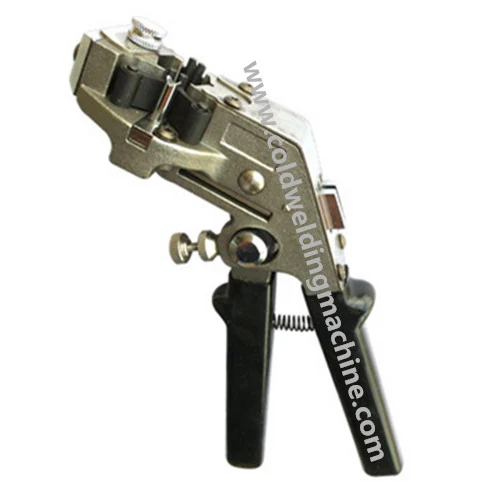
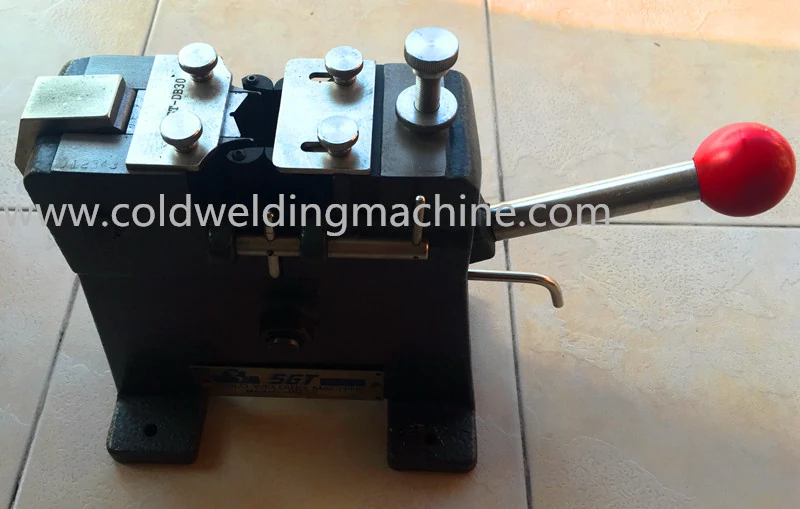
The finest machine in the range — 0.05 mm copper at 820 g in cast stainless steel.
View specifications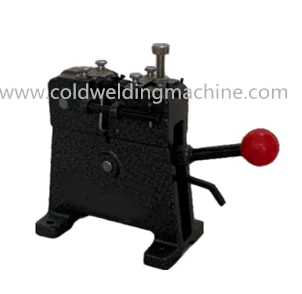
The bench-mounted DA10 build at 3.5 kg, for fine copper and aluminium wire from 0.10 mm.
View specifications
Double cavity dies as standard, copper 0.35-1.30 mm and aluminium 0.30-1.40 mm at 13 kg.
View specifications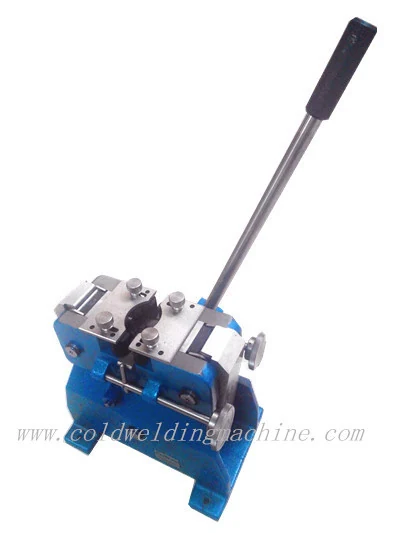
Bench or trolley mounted, copper 0.90-4.00 mm and aluminium 1.00-5.50 mm on a 36 kg ductile cast iron frame.
View specifications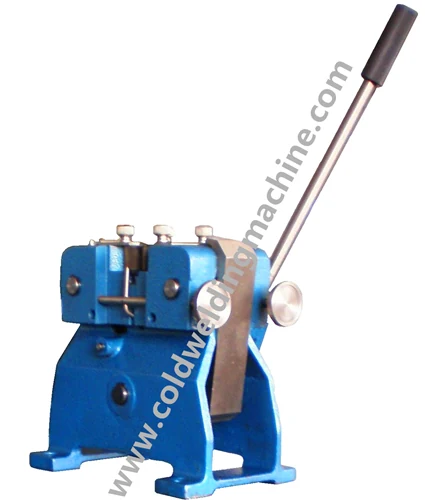
The largest desk machine — copper to 4.50 mm and aluminium to 6.00 mm on an 80 kg frame with oversized dies.
View specifications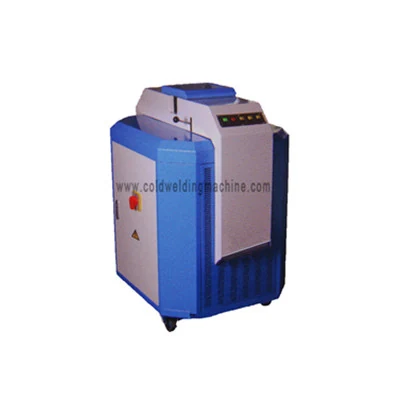
The smallest hydraulic welder — copper 1.00-4.00 mm and aluminium 1.00-6.00 mm at 130 kg.
View specifications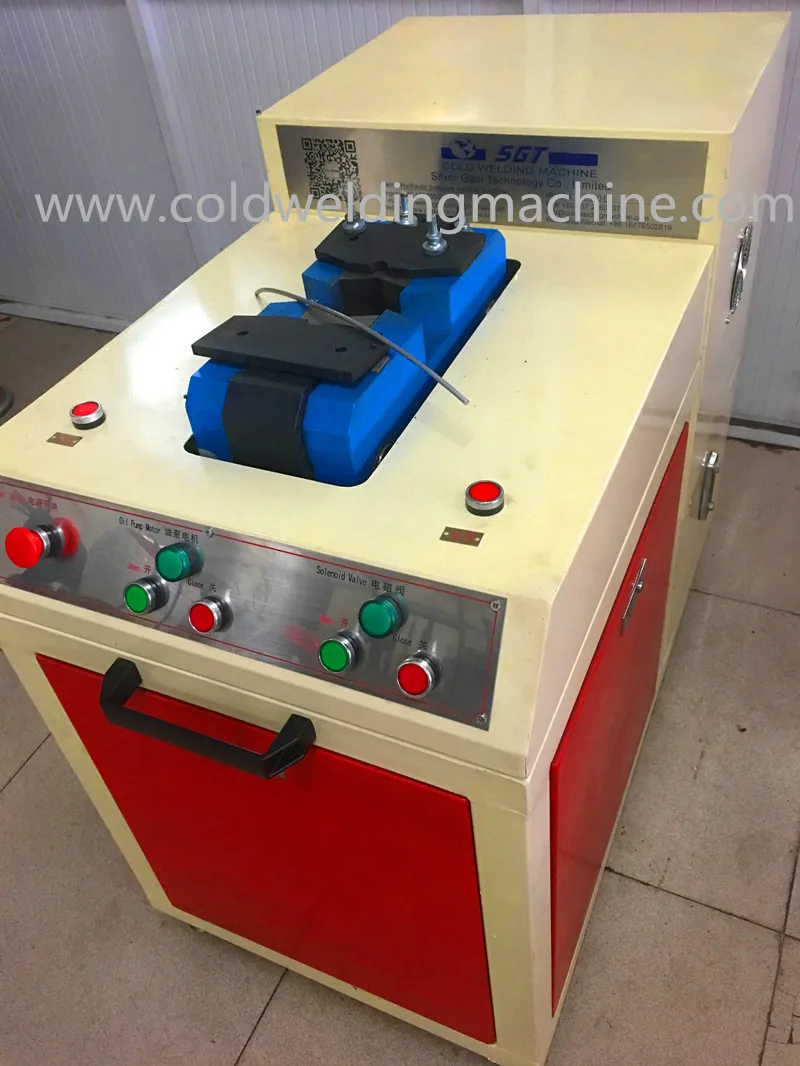
Copper 2.00-6.00 mm and aluminium 2.00-8.00 mm on a 380 kg frame with a 1.5 kW motor.
View specifications
Copper 4.00-9.00 mm and aluminium 4.00-12.00 mm, supplied 3P 380 V 50 Hz on a 760 kg frame.
View specifications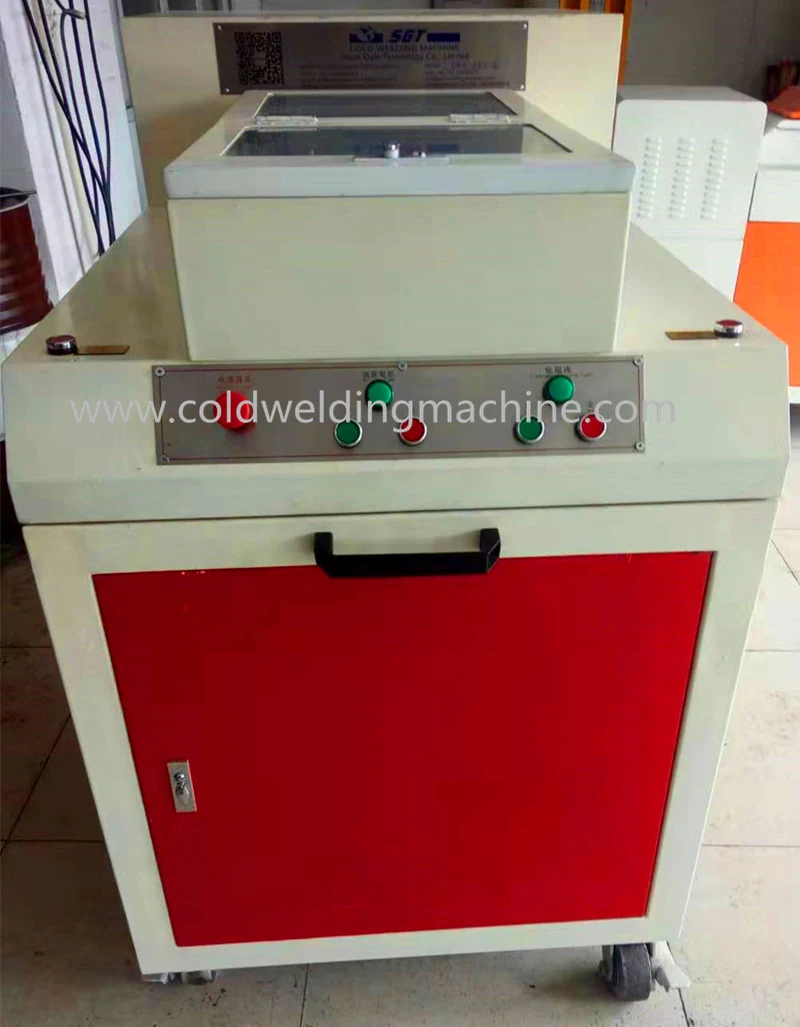
Copper 7.00-12.00 mm and aluminium 7.00-20.00 mm on a 1500 kg frame at up to 8.0 MPa.
View specifications
The largest frame in the range — copper rod 8.00-20.00 mm and aluminium rod 8.00-25.00 mm.
View specifications
Single phase 220 V chamber welder with 12 gears and a quartz crucible, for bunched copper conductor.
View specifications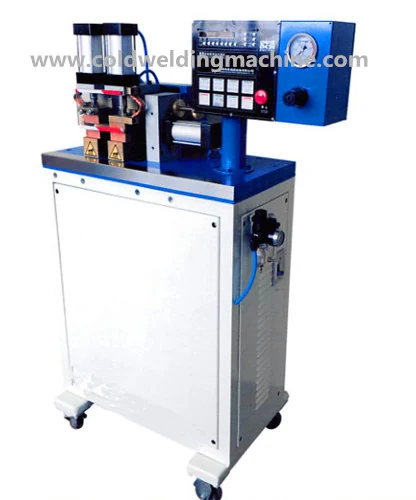
Three phase 380 V 50 kVA chamber welder with pneumatic clamping, for large stranded conductor and cable.
View specifications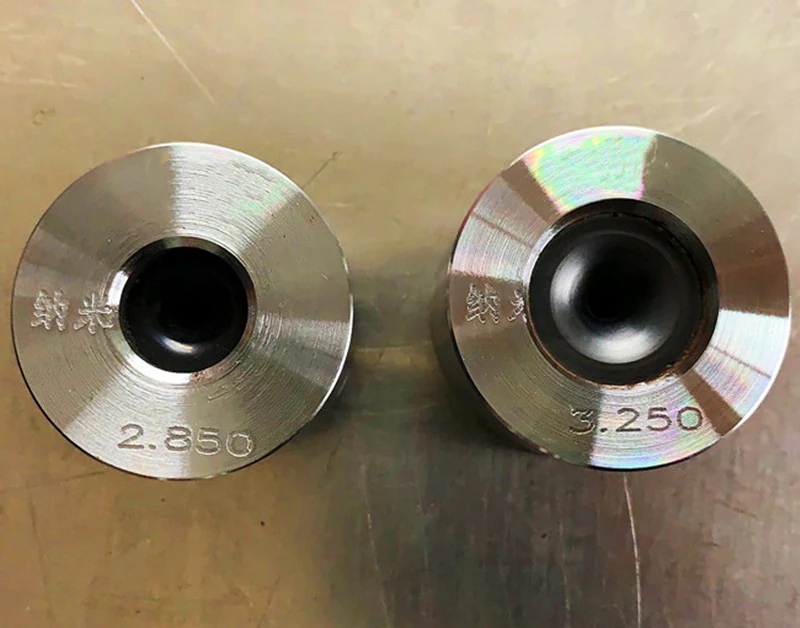
Zero wear across the die life, from φ0.50 mm to φ120 mm, for stranding bunching compacting and drawing.
View specifications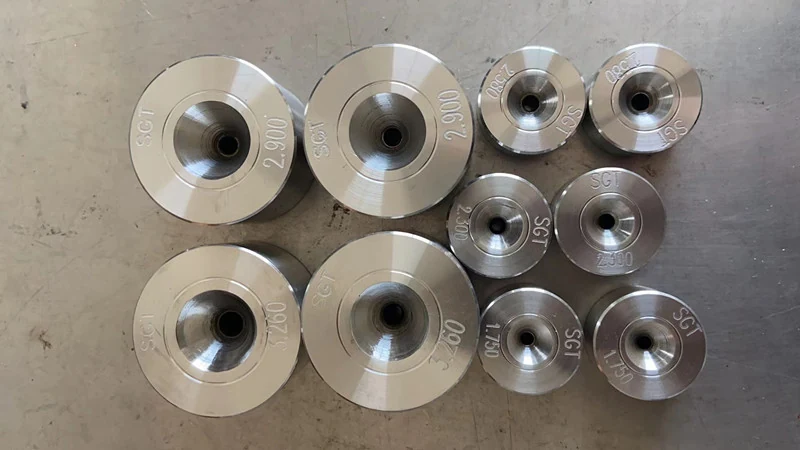
Polycrystalline diamond dies from φ0.03 mm to φ20.00 mm for drawing and to φ40.00 mm for stranding.
View specifications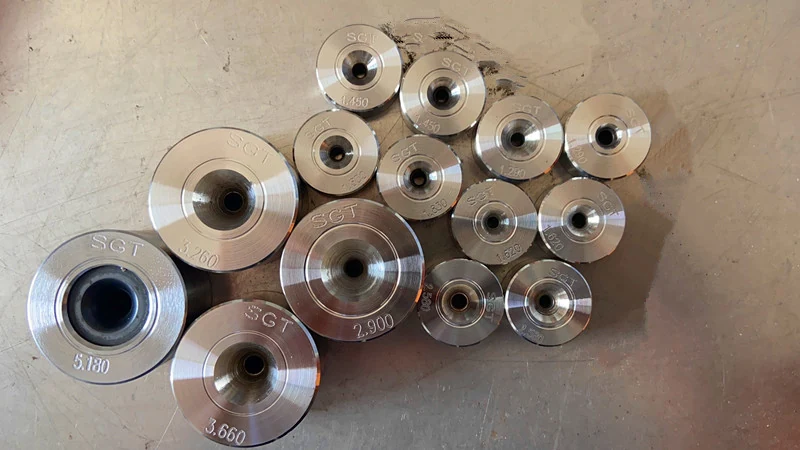
TC dies from 0.015 mm to 32.0 mm, in a large range of nib and hole sizes.
View specifications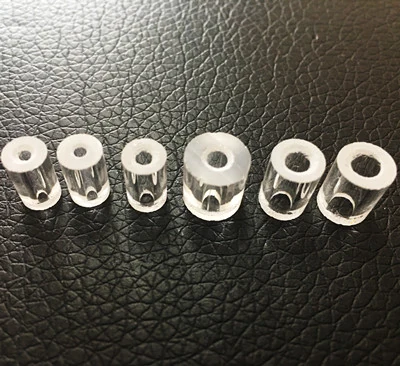
Hole diameter 0.3-8.2 mm, length and outside diameter 6-20 mm, ±0.01 mm on the high precision grade.
View specifications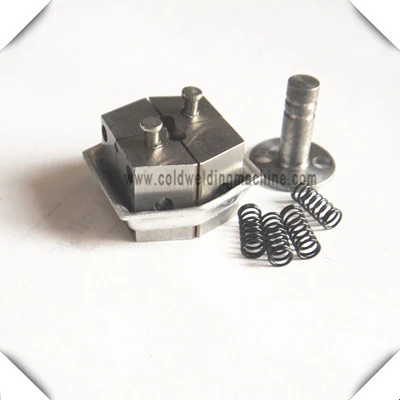
The full die matching chart — SD1 SD2 DA100/DB100 and CHY sets across every machine in the range.
View specifications
Conical points from φ3.55 mm in to φ0.66 mm out, on eight grooves with nitrided 38CrMoAl rolls.
View specificationsEvery product in the range exists because something on a wire line stops, and stopping is what costs money.
One break on a drawing block or an extrusion line means scrap conductor, a restart and lost hours. A cold weld takes seconds, needs no power at the machine for the portable models and produces a joint that will pull through the next die.
Brazing and resistance welding anneal the wire and leave an oxide and a heat-affected zone. Cold pressure welding is solid-phase: no heat, no flux, no filler, and the joint keeps the conductivity of the parent wire.
Transformer and winding shops need aluminium windings terminated in copper. Cold welding joins dissimilar non-ferrous metals directly, and special dies join two wires of different diameter.
Tungsten carbide is economical until the wear rate starts costing shifts. PCD dies last longer than carbide, natural and single-crystal diamond; nano diamond-coated dies run at least ten times longer than carbide on the same wire.
The plants that buy cold welders are the ones where a metre of scrap conductor is the least expensive part of a break.
From rod breakdown to the extruder, every break is a restart. SGT supplies the welders, dies and crucibles that keep the length continuous.
What we supply
Fine wire lines run at speed and break small. A hand welder at the block puts the line back under load in seconds.
What we supply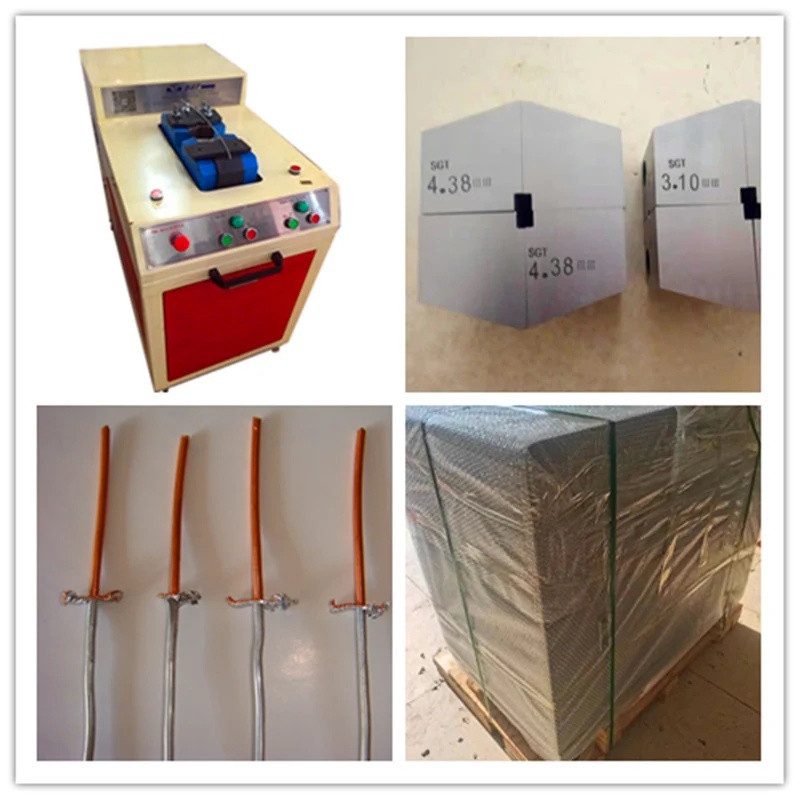
Aluminium windings with copper terminations are a cold welding job — there is no braze that does it cleanly.
What we supply
Point the wire, weld the break, draw through a die that holds its size. Three problems, one supplier.
What we supply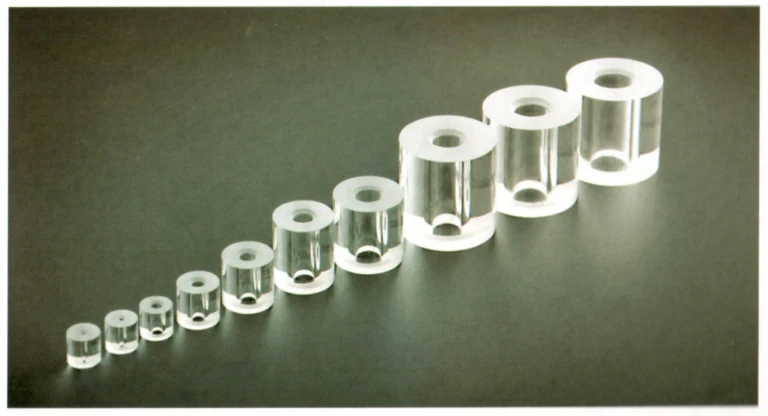
Fine stranded automotive conductor is the hardest case for chamber welding, and the one where the crucible decides the result.
What we supply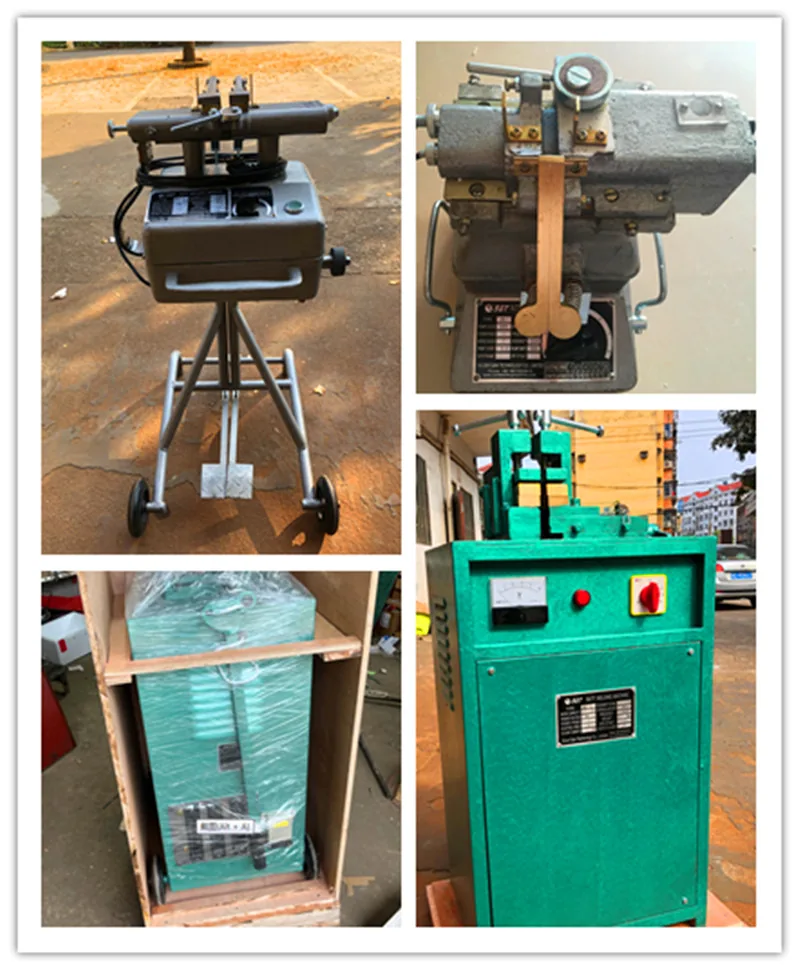
Steel is outside cold welding. The UN series covers it, from 0.6 mm up to 4.5 mm on the largest frame.
What we supplyNumbers from the published specification, not from the brochure.
Manufacturing cold pressure welding machines, dies and wire machinery in Shunde, Foshan since 1995.
Hand-held welders start at 0.05 mm; the CHY800 hydraulic welder takes copper rod to 20.00 mm and dies are cut to 25.0 mm.
Aluminium and its alloys up to 50.00 mm across the machine and die programme.
Shipped to buyers across Asia, the Middle East, Europe, Africa, the Americas and the Pacific.
Hole diameter tolerance on the standard quartz tube; high-precision grade holds ±0.01 mm.
The published tolerance band between a cold welding die and the wire it is cut for.
The published capacity table. Find the wire, then find the machine.
| Model | Copper Wire | Aluminium Wire |
|---|---|---|
| PB10 / PW10 / DA10 | 0.10 mm – 0.50 mm | 0.10 mm – 0.50 mm |
| PA30 | 0.30 mm – 0.90 mm | 0.30 mm – 1.00 mm |
| DA30 / DB30 | 0.30 mm – 1.20 mm | 0.30 mm – 1.40 mm |
| DA100 / DB100 | 1.00 mm – 3.25 mm | 1.00 mm – 5.00 mm |
| DJ100 | 1.00 mm – 4.50 mm | 1.00 mm – 5.50 mm |
| CHY100 | 1.00 mm – 4.00 mm | 1.00 mm – 6.00 mm |
| CHY200 | 2.00 mm – 5.00 mm | 2.00 mm – 8.00 mm |
| CHY400 | 4.00 mm – 8.00 mm | 4.00 mm – 14.00 mm |
| CHY700 | 7.00 mm – 13.00 mm | 7.00 mm – 25.00 mm |
Aluminium ranges run wider than copper across the programme because aluminium upsets at lower pressure. Rectangular sections are calculated from the cross-sectional area.
Four workflows that cover what actually happens between a break and a running line again.
A break is unavoidable. What is avoidable is threading the whole line again.
See the workflowDissimilar non-ferrous metals joined in the solid phase, at the same electrical characteristics as the parent wire.
See the workflowA homogeneous pore-free and burr-free joint that goes into the extruder nozzle with only minor dressing.
See the workflowMachines are bought once. Dies are bought every month, and they decide what the machines actually produce.
See the workflowWritten from the same specification data as the product pages.
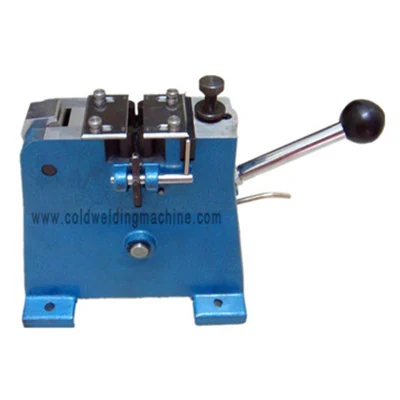
A solid-phase joint made by pressure alone: what cold welding does to the metal, which materials it takes, and where it beats a heat process.
Read the guide
How conductor butt welding produces a homogeneous pore-free and burr-free joint that goes straight into the extruder.
Read the guide
The published feature-by-feature comparison, the cost of one conductor break, and the 28 AWG validation behind the claim.
Read the guidea
a
a
a
a
a
Give us the material, the diameter and the country you are in. You will get the machine model, the die set and the voltage build, not a catalogue.