
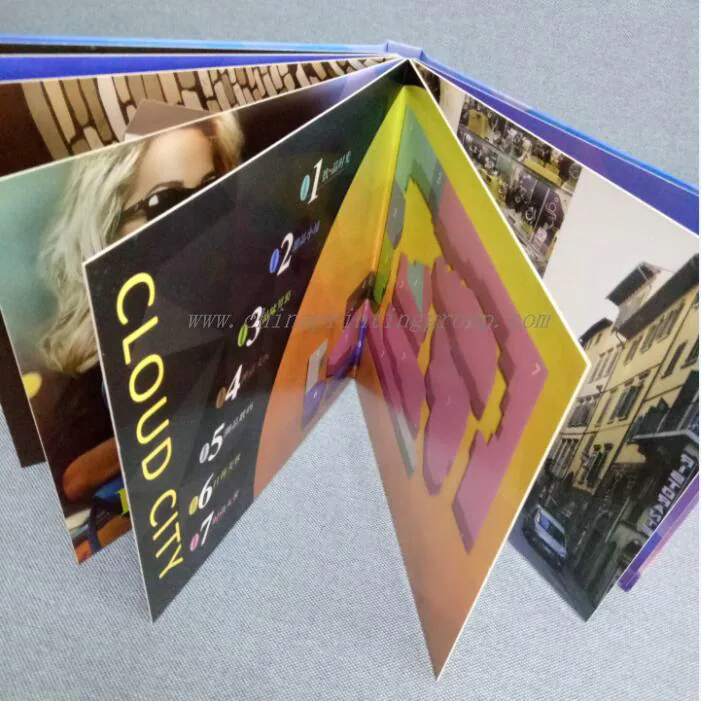
Board Book Printing: A Buyer's Guide
Board books are printed on thick paperboard so that a toddler can hold, chew and drop them without destroying the pages. That construction changes almost everything about how they are specified and produced, from page count to corner radius to ink choice. This guide explains the production sequence and the decisions a publisher or author needs to make before a board book goes on press.
What Makes a Board Book Different
A board book is built from thick paperboard rather than text paper, which makes it robust and easy for small hands to turn. Each leaf is a mounted board rather than a folded signature, so page count works in a different way from a conventional book and the finished thickness is driven by the board you choose. Sizes and shapes can be customised, and full colour printing throughout is standard.
The Types of Board Book
Board books range from simple picture books with a single image per spread to structured educational titles built around a learning sequence. Common categories include alphabet and number books, short storybooks, concept books covering colours and shapes, and interactive formats with textures, flaps and other physical elements. The type you choose should follow the developmental stage of the age group the book is written for.
Why the Format Matters in Early Learning
Board books are often a child's first encounter with reading, and they carry more than entertainment. They introduce colours, shapes, numbers and the basics of language, and they create an occasion for parent and child to sit together, which supports emotional and social development. The physical act of turning a thick page and touching an illustration develops motor control and sensory perception at the same time.
The Production Sequence
Production begins with design and layout in page make-up software, working to a template that accounts for board thickness and trim. The printed sheets are then produced with full colour process work, after which the sheets are mounted to paperboard, cut, and assembled into leaves. The leaves are bound, and the finished books go through checking before packing. Each stage has its own tolerance, which is why the template matters from the start.
Specifying Board, Size and Page Count
Board thickness determines how the book feels and how well it survives handling, and it also drives the spine width, so it must be settled before the cover is designed. Page counts work in leaves rather than in folded sections. Corners are usually rounded, both for safety and because square corners on thick board damage quickly. Agree size, board and page count together, because changing one after artwork is laid out means redoing the layout.
Inks, Finishes and Child Safety
Books for this age group are handled and mouthed, so we use non-toxic, child-safe inks suited to young readers. Surface finish is a real decision rather than a cosmetic one: a gloss finish is wipe-clean and makes colours sit brighter, while a matt finish reduces glare and gives a softer feel in the hand. Tell us at quotation stage which markets the book is sold into, since buyers in different territories ask for different documentation.
Binding and Durability
Binding is what usually fails first on a children's book, so the technique should be chosen against how the book will be used rather than by habit. We will talk you through the options and recommend one that balances durability against ease of opening, since a board book that will not lie flat frustrates both child and parent. Test this on a physical mock-up, not on a PDF.
Working From Manuscript to Finished Book
Whether the title is a story, an alphabet book or an interactive learning tool, the practical work is turning a creative idea into something a press can hold: correcting image resolution, adjusting artwork to the trim and safety margins the format requires, and confirming how interactive elements will actually be assembled. We accept PDF, AI, PSD and JPEG, need a minimum of 300dpi, and ask for fonts saved as outlines.
Proofing, Checking and Lead Time
Ask for a hard copy digital proof and, on a new format, a mock-up, because board thickness and corner radius cannot be judged on screen. Every finished piece is checked by hand for colour match against the approved artwork, quantity and material quality, and photographs of the finished goods are sent for approval before shipment. Large quantity orders typically run 10-12 working days, with 15-18 days by sea or 3-4 by air.
What to Remember
- Settle size, board thickness and page count together before artwork is laid out.
- Board books are counted in mounted leaves, not folded signatures.
- Specify non-toxic child-safe inks and rounded corners as standard for this age group.
- Gloss finish wipes clean; matt reduces glare. Choose against how the book will be handled.
- Approve a physical mock-up, not a PDF, for thickness, corners and lie-flat behaviour.
Products This Guide Covers
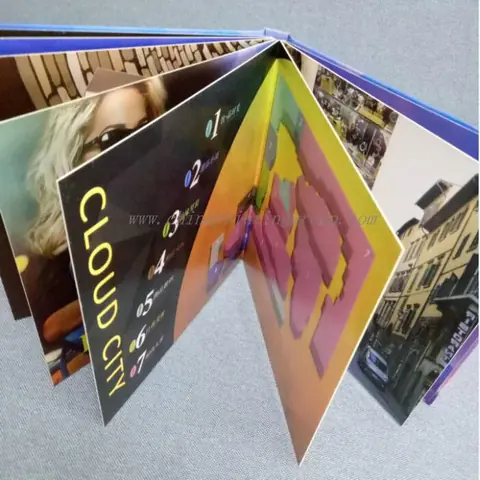
Custom Board Book Safe Soy Ink C2S Fully Custom Baby Book
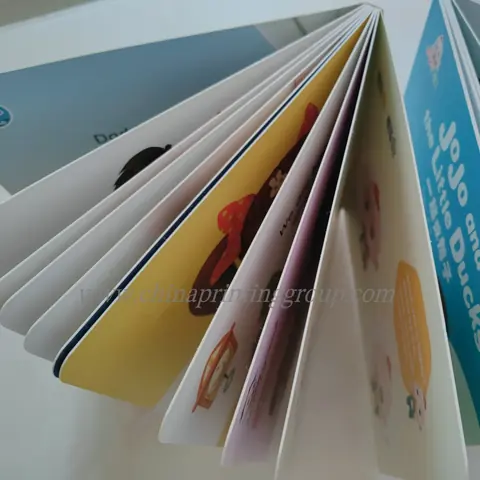
Board Books Baby Safe 4C Cardboard Durable Pages Fast Shipping
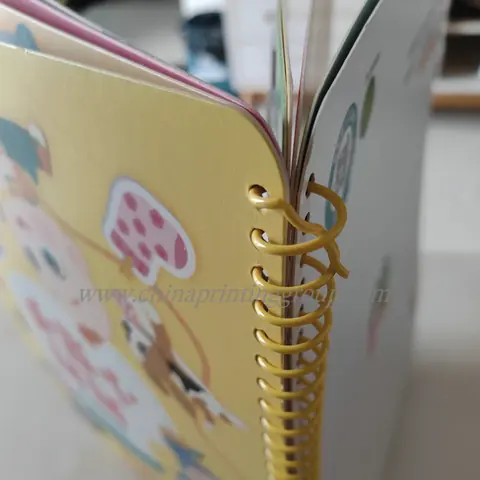
Personalized Board Books High Quality 6X6 Free Basic Design
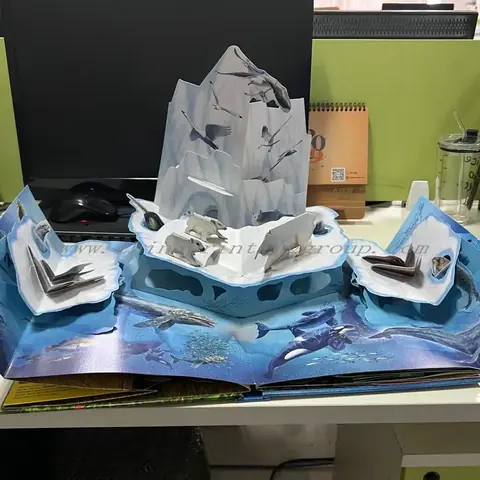
Pop Up Books For Kids 3D Fancy Paper High Quality Publishing
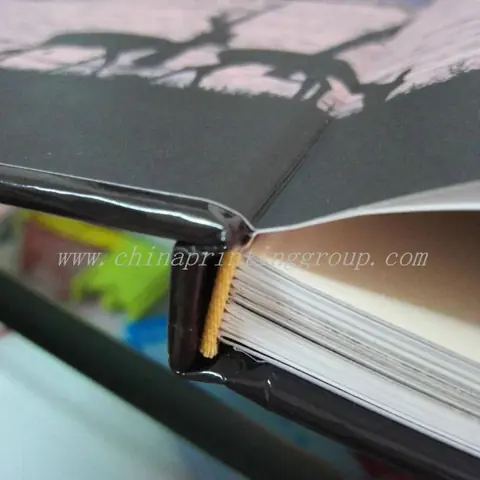
Hardback Book Printing Casebound 3mm Strong Grey Board
Where to Browse Next
Questions About This Topic
How many pages can a board book have?
Page count is limited in practice by how thick the finished book becomes, since each leaf is mounted board rather than a folded sheet. Short titles for the youngest readers are usually very slim, while books for older toddlers can carry more leaves. Tell us your intended page count and board thickness together and we will confirm whether the combination binds well.
Are the inks safe for children who put books in their mouths?
We use non-toxic, child-safe inks appropriate for young readers on board book work. If your market requires specific test documentation for the finished product, raise it at quotation stage so testing can be arranged and scheduled rather than discovered after production, since different territories ask for different reports.
Can you produce shaped books, flaps and textured elements?
Yes. Custom shapes, die-cut outlines, flaps and tactile elements are all possible, and they are part of what distinguishes a board book from a standard picture book. Each one adds an assembly step, so confirm them before the layout is finalised and expect a mock-up stage, because these features are difficult to evaluate on screen.
Should I choose a gloss or a matt finish?
Gloss is easier to wipe clean and makes colours read brighter, which suits books that will be handled heavily by very young children. Matt reduces glare under artificial light and feels softer, which some publishers prefer for illustration-led titles. Ask for both on a sample so you can judge the tactile difference before you commit.
How is quality checked before the books ship?
Every finished piece is checked by hand against the approved artwork for colour match, and for quantity and material quality. Photographs of the finished goods are sent to you for approval before shipment, so there is a documented check before anything leaves the factory. If work does not meet the agreed requirement, it is redone.
Have a Job That Needs This
Send the item, the quantity and the deadline and we will tell you which process fits and what it costs.