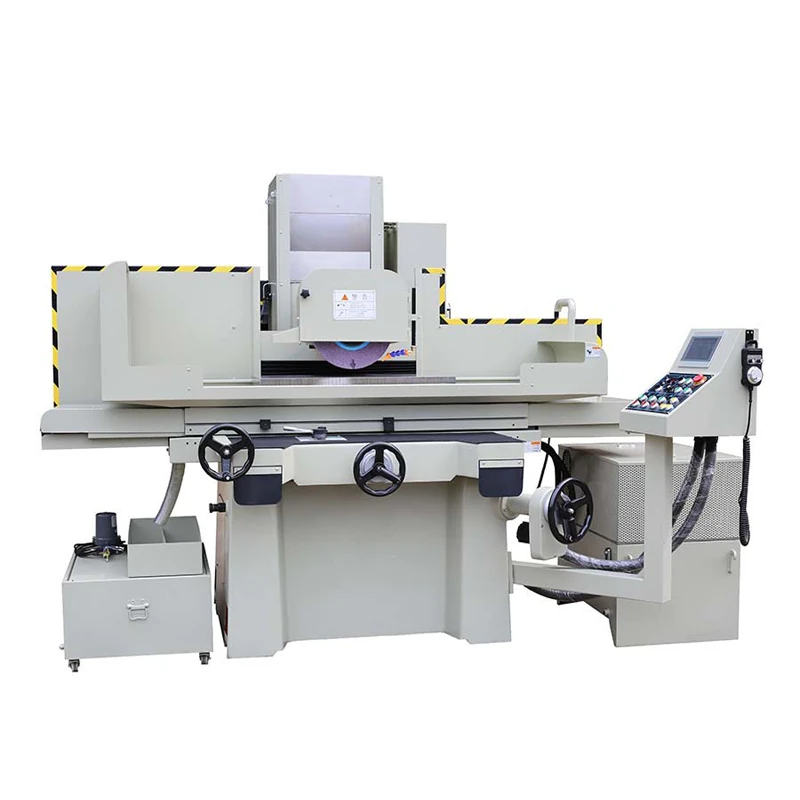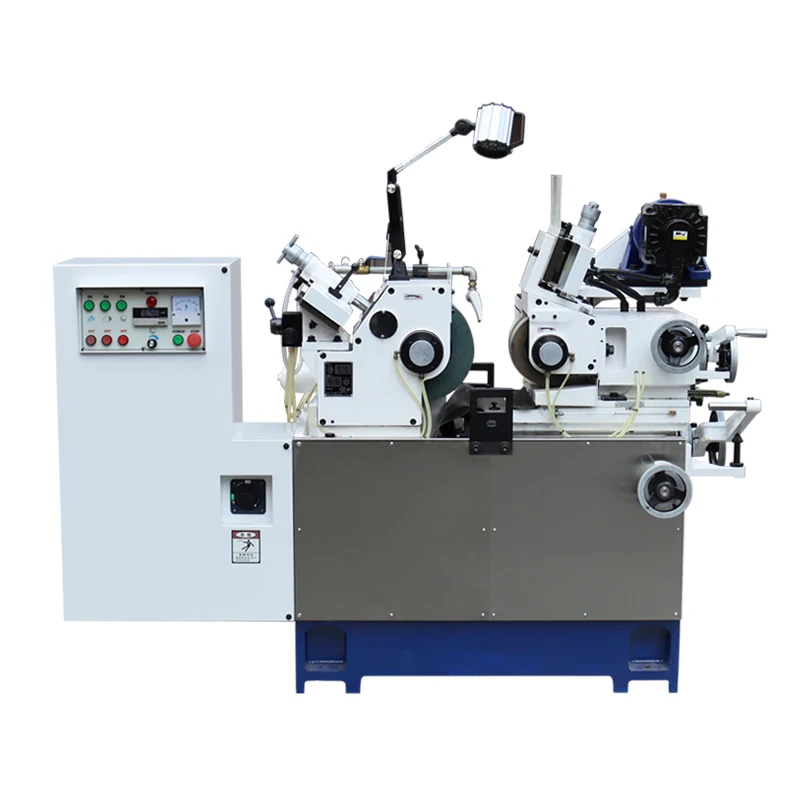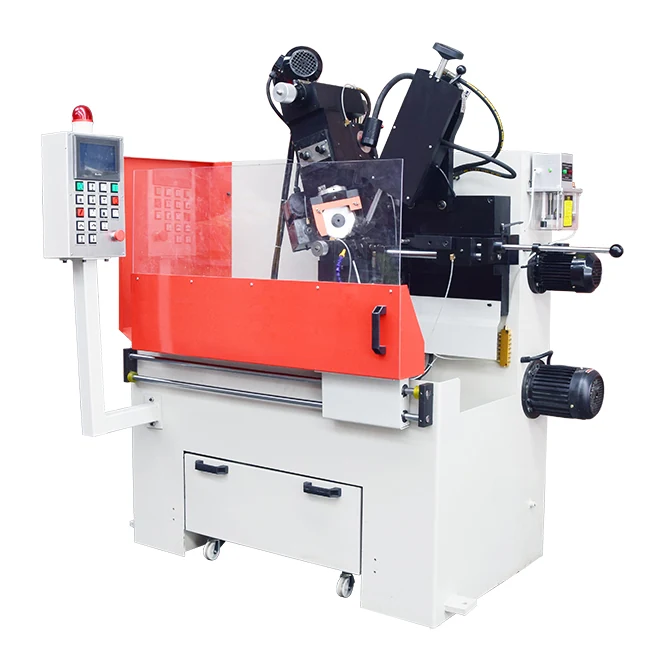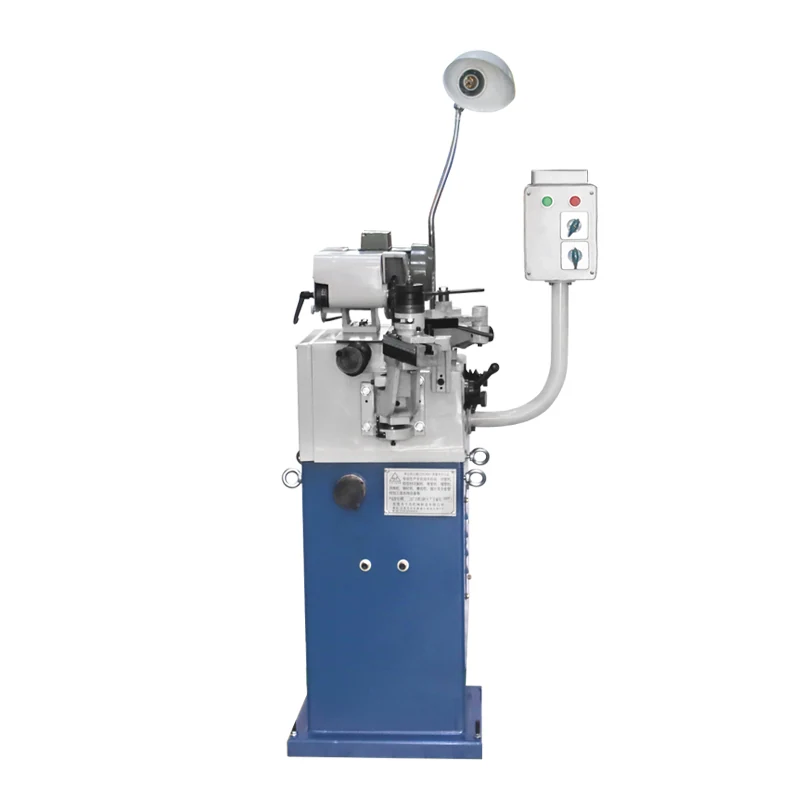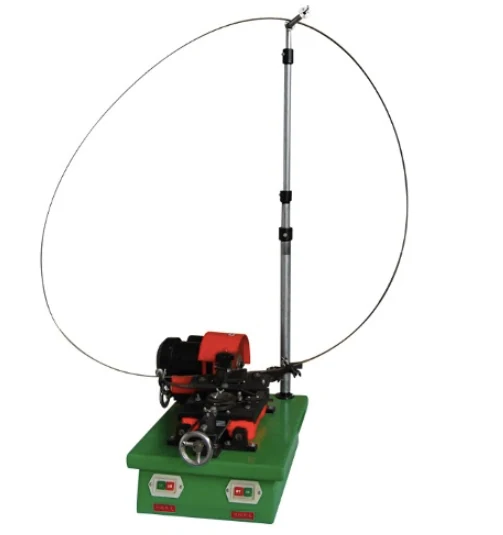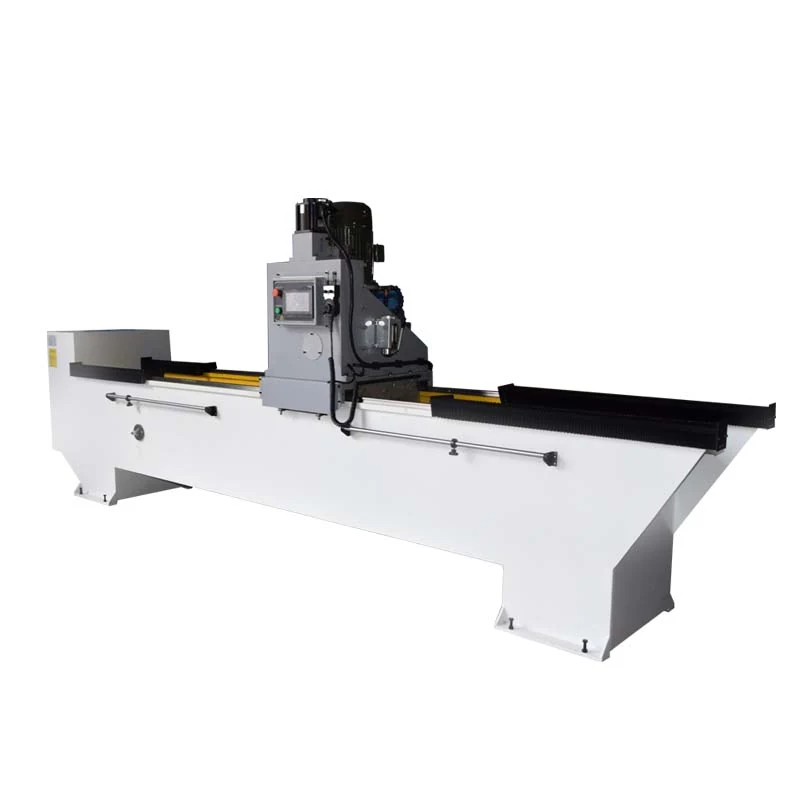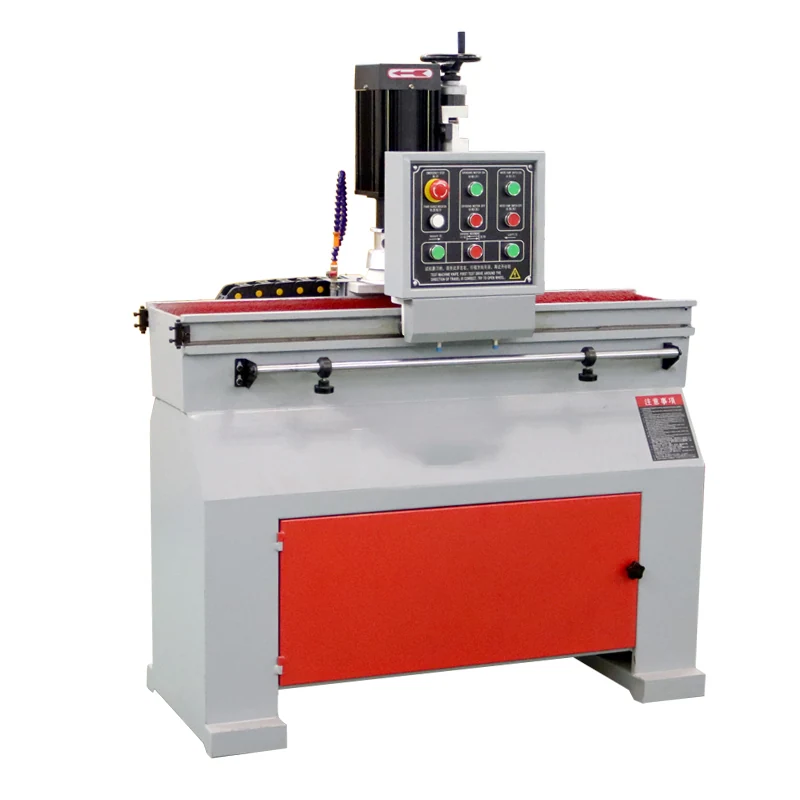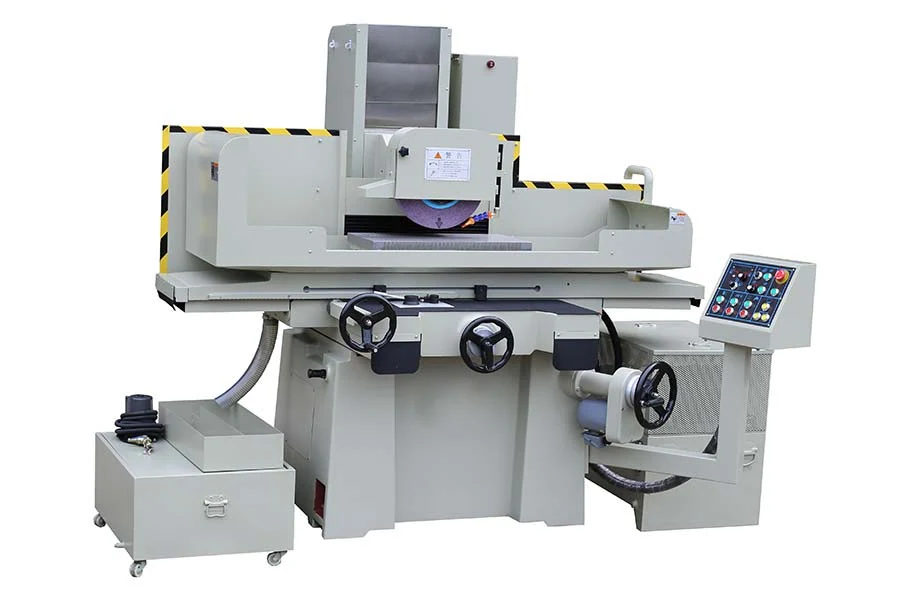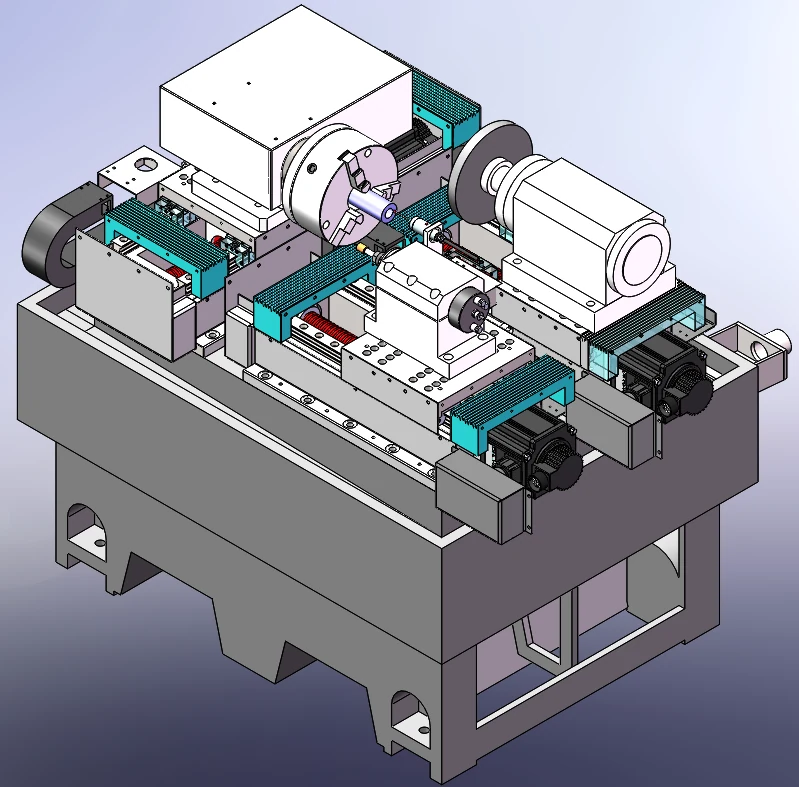
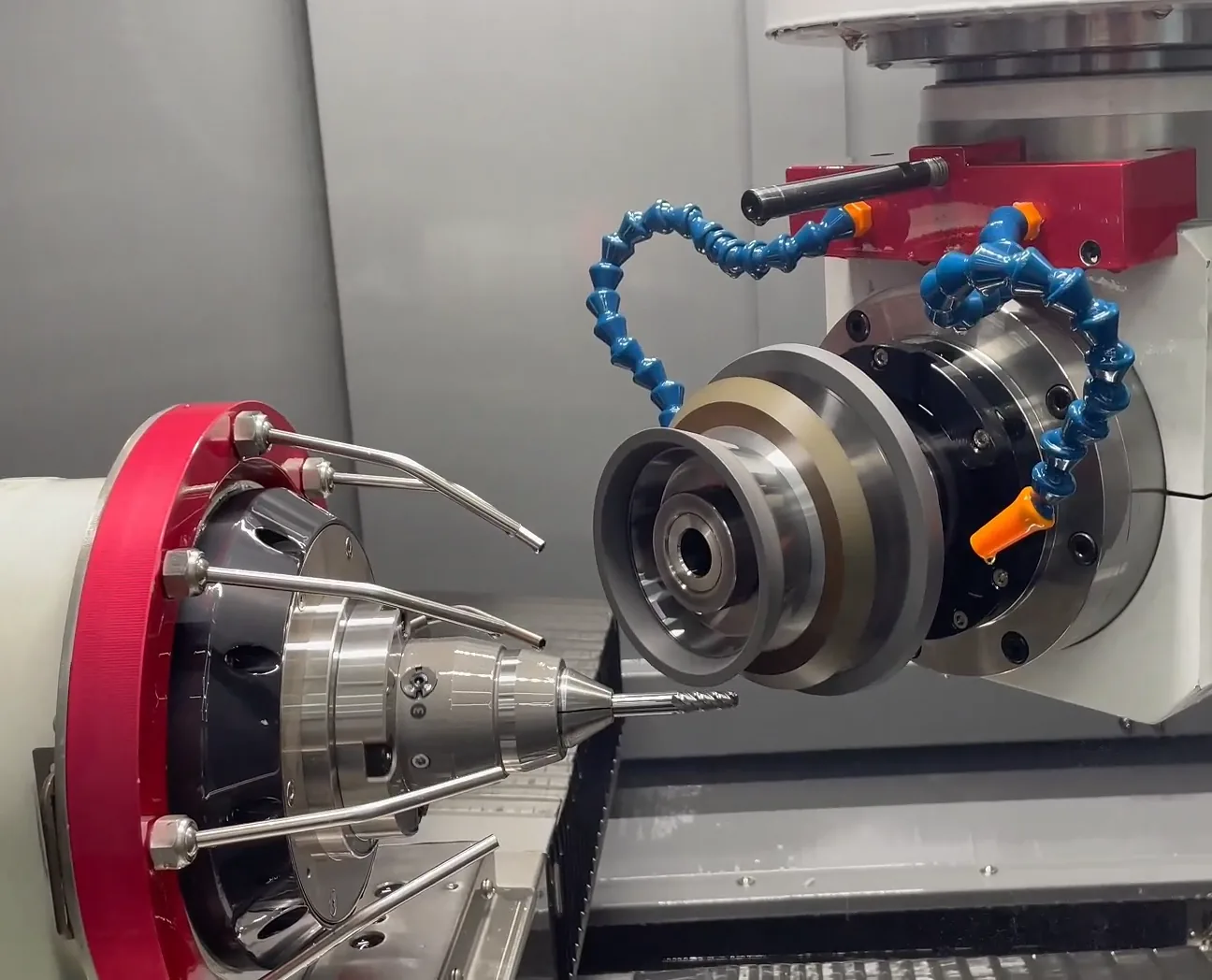
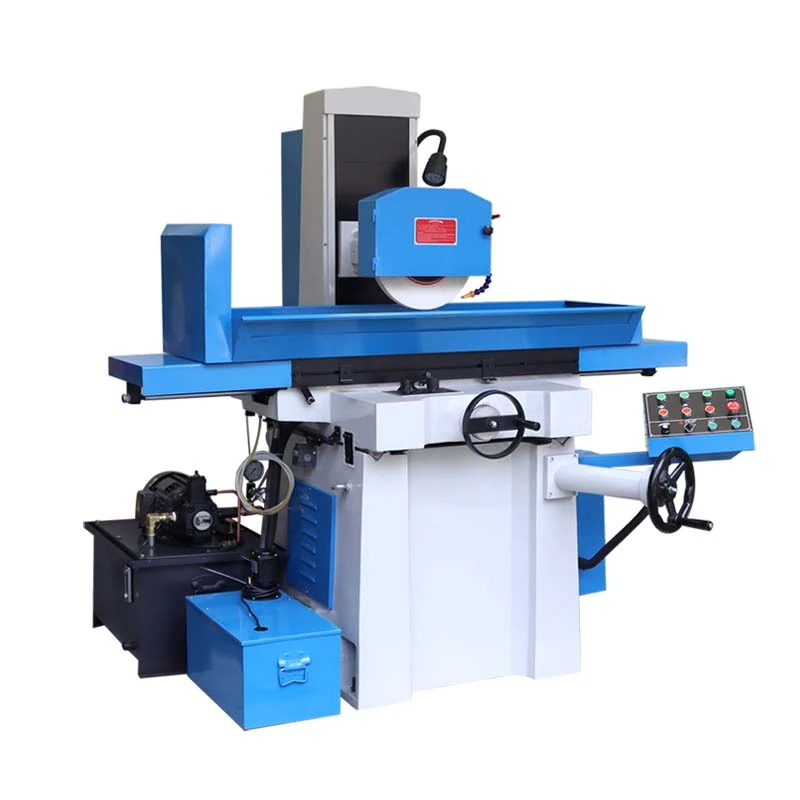
MY3060 Hydraulic Surface Grinding Machine
A 300 x 600 mm hydraulic surface grinder for small and medium parts in tool rooms and production plants.
- Table size (X by Y)300 x 600 mm
- Horizontal travel of worktable300 mm
WUK Machinery designs and builds grinding machines for one purpose: taking metal to size and finish after it is too hard, too flat or too round for any other process. Every machine below is in current production.
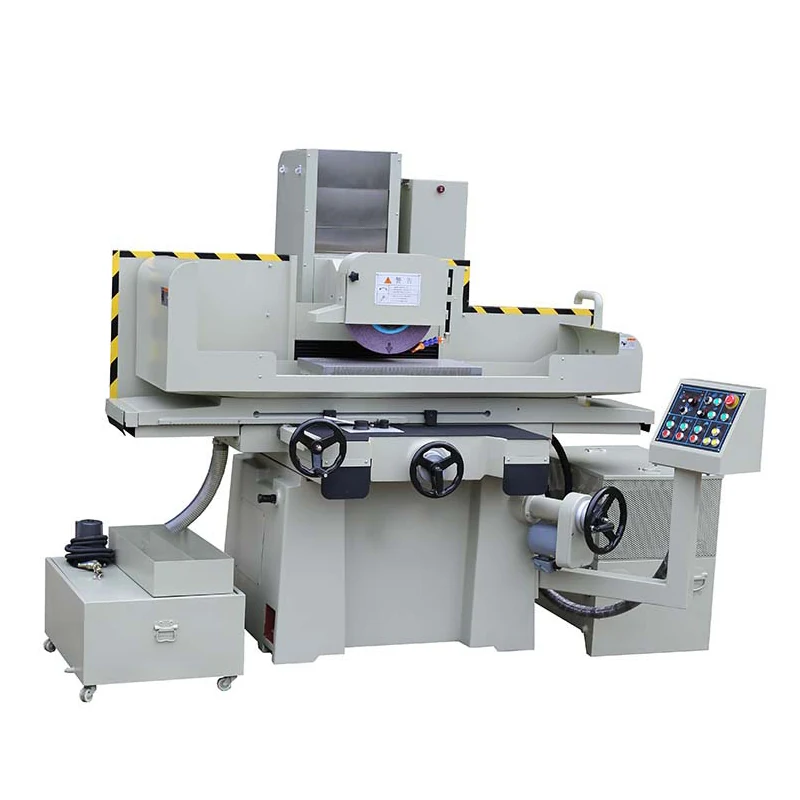
Hydraulic and servo controlled table grinders from 300 x 600 mm up to 400 x 800 mm, for dies, plates, moulds and precision fixtures.
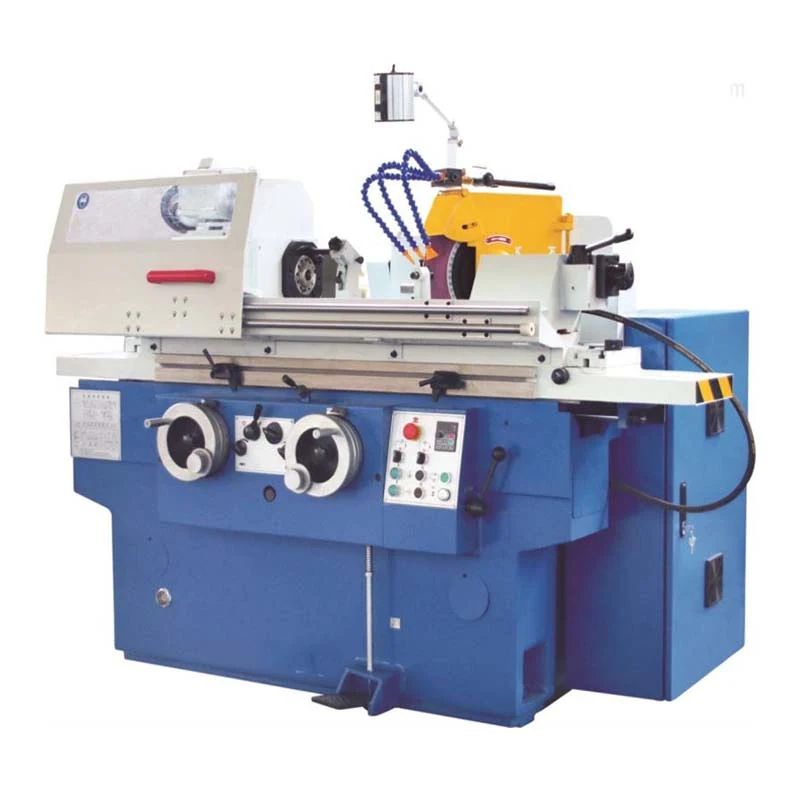
02Universal OD and ID machines for shafts, bushes, needle valves and plungers, holding roundness down to 1.5 micron on outside diameters.
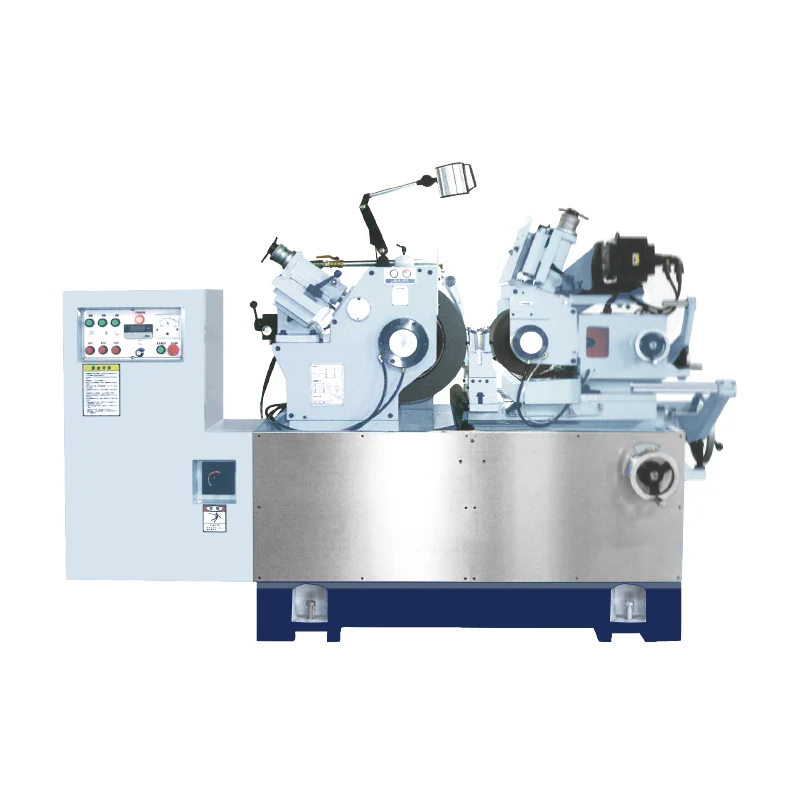
03Through feed and infeed machines covering 0.5 to 60 mm diameter for pins, dowels, shafts and high volume turned parts.
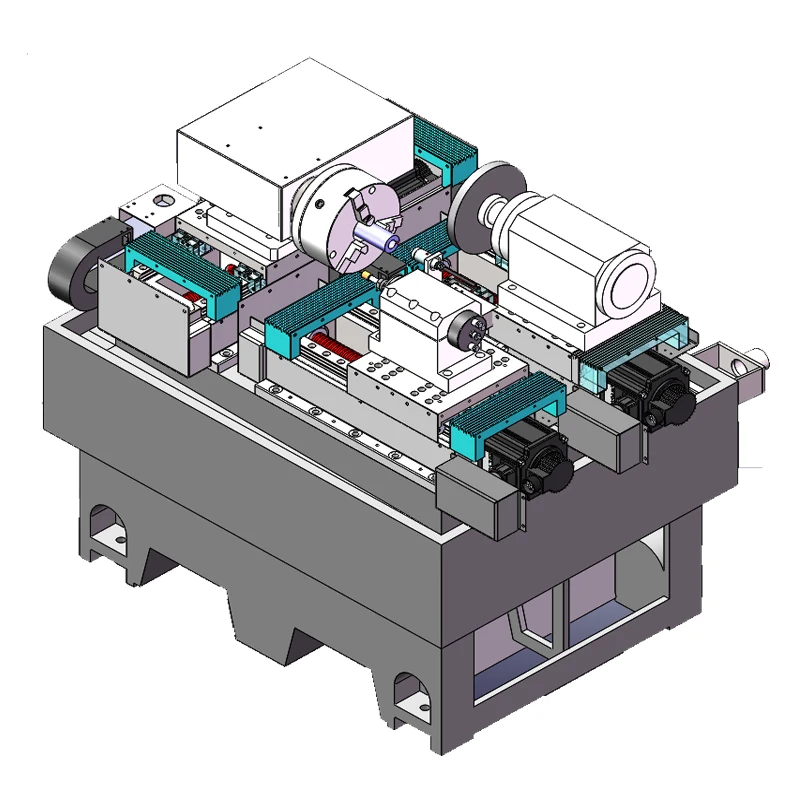
04CNC punch grinders clamping 1 to 150 mm, with internal spindle speeds to 20000 rpm for die components and form punches.
05Circular and band saw grinders covering 50 to 800 mm blade diameter and 15 to 50 mm band width, with automatic tooth indexing.
06Linear knife sharpening machines to 2000 mm and purpose built grinders designed from your drawing or sample part.
Twelve models, no hidden catalogue. Specifications on every page are taken from the machine data sheets, not from marketing copy.
A 300 x 600 mm hydraulic surface grinder for small and medium parts in tool rooms and production plants.
Servo vertical feed and hydraulic table traverse on a 300 x 600 mm table.
The largest table in the WUK surface grinding range, at 400 x 800 mm with 950 mm of X travel.
OD and ID grinding on one machine, for shafts, bushes, needle valves and plungers.
CNC punch and pin grinding from 1 mm up to 150 mm, internal and external.
The larger centerless machine in the range, covering 0.5 to 60 mm diameter.
Built for small parts, where high volume and tight size control meet.
PLC controlled resharpening for circular blades from 80 mm up to 800 mm.
A 130 kg workshop machine that resharpens blades up to 450 mm in minutes.
A 32 kg bench machine that puts band blade sharpening next to the saw.
Grinds straight knife cutters up to 2000 mm long in a single reference.
The compact linear sharpener, for straight blades up to 700 mm long.
Every industry below has a different problem, and the machine that solves it is different too. Start from the page that matches your work rather than from a model number.

Plates flat, punches to size, tooling back in the press the same day.
See the Machines
Repeat diameters, shift after shift, without a clamping cycle on every part.
See the Machines
Thousands of identical diameters, with size held to microns.
See the Machines
Sealing fits that seal, because bore and outside are ground true to each other.
See the Machines
Keep the press running on punches you maintain yourself.
See the Machines
Sharp blades every morning, without a blade rack sized for transit.
See the Machines
Tooling maintained on site, so the saw and the mill keep working.
See the Machines
Long straight knives ground flat, straight and to the same angle every time.
See the MachinesThese are the reasons buyers contact us, written the way they describe them rather than the way a brochure would.
Light castings, soft ways and undersized spindle bearings let a grinder wander as it warms up. WUK machines use heavily ribbed cast iron beds, hardened and ground slideways and pre-loaded spindles so the first part and the four hundredth measure the same.
Sending saw blades out means days of downtime and a spare blade inventory that never stops growing. A WK450 or WK026 brings resharpening in house so a blade leaves the saw in the morning and is back on it the same day.
Manual grinding depends on the hands holding the wheel. Automatic infeed, PLC cycles and CNC control on our AHD and WK22 machines move the skill into the program so a new operator repeats the same result.
Long straight blades, stepped shafts, punch pins with awkward shoulders. Rather than force the part onto the wrong machine we design the bed, stroke and workhead around the geometry you send us.
A machine without parts or answers is scrap. Every WUK machine carries 12 months warranty, and our engineers stay reachable on WhatsApp for setup, wheel selection and fault finding.
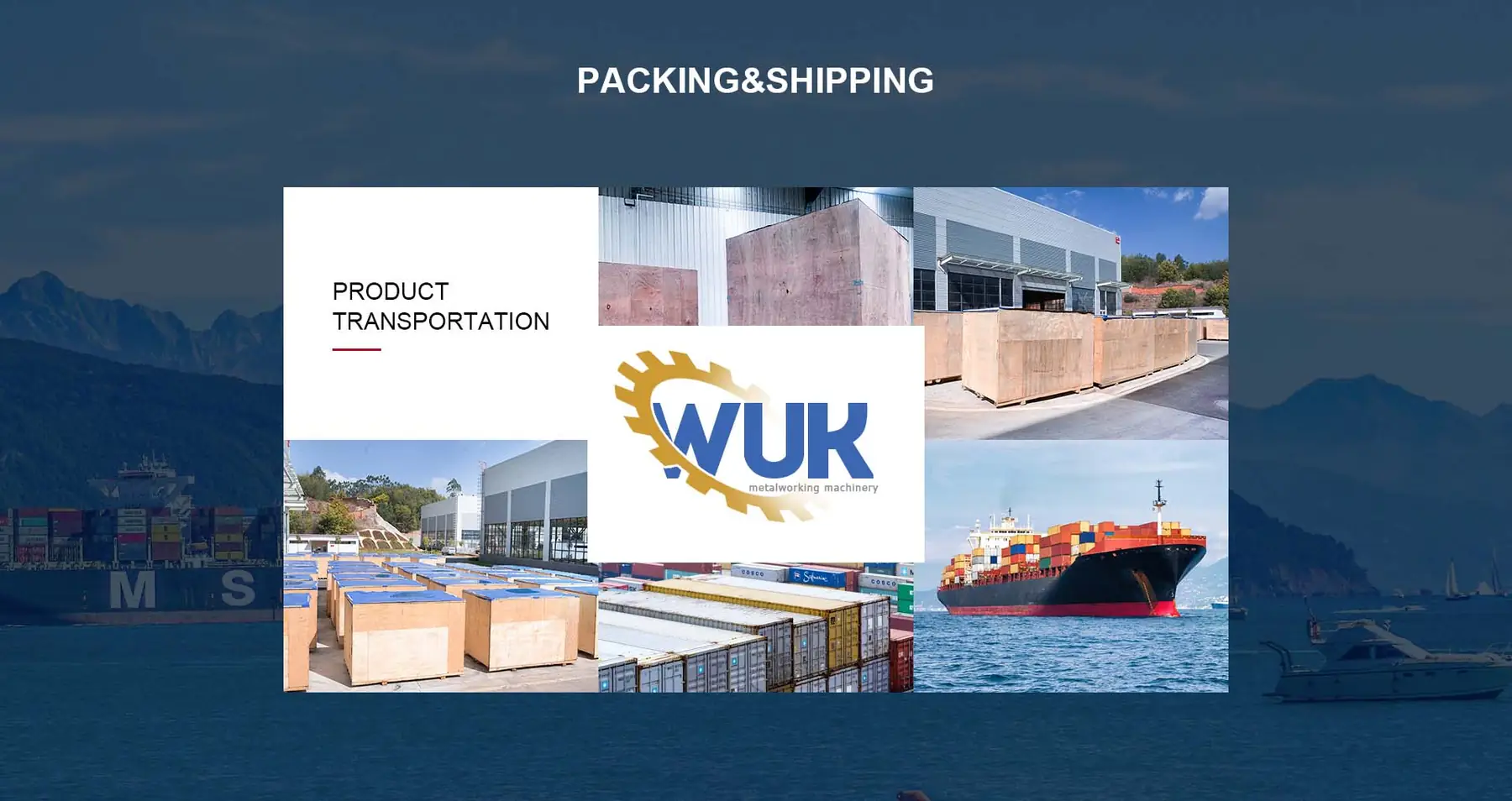
We are minutes from Shenzhen Port and quote EXW, FOB, CFR or CIF. Machines leave in plywood cases lined with plastic film, crated for sea freight and marked for your forwarder.
Figures on this page come from our own production and trade terms. Anything we cannot document we mark as to be confirmed rather than estimate.
More than a decade of continuous production focused on one discipline: abrasive machining of metal.
Machines running in the United States, Germany, Russia, Japan and across Southeast Asia.
No container minimums. Buy a single machine, prove it in your shop, then scale the line.
Twelve months on the machine, with spare parts and remote engineer support after that.
Standard models ship in 15 to 45 working days after deposit. Custom builds are quoted case by case.
FANUC, SIEMENS, SYNTEC or GSK control, specified to match the systems your operators already run.

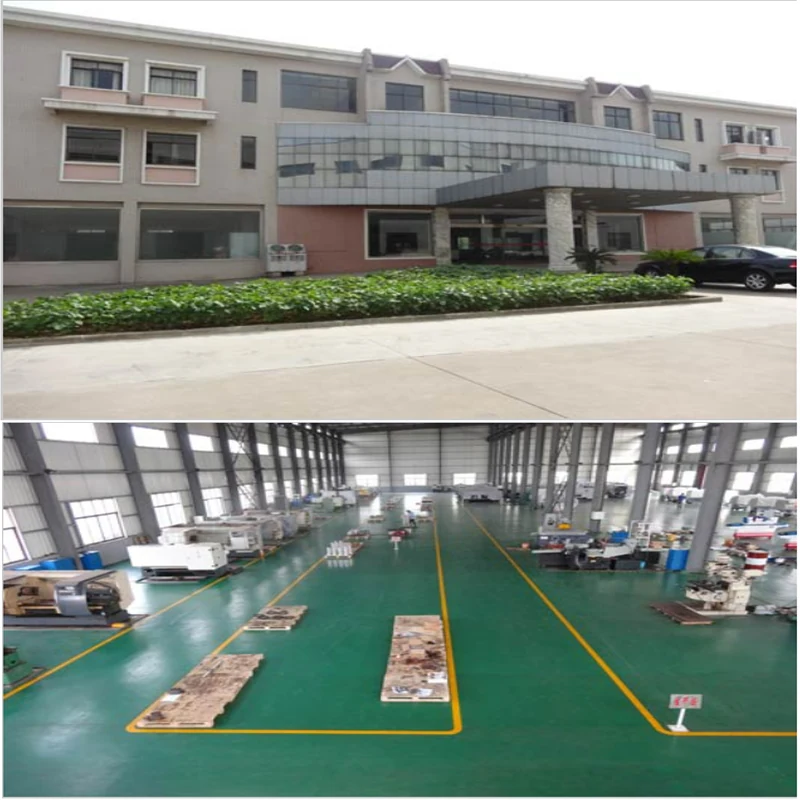
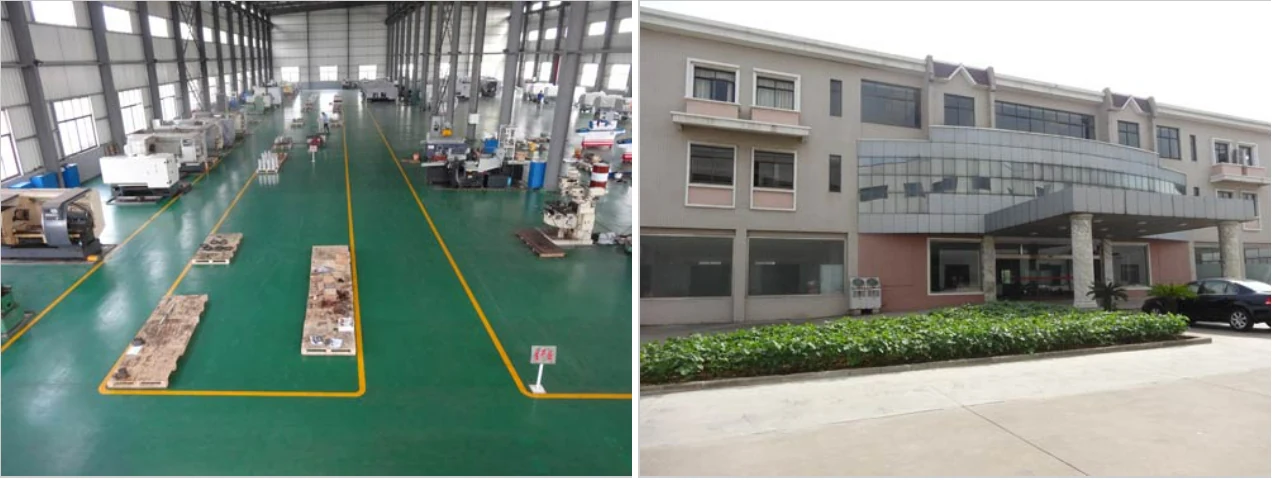
Machines are assembled, geometry checked and run under load in our own hall before they are packed. Where a customer sends a sample part, it is ground on the machine before the case is closed.
From the drawing you send us to the crate arriving at your door, and the support that follows it.

Tell us the workpiece. We tell you the machine.
How It Works
When the part will not fit a catalogue machine we design the machine.
How It Works
A machine that arrives damaged is a machine you did not buy.
How It Works
A machine without answers behind it is scrap in a crate.
How It WorksWritten as typical applications rather than as named customer projects. Every figure quoted is a machine specification.

Plate flatness has to be held across a 600 mm length after heat treatment, on batches where every plate in the set must match. The existing manual mac
Read the Scenario
Press availability is governed by tooling turnaround. Each punch regrind takes days in transit, so the plant carries spare tooling purely to cover the
Read the Scenario
Batch sizes run to thousands of identical diameters at tolerances measured in microns. The clamping cycle, not the wheel, sets the throughput, and cen
Read the Scenario
Parts are hardened, so turning is no longer an option. Grinding the bore on one machine and the outside on another stacks two setup errors, and the re
Read the Scenario
Blade turnaround governs how many blades have to be owned. Returned geometry is not always what was requested, and a blade that strikes a foreign obje
Read the Scenario
The longest blades are 2000 mm, which no surface grinder table will take. Clamping them mechanically bows the blade, and hand ground edges are never r
Read the ScenarioWheel selection, setup sequences, maintenance intervals and process comparisons, with no sales copy in the middle.

Five specifications decide the machine. Everything else is detail.
Read the Guide
The machine sets the limits. The wheel decides what you get inside them.
Read the Guide
Geometry is lost slowly, and always through something that was easy to check.
Read the Guide
One process wins on flexibility. The other wins on volume. Very little overlap.
Read the GuideMinimum order, delivery, controls, warranty, packing and trade terms, answered plainly.
a
a
a
a
a
a
a
a
A drawing, a photograph or a sample is enough. Tell us the material, hardness, batch size and the tolerance that matters, and we come back with a model, a wheel specification and the tolerance we expect to reach.