Buyers often ask which process is more accurate. That is the wrong question. Both hold tight tolerances. What separates them is what happens to the part between the wheel and the floor, and that is where the decision actually lives.
Centerless Grinding Removes the Clamping Cycle
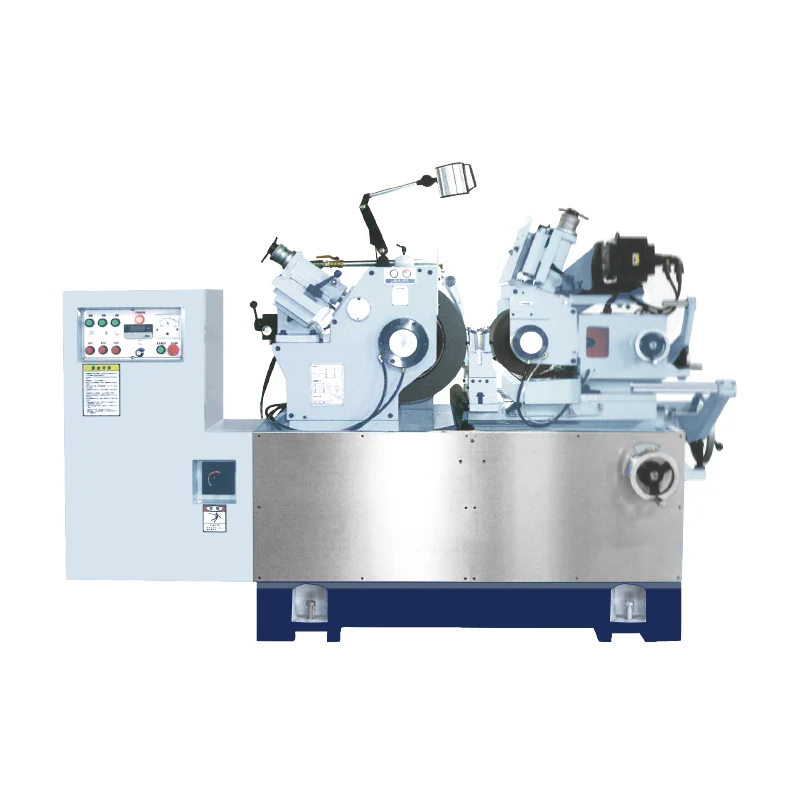
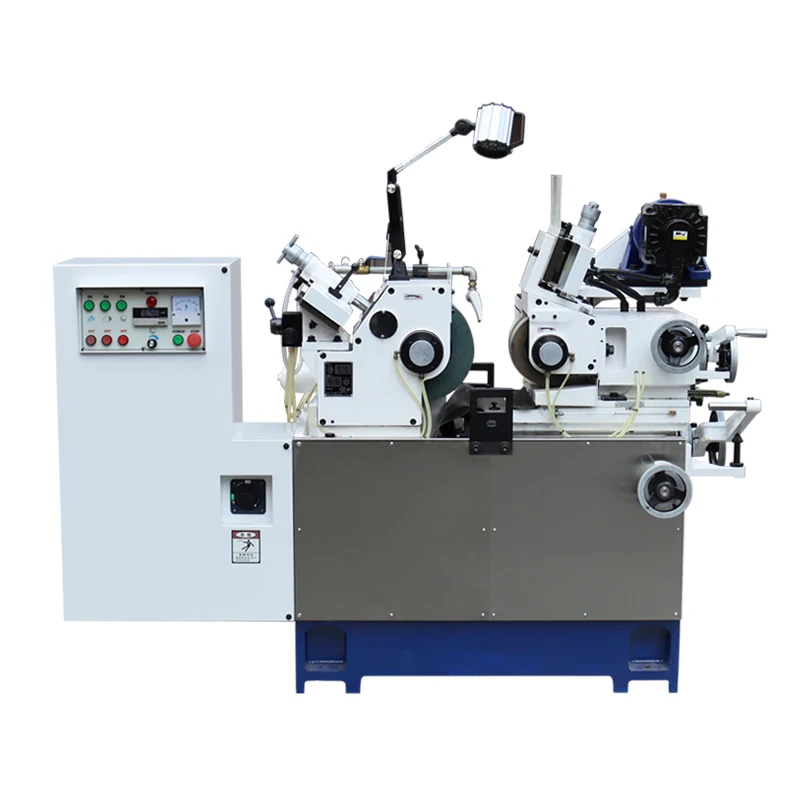
A centerless machine supports the part on its own diameter between a grinding wheel, a regulating wheel and a blade. Nothing is clamped. Parts feed through continuously, so once the setup is right, the throughput is limited by the wheel rather than by loading. For thousands of identical diameters this is decisive.
Between Centres Grinding Wins on Mixed Work
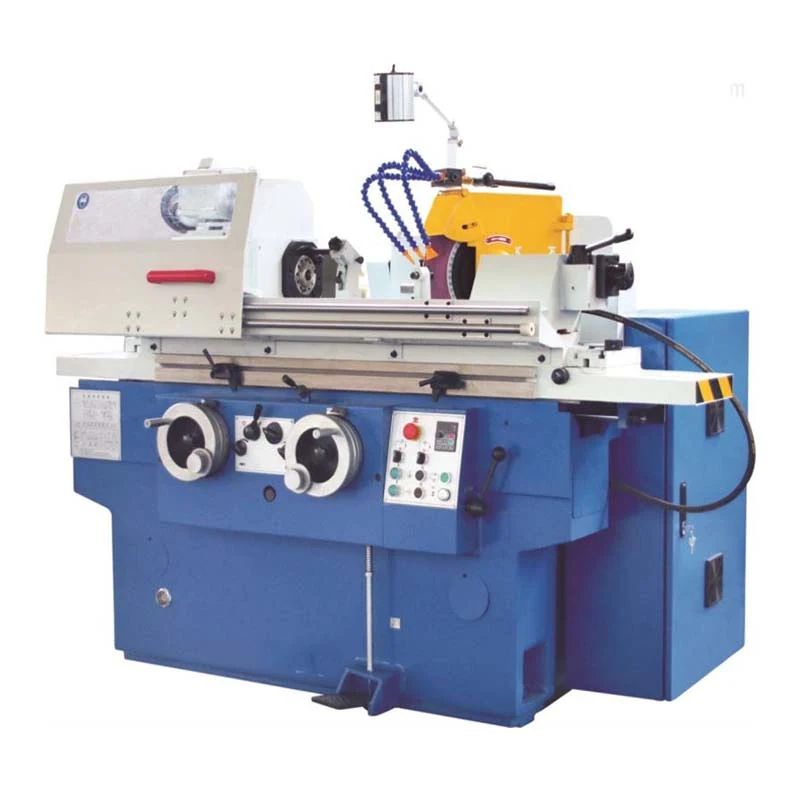
A universal cylindrical grinder holds the part between centres or in a chuck, which means it will grind a shoulder, a taper, a bore and an outside diameter on the same setup. Changeover is a matter of minutes. For a job shop running batches of ten, that flexibility is worth far more than throughput.
Concentricity Between Features
If a bore and an outside diameter have to be true to each other, grind them in one clamping on a universal machine. A centerless machine grinds the outside superbly but has nothing to reference a bore against. This is the reason valve and bush makers usually own both types.
- Bore to outside concentricity: universal cylindrical machine
- Repeat outside diameters in volume: centerless machine
- Tapers and shoulders: universal cylindrical machine with table swivel
- Long slender parts fed continuously: centerless machine
Setup Time Against Run Length
Centerless setup takes longer, because blade height, regulating wheel angle and dressing all have to be right before the first good part. That time is recovered over a long run and wasted on a short one. A rough rule is that the more parts share one setup, the more centerless makes sense.
Centre Holes Are an Operation Too
Grinding between centres requires centre holes, which have to be drilled, protected through heat treatment and sometimes removed afterwards. On small pins that can be a meaningful part of the total cost, and centerless grinding avoids it entirely.
What This Means for a Machine Purchase
A shop grinding thousands of identical pins should be looking at an FX-12S or FX-18S. A shop grinding mixed batches of shafts, bushes and valve parts should be looking at a WK1420x500. A shop doing both, which is common, eventually owns one of each, and usually buys the one that unblocks the current bottleneck first.