
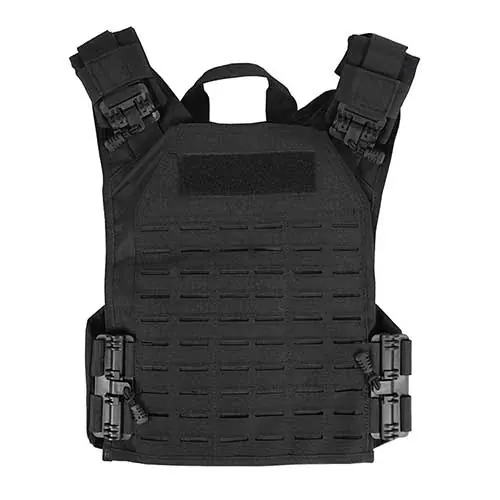
Bulletproof Vest
Polyester or nylon carrier with front and back pockets for armor plates
SpecificationsIndustries
Solutions
Resources
Company
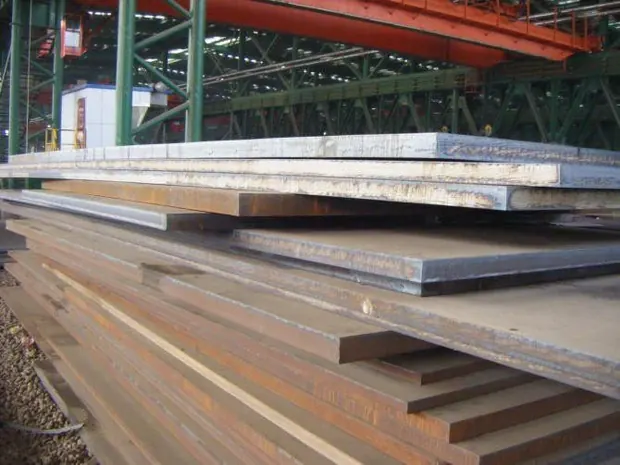
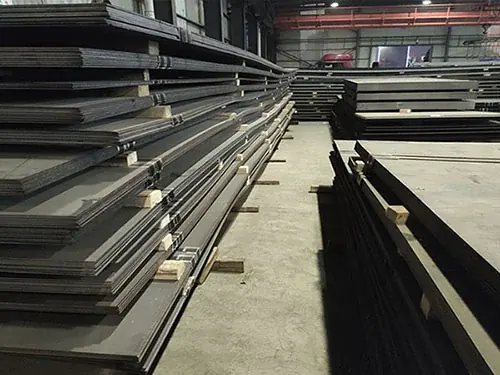
Two hardness classes from one stock so each zone gets the level it actually needs
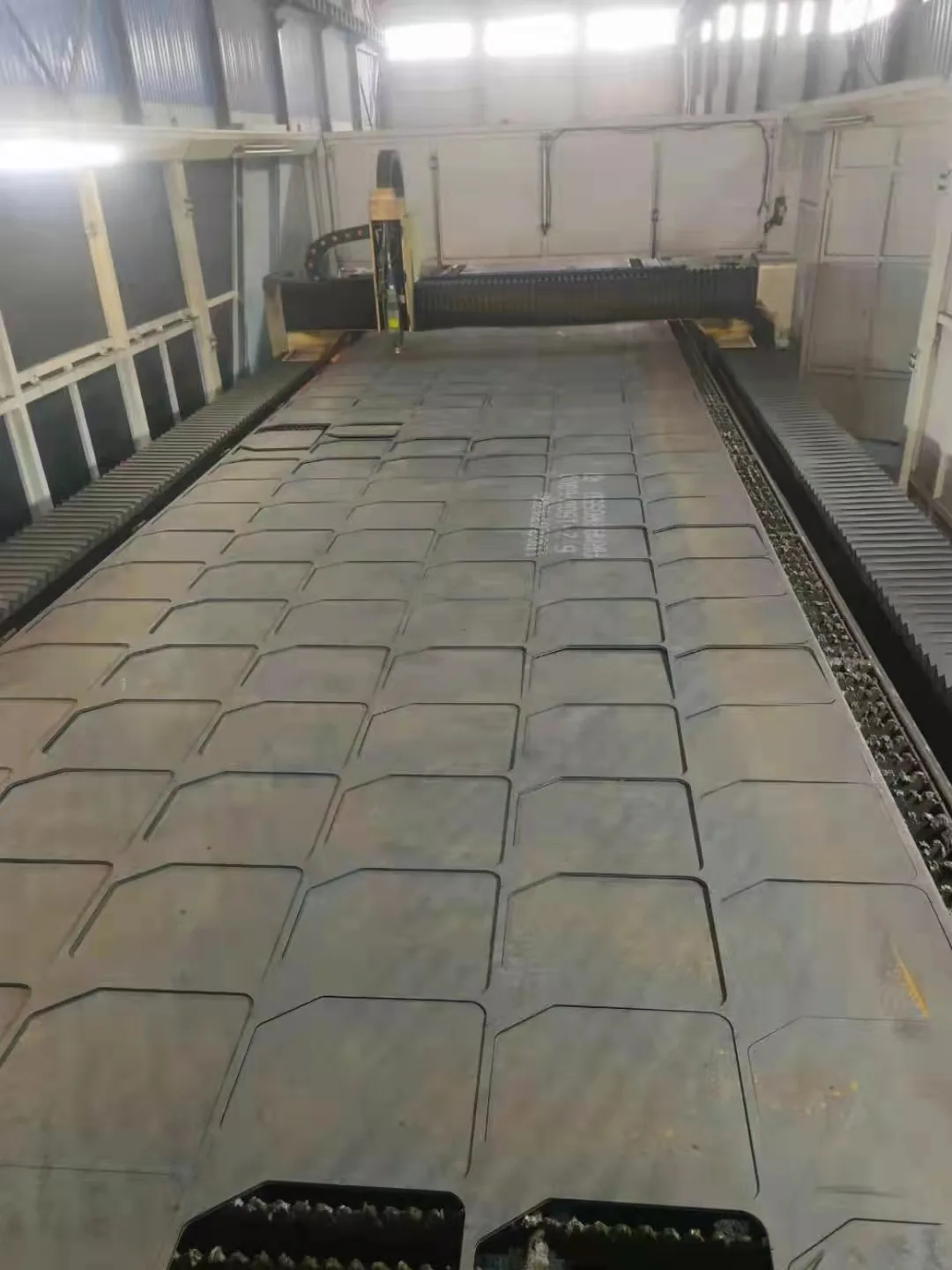
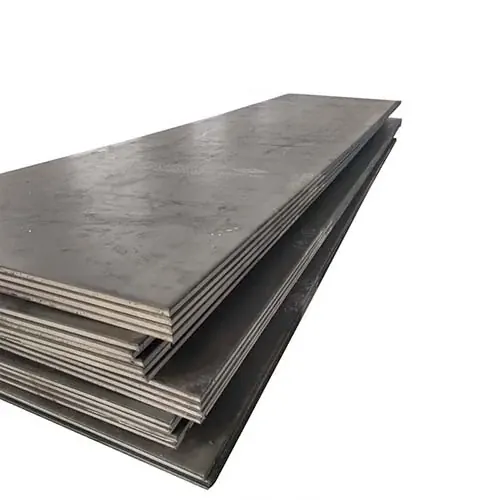
Armor 500 550 steel plate covers two hardness classes of quenched and tempered ballistic plate, comparable to a Ramor 500 type bulletproof steel plate. Security fabricators and vehicle builders choose between the two classes when part of a structure needs the higher class and the rest does not have to carry its cost or its forming difficulty. Holding both classes in one stock lets a designer step hardness up only on the exposed face instead of specifying the harder plate across the whole assembly. Thickness runs from 2mm to 100mm and panels are cut to size on a laser machine or a water jet before shipment.
Armor 500 and Armor 550 ship from the same stock. A design can put the higher class on the exposed face and the lower class behind it without opening a second supply chain.
The higher the hardness of the armor steel plate the higher the price. Splitting a structure between the two classes keeps spend on the zones that are exposed.
Both classes sit in the ballistic steel hardness band of 500-600 HB while structural steel may reach only half of that figure.
Stated yield strength is 1250 MPa and tensile strength is 1600 MPa. The source material attributes greater multi hit capacity to this combination than to other steel.
As hardness rises the ease of folding welding and cutting drops. Keeping the lower class on parts that need bending makes the fabrication route workable.
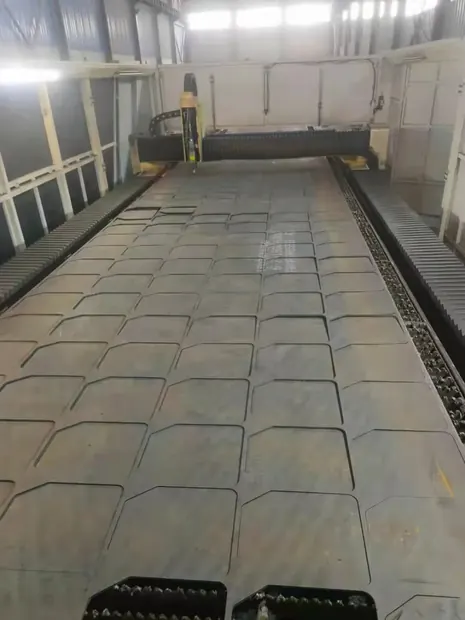
Every fixing hole and profile is cut here on a laser machine or a water jet. What arrives is a panel, not a plate waiting for equipment you may not have.
Specifying the harder class everywhere raises cost on panels that are never exposed. Two classes from one stock let the specification follow the exposure map of the design.
A whole assembly in the hardest available plate becomes almost impossible to fold and weld. Keeping the lower class on formed sections leaves a buildable route.
Splitting the classes across suppliers doubles the paperwork and the inspection route. One order covers both with one test report route.
Hardened plate resists drilling and punching in a general shop. Fixing holes are cut here on laser or water jet to the positions on your drawing.
Building protection where the exposed leaf takes the higher class and internal linings take the lower one.
Riot vehicles and money transport vehicles where sides doors and floors are protected to different levels.
Window surrounds and frame sections built around a glazed ballistic unit.
Counter fronts and safe bodies fitted into cabinet work where panel thickness is constrained.
Armored personnel carriers combat vehicles submarines and landing craft where protection panels form part of the structure.
Shields ballistic helmets and vest plates cut from the thin end of the thickness range.
Values below come from the product data published by Shandong Tianyu Metal Products. Confirm the exact grade and size against your order.
| Product Name | Armor 500 550 Steel Plate |
|---|---|
| Also Known As | Ballistic steel plate armor steel plate bulletproof steel sheet |
| Thickness | 2-100mm |
| Sheet Thickness Range | 2.3mm to 100mm |
| Size | Customized size |
| Technique | Q+T quenched and tempered |
| Hardness | 500-600 HB |
| Yield Strength | 1250 MPa |
| Tensile Strength | 1600 MPa |
| Protection Level | FB4+ FB5 FB6 FB7 NIJ IIIA NIJ III NIJ IV STANAG 4569 Level 1 Level 2 GA-3 GA-4 GA-5 GA-6 |
| Application | Armor plate armor car |
| Processing Service | Bending welding decoiling cutting punching |
| Surface | Nature or painted |
| Place of Origin | China |
| Armor 500 against Armor 550 | The 550 class raises ballistic performance at the same thickness and also raises the price while making folding welding and cutting harder. |
|---|---|
| Structural steel plate | Structural steel may be only half the hardness of the 500-600 HB ballistic band so it cannot stand in at the same section. |
| One class across the whole structure | Mixing the two classes puts the cost and the forming difficulty only where the design needs the higher class. |
| Plate supplied uncut | Uncut plate leaves your shop with holes and profiles it cannot make, whereas panels leave here already cut on laser or water jet. |
They are two hardness classes of the same quenched and tempered ballistic plate. Higher hardness improves ballistic performance at the same thickness, costs more, and folds welds and cuts less easily.
Yes. Armor 500 550 steel plate is offered in the same way as a Ramor 500 type bulletproof steel plate and is also called ballistic steel plate or armor steel plate.
Yes. Both classes come from the same stock, so a single order can cover 500 class panels for one zone and 550 class panels for another.
Plate runs from 2mm to 100mm and armor steel sheet from 2.3mm to 100mm, cut to your customized panel size.
We do. All fixing holes and cutting to size are performed on our laser machine or a water jet because hardened plate is difficult to cut in a general workshop.
FB4+, FB5, FB6, FB7, NIJ IIIA, NIJ III, NIJ IV, STANAG 4569 Level 1 and Level 2, and GA-3 to GA-6. Send the level named in the specification and the thickness will be confirmed against it.
Yes. A test report is issued for the Armor 500 550 steel plate supplied and ships with the material.
Polyester or nylon carrier with front and back pockets for armor plates
Specifications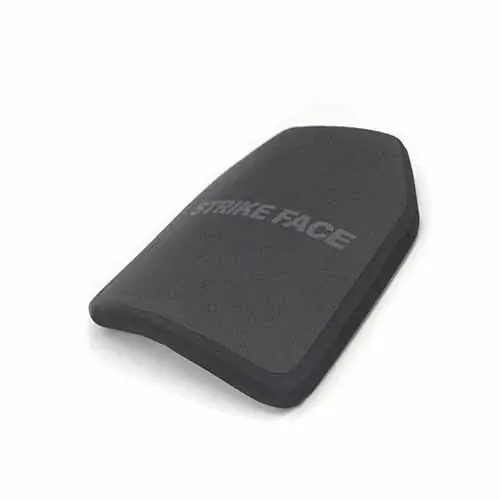
Rigid ballistic insert supplied in steel ceramic or UHMWPE at 0-25mm thickness
Specifications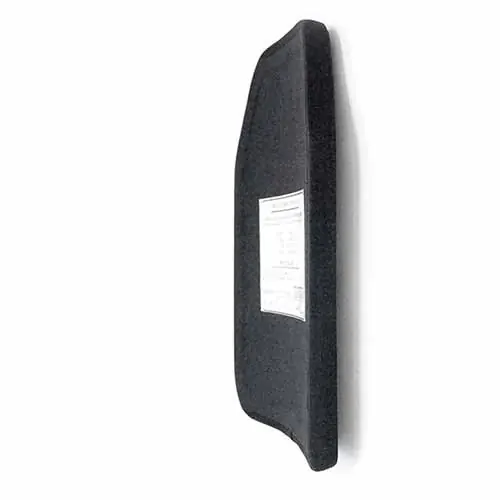
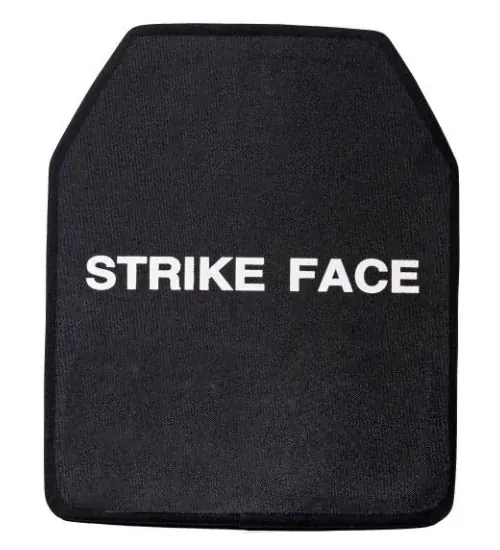
Torso plates in 10 by 12 6 by 8 and 11 by 14 inch sizes for standard carriers
Specifications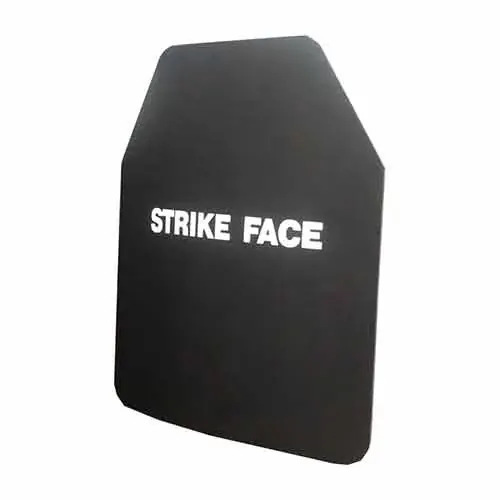
Vehicle armouring shops, security equipment makers and cash in transit builders buy armour steel against a protection level and a
Read more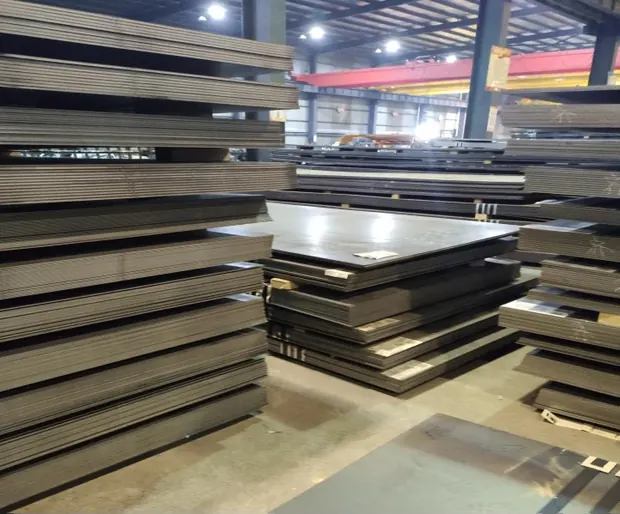
Construction and infrastructure buyers order steel by the part it becomes: mild steel plate for base plates gussets and stiffeners
Read more
Vehicle and trailer components fail on fatigue, not on a single overload, so the grade behind each part matters more than the pric
Read moreSend the grade, thickness, width and quantity you need together with your destination port. A cutting list or drawing gets you a firmer number.