The Practical Difference
316 contains molybdenum, which improves resistance to chlorides and to some acids. The L suffix means low carbon, which reduces carbide precipitation at grain boundaries during welding and therefore the risk of corrosion along a weld.
304 is not a lesser material, it is a different one. For a great deal of food and general process duty it is the correct choice and costs less.
When 304 Is Enough
Choose 304 where chlorides are low, cleaning chemistry is conventional and the duty is general food or utility service.
- Milk, beer, juice and general food contact on lines with controlled cleaning
- Water, utility and general process duty inside a plant
- Structural and non wetted parts on equipment where the wetted side is 316L
- Vessels and fittings where the cost difference matters and the exposure is mild
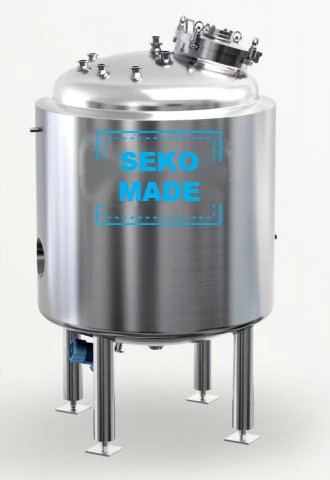
See the Stainless Steel Tank specification →
When To Insist On 316L
Move to 316L where chlorides, acids or regulated requirements are present, or where welds are exposed to the product.
- Brine, seawater exposure and chloride containing cleaning solutions
- Pharmaceutical and water for injection duty
- Acidic products and aggressive CIP chemistry
- Welded vessels where the weld itself is in contact with the product
See the Injection Water Tank specification →
Finish Matters As Much As Grade
A mirror polished 304 surface can outperform a rough 316L one in a hygiene test, because product film keys into surface texture. Our sanitary fittings are polished to Ra below 0.5 um and the emulsifier range to Ra below 0.8 um.
Specify grade and finish together. One without the other tells only half the story.
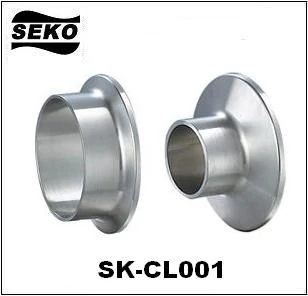
See the Tri-Clamp specification →
Keep The Line Consistent
Mixing grades along one line creates different corrosion behaviour at each junction and complicates the audit. If the vessel is 316L, the fittings and the pump wetted parts should normally be too.
Ask for material certificates at enquiry stage if the project requires traceability, so material is traced from the start rather than reconstructed later.