
High Alloy Parts
Stainless and heat resistant components for food machinery, incineration grate bars, screw pump rotors and biomass furnaces.
Parts Produced In This Process Family
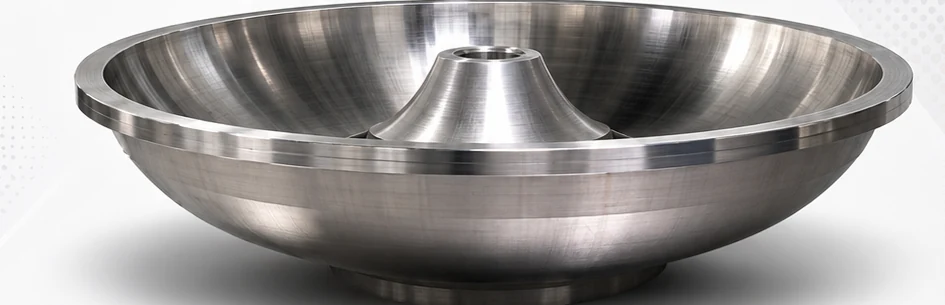
Stainless Steel Vessel Components
Cast and machined stainless vessel bodies
View specifications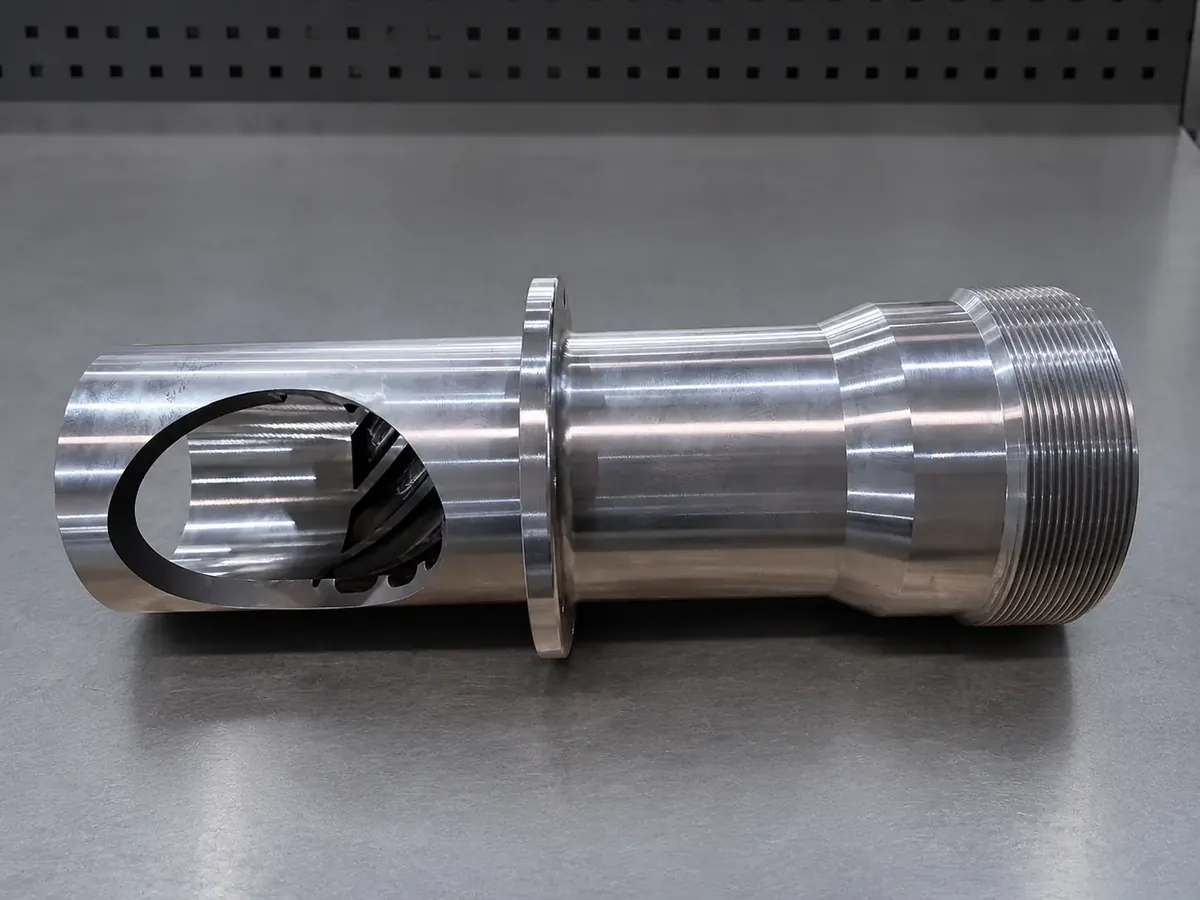
Rotating and Drive Components
Stainless shafts and drive parts for hygienic equipment
View specifications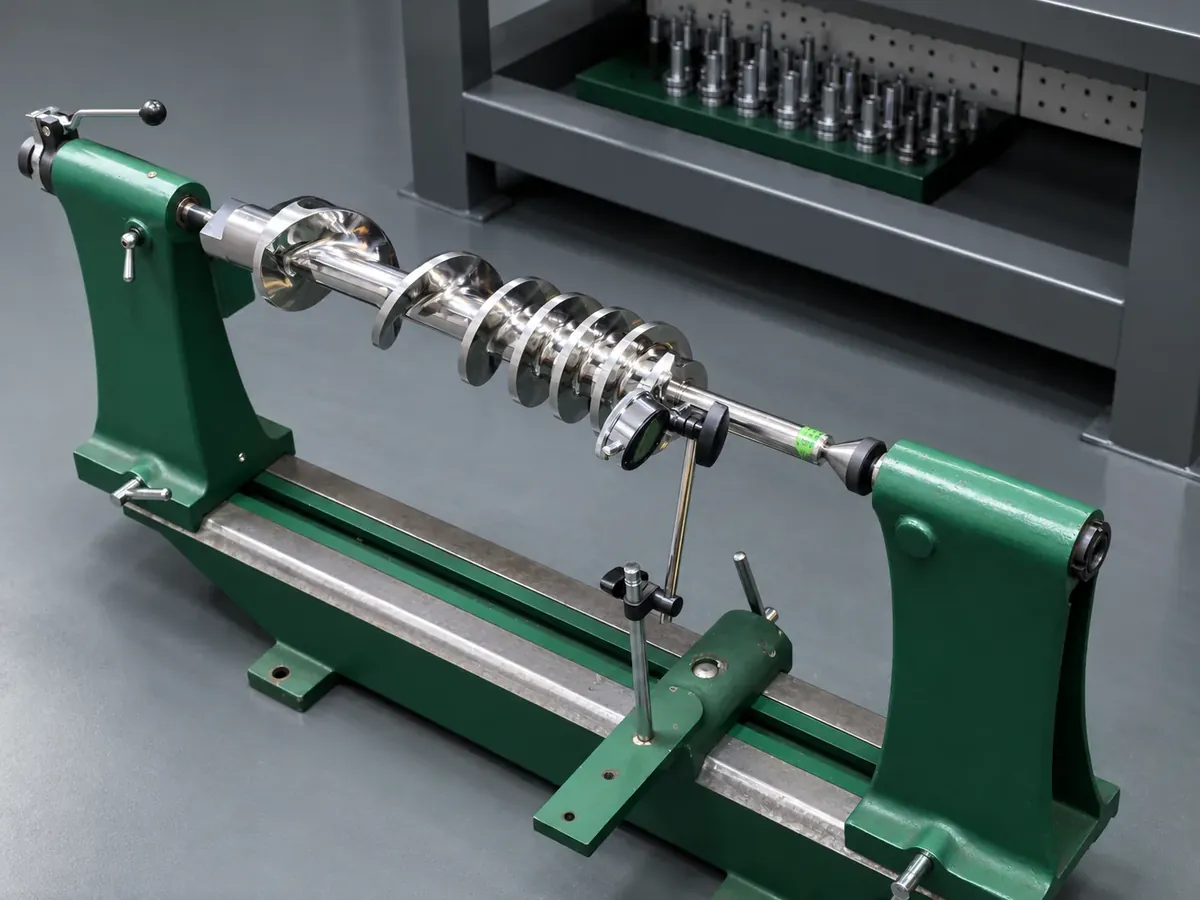
Assembled Machinery Components
Multi part stainless assemblies
View specifications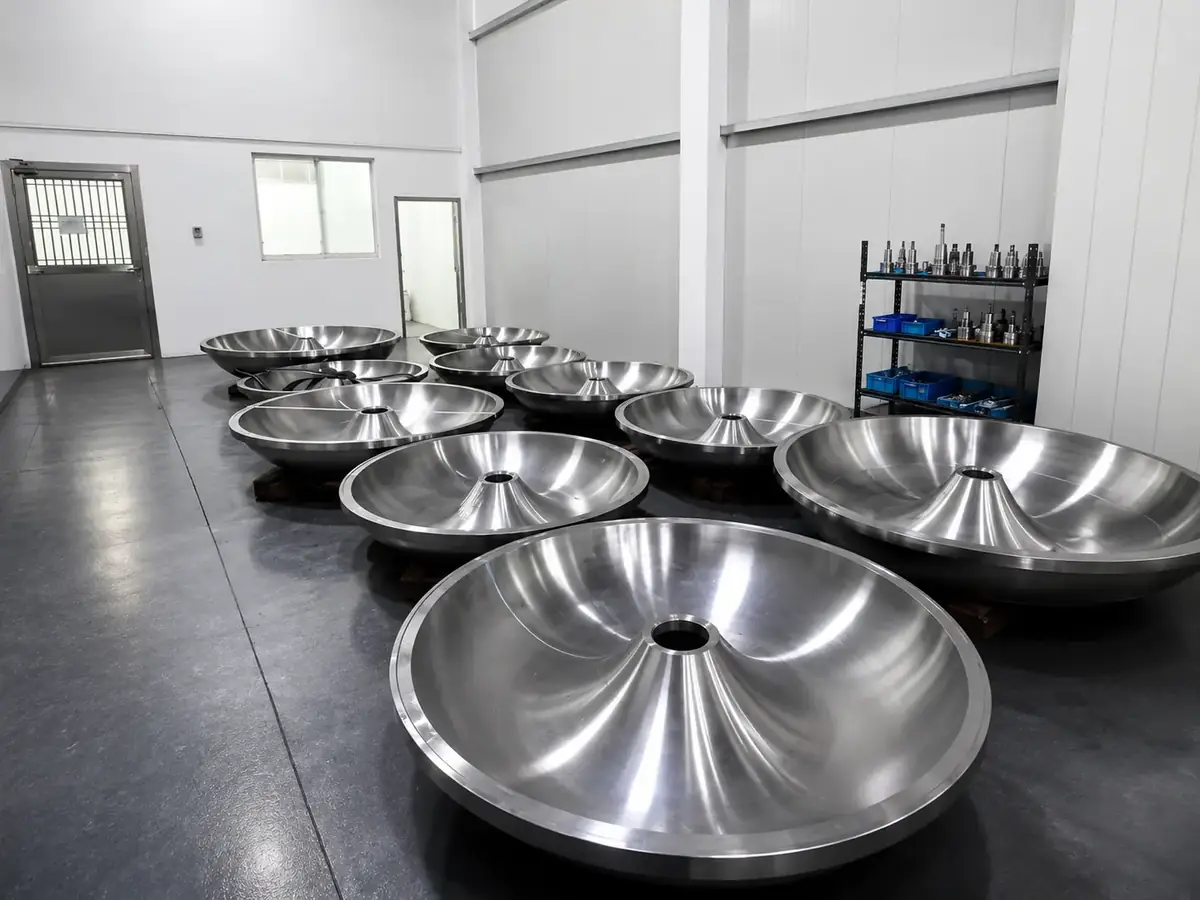
Precision Machined Structural Parts
Close tolerance stainless structures
View specifications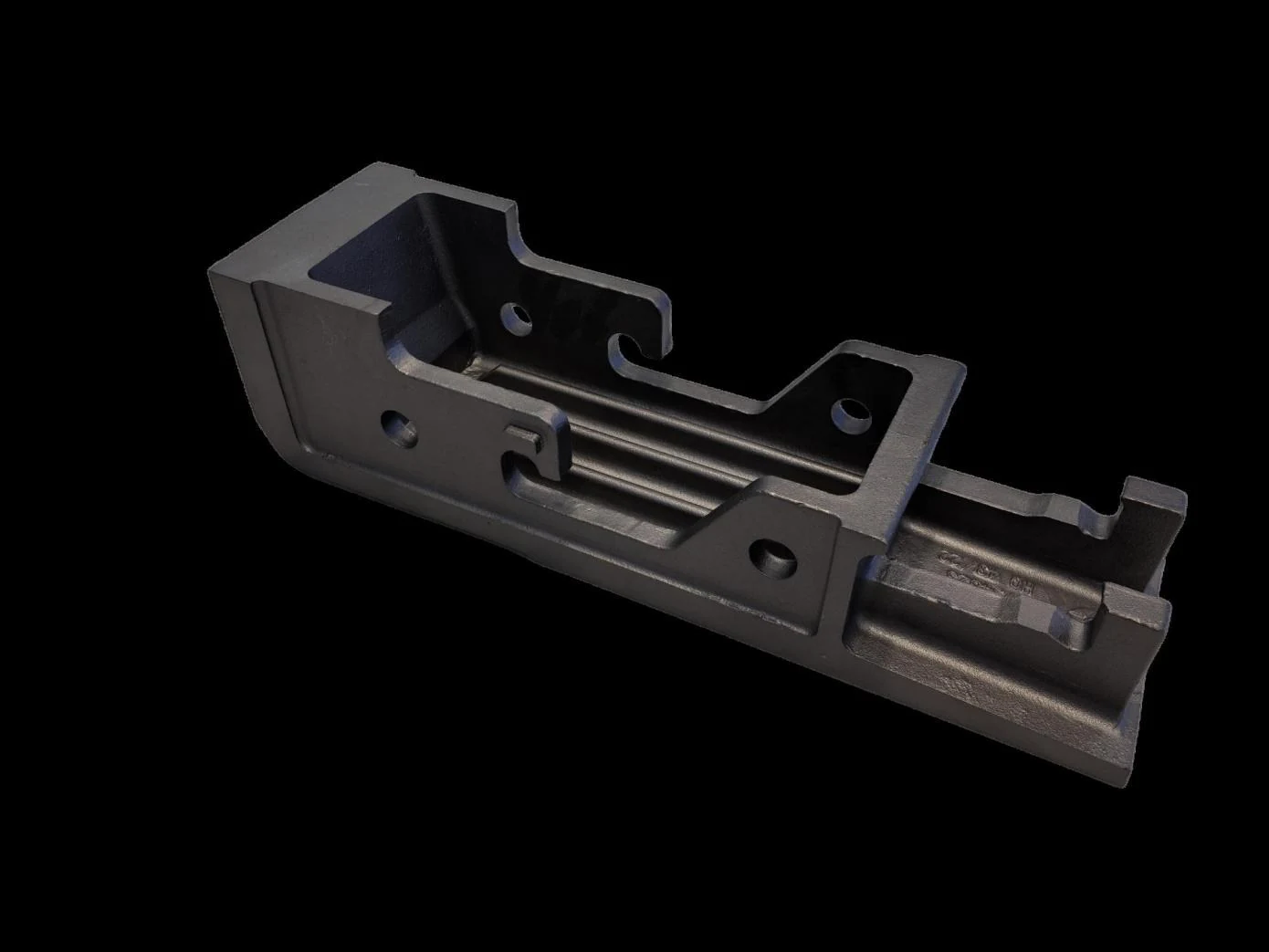
Typical Grate Bar Castings
Heat resistant bars for incineration grates
View specifications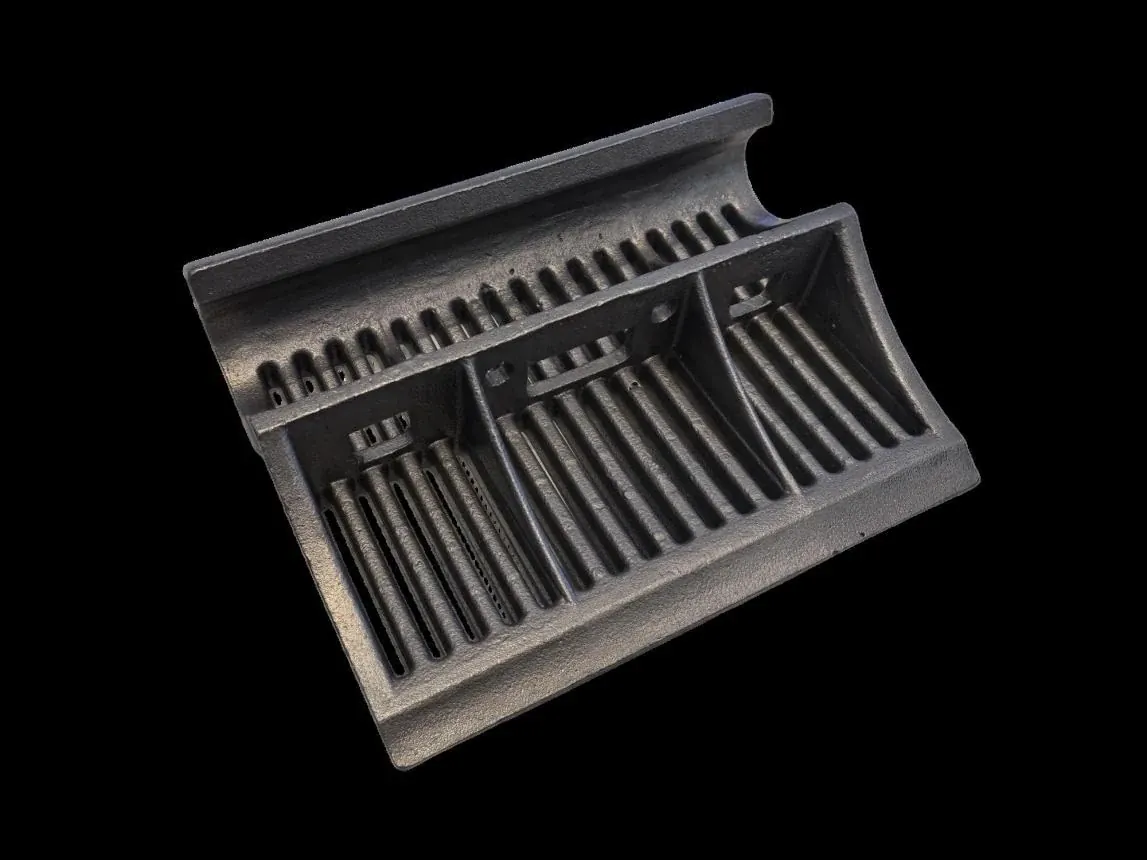
Grate Bars and Heat Resistant Assemblies
Bars, liners and heat resistant sets
View specifications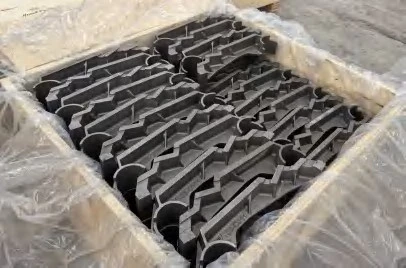
Volume Grate Bar Production
Repeat batch supply of consumable bars
View specifications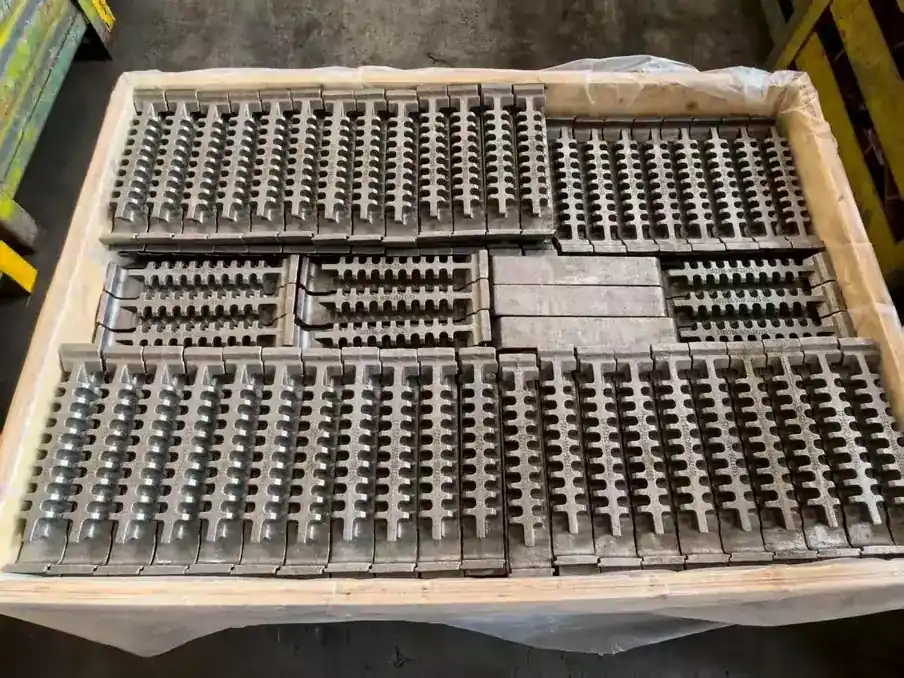
Grate Bar Packing and Delivery
Export packing for heavy consumable parts
View specifications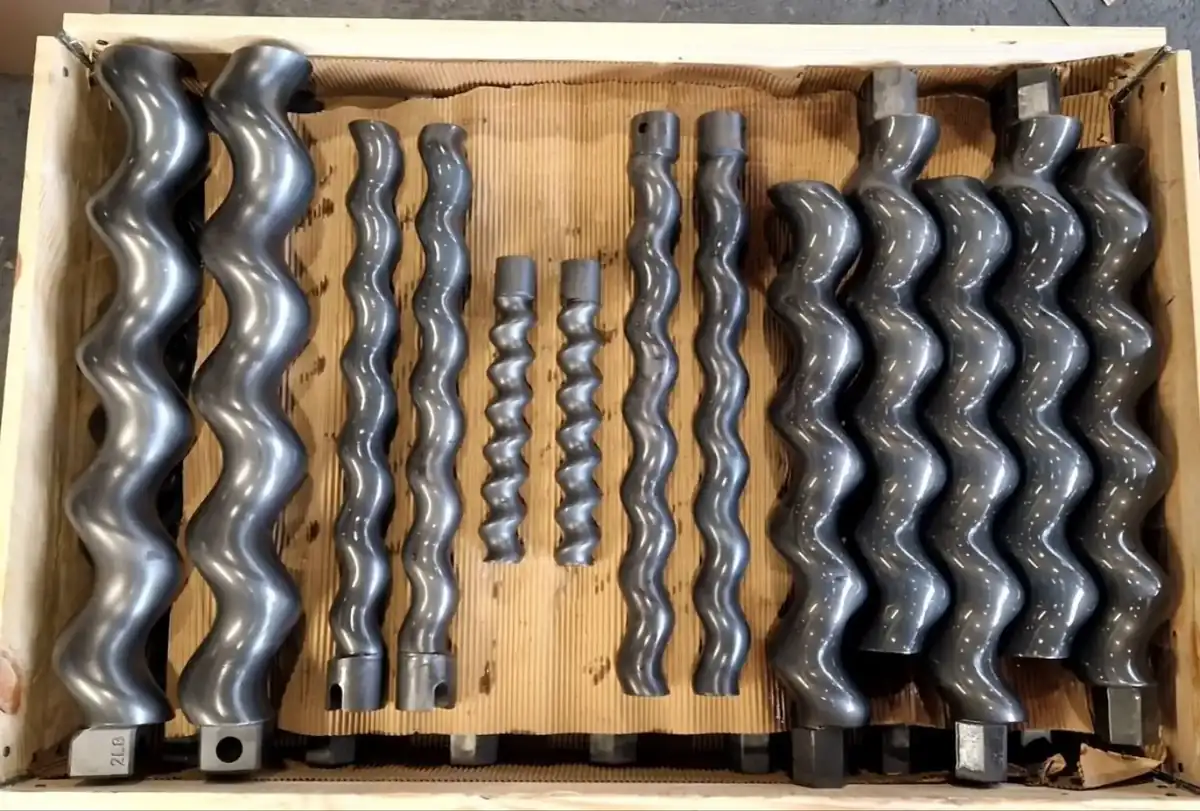
Screw Pump Rotor Series
D, 2L6 and 2L8 series rotors
View specifications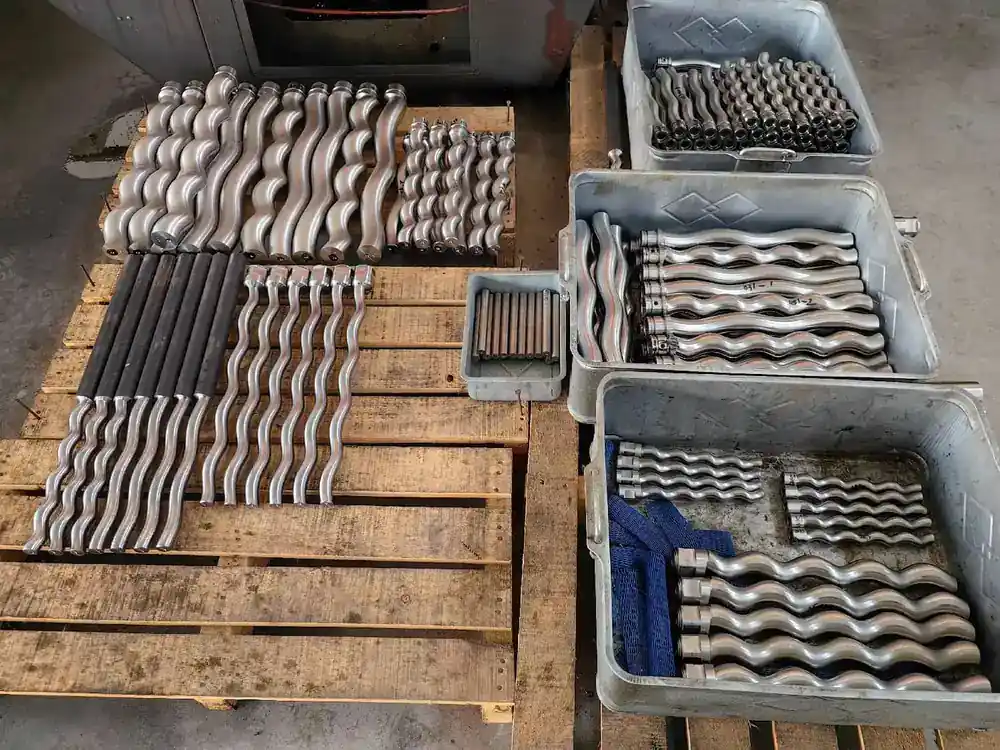
Volume Rotor Production
Series rotor supply for pump builders
View specifications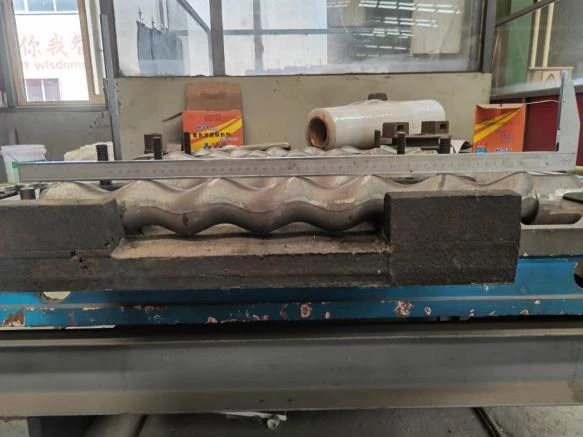
Rotor Machining and Dimensional Inspection
Profile machining with measured verification
View specifications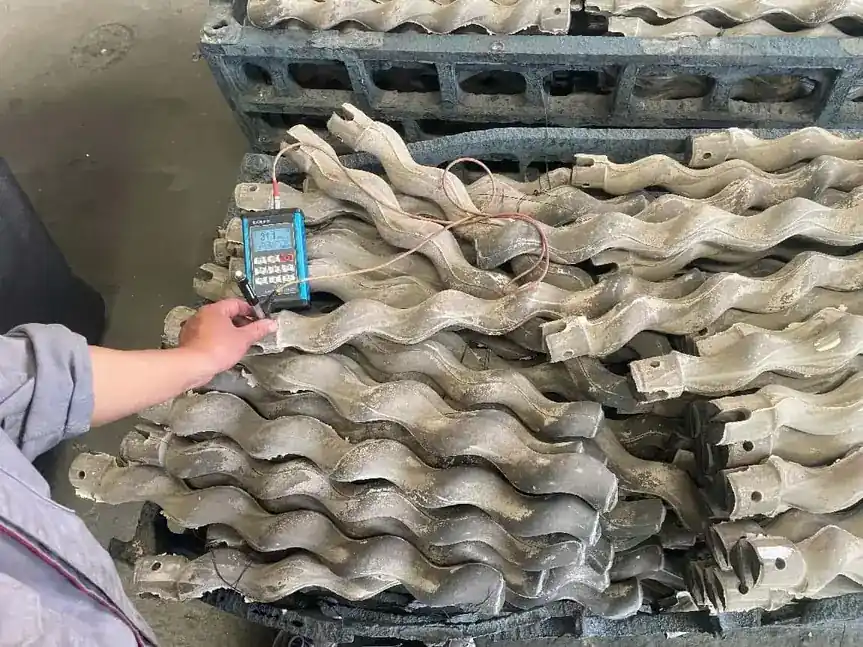
Rotor Hardness and Quality Testing
Hardness verification on finished rotors
View specifications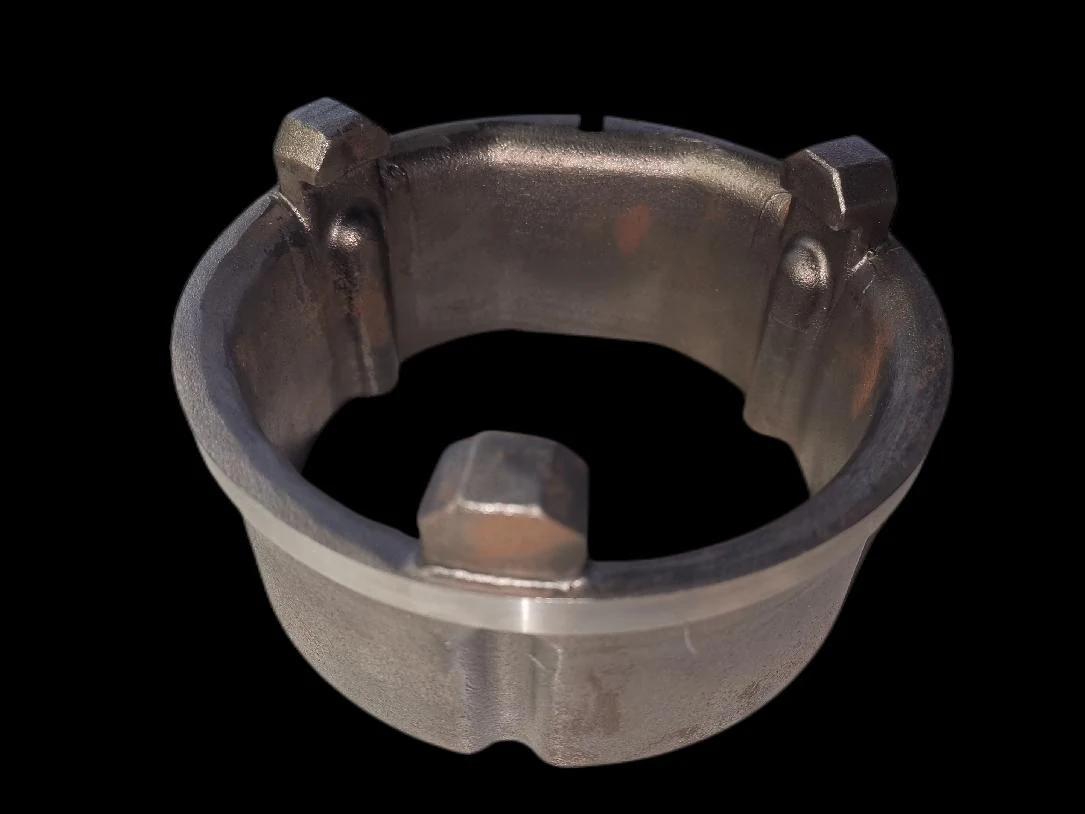
Heat Resistant Furnace Components
Castings for continuous high temperature service
View specifications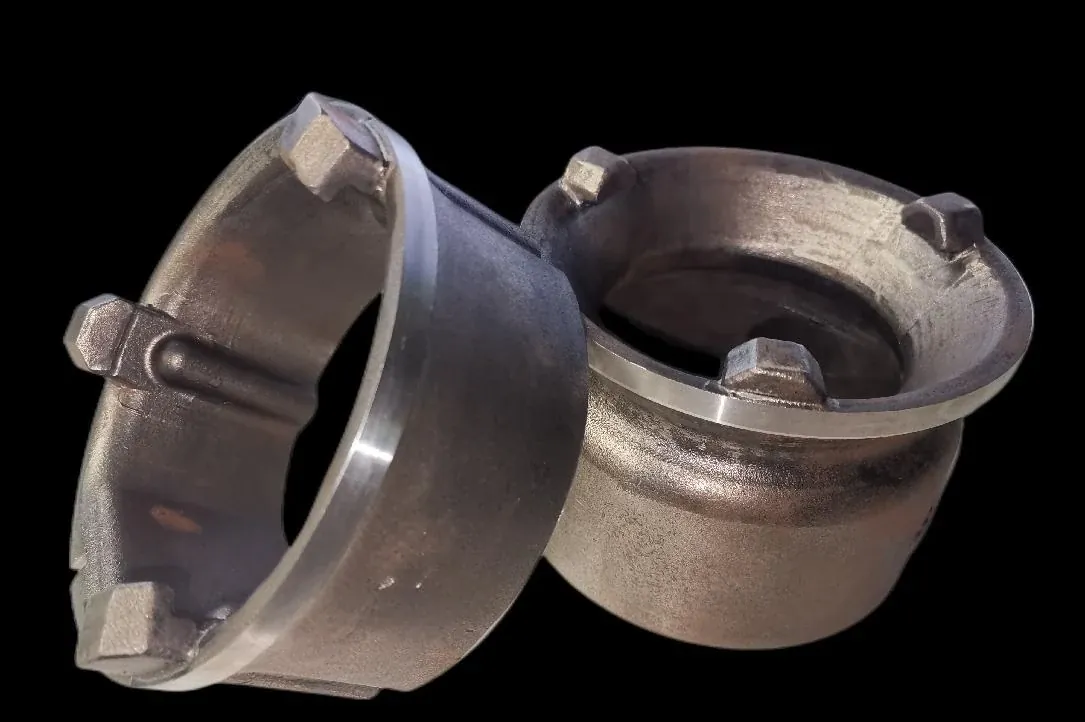
Biomass Furnace Castings
Heat resistant bodies for biomass boilers
View specifications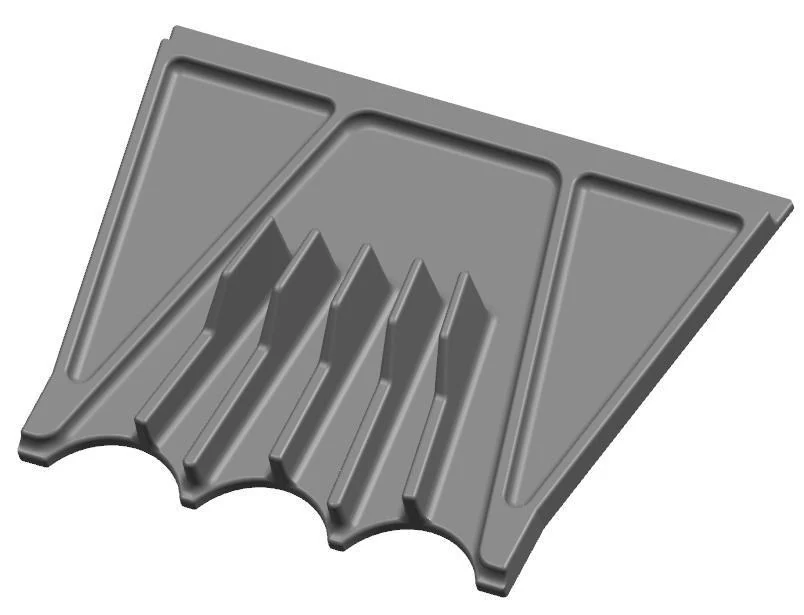
Furnace Grate Components
Grate sections for biomass combustion
View specifications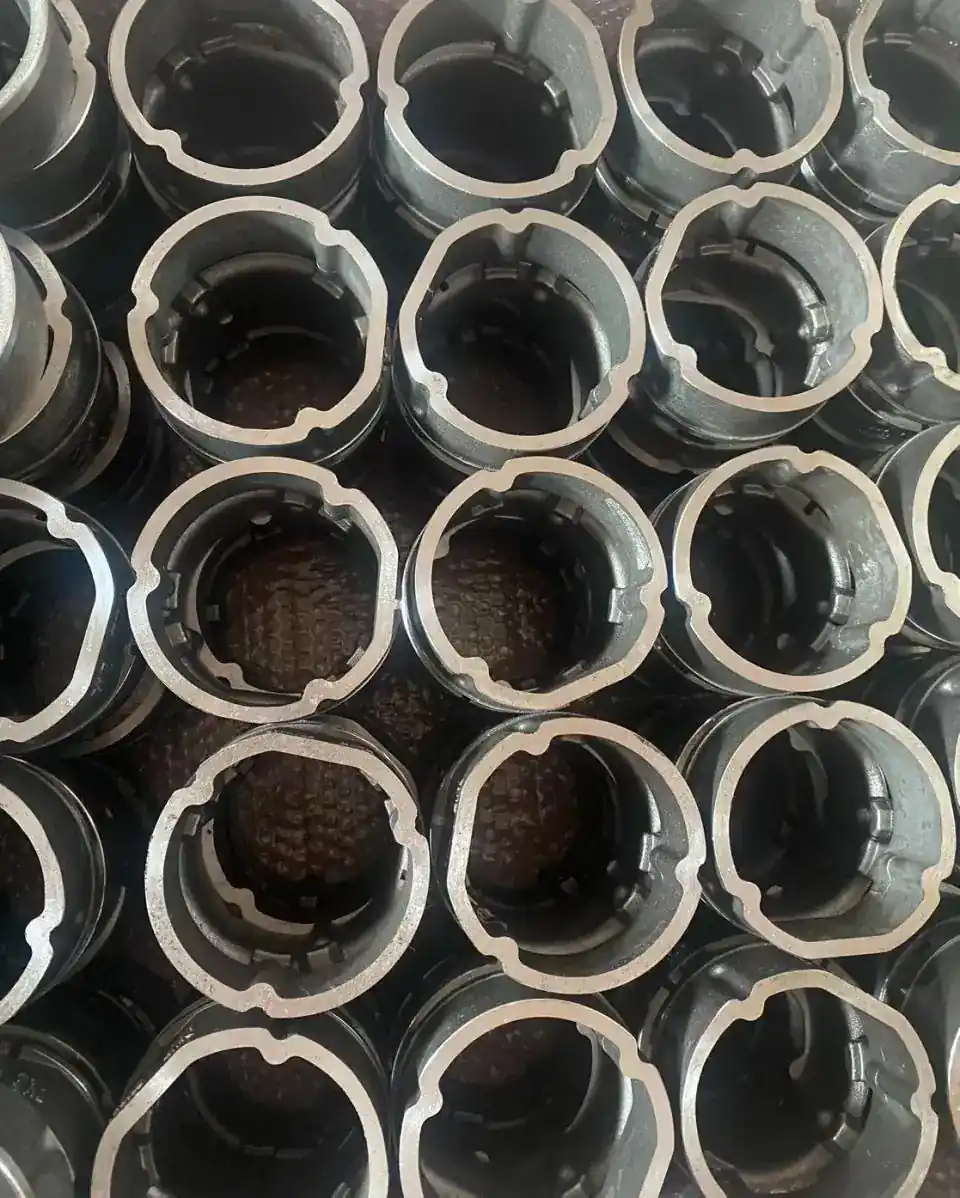
Heat Resistant Cylindrical Components
Tubes, sleeves and cylindrical furnace parts
View specifications
Why This Route Exists
High alloy parts are where material choice, not machine time, decides the cost and the service life. Eurona groups this business into four families: stainless steel food machinery parts, incineration grate bars, screw pump rotors and biomass furnace castings.
The common thread is a hostile working environment — heat, abrasion, corrosion and high hardness — so casting, heat treatment, machining and inspection are planned as one route rather than as separate purchases.
Published Specifications
These are the figures published for this process family. Values that depend on the specific part are confirmed during drawing review.
| Food Machinery Material | 1.4308 / 1.4309 / 1.4340 |
|---|---|
| Food Machinery Weight | 9 kg - 800 kg |
| Grate Bar Material | 1.4777 / 1.4776 / 1.4823 / 1.4743 / LH26 / EN-GJL-200 + 3%Cr |
| Grate Bar Weight | Typical products 2 kg - 50 kg; some grate bars and liners around 10 kg - 50 kg |
| Biomass Material | 1.4777 / 1.4776 / 1.4823 / 1.4855 |
| Working Temperature | Typical maximum around 1050 °C - 1150 °C depending on material and duty |
| Process | Shell moulding, lost wax and lost foam casting, plus CNC machining |
| Tolerance | Shell moulding normally CT9-10; lost wax normally CT8; surface roughness about Ra 12.5 |
Process And Quality Capability
Dimensions, flatness, assembly clearance, 3D scanning, RT, PT, hardness, chemical composition and tensile testing.
Chemical analysis on each melt, sampling from the product body and third party testing for special elements.
Rotors are annealed to 20-35 HRC before machining, then quenched at about 1020 °C to 59-63 HRC.
What Usually Goes Wrong Without This Route
- Grate bars burn out or deform early because the alloy was substituted for a cheaper grade.
- Stainless parts for food contact arrive without material certificates or with the wrong grade.
- Rotor hardness is quoted but never measured, so wear life varies from batch to batch.
Industries Served
This family is specified most often by the following industries. Each industry page lists the part types and the typical duty.
Background Reading
Choosing Heat Resistant Alloys for Grate Bars and Furnace Castings
Grate bars are consumables, so the alloy decides the operating budget. This guide explains the grades Eurona works with and how the working condition narrows the choice.
Buying GuideWhat NDT and Quality Documents to Specify on a Casting Order
Most acceptance disputes come from an inspection scope that was never agreed. This guide covers what to specify and when to specify it.
Related Categories
Steel Castings and Forgings
Heavy load and high strength steel parts from 50 kg to 50 tonnes, covered by melting records, heat treatment, NDT and full quality documents.
CategoryPrecision Casting
Silica sol lost wax and quick-drying investment casting from 0.01 kg to 300 kg, holding CT5 - CT9 and Ra 3.2 - Ra 6.3.
CategoryAluminum Alloy Casting
Sand, gravity, high pressure and low pressure aluminium casting with machining, welding and surface finishing in one route.
CategoryPrecision Forging
Closed die forging on 300 T - 8000 T presses, rolled rings up to 9000 mm diameter and open die forging for large parts.
CategoryCast Iron
Grey iron, ductile iron and ADI castings from 0.2 kg to 2000 kg in green sand, resin sand and shell moulding.
High Alloy Parts — Frequently Asked Questions
What weight range does high alloy parts cover?
9 kg - 800 kg
Which materials are available for high alloy parts?
1.4308 / 1.4309 / 1.4340
Can machining and surface treatment be included?
Yes. CNC machining, dimensional control, surface treatment and necessary pre-assembly are coordinated in the same supply chain, so parts can be delivered finished to the drawing.
What is needed to get a quotation?
Drawings, material, quantity, quality standard and target delivery date. Those five items allow a process route and a suitable production base to be proposed.
Talk To An Engineer About High Alloy Parts
Send the drawing with the material, quantity and inspection requirement. We will confirm the process route and the production base before quoting.