
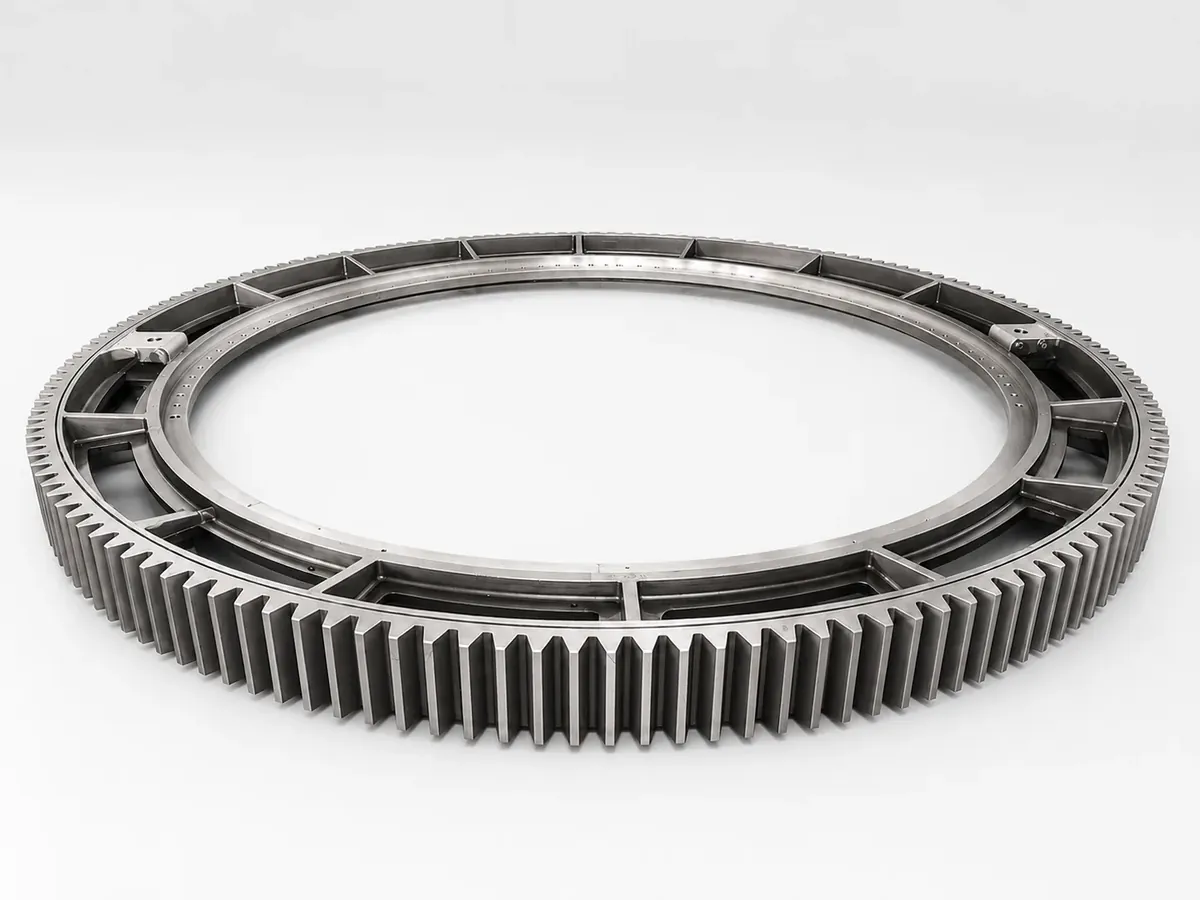
Cement
Gear rings, wear components and heat exposed castings for kilns, mills and clinker handling.
What Makes Parts Difficult In This Sector
- Kiln and mill components run hot and abrasive at the same time.
- A single large gear ring can hold up an entire production line.
- Replacement parts must match a machine that is decades old and poorly documented.
How The Sourcing Model Answers It
- Process route selected against structure, weight, batch size, accuracy and cost target.
- Production base assessed on site for production and inspection capability before an order is placed.
- Key processes, raw material, NDT and dimensional inspection followed during production.
- Export shipment arranged under agreed international trade terms.
Parts Most Often Specified By This Industry
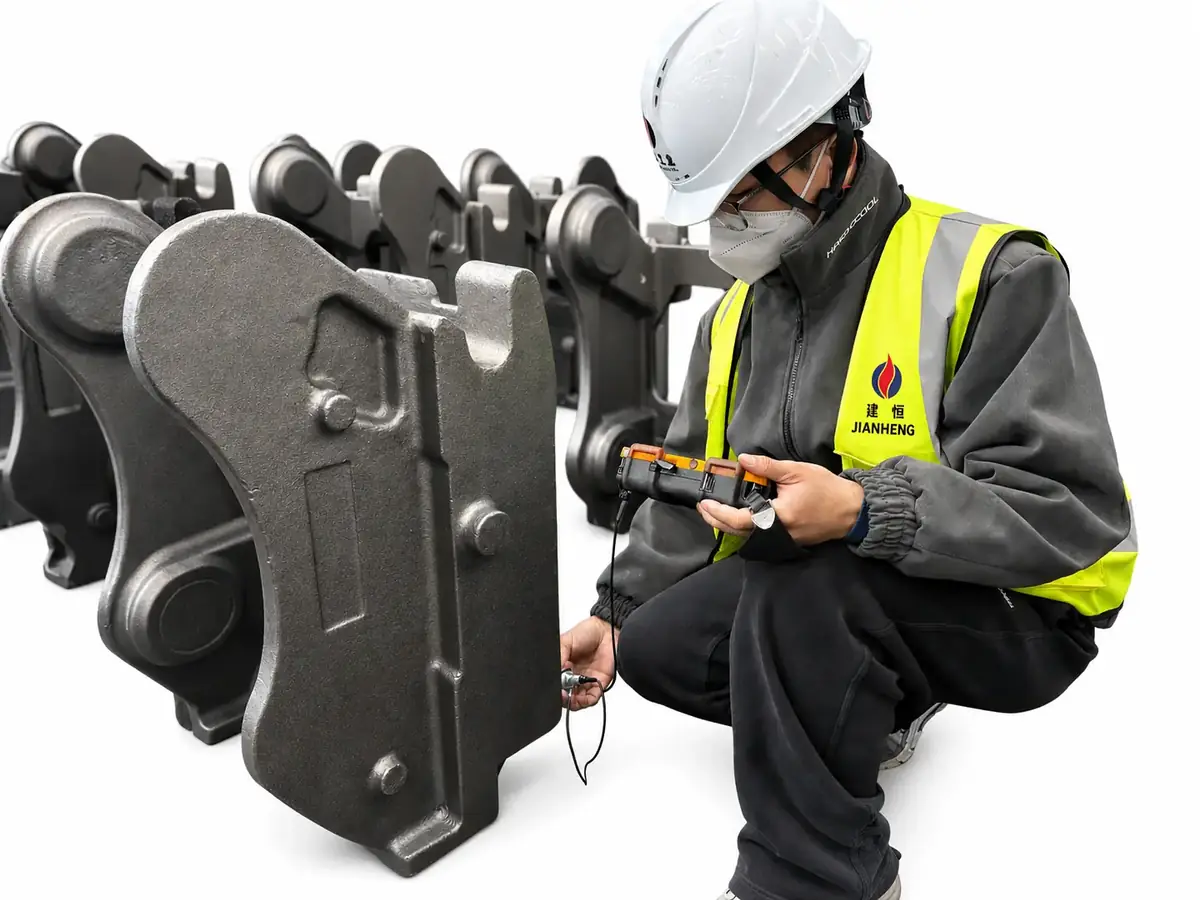
Large Steel Structural Castings
Load bearing steel castings up to 20 tonnes
View specifications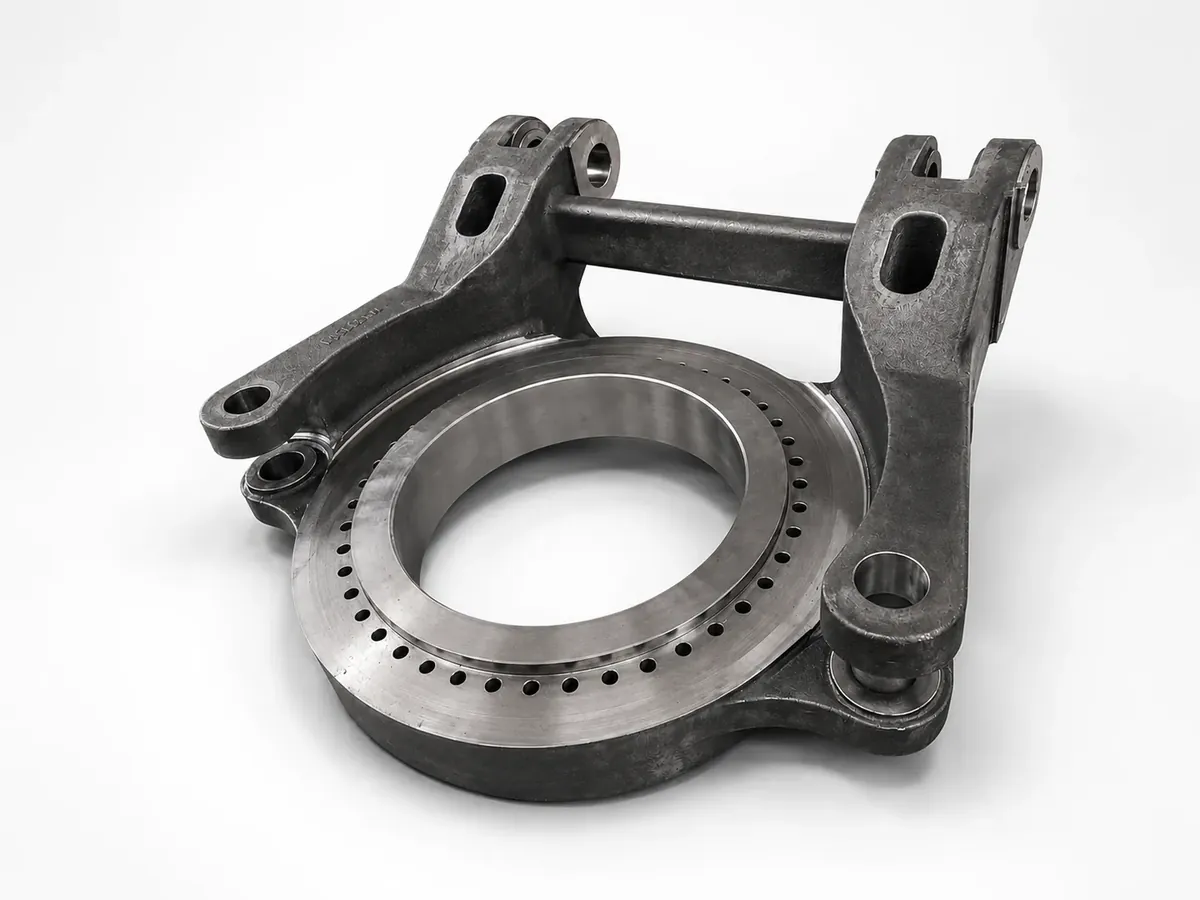
Slewing Support Structural Castings
Rotating support bodies with machined bearing seats
View specifications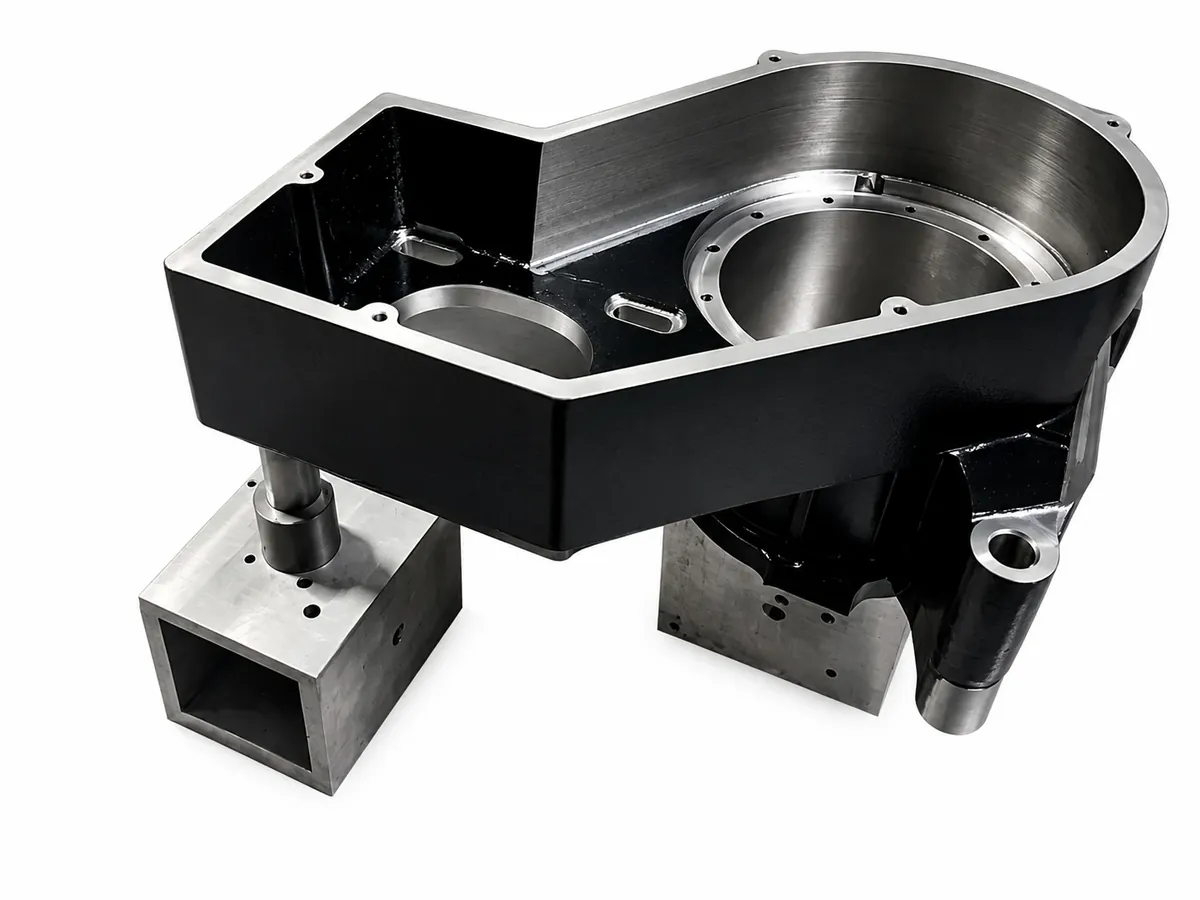
Mechanical Wear and Conveying Components
Screws, flights and wear surfaces
View specifications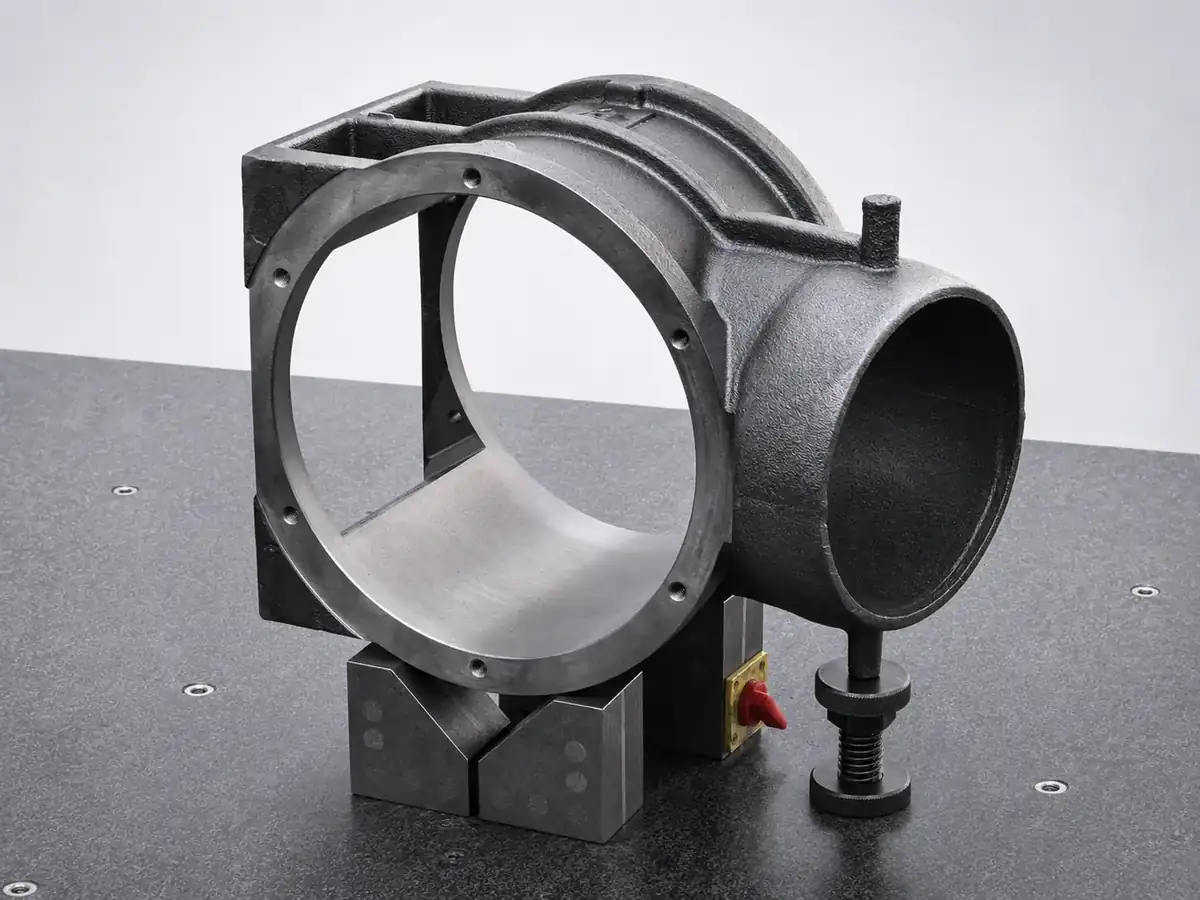
Ductile Iron Structural Brackets
Ductile iron support structures
View specifications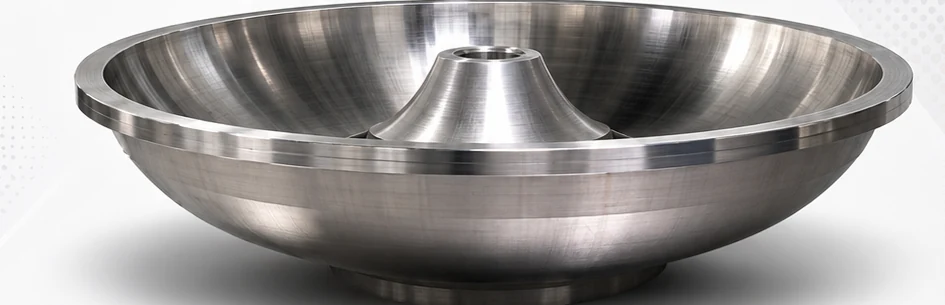
Stainless Steel Vessel Components
Cast and machined stainless vessel bodies
View specifications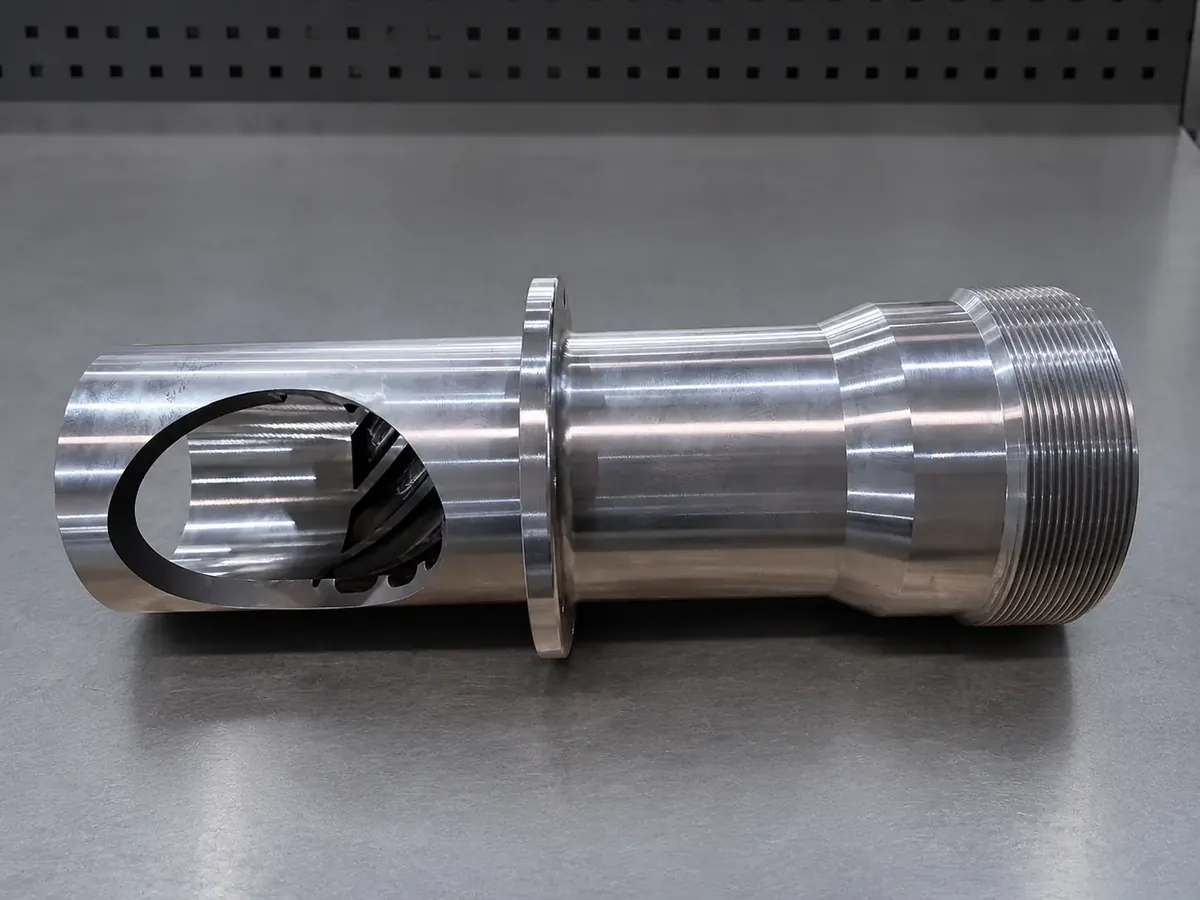
Rotating and Drive Components
Stainless shafts and drive parts for hygienic equipment
View specificationsWhere These Parts Come From
Steel Castings and Forgings
Heavy load and high strength steel parts from 50 kg to 50 tonnes, covered by melting records, heat treatment, NDT and full quality documents.
Process FamilyCast Iron
Grey iron, ductile iron and ADI castings from 0.2 kg to 2000 kg in green sand, resin sand and shell moulding.
Process FamilyHigh Alloy Parts
Stainless and heat resistant components for food machinery, incineration grate bars, screw pump rotors and biomass furnaces.
The Four Stages Every Order Passes Through
Requirement and Drawing Review
Confirm the application industry, material, process, dimensions, tolerances, inspection standard and delivery terms.
Supply Chain Matching
Select a stable production base according to the product characteristics and assess its production and inspection capability.
Process Control and Inspection
Follow key processes, raw material, NDT, dimensional inspection and final quality documents.
Logistics and Delivery
Arrange export shipment under agreed trade terms with a reliable and economical logistics solution.
Cement — Frequently Asked Questions
Which parts do you supply for cement?
Primarily steel castings and forgings, cast iron, high alloy parts. Parts are produced to the customer drawing within those process routes.
Can you match a part on an installed machine?
Parts are produced to a drawing. Where only a sample exists, 3D scanning is available to support dimensional verification during development.
What quality documentation is available?
Material certificates, NDT reports and dimensional records, with the scope agreed at drawing review. Inspection results are archived and remain traceable.
Sourcing Parts For Cement
Send the drawing and the duty. We will confirm the process route and the production base before quoting.