
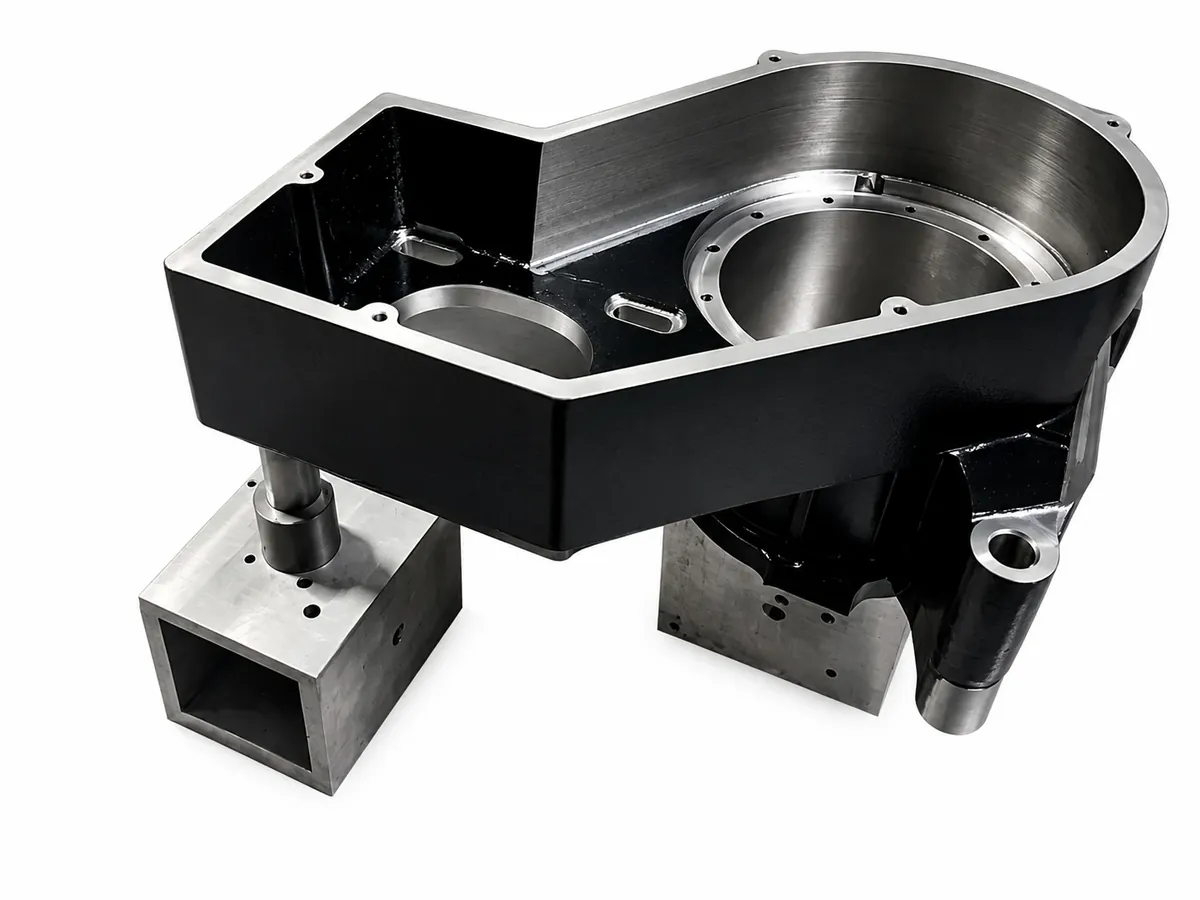
What This Part Is And Why It Is Made This Way
Conveying parts wear from the moment they are installed, so the only meaningful question is how many tonnes pass before replacement. Material grade, not shape, determines that number.
Wear and conveying components are cast in grey iron, ductile iron or ADI, in weights from 0.2 kg to 2000 kg, matched to the drawing and the application.
What You Get From This Route
ADI800-10 and ADI1200-3 available where wear life justifies the grade.
Green sand, resin sand and shell routes matched to the batch size.
Grade selected against the abrasive duty rather than by default.
Application Scenarios
- Screw conveyor flights
- Material handling wear components
- Mining and cement conveying parts
- Bulk handling liners and sections
Who It Is For
- Bulk handling equipment builders
- Plants replacing conveying parts on a wear schedule
- Maintenance teams looking to extend replacement intervals
Technical Features
- Grey iron EN-GJL-150 / 200 / 250 / 300
- Ductile iron EN-GJS-400 to 800
- ADI800-10 / ADI1200-3
- Weight range 0.2 kg - 2000 kg
What Buyers Run Into Without This Specification
- Wear parts are replaced far too often because ADI was never considered.
- Grey iron is used where the duty needs ductile iron and parts fracture.
- Tooling is quoted for volume moulding on a small replacement order.
Published Material Weight And Process Data
Figures below are the published capability for cast iron. Part specific values — tolerance on individual features, finish, packing — are confirmed at drawing review and marked TBC until then.
| Grey Iron | EN-GJL-150 / 200 / 250 / 300 |
|---|---|
| Ductile Iron | EN-GJS-400 / 450 / 500 / 600 / 700 / 800 |
| ADI | ADI800-10 / ADI1200-3 |
| Weight Range | 0.2 kg - 2000 kg |
| Process | Green sand process; resin sand process; shell process |
| Selection Basis | Grade and moulding route matched to customer drawing and application scenario |
| Part Specific Tolerance | TBC — confirmed against the customer drawing |
| Minimum Order Quantity | TBC — depends on the process route selected |
| Lead Time | TBC — confirmed with the production base at quotation |
How The Part Is Made And Checked
- Green Sand — High volume production of repeat parts at the lowest tooling cost.
- Resin Sand — Larger parts and complex cavities where dimensional stability matters more than cycle time.
- Shell Process — Better surface and dimensional accuracy for mid size batches.
Quality management is based on ISO 9001 and covers supplier management, raw material inspection, production process control and final inspection. Inspection results are archived and traceable.
Options And Alternatives
Parts are produced to the customer drawing rather than to a fixed catalogue item, so material grade, machining scope, surface treatment and packing are all specified per order. Machining, dimensional control, surface treatment and necessary pre-assembly can be added to the same supply route.
Where another process family would suit the part better — for example a forging in place of a casting for a shock loaded connector — that comparison is raised during drawing review rather than after tooling is committed.
How To Specify This Part
Tell us the material being conveyed and the current replacement interval. Those two facts are what make a grade upgrade to ADI possible to evaluate honestly, rather than a guess.
- Send the drawing with material, quantity, quality standard and target delivery date.
- State the inspection class and the zones it applies to, rather than a general note.
- Confirm the packing requirement and the lifting equipment available at the destination.
Related Guides
Other Parts In This Range
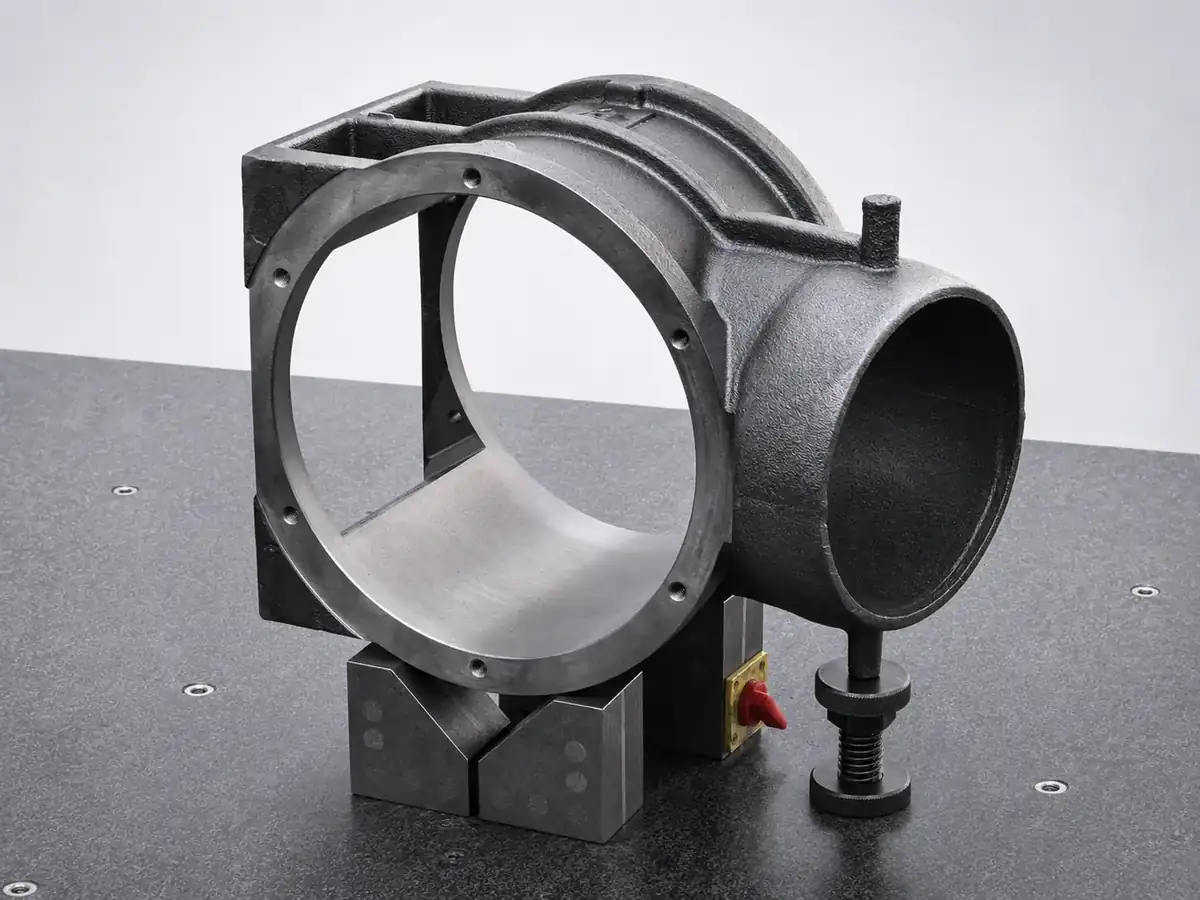
Ductile Iron Structural Brackets
Ductile iron support structures
View specifications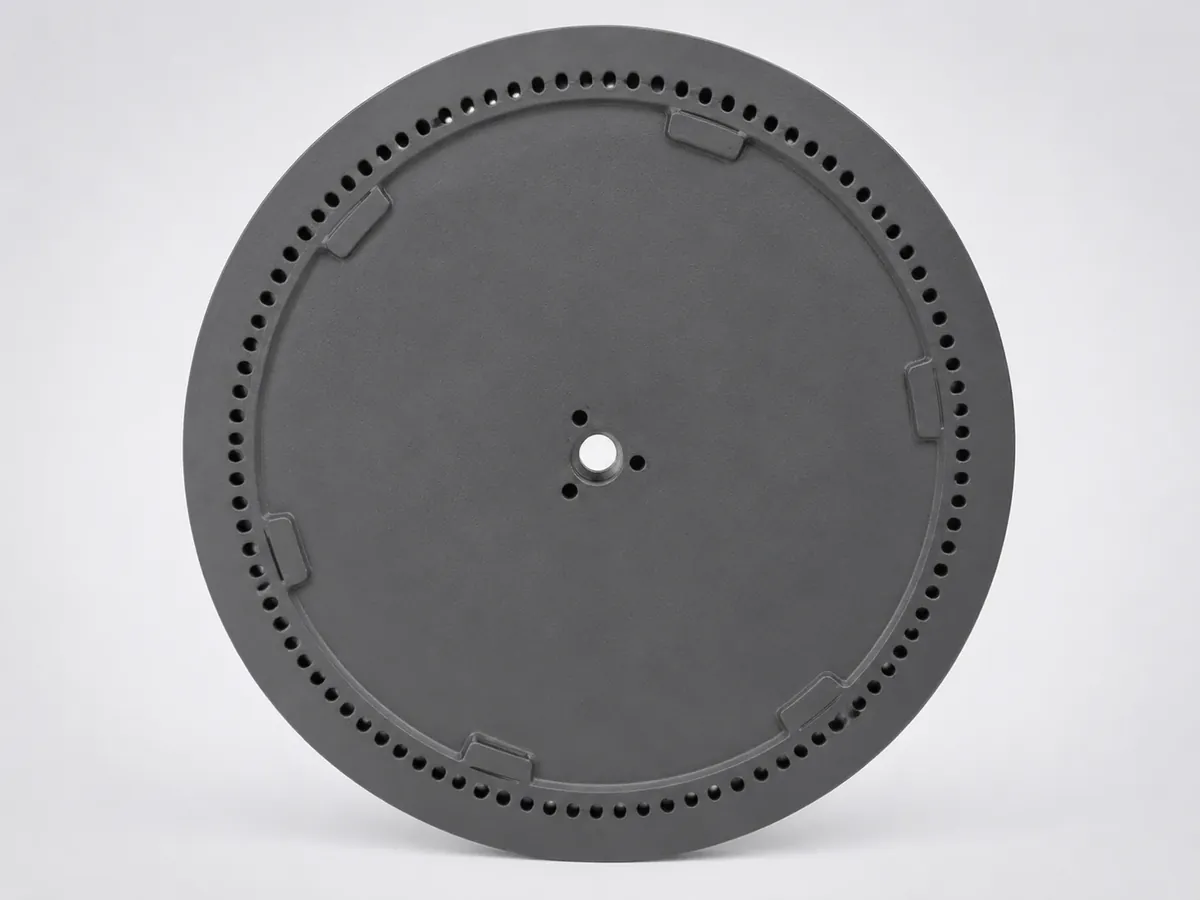
Disc Type Iron Castings
Flat discs, plates and covers
View specifications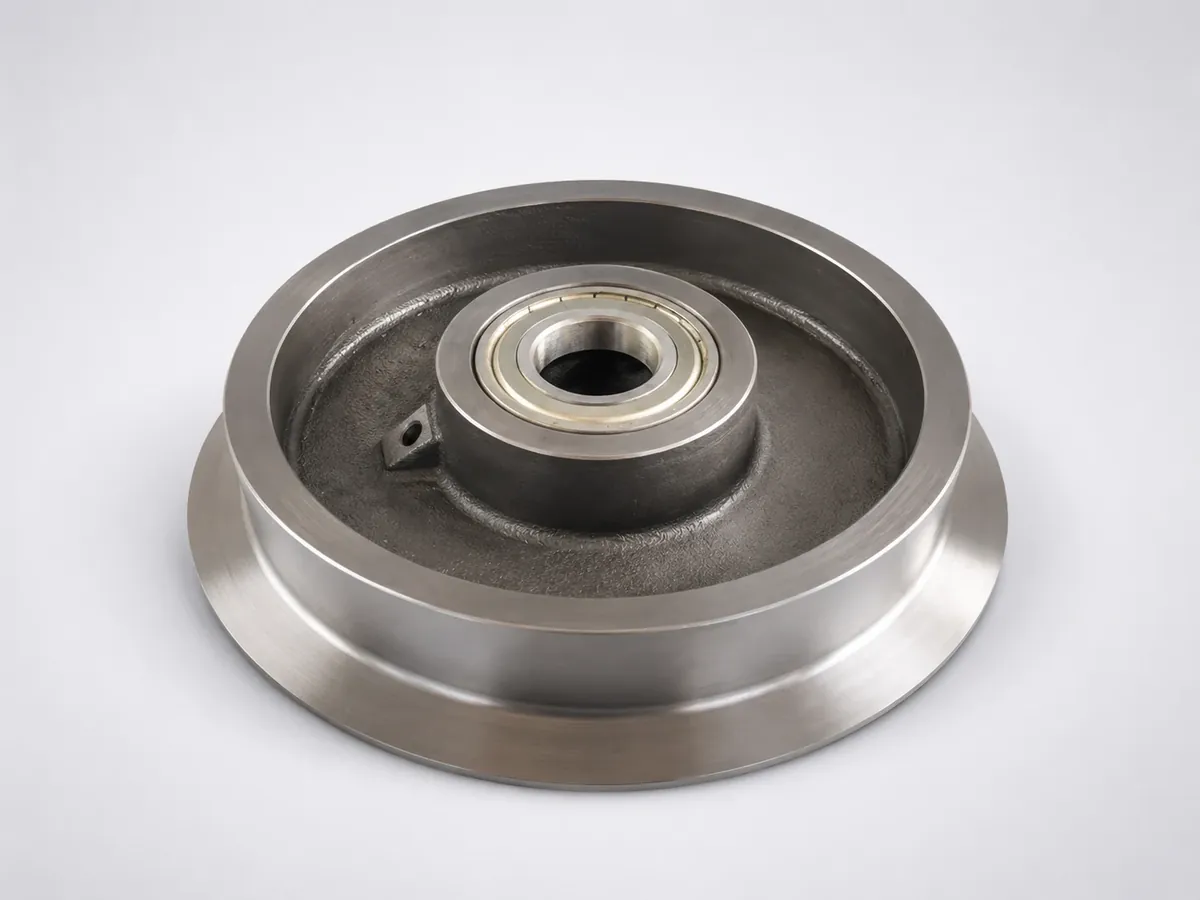
Wheel and Transmission Components
Pulleys, wheels and drive iron parts
View specifications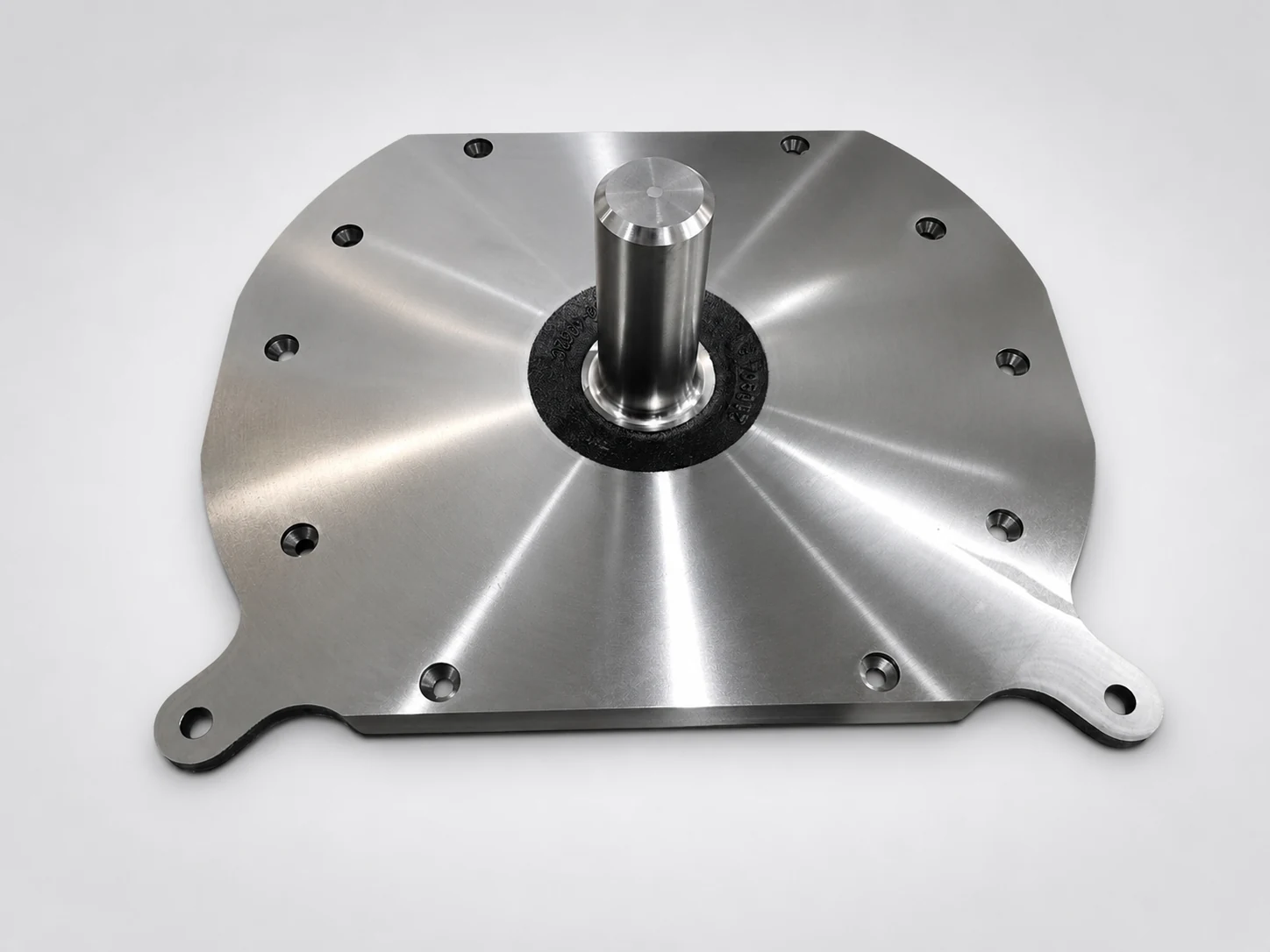
Disc Base Iron Castings
Base plates with integral bosses
View specificationsMechanical Wear and Conveying Components — Frequently Asked Questions
When is ADI worth the extra cost?
ADI is proposed where wear life drives the total cost more than the piece price. The assessment needs the conveyed material and the current replacement interval.
What weight range is available in cast iron?
Cast iron parts are supplied from 0.2 kg to 2000 kg.
What do you need to prepare a quotation?
Drawings, material, quantity, quality standard and target delivery date.
Which inspection is included?
The inspection scope is agreed during drawing review. Better surface and dimensional accuracy for mid size batches.
Get A Quotation For Mechanical Wear and Conveying Components
Send the drawing and the application. We will confirm the process route, the production base and the inspection scope before quoting.