
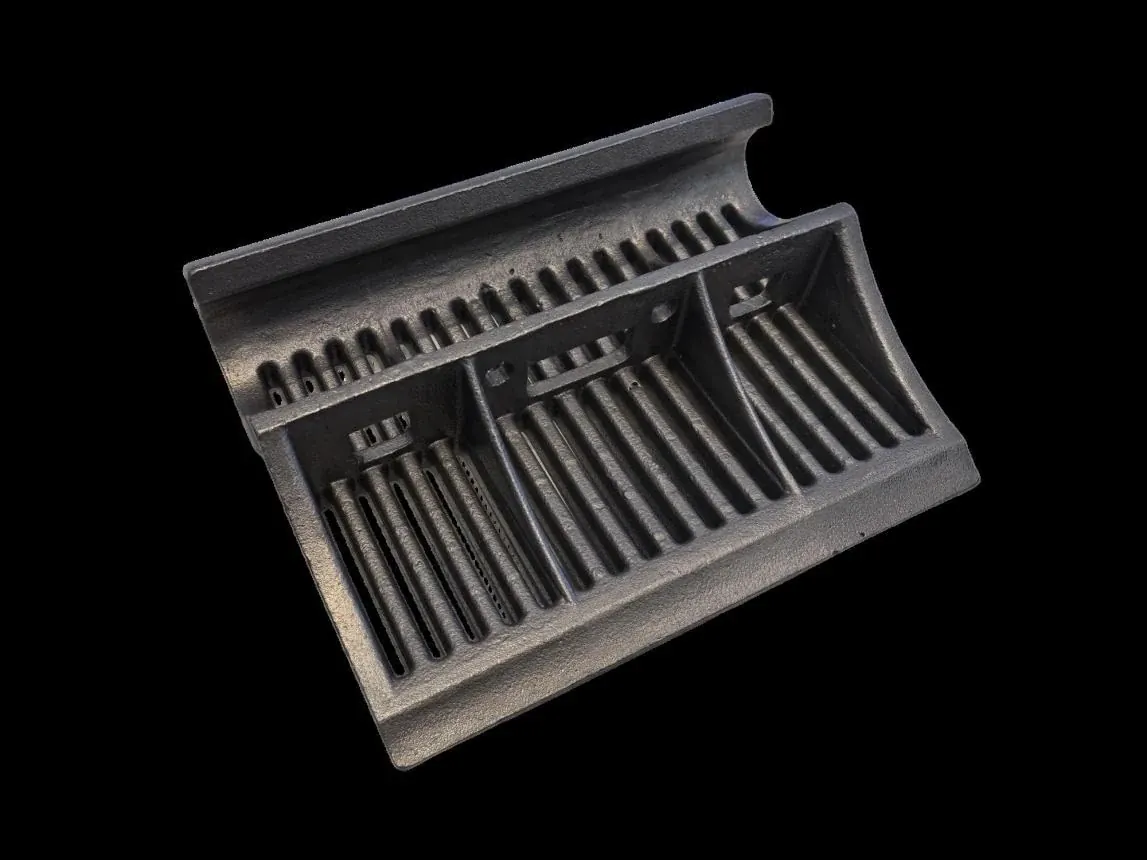
Grate Bars and Heat Resistant Assemblies
Bars, liners and heat resistant sets
What This Part Is And Why It Is Made This Way
Grate bars rarely work alone: they sit alongside liners, side plates and carriers that all see the same heat. Replacing only the bars and leaving worn neighbours in place shortens the life of the new parts.
Assemblies of bars and liners are cast in the same heat resistant grades, with typical bar and liner products in the 10 kg to 50 kg range.
What You Get From This Route
Bars and matching liners sourced together so wear surfaces renew as a set.
Common alloy specification across the assembly avoids differential wear.
Dimensional control on the mating features of the set.
Application Scenarios
- Incineration grate assemblies
- Furnace liner and side plate sets
- Boiler grate carrier assemblies
- Heat resistant wear sets in thermal plant
Who It Is For
- Plant maintenance planners scheduling a grate overhaul
- OEMs supplying complete grate sections
- Contractors carrying out shutdown work
Technical Features
- Heat resistant alloys as for grate bars
- Typical liner and bar products around 10 kg - 50 kg
- Shell moulding, lost wax and lost foam casting
- Dimensional inspection on mating features
What Buyers Run Into Without This Specification
- New bars wear quickly because worn liners are left in place.
- Parts from different suppliers have different alloys and wear at different rates.
- The set does not fit together after installation begins.
Published Material Weight And Process Data
Figures below are the published capability for high alloy parts. Part specific values — tolerance on individual features, finish, packing — are confirmed at drawing review and marked TBC until then.
| Food Machinery Material | 1.4308 / 1.4309 / 1.4340 |
|---|---|
| Food Machinery Weight | 9 kg - 800 kg |
| Grate Bar Material | 1.4777 / 1.4776 / 1.4823 / 1.4743 / LH26 / EN-GJL-200 + 3%Cr |
| Grate Bar Weight | Typical products 2 kg - 50 kg; some grate bars and liners around 10 kg - 50 kg |
| Biomass Material | 1.4777 / 1.4776 / 1.4823 / 1.4855 |
| Working Temperature | Typical maximum around 1050 °C - 1150 °C depending on material and duty |
| Process | Shell moulding, lost wax and lost foam casting, plus CNC machining |
| Tolerance | Shell moulding normally CT9-10; lost wax normally CT8; surface roughness about Ra 12.5 |
| Part Specific Tolerance | TBC — confirmed against the customer drawing |
| Minimum Order Quantity | TBC — depends on the process route selected |
| Lead Time | TBC — confirmed with the production base at quotation |
How The Part Is Made And Checked
- Inspection — Dimensions, flatness, assembly clearance, 3D scanning, RT, PT, hardness, chemical composition and tensile testing.
- Material Control — Chemical analysis on each melt, sampling from the product body and third party testing for special elements.
- Heat Treatment — Rotors are annealed to 20-35 HRC before machining, then quenched at about 1020 °C to 59-63 HRC.
Quality management is based on ISO 9001 and covers supplier management, raw material inspection, production process control and final inspection. Inspection results are archived and traceable.
Options And Alternatives
Parts are produced to the customer drawing rather than to a fixed catalogue item, so material grade, machining scope, surface treatment and packing are all specified per order. Machining, dimensional control, surface treatment and necessary pre-assembly can be added to the same supply route.
Where another process family would suit the part better — for example a forging in place of a casting for a shock loaded connector — that comparison is raised during drawing review rather than after tooling is committed.
How To Specify This Part
Plan the overhaul as a set rather than as individual part numbers. Sourcing bars, liners and carriers to one alloy specification and one delivery keeps wear even and reduces the number of shutdowns.
- Send the drawing with material, quantity, quality standard and target delivery date.
- State the inspection class and the zones it applies to, rather than a general note.
- Confirm the packing requirement and the lifting equipment available at the destination.
Related Guides
Other Parts In This Range
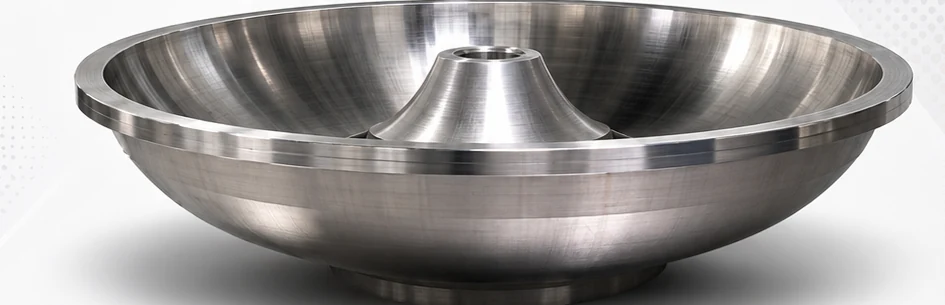
Stainless Steel Vessel Components
Cast and machined stainless vessel bodies
View specifications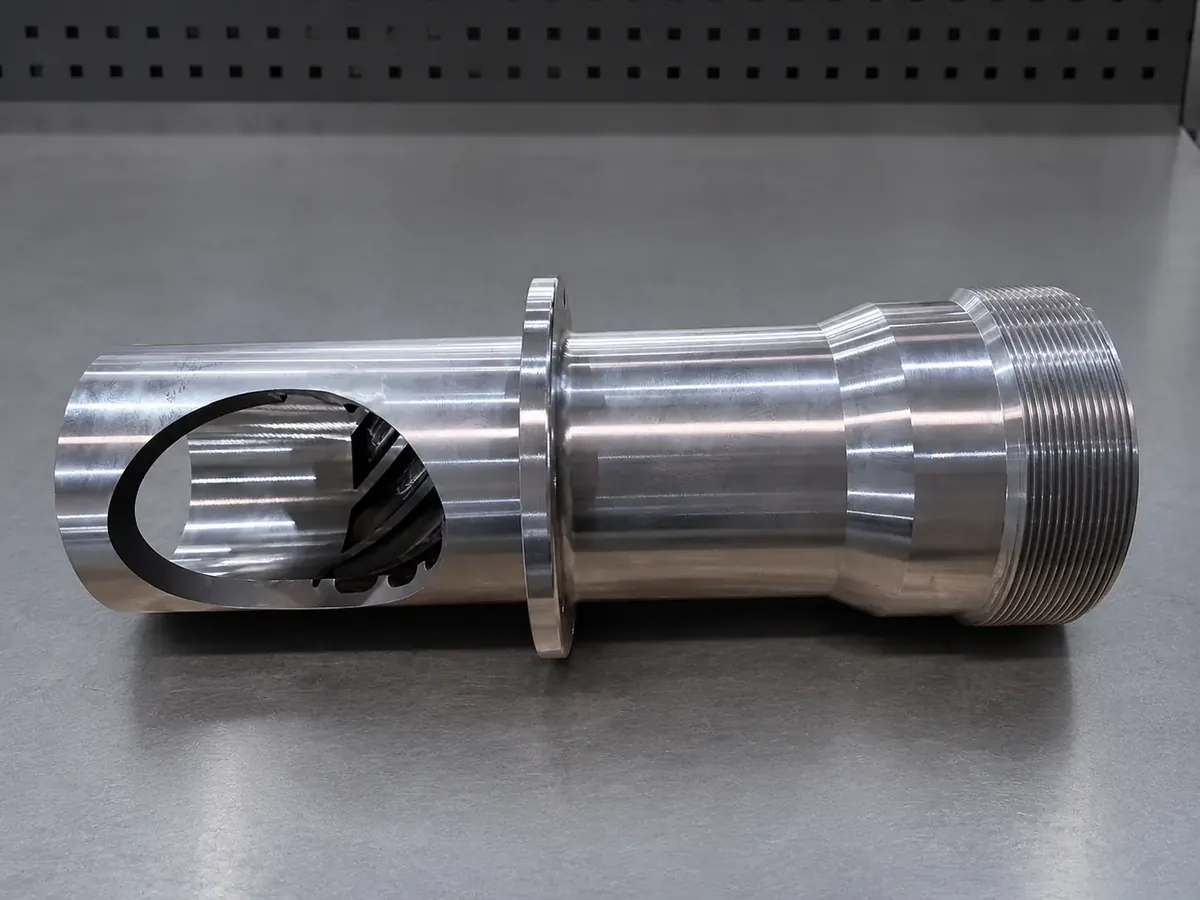
Rotating and Drive Components
Stainless shafts and drive parts for hygienic equipment
View specifications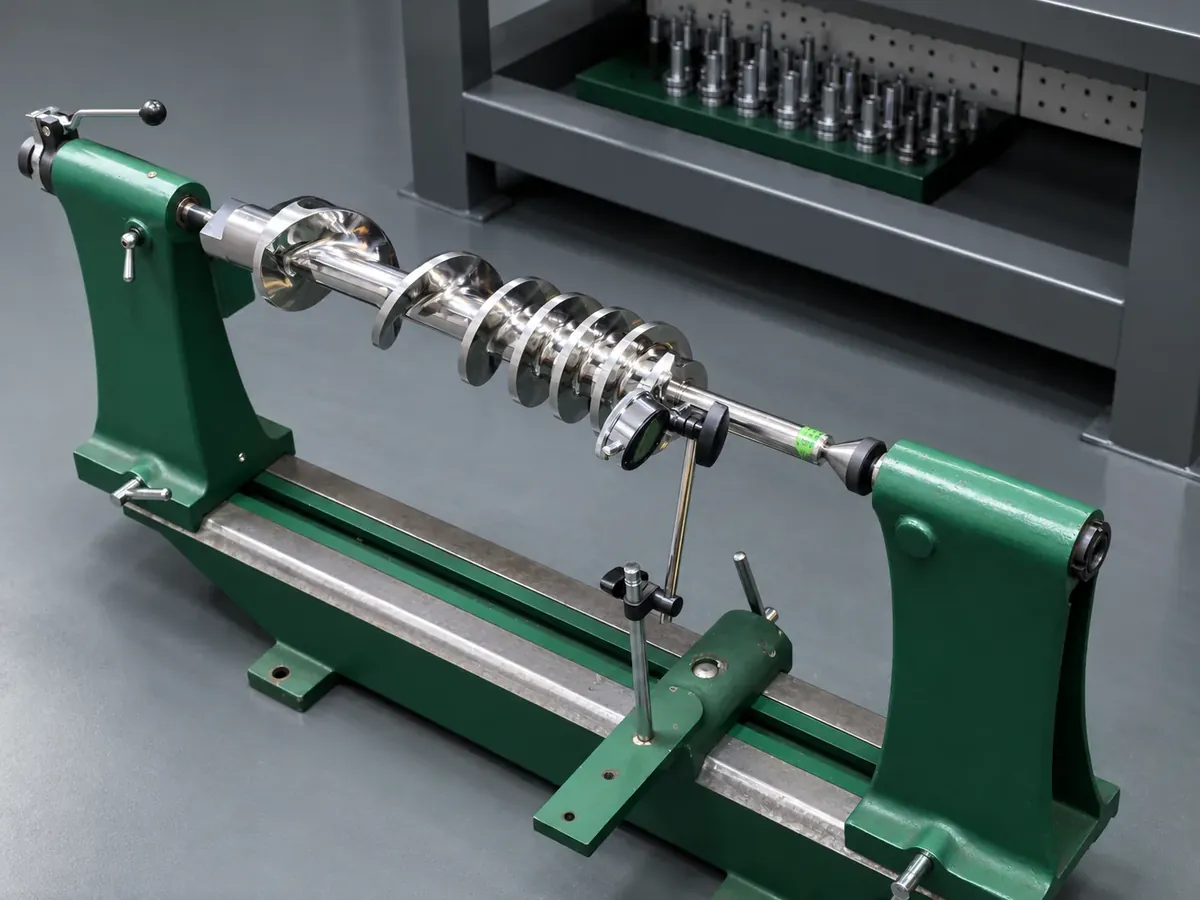
Assembled Machinery Components
Multi part stainless assemblies
View specifications
Precision Machined Structural Parts
Close tolerance stainless structures
View specificationsGrate Bars and Heat Resistant Assemblies — Frequently Asked Questions
Can you supply liners and side plates as well as bars?
Yes. Typical products in this group cover grate bars, heat resistant assemblies and liner type products in the 10 kg to 50 kg range.
What is the maximum working temperature?
For biomass and heat resistant castings the typical maximum working temperature is around 1050 °C to 1150 °C, depending on the material and the operating condition.
What do you need to prepare a quotation?
Drawings, material, quantity, quality standard and target delivery date.
Which inspection is included?
The inspection scope is agreed during drawing review. Rotors are annealed to 20-35 HRC before machining, then quenched at about 1020 °C to 59-63 HRC.
Get A Quotation For Grate Bars and Heat Resistant Assemblies
Send the drawing and the application. We will confirm the process route, the production base and the inspection scope before quoting.