
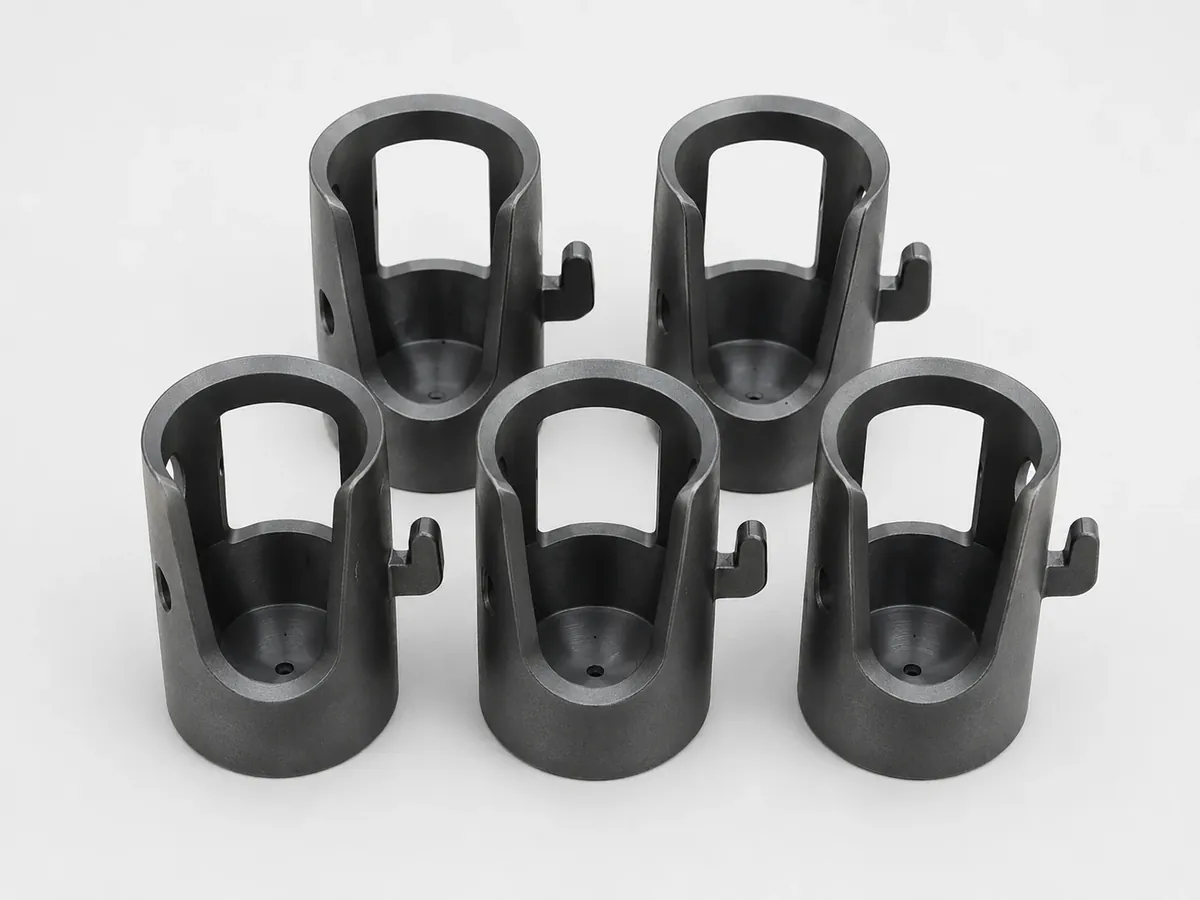
What This Part Is And Why It Is Made This Way
Lifting components carry responsibility as well as load, so the value is in consistency: every part in the batch must behave like the one that was tested. Precision casting keeps section geometry identical part to part.
Lifting and connection parts are produced in steel grades such as 20Mn5, 42CrMo4 and S355, with the quick-drying route covering 1 kg to 80 kg.
What You Get From This Route
Identical section geometry across a batch keeps load behaviour predictable.
Quick-drying investment route covers 1 kg to 80 kg in structural grades.
Grades including G20Mn5+N, S355, 42CrMo4 and S690QL available on this route.
Application Scenarios
- Lifting eyes and attachment points
- Rigging and link components
- Equipment connection hardware
- Load transferring structural connectors
Who It Is For
- Equipment builders specifying attachment points
- Buyers needing consistent structural castings
- Designers converting welded lugs into castings
Technical Features
- Quick-drying investment casting 1 kg - 80 kg
- Grades G20Mn5+N / S355 / 42CrMo4 / G26CrMo4+QT1 / S690QL / GE300
- Suitable for connectors, supports and functional structures
- CT5 - CT9 tolerance capability
What Buyers Run Into Without This Specification
- Welded lugs vary between fabricators and load ratings cannot be relied on.
- Machined connectors cost too much for the quantity required.
- Section geometry drifts between batches and testing has to be repeated.
Published Material Weight And Process Data
Figures below are the published capability for precision casting. Part specific values — tolerance on individual features, finish, packing — are confirmed at drawing review and marked TBC until then.
| Material | 1.4304 / 1.4308 / ASTM 8620 / 2Cr13 / 20Mn5 / 42CrMo4 / S355 |
|---|---|
| Weight Range | 0.01 kg - 300 kg |
| Process | Silica sol lost wax process |
| Tolerance Grade | CT5 - CT9 |
| Surface Roughness | Ra 3.2 - Ra 6.3 |
| Size Range | 2 mm - 2000 mm |
| Quick-Drying Route | 1 kg - 80 kg in G20Mn5+N / S355 / 42CrMo4 / G26CrMo4+QT1 / S690QL / GE300 |
| Part Specific Tolerance | TBC — confirmed against the customer drawing |
| Minimum Order Quantity | TBC — depends on the process route selected |
| Lead Time | TBC — confirmed with the production base at quotation |
How The Part Is Made And Checked
- Merged Scope — The precision casting scope now includes the former investment casting business, so one route covers both silica sol lost wax and quick-drying investment casting.
- Application Fit — Parts where appearance, assembly and dimensional consistency are demanding.
- Materials Covered — Carbon steel, low alloy steel, stainless steel and quenched and tempered grades.
Quality management is based on ISO 9001 and covers supplier management, raw material inspection, production process control and final inspection. Inspection results are archived and traceable.
Options And Alternatives
Parts are produced to the customer drawing rather than to a fixed catalogue item, so material grade, machining scope, surface treatment and packing are all specified per order. Machining, dimensional control, surface treatment and necessary pre-assembly can be added to the same supply route.
Where another process family would suit the part better — for example a forging in place of a casting for a shock loaded connector — that comparison is raised during drawing review rather than after tooling is committed.
How To Specify This Part
State the load case and the acceptance standard that applies to the connection. Where a part carries a rated load, agreeing the test and documentation requirement before production is far simpler than qualifying parts after they arrive.
- Send the drawing with material, quantity, quality standard and target delivery date.
- State the inspection class and the zones it applies to, rather than a general note.
- Confirm the packing requirement and the lifting equipment available at the destination.
Related Guides
Other Parts In This Range
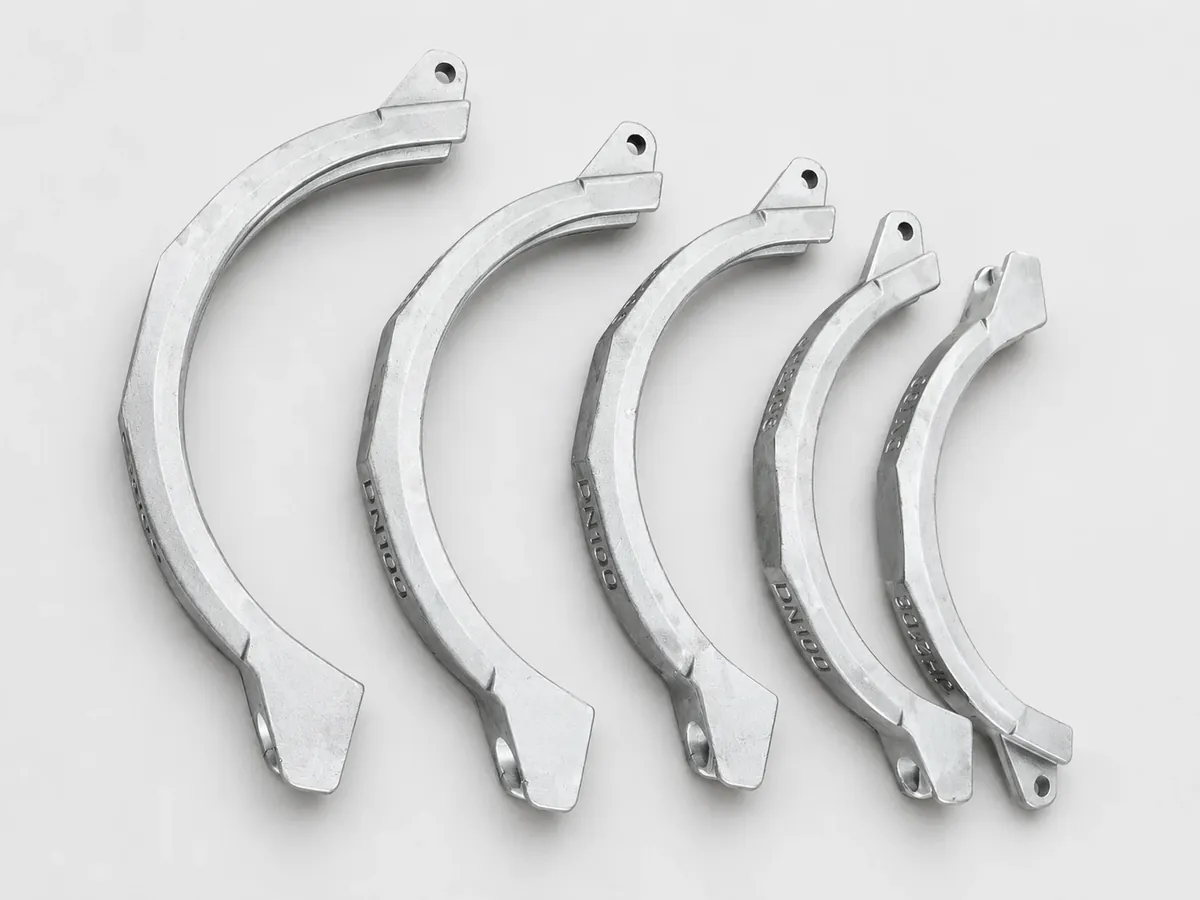
Thin Wall and Curved Components
Light sections and swept profiles
View specifications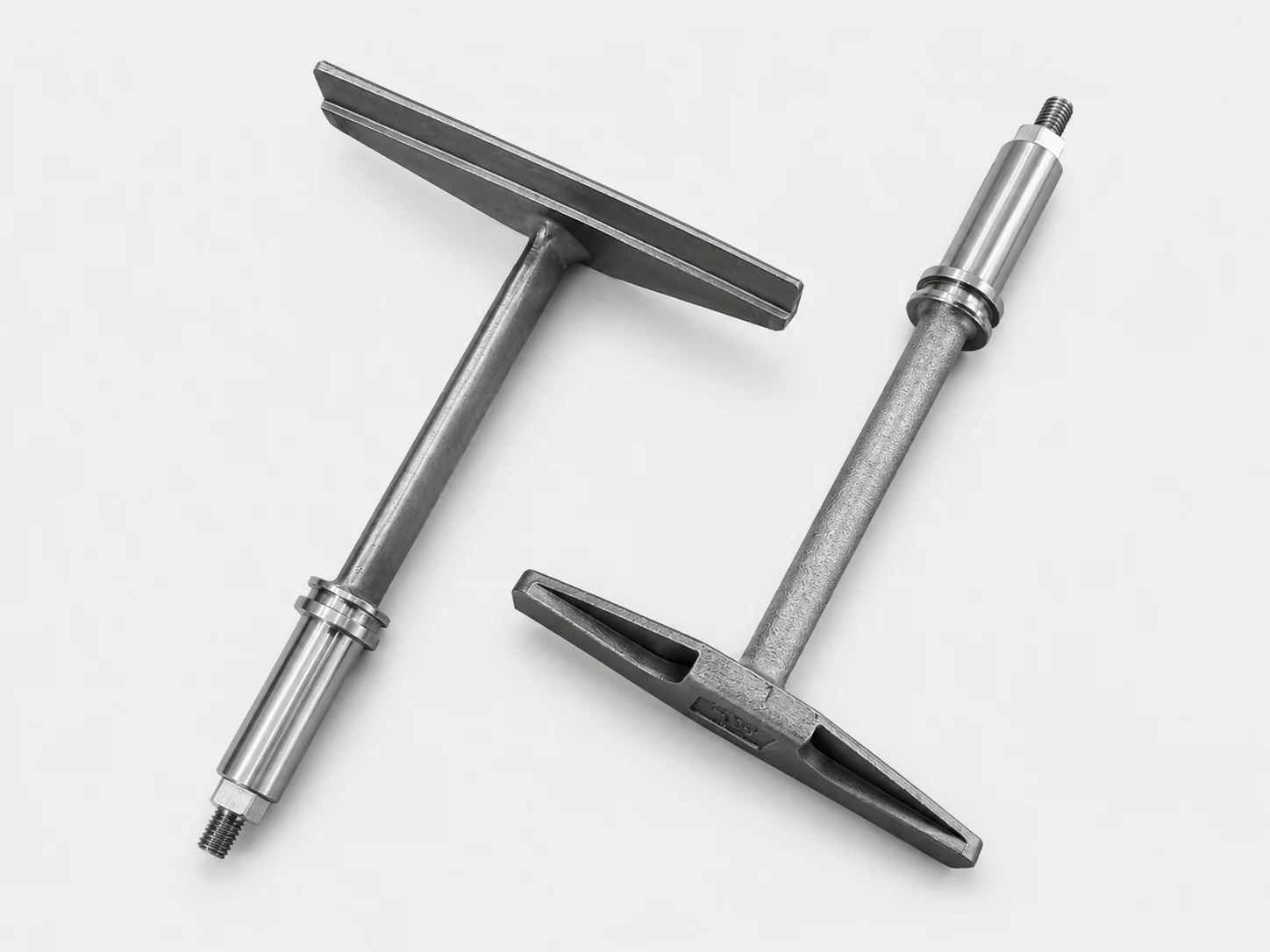
Shaft and Operating Components
Levers, spindles and actuating parts
View specifications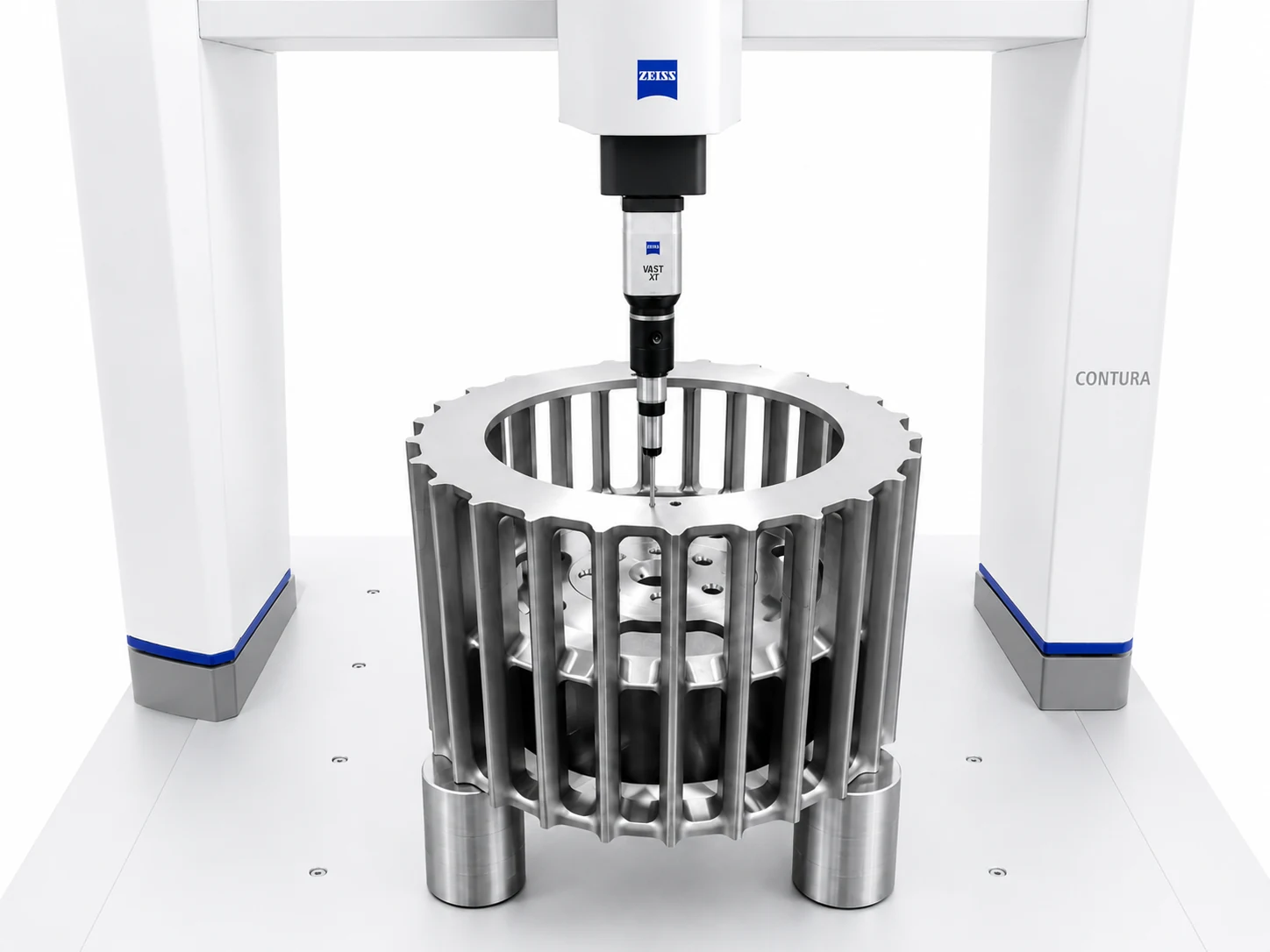
Inspection and Assembly Components
Parts qualified on the measuring machine
View specifications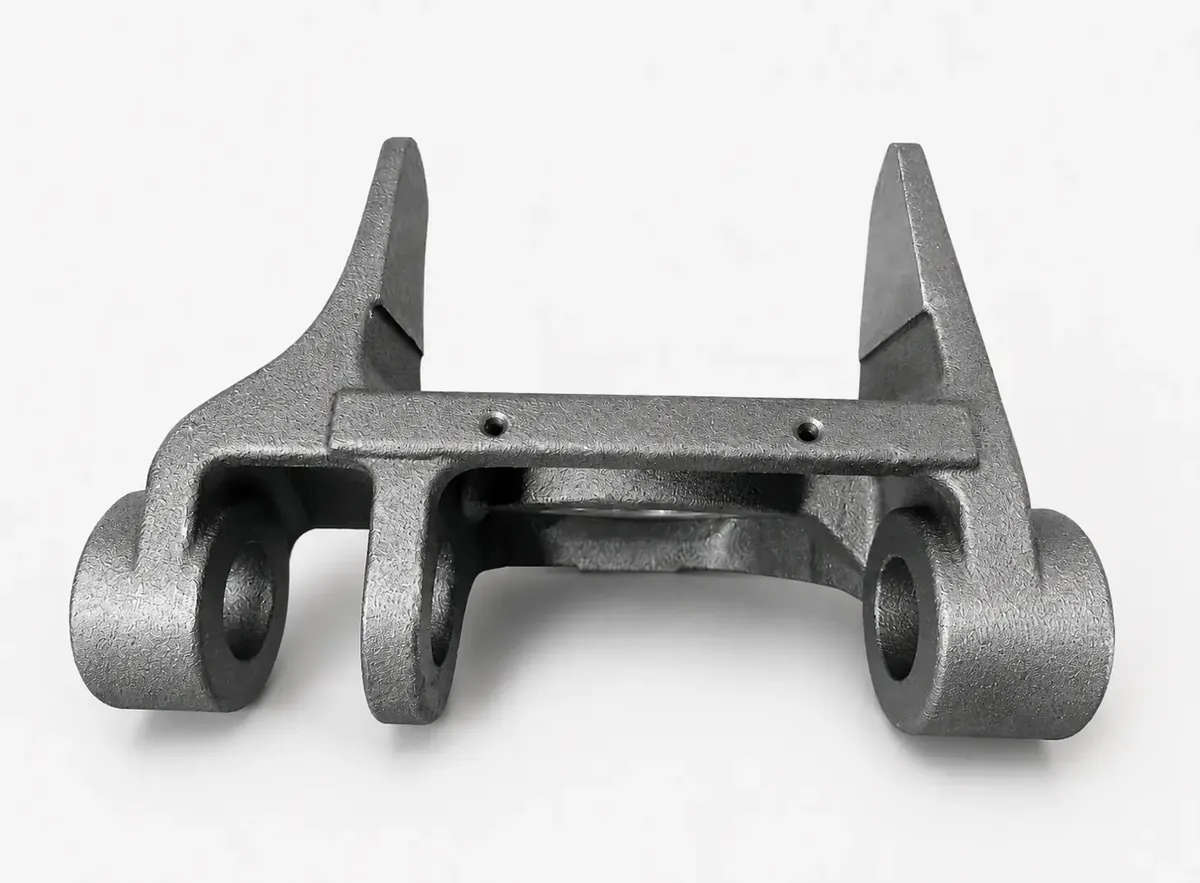
Connection and Support Structures
Bracket and support structures
View specificationsLifting and Connection Components — Frequently Asked Questions
Which grades suit structural connection parts?
The quick-drying investment casting route covers G20Mn5+N, S355, 42CrMo4, G26CrMo4+QT1, S690QL and GE300, suitable for connectors, supports and functional structural parts.
What weight range does this route cover?
Quick-drying investment casting covers 1 kg to 80 kg. The silica sol lost wax route covers 0.01 kg to 300 kg.
What do you need to prepare a quotation?
Drawings, material, quantity, quality standard and target delivery date.
Which inspection is included?
The inspection scope is agreed during drawing review. Carbon steel, low alloy steel, stainless steel and quenched and tempered grades.
Get A Quotation For Lifting and Connection Components
Send the drawing and the application. We will confirm the process route, the production base and the inspection scope before quoting.