
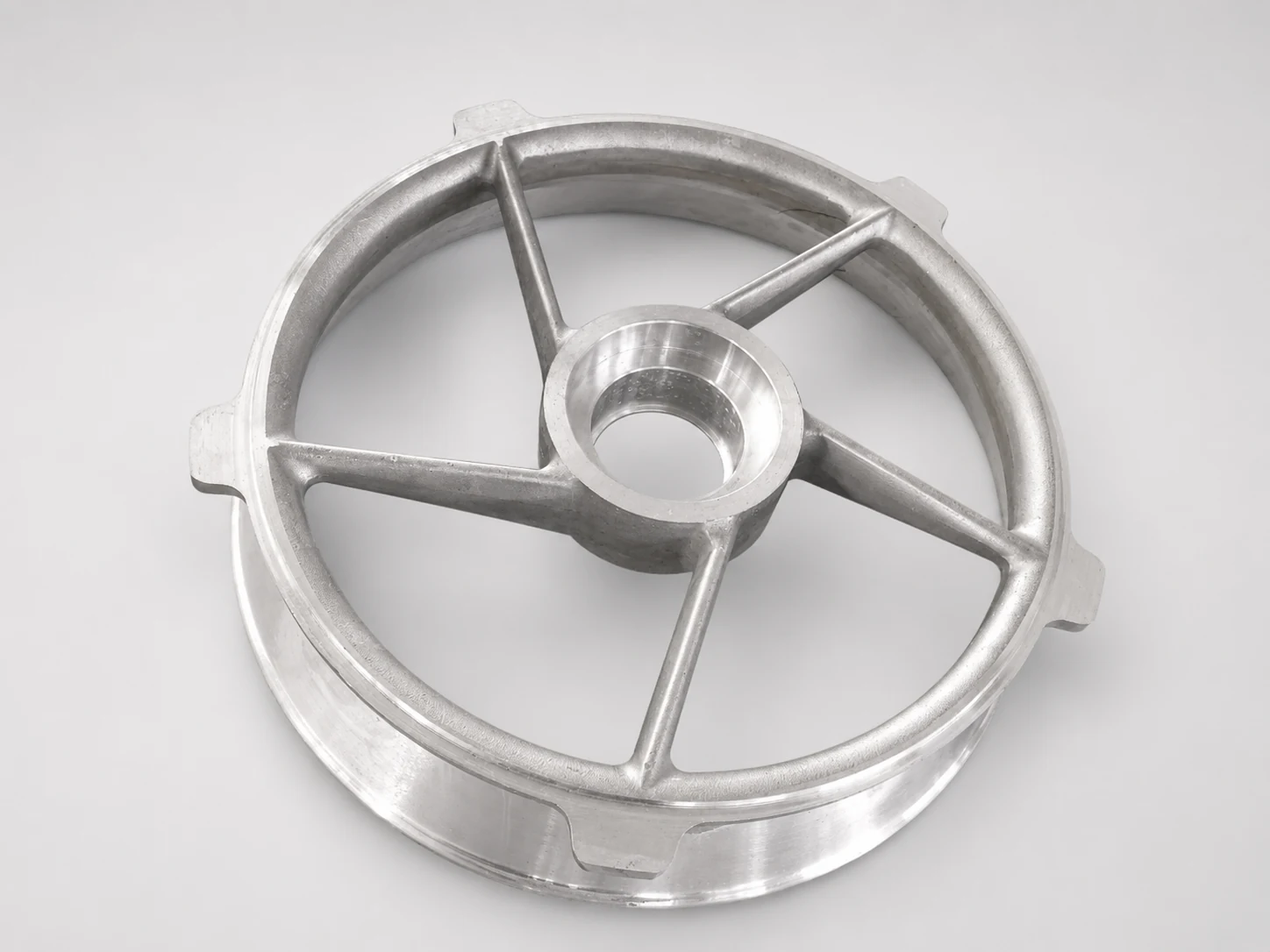
Wheel Discs and Rotating Components
Spoked discs and rotating aluminium parts
What This Part Is And Why It Is Made This Way
Rotating aluminium parts are chosen for low inertia, but the same low mass means any porosity or imbalance is felt immediately. Process control matters more here than in a static housing.
Wheel discs and rotating parts are cast by gravity, low pressure or high pressure routes and machined on the bore and mounting faces.
What You Get From This Route
Low pressure casting gives better integrity on rotating sections than high pressure.
X-ray screening available for internal defects and shrinkage risk.
Bore and mounting face machined to running accuracy.
Application Scenarios
- Fan and blower wheels
- Machine handwheels and pulleys
- Light rotating equipment discs
- Transport wheel components
Who It Is For
- Equipment builders reducing rotating inertia
- Fan and air handling manufacturers
- OEMs specifying balanced rotating parts
Technical Features
- Gravity, low pressure and high pressure die casting routes
- X-ray inspection for internal defects and shrinkage risk
- 3D scanning for complex contours
- Materials A356, AlSi10Mg, ADC12, A380
What Buyers Run Into Without This Specification
- Porosity in a spoke shows up as vibration at speed.
- The bore is machined from the wrong datum and the disc runs out.
- High pressure die casting is chosen for a part that needs integrity, not cycle time.
Published Material Weight And Process Data
Figures below are the published capability for aluminum alloy casting. Part specific values — tolerance on individual features, finish, packing — are confirmed at drawing review and marked TBC until then.
| Material | ADC12, A380, EN AC-42100 (A356), EN AC-43000 (AlSi10Mg), EN AC-46000, EN AC-46100 |
|---|---|
| Heat Treatment | F, T4, T6 |
| Process | Sand casting; gravity die casting; high pressure die casting; low pressure metal and sand die casting |
| Gravity Die Casting | 5-15 min per part; min wall 3 mm; CT7-CT8; Ra 6.3-12.5 μm; batch 500-20k pcs |
| High Pressure Die Casting | 15-60 sec per part; min wall 0.8 mm; CT4-CT6; Ra 3.2-6.3 μm; batch 1k-100k pcs |
| Low Pressure Die Casting | 3-8 min per part; min wall 2.5 mm; CT7-CT8; Ra 6.3-12.5 μm; batch 100-10k pcs |
| Sand and Low Pressure Sand | 2-48 hours per part; min wall 3-6 mm; CT10-CT11; Ra 12.5-25 μm; batch 1-1000 pcs |
| Part Specific Tolerance | TBC — confirmed against the customer drawing |
| Minimum Order Quantity | TBC — depends on the process route selected |
| Lead Time | TBC — confirmed with the production base at quotation |
How The Part Is Made And Checked
- Secondary Process — Machining and forming, welding, extrusion, forging and CNC machining.
- Surface Treatment — Painting, coating and anodising.
- Quality Inspection — X-ray for internal defects, 3D scanning for complex surfaces, spectrum analysis for composition, pressure testing for housings, CMM for critical dimensions and film thickness for coatings.
Quality management is based on ISO 9001 and covers supplier management, raw material inspection, production process control and final inspection. Inspection results are archived and traceable.
Options And Alternatives
Parts are produced to the customer drawing rather than to a fixed catalogue item, so material grade, machining scope, surface treatment and packing are all specified per order. Machining, dimensional control, surface treatment and necessary pre-assembly can be added to the same supply route.
Where another process family would suit the part better — for example a forging in place of a casting for a shock loaded connector — that comparison is raised during drawing review rather than after tooling is committed.
How To Specify This Part
State the operating speed and whether the part is balanced after machining. Rotating duty usually points away from high pressure die casting towards gravity or low pressure routes, because integrity matters more than cycle time.
- Send the drawing with material, quantity, quality standard and target delivery date.
- State the inspection class and the zones it applies to, rather than a general note.
- Confirm the packing requirement and the lifting equipment available at the destination.
Related Guides
Other Parts In This Range
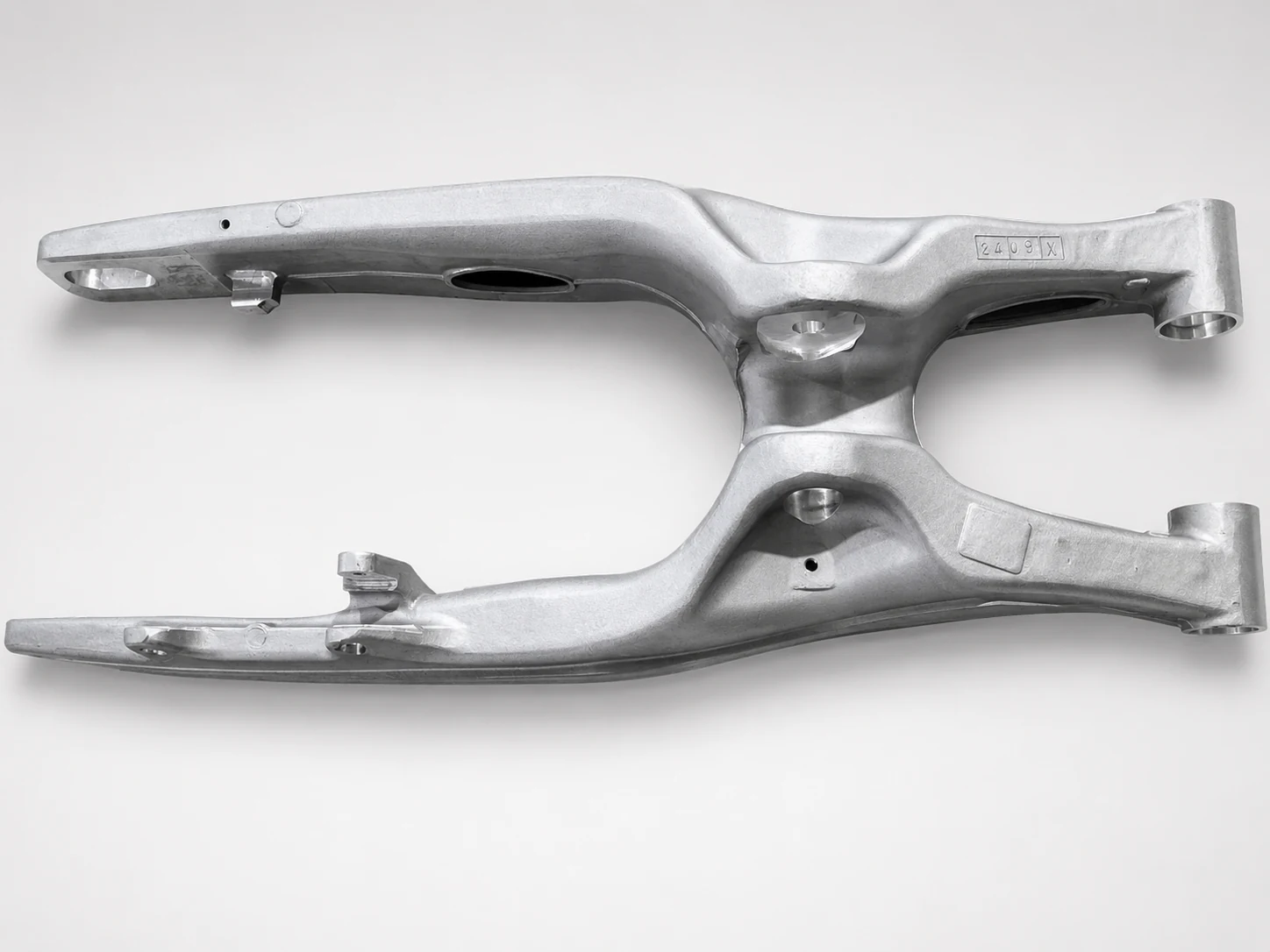
Lightweight Structural Components
Weight reduction without losing section strength
View specifications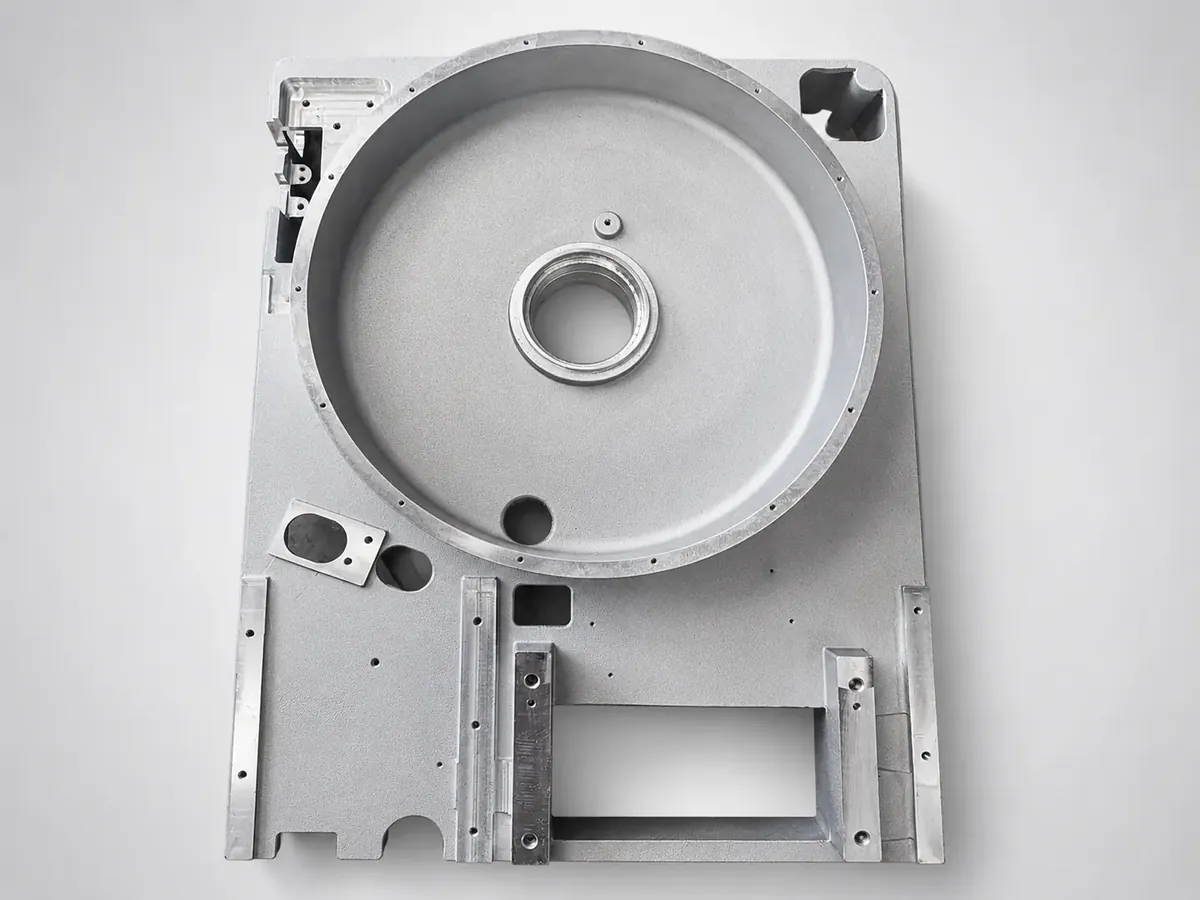
Aluminum Housing Components
Enclosures, covers and pressure tight housings
View specifications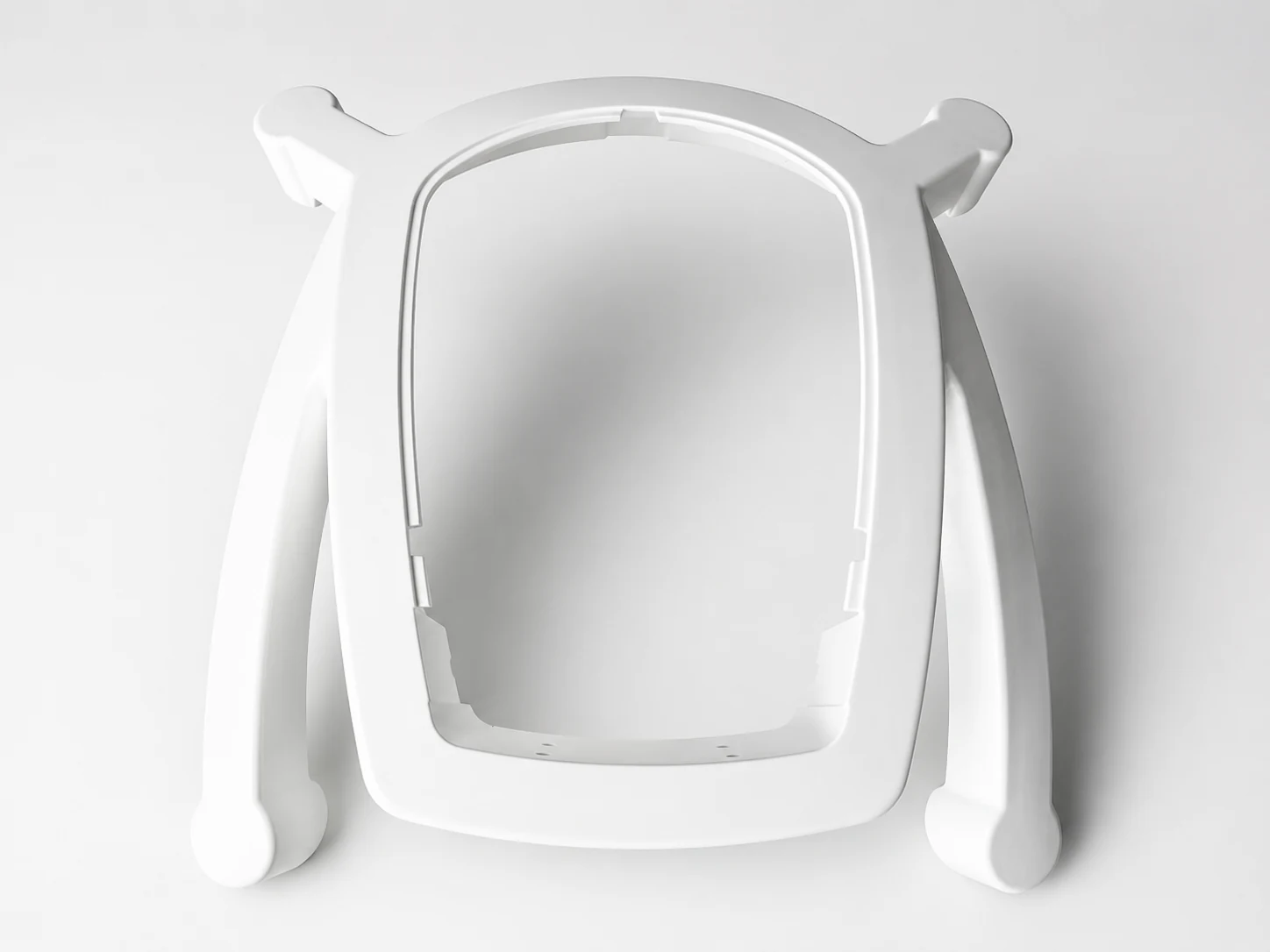
Frames and Appearance Components
Visible frames and finished surfaces
View specifications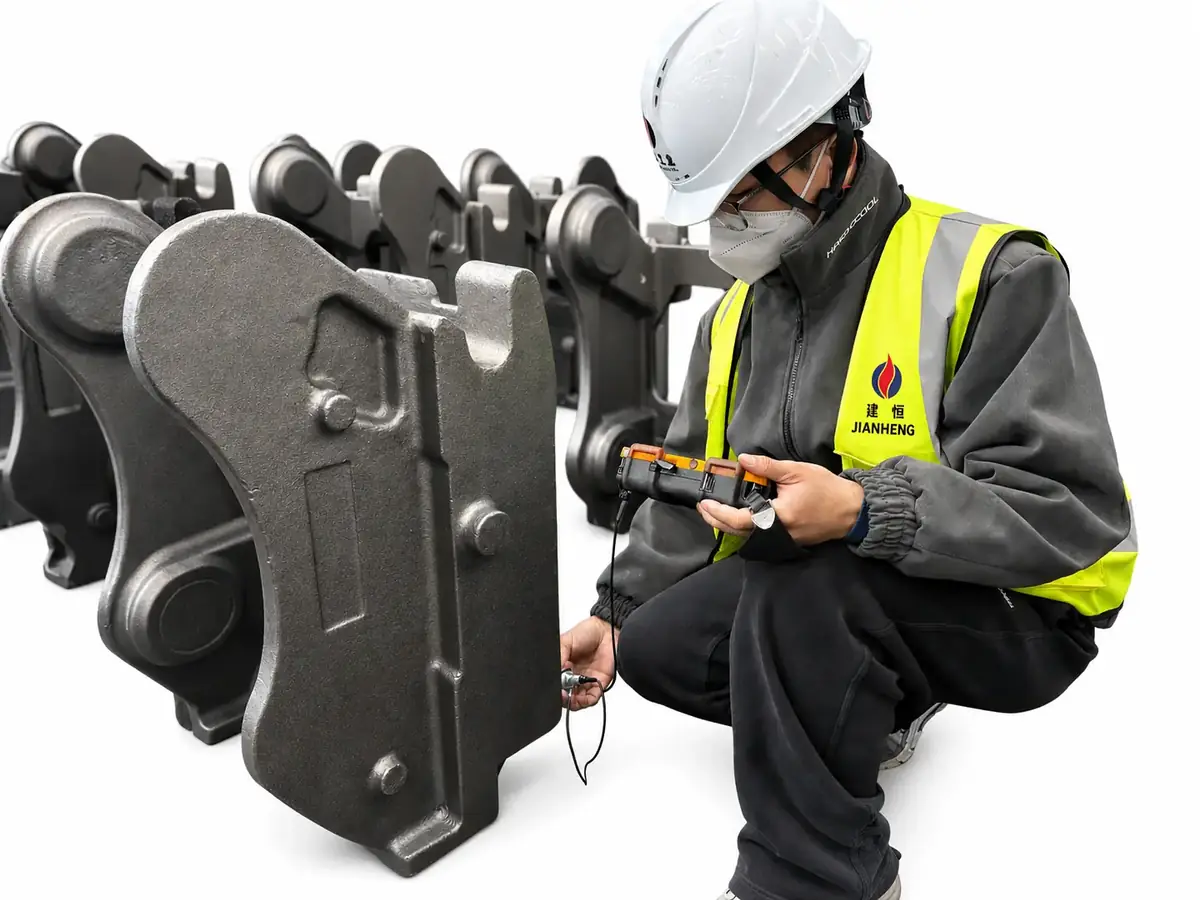
Large Steel Structural Castings
Load bearing steel castings up to 20 tonnes
View specificationsWheel Discs and Rotating Components — Frequently Asked Questions
Which process gives the best integrity for rotating parts?
Low pressure metal die casting is normally proposed where sealing performance and strength requirements are higher, with gravity die casting as the balanced option for medium batches.
Can internal defects be screened?
Yes. X-ray is used for internal defects and shrinkage risk inspection in the aluminium alloy business.
What do you need to prepare a quotation?
Drawings, material, quantity, quality standard and target delivery date.
Which inspection is included?
The inspection scope is agreed during drawing review. X-ray for internal defects, 3D scanning for complex surfaces, spectrum analysis for composition, pressure testing for housings, CMM for critical dimensions and film thickness for coatings.
Get A Quotation For Wheel Discs and Rotating Components
Send the drawing and the application. We will confirm the process route, the production base and the inspection scope before quoting.