What This Part Is And Why It Is Made This Way
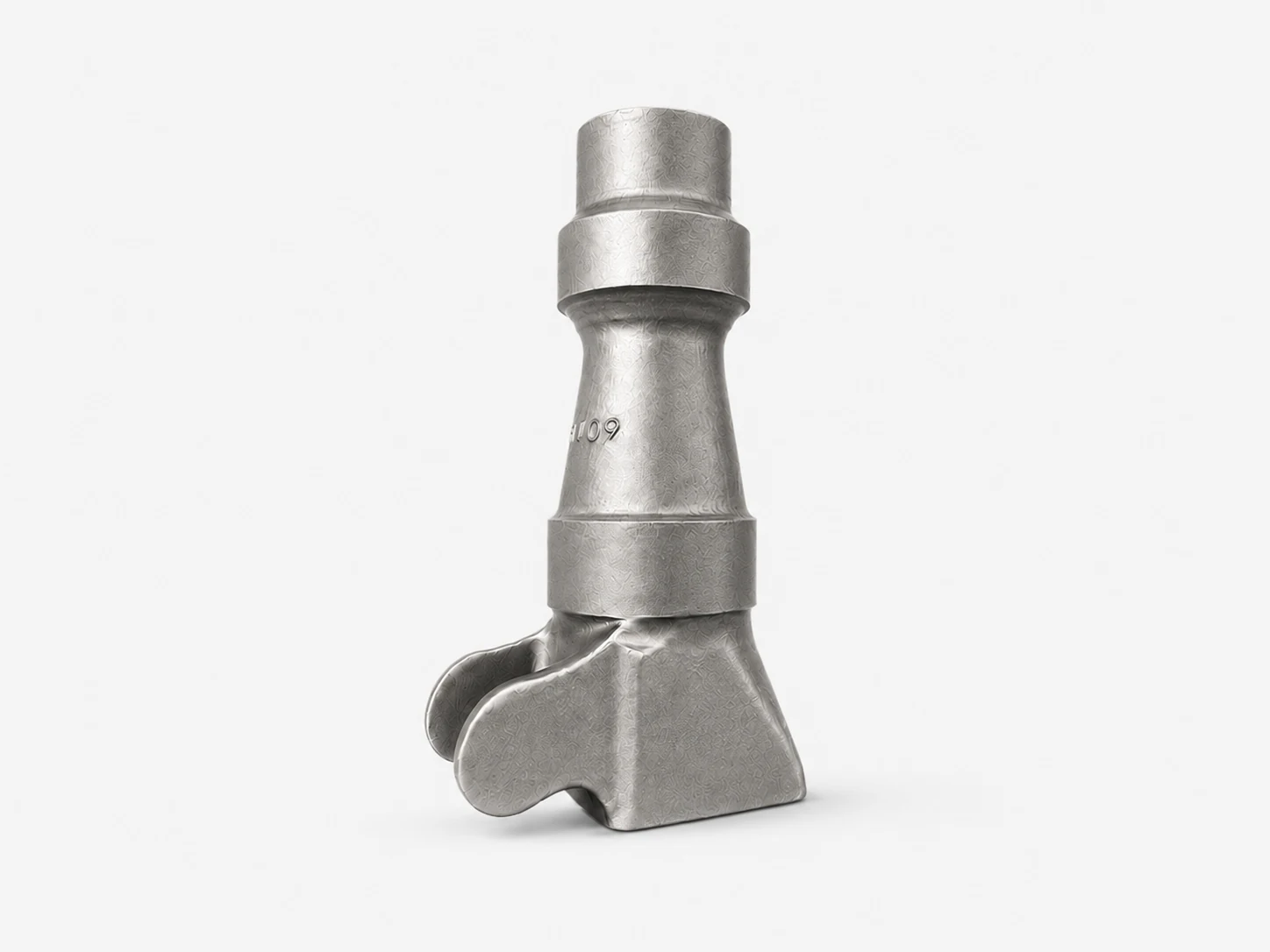
A shaft transmits torque through its weakest section, so the direction of the metal flow matters as much as the alloy. Forging produces a continuous grain flow along the axis, which is why drive shafts are forged rather than cast or cut from plate.
Shafts are produced by open die and closed die forging in carbon and alloy steel, then heat treated and machined to the drawing.
What You Get From This Route
Continuous grain flow raises fatigue strength compared with a machined bar of the same grade.
Open die forging avoids die cost on low volume or large diameter shafts.
UT inspection along the axis detects centreline defects before machining is paid for.
Application Scenarios
- Gearbox input and output shafts
- Mining equipment drive shafts
- Pump and compressor shafts
- Construction machinery transmission shafts
Who It Is For
- Gearbox and drive manufacturers
- Equipment builders replacing a failing machined bar shaft
- Service companies producing spare shafts for installed machines
Technical Features
- Open die and closed die forging
- Carbon and alloy steel grades including 42CrMo4 and AISI 4140
- Weight range 50 kg to 50 tonnes across the forging business
- UT inspection available
What Buyers Run Into Without This Specification
- A shaft machined from bar fails in fatigue at the diameter change.
- Centreline segregation is discovered only after finish machining.
- Low volumes make closed die tooling impossible to justify.
Published Material Weight And Process Data
Figures below are the published capability for steel castings and forgings. Part specific values — tolerance on individual features, finish, packing — are confirmed at drawing review and marked TBC until then.
| Material | 42CrMo4, G20Mn5, G26CrMo4, G18NiMoCr3-6, G22CrNi2Mo5-6, AISI 4340, AISI 4140, AISI 4325 and similar grades |
|---|---|
| Weight Range | Steel casting 50 kg - 20 T; forging 50 kg - 50 T |
| Process | Sand casting; shell moulding; open-die and closed-die forging; roll forging |
| Melting | High automation production lines with EAF + LF + VD / AOD melting routes |
| Tolerance | Zero draft sand casting to CT9 on automated heat treatment lines |
| Inspection | NDT with certified operators, single part certificates and quality document traceability |
| Part Specific Tolerance | TBC — confirmed against the customer drawing |
| Minimum Order Quantity | TBC — depends on the process route selected |
| Lead Time | TBC — confirmed with the production base at quotation |
How The Part Is Made And Checked
- Production — Highly automated production lines with EAF + LF + VD / AOD melting equipment.
- Quality — Certified NDT capability, supporting per-part certificates and traceable quality documents.
- Process Control — Automated heat treatment lines; zero draft sand casting reaches CT9.
Quality management is based on ISO 9001 and covers supplier management, raw material inspection, production process control and final inspection. Inspection results are archived and traceable.
Options And Alternatives
Parts are produced to the customer drawing rather than to a fixed catalogue item, so material grade, machining scope, surface treatment and packing are all specified per order. Machining, dimensional control, surface treatment and necessary pre-assembly can be added to the same supply route.
Where another process family would suit the part better — for example a forging in place of a casting for a shock loaded connector — that comparison is raised during drawing review rather than after tooling is committed.
How To Specify This Part
Give the finished drawing and say which diameters are critical. For low volumes open die forging plus machining usually beats a closed die, and the decision point is whether the quantity will ever repeat — tooling only pays back over repeat orders.
- Send the drawing with material, quantity, quality standard and target delivery date.
- State the inspection class and the zones it applies to, rather than a general note.
- Confirm the packing requirement and the lifting equipment available at the destination.
Related Guides
Other Parts In This Range
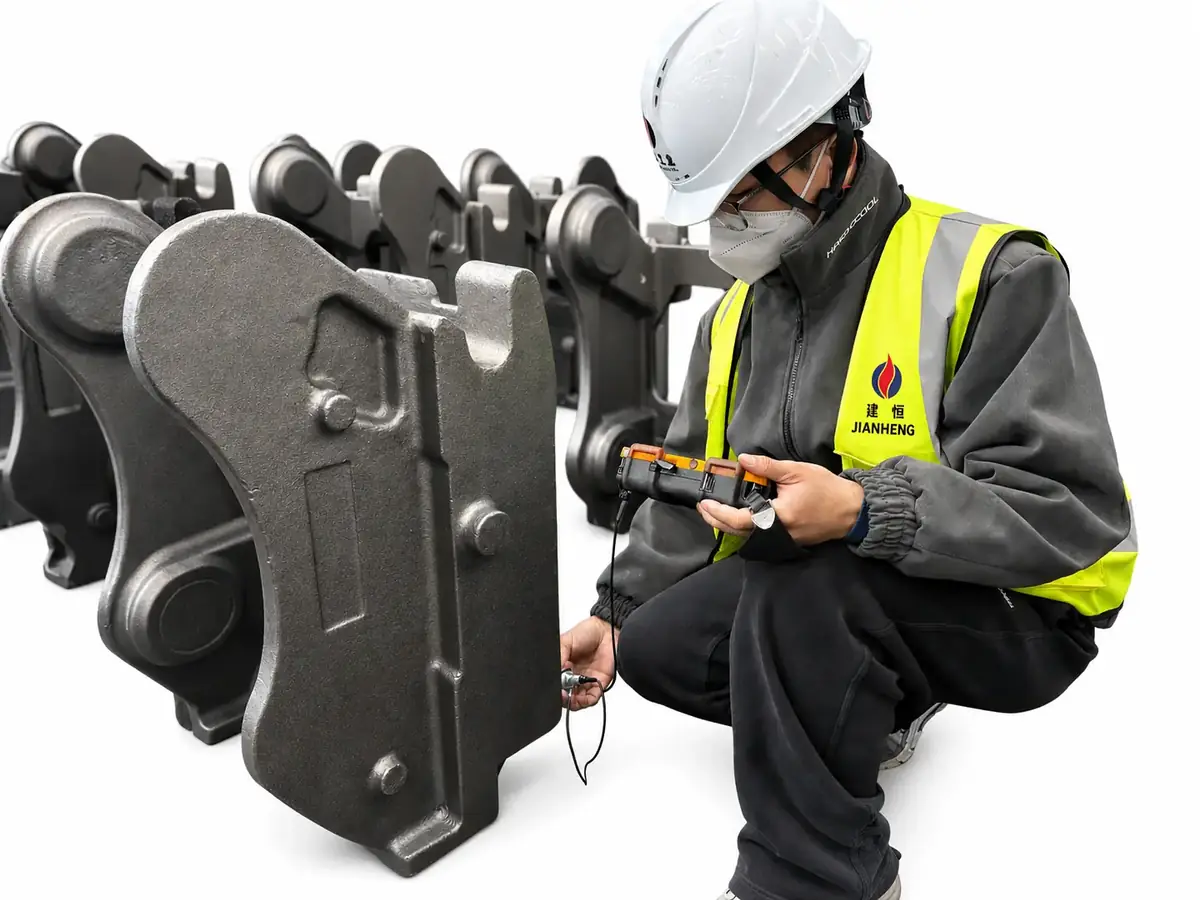
Large Steel Structural Castings
Load bearing steel castings up to 20 tonnes
View specifications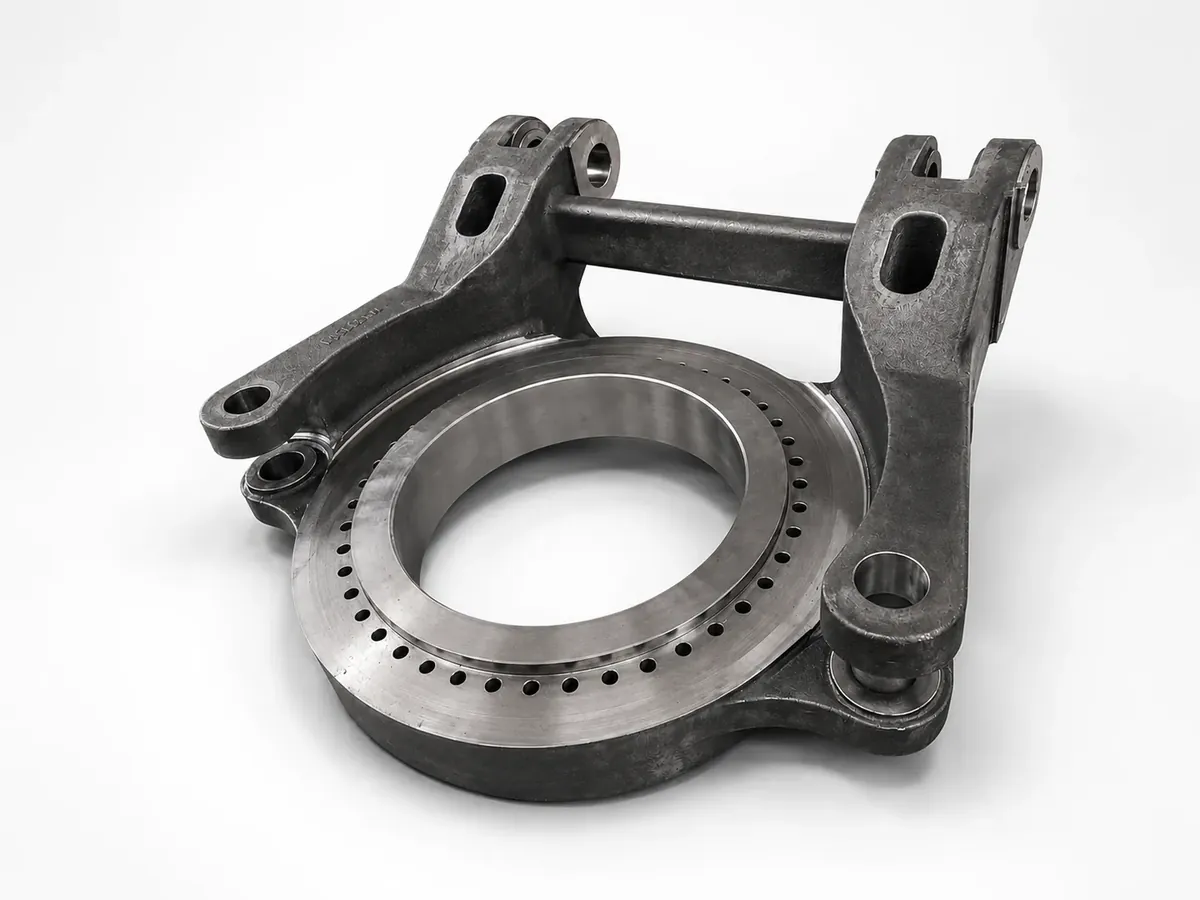
Slewing Support Structural Castings
Rotating support bodies with machined bearing seats
View specifications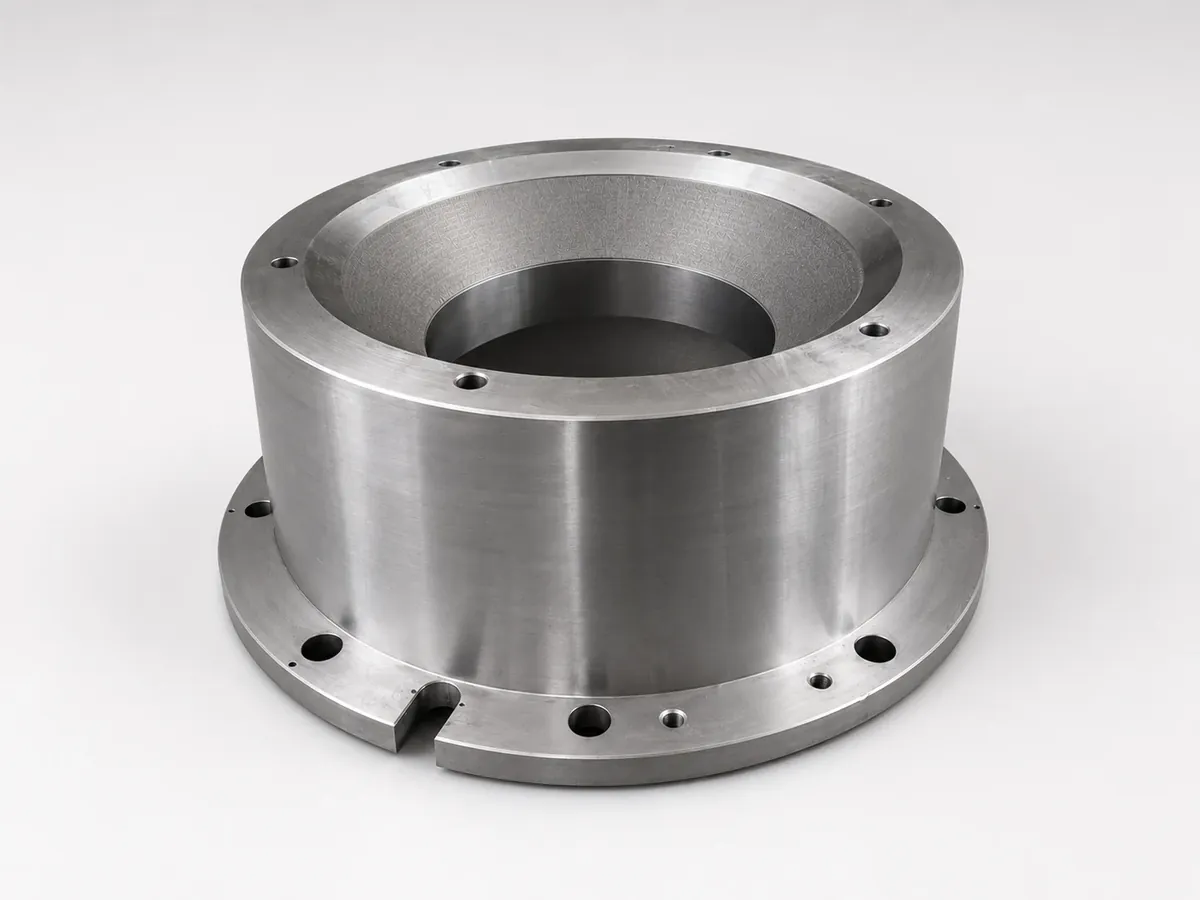
Flanges and Sleeve Components
Connection flanges and sleeve bodies
View specifications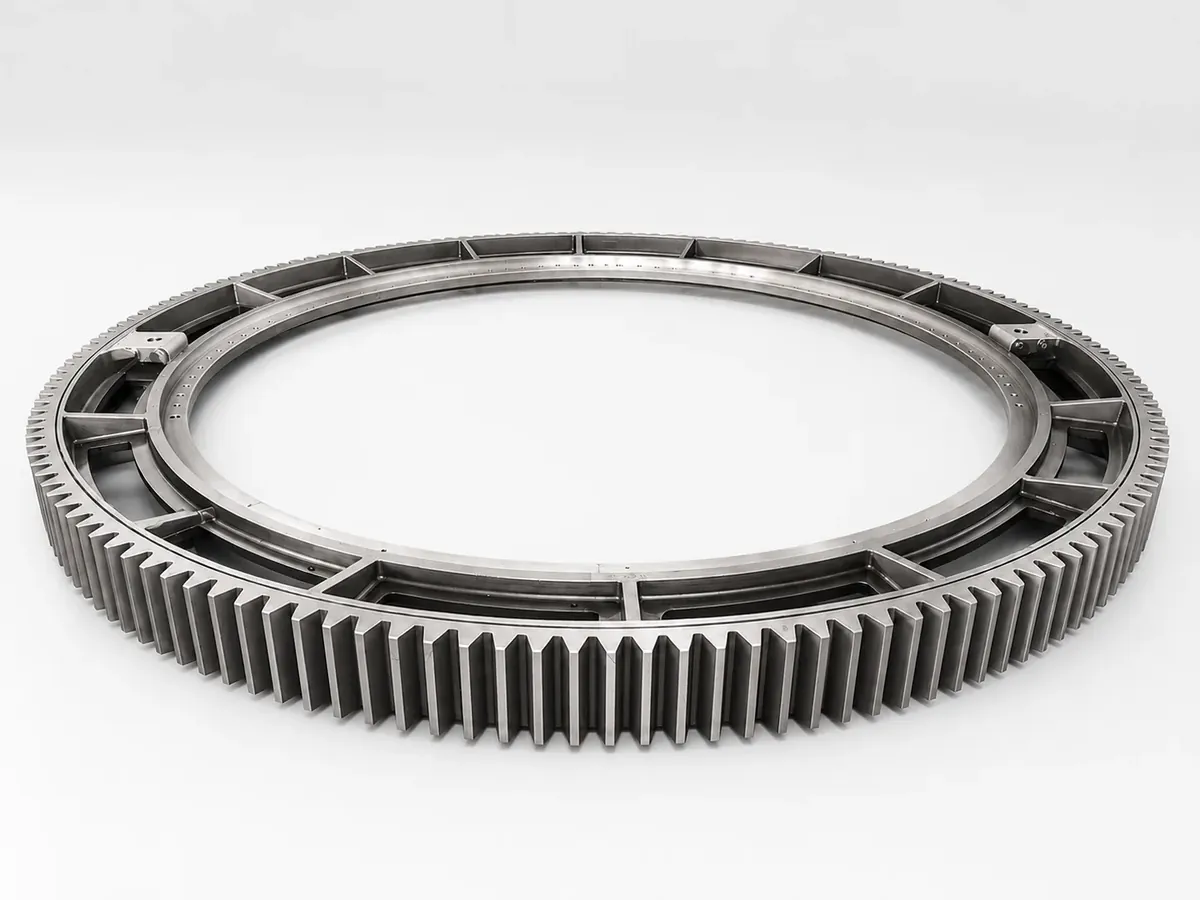
Large Gear Rings
Cast and forged ring gears for heavy drives
View specificationsForged Shafts — Frequently Asked Questions
Can you forge a shaft without tooling cost?
Yes. Open die forging needs no die, has a short development cycle and suits large or low volume shafts. Closed die forging is proposed when the quantity justifies the tooling.
What weight range is possible for forged parts?
The forging scope in this business covers 50 kg to 50 tonnes. Smaller precision forgings from 0.2 kg are handled in the precision forging business.
What do you need to prepare a quotation?
Drawings, material, quantity, quality standard and target delivery date.
Which inspection is included?
The inspection scope is agreed during drawing review. Automated heat treatment lines; zero draft sand casting reaches CT9.
Get A Quotation For Forged Shafts
Send the drawing and the application. We will confirm the process route, the production base and the inspection scope before quoting.