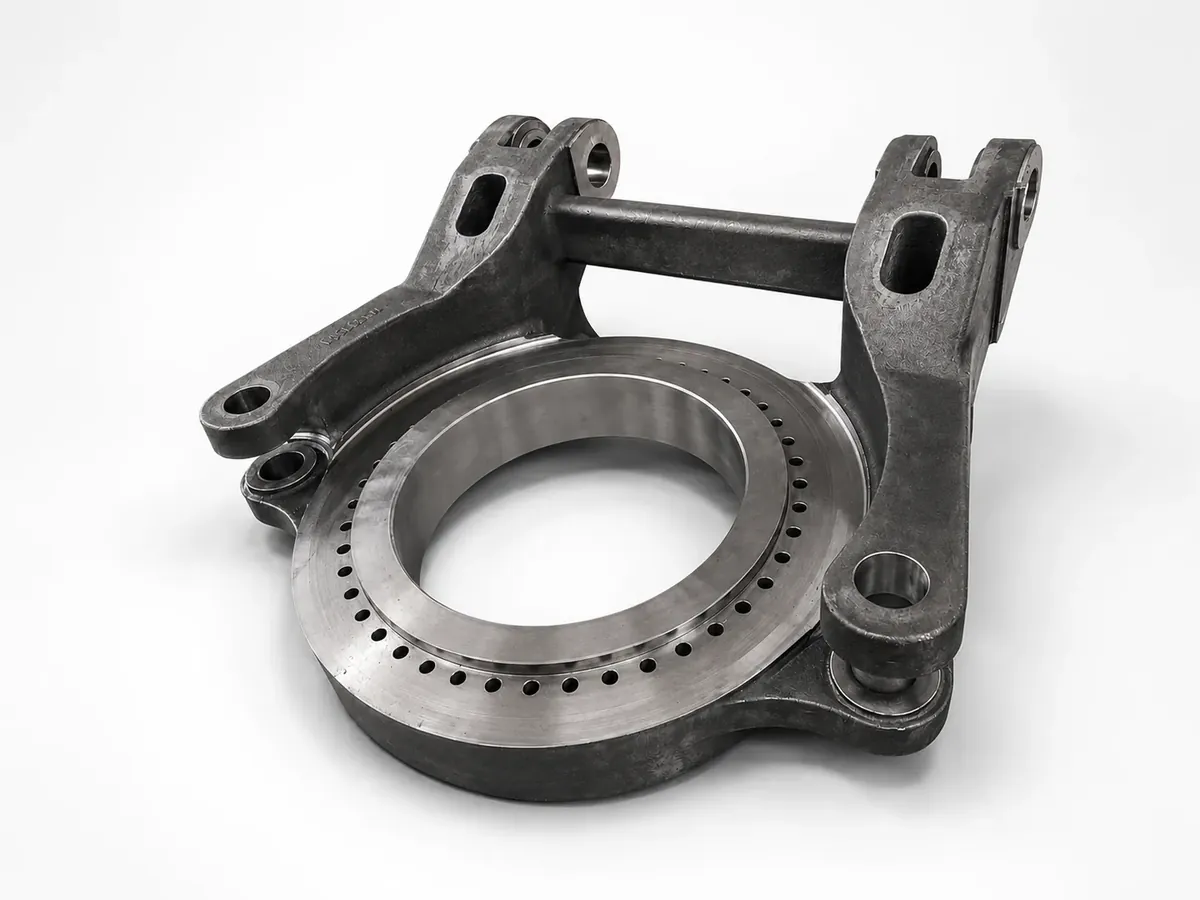
Slewing Support Structural Castings
Rotating support bodies with machined bearing seats
What This Part Is And Why It Is Made This Way
A slewing support casting has to do two jobs at once: carry the load of the upper structure and hold a bearing seat concentric enough for the slewing ring to turn freely. That combination of heavy section and machined precision is what makes the part difficult.
These castings are produced in alloy steel grades, heat treated on an automated line and then machined for the bearing seat and bolt circle.
What You Get From This Route
Bearing seat and bolt pattern machined on the same setup to hold concentricity.
Alloy steel grades such as 42CrMo4 give strength without an oversized section.
Heat treatment is planned with the casting, not bought separately afterwards.
Application Scenarios
- Excavator and crane slewing assemblies
- Mining shovel upper structures
- Material handling equipment turntables
- Heavy lifting platform supports
Who It Is For
- Crane and excavator manufacturers
- Slewing bearing integrators
- Rebuilders replacing worn support structures
Technical Features
- Alloy steel casting with machined bearing seat
- Automated heat treatment line
- Sand casting or shell moulding depending on batch
- Dimensional inspection of bore and bolt circle
What Buyers Run Into Without This Specification
- The bearing seat distorts after heat treatment and the ring binds.
- Bolt hole positions drift between batches and assembly slows down.
- The supplier quotes the casting but not the machining, so the buyer carries the risk.
Published Material Weight And Process Data
Figures below are the published capability for steel castings and forgings. Part specific values — tolerance on individual features, finish, packing — are confirmed at drawing review and marked TBC until then.
| Material | 42CrMo4, G20Mn5, G26CrMo4, G18NiMoCr3-6, G22CrNi2Mo5-6, AISI 4340, AISI 4140, AISI 4325 and similar grades |
|---|---|
| Weight Range | Steel casting 50 kg - 20 T; forging 50 kg - 50 T |
| Process | Sand casting; shell moulding; open-die and closed-die forging; roll forging |
| Melting | High automation production lines with EAF + LF + VD / AOD melting routes |
| Tolerance | Zero draft sand casting to CT9 on automated heat treatment lines |
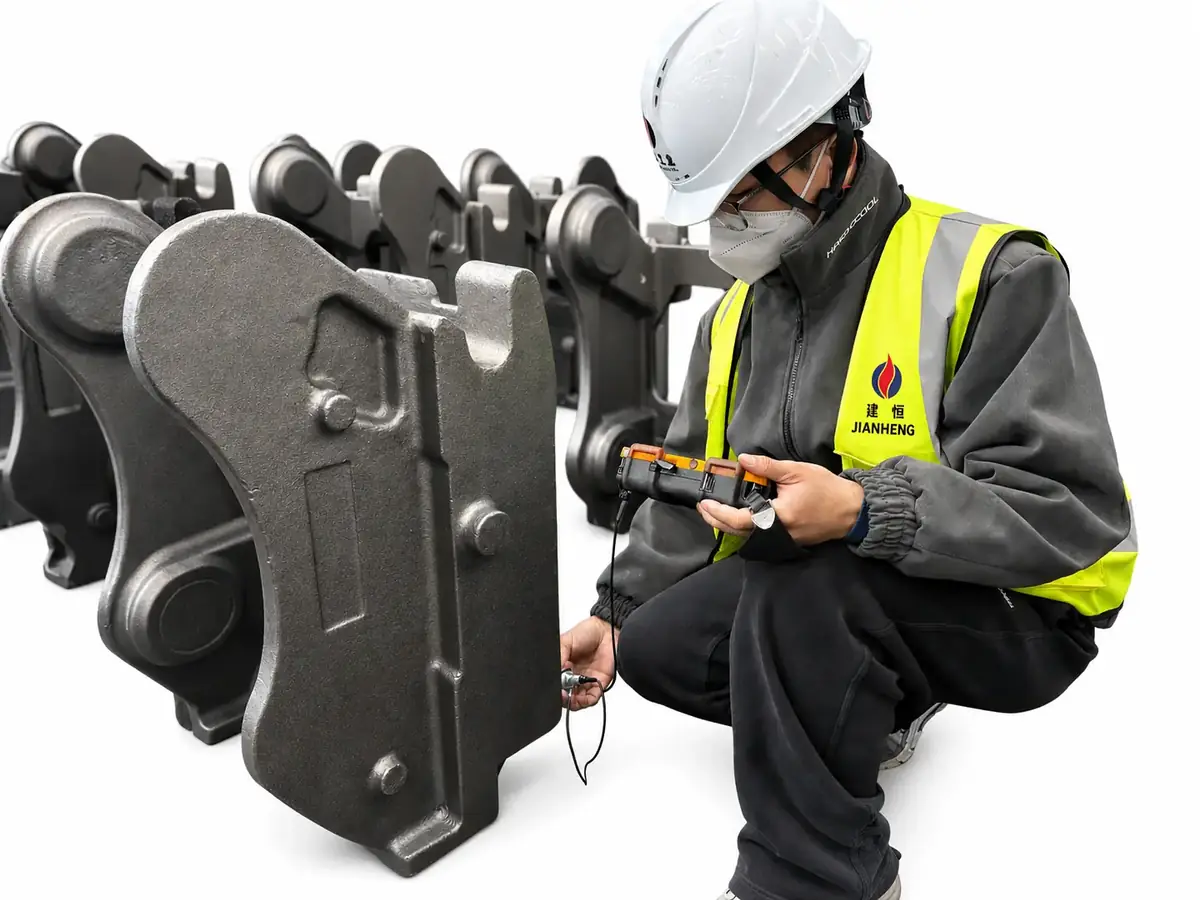
| Inspection | NDT with certified operators, single part certificates and quality document traceability |
| Part Specific Tolerance | TBC — confirmed against the customer drawing |
| Minimum Order Quantity | TBC — depends on the process route selected |
| Lead Time | TBC — confirmed with the production base at quotation |
How The Part Is Made And Checked
- Production — Highly automated production lines with EAF + LF + VD / AOD melting equipment.
- Quality — Certified NDT capability, supporting per-part certificates and traceable quality documents.
- Process Control — Automated heat treatment lines; zero draft sand casting reaches CT9.
Quality management is based on ISO 9001 and covers supplier management, raw material inspection, production process control and final inspection. Inspection results are archived and traceable.
Options And Alternatives
Parts are produced to the customer drawing rather than to a fixed catalogue item, so material grade, machining scope, surface treatment and packing are all specified per order. Machining, dimensional control, surface treatment and necessary pre-assembly can be added to the same supply route.
Where another process family would suit the part better — for example a forging in place of a casting for a shock loaded connector — that comparison is raised during drawing review rather than after tooling is committed.
How To Specify This Part
State the slewing bearing model and the mounting face requirements on the enquiry. Concentricity and flatness of the mounting face usually decide the machining sequence, and it is far cheaper to plan the heat treatment before machining than to straighten a distorted seat afterwards.
- Send the drawing with material, quantity, quality standard and target delivery date.
- State the inspection class and the zones it applies to, rather than a general note.
- Confirm the packing requirement and the lifting equipment available at the destination.
Related Guides
Other Parts In This Range
Large Steel Structural Castings
Load bearing steel castings up to 20 tonnes
View specifications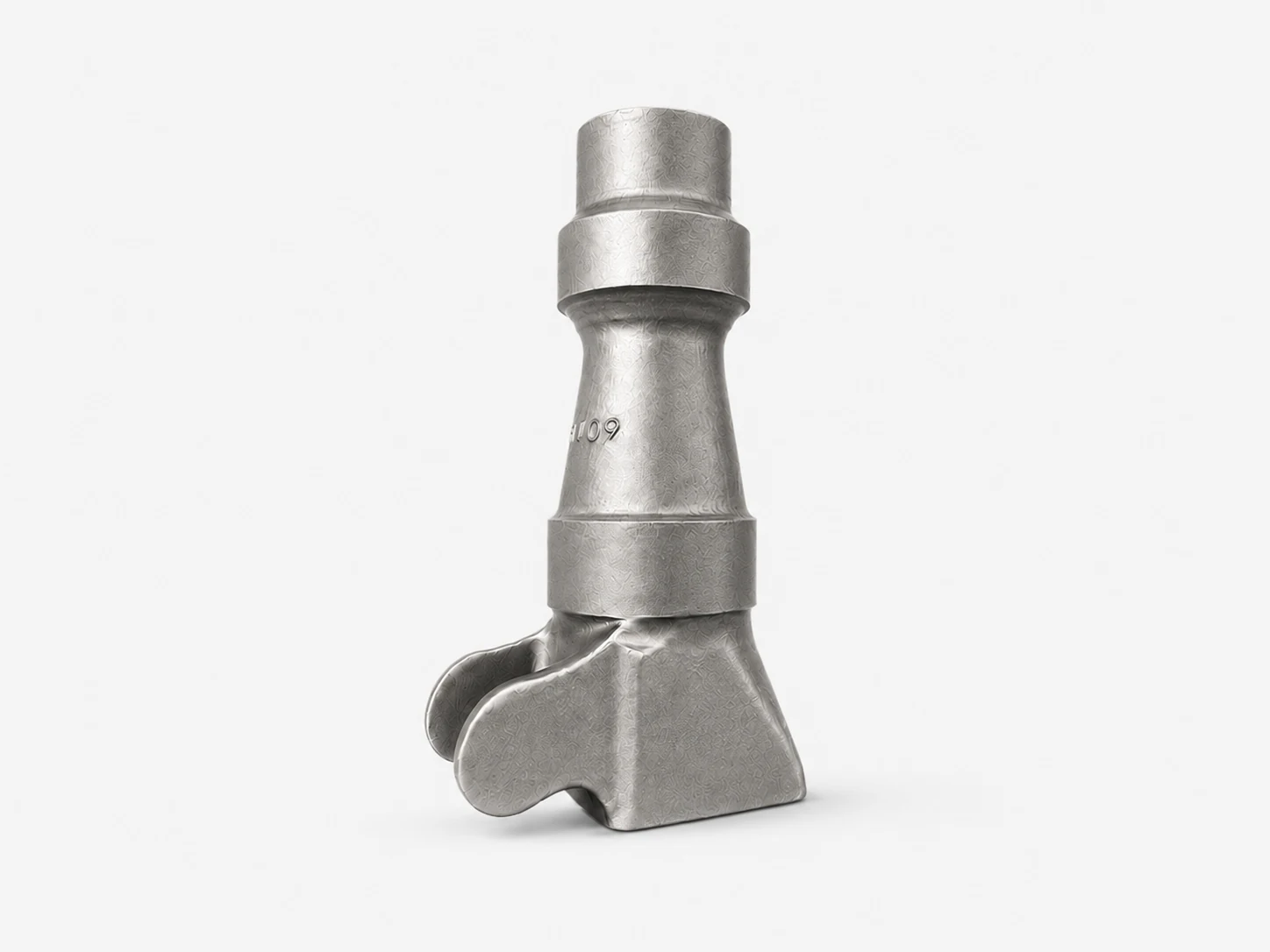
Forged Shafts
Stepped shafts with continuous grain flow
View specifications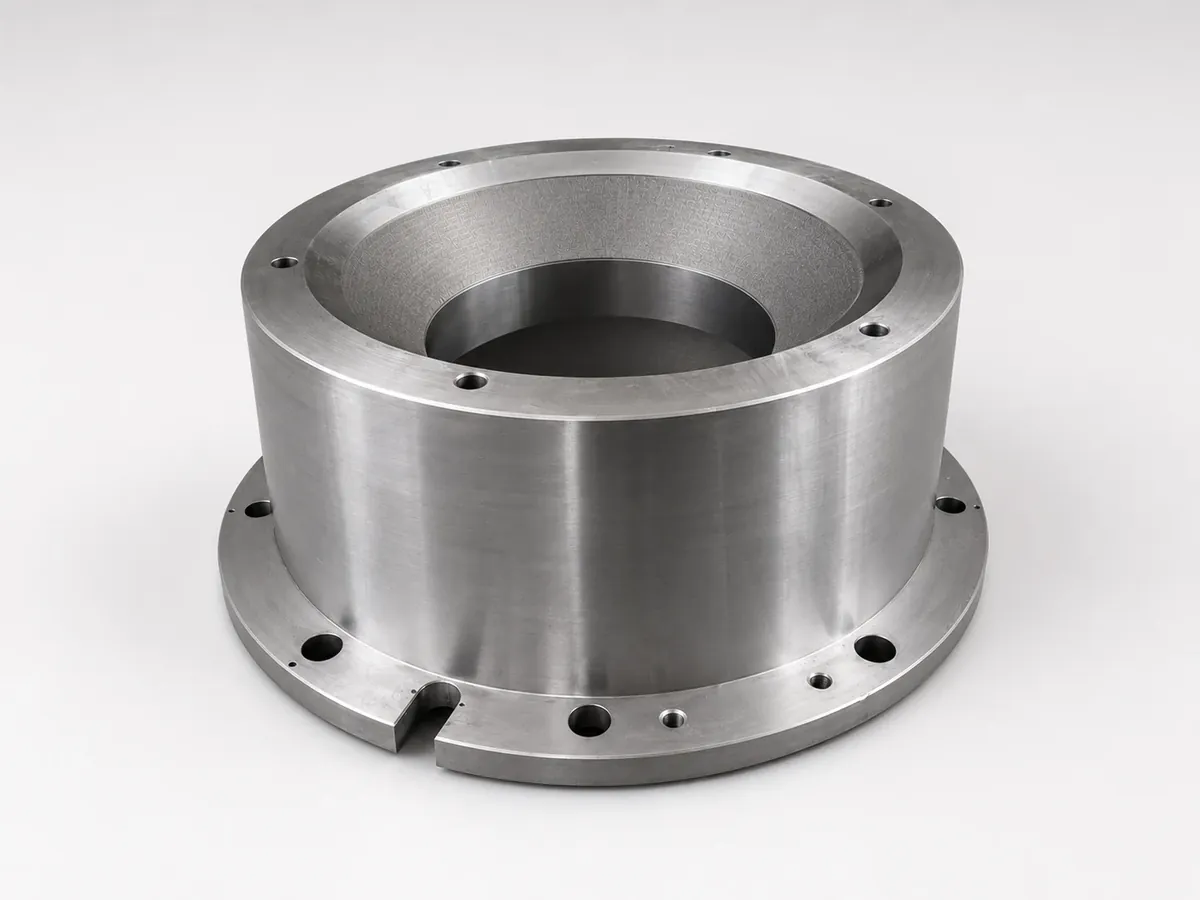
Flanges and Sleeve Components
Connection flanges and sleeve bodies
View specifications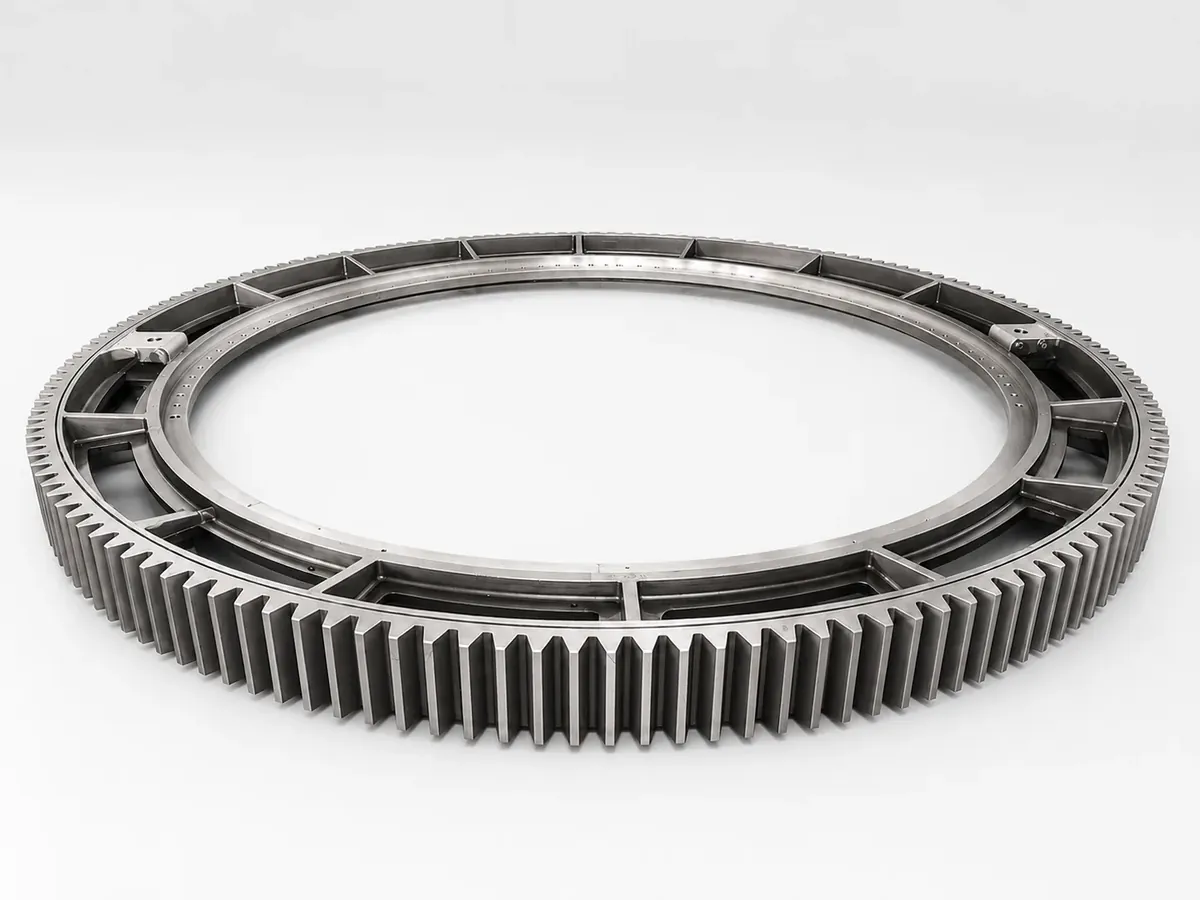
Large Gear Rings
Cast and forged ring gears for heavy drives
View specificationsSlewing Support Structural Castings — Frequently Asked Questions
Do you machine the bearing seat or supply the casting raw?
Machining is coordinated in the same supply chain, so the part can be supplied raw, semi machined or fully machined with the bearing seat and bolt circle finished.
Which steel grades are used for this type of part?
Grades such as 42CrMo4, G20Mn5 and G26CrMo4 are commonly used. The final grade is confirmed against the customer drawing and load case.
What do you need to prepare a quotation?
Drawings, material, quantity, quality standard and target delivery date.
Which inspection is included?
The inspection scope is agreed during drawing review. Automated heat treatment lines; zero draft sand casting reaches CT9.
Get A Quotation For Slewing Support Structural Castings
Send the drawing and the application. We will confirm the process route, the production base and the inspection scope before quoting.