
- Home
- Knowledge Centre
- Machine Safety Belongs in the Layout
Design Guide
Machine Safety Belongs in the Layout
Why guarding added after the frame exists is the guarding that gets defeated
Introduction
There are two ways to arrive at machine guarding. Either it is drawn with the layout, or it is fitted around a finished machine. The second produces guards that block the work, and guards that block the work get defeated. That is not an operator discipline problem, it is a design problem.
All Articles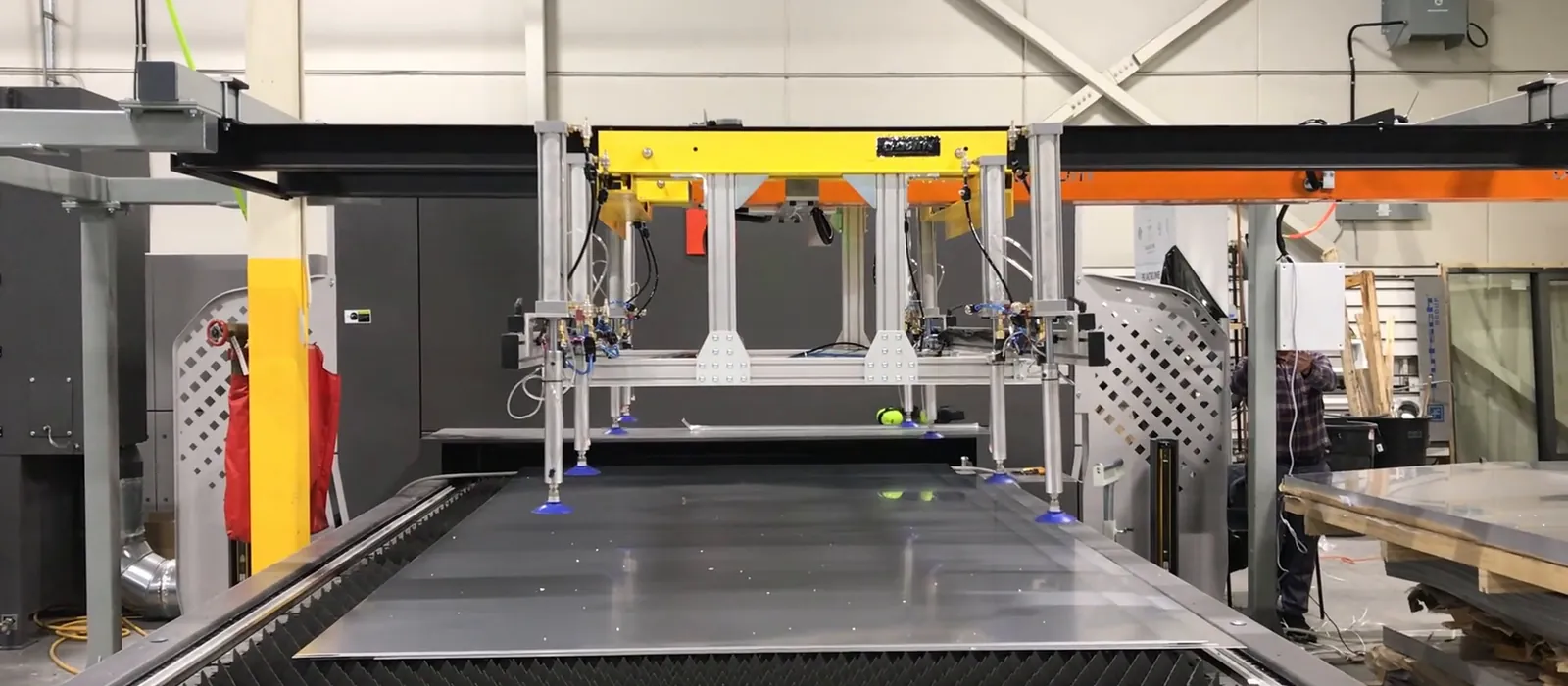
Start from the tasks, not from the hazards
List everything a person has to do at the machine: load, unload, clear a jam, change tooling, adjust, clean, inspect, repair. Frequency matters as much as the task.
A task that happens twenty times a shift has to be possible without opening a guard. A task that happens monthly can reasonably require a safe stop.
Then place the guarding around those tasks
Guarding positioned before the tasks are understood will obstruct at least one of them, and that is the one that will be bypassed.
Loading position, material replenishment and jam clearing are the three that most often get designed last and defeated first.
Protective devices follow the access pattern
Where access is frequent and brief, a light curtain keeps the cycle usable. Where access is occasional and longer, an interlocked gate is more appropriate.
Safety functions are wired into a safety circuit rather than into standard IO, and they are verified rather than assumed.
Maintenance access is a safety question too
A machine that can only be maintained by removing guards will be maintained with the guards off. Designing maintenance access into the layout is what prevents that.
Verify, record and hand over
Safety functions should be tested and the results recorded before the machine ships, so your own assessment has something to reference.
The documentation should describe what the safety functions do, not merely list the components fitted.
The test for a good design
Walk the routine tasks on the finished machine. If any of them tempt an experienced operator to open something, the layout is not finished yet.
Takeaways
The Short Version
- List the tasks and their frequency before placing any guarding
- Frequent tasks must be possible without opening a guard
- Maintenance access is part of the safety design, not an afterthought
- Verify safety functions and record the results before shipment
Related
Equipment Discussed
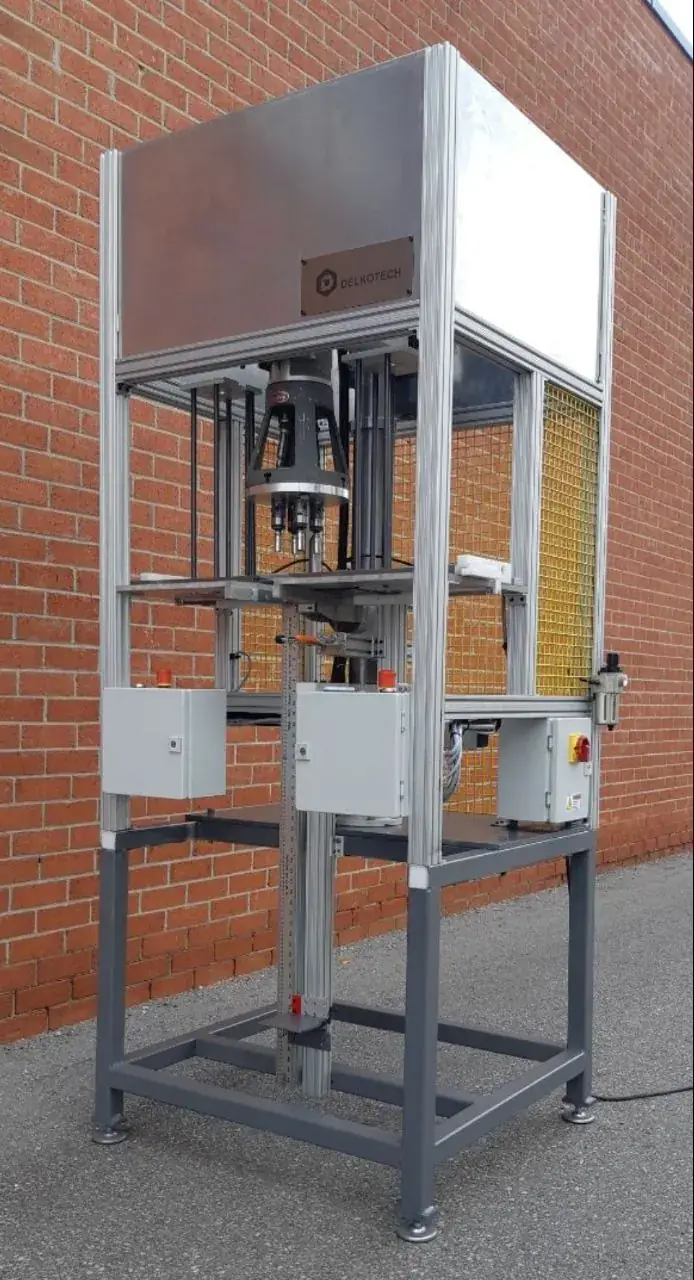
Device Assembly Systems
Safety Device Assembly Systems
Assembly and test systems for devices where every unit must be proved before it ships
View equipmentSheet Metal Automation
Place Processing Automation Machines
Stations that position the part and perform the operation in one controlled cycle
View equipmentQuestions
Questions About This Article
What is the short answer?
List the tasks and their frequency before placing any guarding.
Does this apply to equipment we already own?
Most of it does. The engineering described here is not specific to Delkotech machines, although where our equipment is relevant we link to it.
Who should read this?
Engineering, maintenance and production people who have to specify, buy or live with the equipment. It is written to be useful on the floor rather than in a brochure.
Can Delkotech advise on our specific case?
Yes. Email [email protected] with the part, the operation and what is going wrong, and you will get an engineer's answer rather than a sales response.
Talk to an engineer
Ask About Your Own Application
Send the part and the problem. You will get an engineer's answer, including when the answer is that automation is not the right call.