Edges that will not open in a short zone
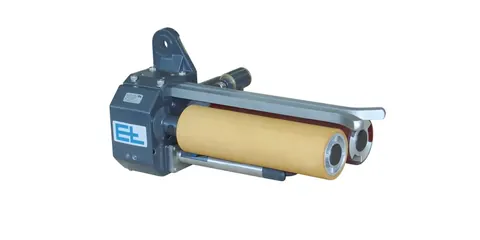
A heavy denim edge forced open in one step creases rather than flattens. Four adjustable fingers open it across a longer zone, in stages.

By Machine Brand
By Part Type
Wear Parts and Equipment
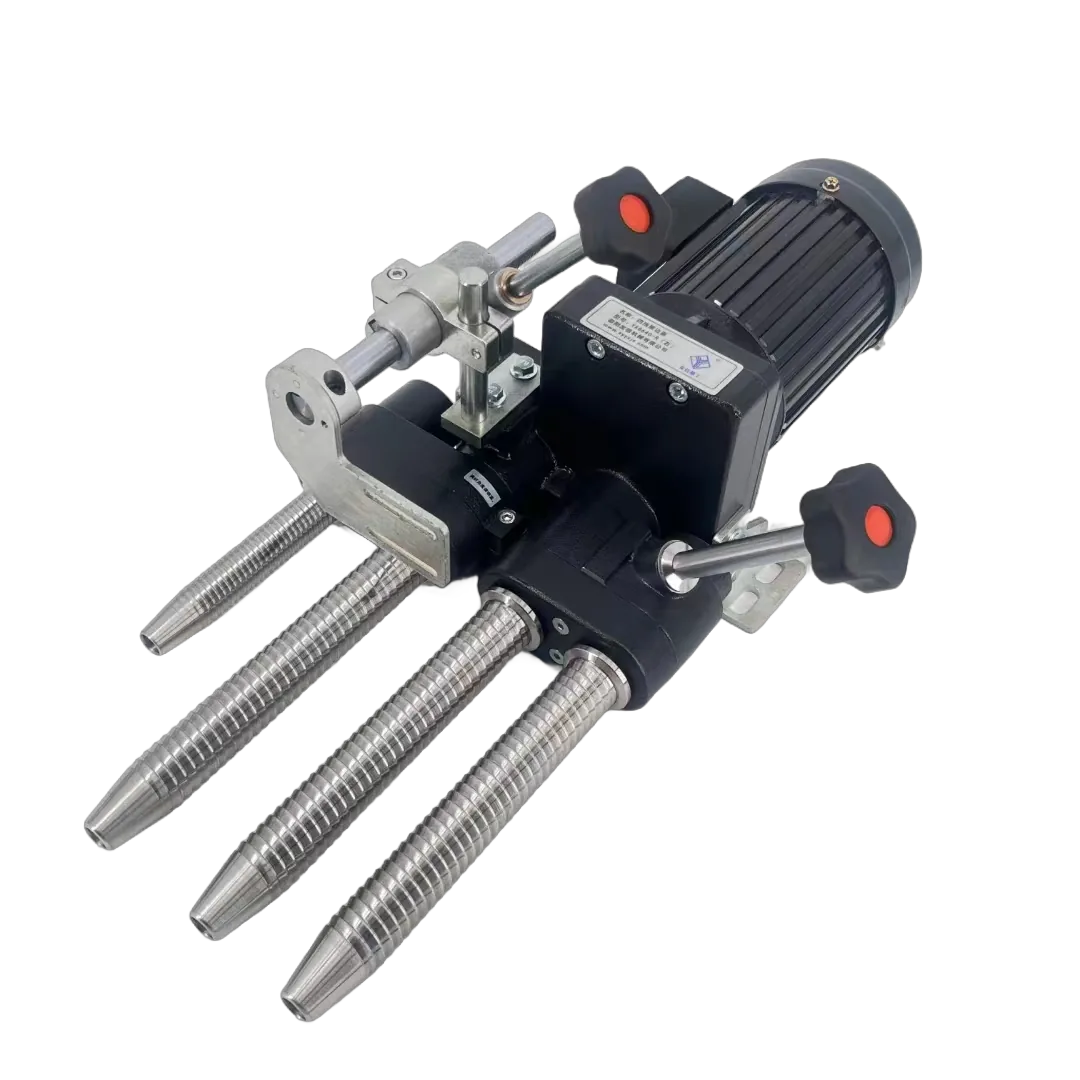
Denim is heavy, it curls hard, and it is abrasive on everything it touches. Selvedge uncurlers, pin beds and cutting blades all wear faster on a denim range than on a lightweight woven line, which makes the maintenance schedule as important as the part specification.
A heavy denim edge forced open in one step creases rather than flattens. Four adjustable fingers open it across a longer zone, in stages.
Heavier cloth means more tension on the pins and faster pin wear. Beds that are patched plate by plate end up with stepped pin height, which shows on the selvedge.
Denim dulls a cutting blade faster than lighter goods. High speed steel holds its edge longer, but the change schedule still has to be shorter than on a light woven line.
Denim sheds. Brush wheels clear the bed, and when they wear down the fibre builds up and marks the cloth.
Heavy-duty pin beds, four finger uncurlers and high speed steel blades for denim ranges.
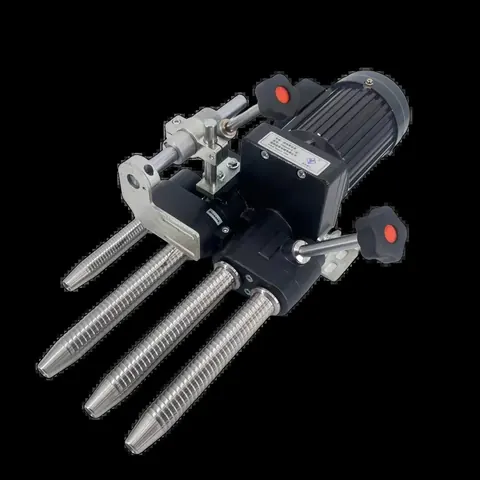
Four adjustable fingers giving a longer, more progressive edge opening zone at the infeed.
View Details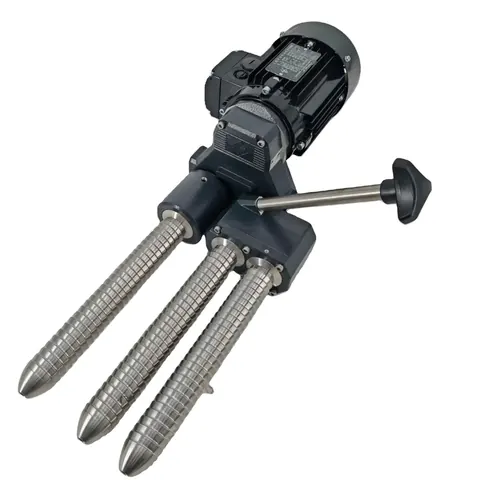
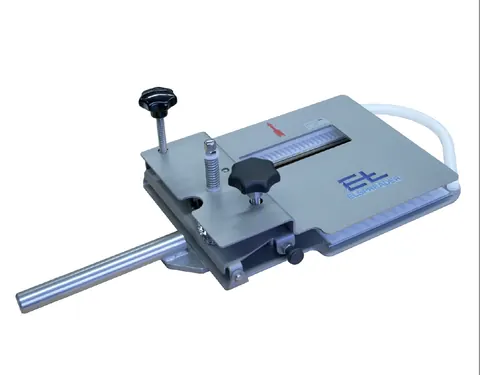
Three adjustable fingers that flatten the edge as it enters a Monforts frame.
View Details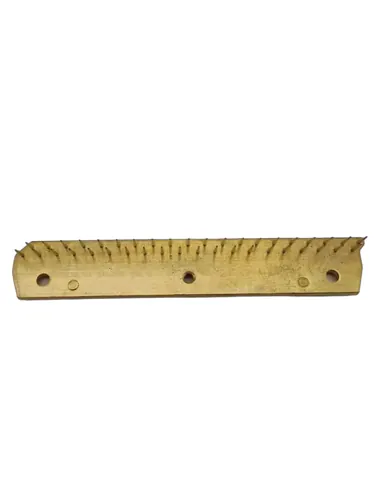
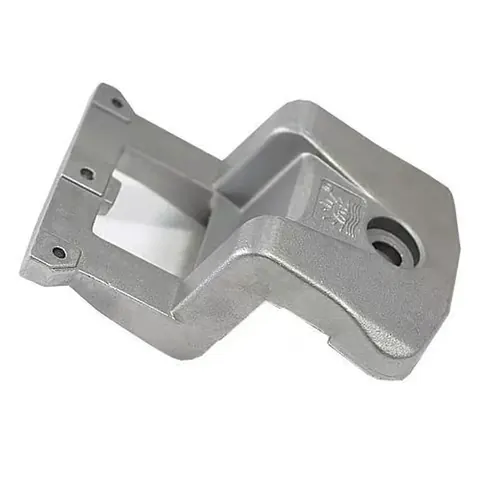
Monforts profile pin plate, the first of the two base profiles we hold for Monforts frames.
View Details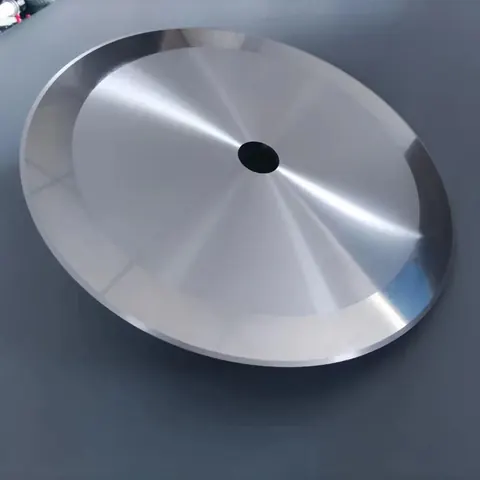
High speed steel blade with sharp edges that trims fabric edges evenly, at 200 by 40 by 2.5 mm.
View Details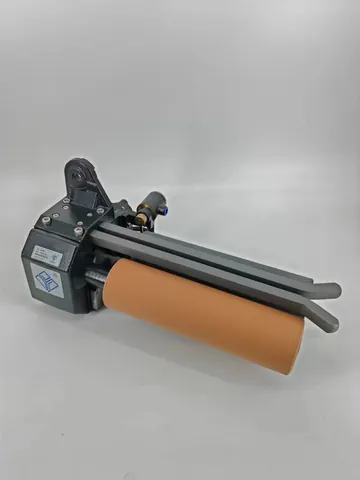
Matched PEEK roller set for two, three and four finger uncurler banks.
View Details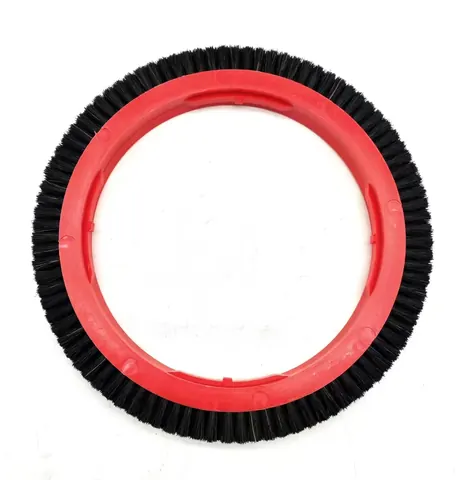
The large Monforts brush wheel at 220 by 167, the size most Monforts pin beds use.
View DetailsClean the guide and chain at least once a year, grease with a high temperature product, and decide service against replacement by measurement.
Parts for multiple brands of stenter machine, so a mixed fleet is served from one order.
We customise parts according to customer needs: pin plates, pin plate holders, clips, brush wheels and other metal parts.
A four finger type. Four fingers open the edge across a longer zone in stages, which is what a heavy, strongly curling denim edge needs. A short uncurler creases it instead.
By section rather than plate by plate, and on a schedule that reflects the heavier tension. A single new plate between worn neighbours gives a step in pin height that shows on the selvedge.
Denim is abrasive. High speed steel holds its edge longer than a general tool steel, but the change interval still needs to be shorter than on lightweight goods.
That is what the brush wheel is for. When the brush wears down the cloth is no longer pressed fully onto the pins and fibre accumulates, which then marks the cloth.
Denim edges can mark, so some plants use pneumatic units even here. Mechanical roller and finger types are the usual choice and cost far less.
Yes: uncurlers, pin plates, holders, chain, clips, brush wheels and cutting blades all ship together from Shaoxing.
The stenter heat-sets and dries fabric by stretching it to width and holding it there under controlled heat.
Entry section, clip or pin chains, rails, heating chambers, exhaust, blowers, temperature control, width adjustment and weft straightener.
Clips leave no pin marks and suit thicker fabrics; pins hold more tension and run faster, to 100 m per minute.
The article decides the pin density, the bristle type and the chain grade. Tell us what runs on the line and we recommend rather than default.